
Desserts
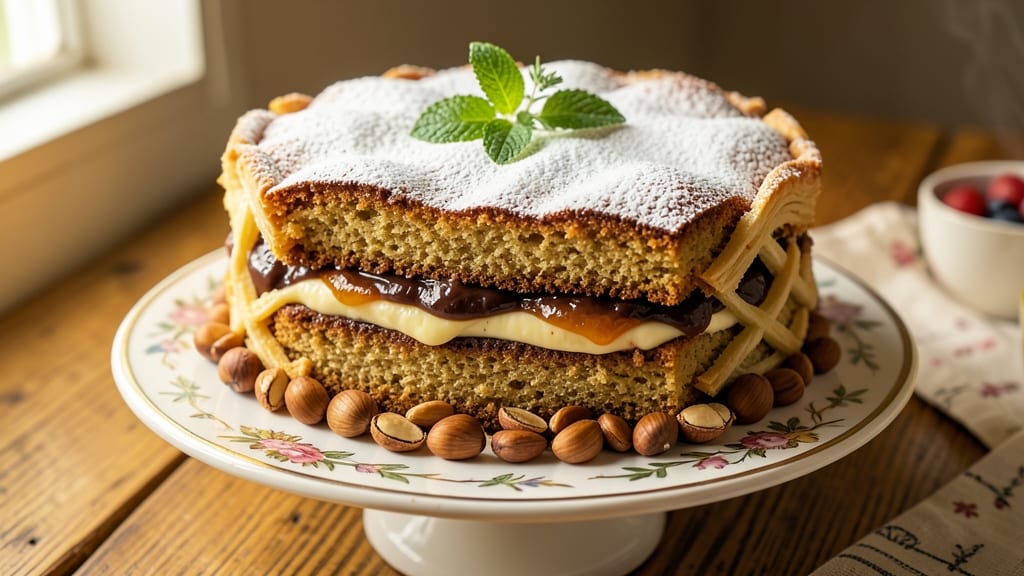
Austrian tea cakes bring Vienna's café culture to your kitchen with their signature buttery layers and delicate vanilla swirls. 💛 These traditional treats feature a tender crumb base, rich chocolate glaze, and a signature crumbly topping that melts in your mouth.
The recipe balances precision with approachability, ensuring you achieve that iconic Austrian texture without specialized equipment.
What sets these tea cakes apart is their perfect harmony of flavors—vanilla-infused sponge layers contrast beautifully with the deep chocolate glaze, while the crumb topping adds just the right amount of texture.
The recipe uses simple ingredients like flour, butter, and vanilla, but the technique transforms them into something truly special. Baking at the precise temperature of 350°F for 30-35 minutes ensures a golden finish with a moist interior.
This recipe delivers the same satisfaction you'd find in Vienna's historic cafés, where these cakes are traditionally served with strong coffee or herbal tea. The layers stay tender for days, making them perfect for entertaining or enjoying as a luxurious afternoon treat.
The secret to success lies in proper layering and careful baking—each step builds toward that signature Austrian elegance.
Whether you're preparing for a tea party or simply craving a taste of Vienna, these tea cakes will impress with their restaurant-quality finish. The recipe includes variations for adding almonds or citrus zest, allowing you to customize while maintaining the traditional essence.
Let's create something truly memorable with this classic Austrian dessert.
Ingredients for austrian tea cake
Twelve simple ingredients transform into Vienna's legendary buttery tea cakes with vanilla swirls.
| Ingredient | Amount | Notes |
|---|---|---|
| All-Purpose Flour 🌾 | 3 ½ cups | Sifted for light texture |
| Unsalted Butter 🧈 | 1 ½ cups | Cold, cubed for crumb topping |
| Granulated Sugar 🍚 | 1 ½ cups | Superfine preferred for smoothness |
| Pure Vanilla Extract 🌿 | 2 tsp | High-quality Madagascar preferred |
| Large Eggs 🥚 | 4 whole | Room temperature for even mixing |
| Baking Powder 🧂 | 1 ½ tsp | Diamond Crystal preferred |
| Salt 🧂 | ½ tsp | Fine sea salt preferred |
| Dark Chocolate Chips 🍫 | 1 ½ cups | 70% cacao for rich flavor |
| Powdered Sugar 🍚 | 1 ½ cups | For chocolate glaze |
| Heavy Cream 🥛 | ¼ cup | Cold for glaze stability |
| Ground Almonds 🌰 | ½ cup | Optional for crumb topping |
| Almond Extract 🌿 | ½ tsp | For optional almond flavor |
| Unsweetened Cocoa Powder 🍫 | ¼ cup | Dutch-processed preferred |
The butter quality makes or breaks these cakes. European-style unsalted butter from Plugrá or Land O'Lakes delivers that signature Austrian richness—avoid margarine or low-fat alternatives. For the crumb topping, cold cubed butter creates that signature texture. The vanilla extract should be pure, not imitation—Madagascar Bourbon from McCormick or Nielsen-Massey adds depth. Chocolate chips? Valrhona or Ghirardelli elevate the glaze, but high-quality supermarket brands like Hershey's Special Dark work too. Sift your flour and baking powder together to avoid lumps, and weigh your ingredients for precision.
No vanilla extract? Seeds from a vanilla bean work beautifully—simmer one in warm milk for 10 minutes, then strain. Substituting powdered sugar for granulated in the glaze creates a smoother finish, but wet the powdered sugar first to prevent clumping. The crumb topping can be made with crushed graham crackers in a pinch, though almonds add that authentic crunch. For a citrus twist, zest from 1 lemon or orange pairs well with the vanilla. If you're avoiding almonds, crushed pistachios or pecans offer a nice alternative. The cocoa powder should be Dutch-processed for a smoother glaze—Hershey's Special Dark is a good budget option.
Store baked tea cakes in an airtight container at room temperature for 3-4 days, or freeze for up to 3 months for maximum freshness. The crumb topping stays crisp for about 2 days before softening, so make it fresh if possible. For serving, dust with powdered sugar just before slicing—it adds that café-style elegance. These cakes reheat beautifully in a 350°F oven for 5-7 minutes to restore the crumb topping's texture. Portion into individual servings for easy tea parties, or cut into squares for a crowd.
Why You'll Love This Recipe
- No-Mix Magic: I swear by this recipe—just cream butter and sugar, crack in eggs, fold in flour. No standing at the counter, no food processor, just a bowl and a spatula. Honestly, my hands are always sticky from baking, but this one feels like cheating.
- Vanilla Butter Bliss: That rich, buttery dough with real vanilla extract? It’s the kind of flavor that makes you pause mid-bite. The sugar caramelizes just enough to give it a subtle sweetness, but the butter keeps it from being cloying—like a hug in cake form.
- Breakfast to Dessert: Morning coffee? Check. Afternoon pick-me-up? Double check. These slices are perfect warm with tea or cold in a lunchbox. I’ve even served them at brunch—just dusted with powdered sugar—and no one batted an eye.
- Pantry Staple Power: Five ingredients, all basics you already own. No specialty items, no last-minute grocery runs. And the best part? They keep for days in an airtight container, so you’re never scrambling for a treat when cravings hit. (Yes, even on a Tuesday night.)
Step-by-step instructions for Austrian tea cakes
Master the art of these delicate swirls with a perfect balance of tender crumb and buttery crunch.
👨🍳 Step 1: Prepare the Crumb Topping and Vanilla Swirl Dough
First, make the crumb topping by cutting the 1.5 cups unsalted butter into small cubes and placing them in a bowl. Add the 3.5 cups all-purpose flour, 0.5 cup ground almonds, 0.5 tsp almond extract, and 0.25 cup unsweetened cocoa powder. Use your fingers to work the mixture until it resembles coarse crumbs with pea-sized butter pieces remaining.
In a separate large bowl, whisk together the 1.5 cups granulated sugar, 1.5 tsp baking powder, and 0.5 tsp salt. Add the 4 whole large eggs and 2 tsp pure vanilla extract, then mix until smooth. Gradually fold in the 1.5 cups dark chocolate chips using a spatula, ensuring even distribution. This creates the signature swirl pattern when baked.
🍳 Step 2: Create the Layered Dough Structure
Sift half of the flour mixture from the crumb topping over the vanilla swirl dough. Gently fold with a spatula until just combined, being careful not to overmix. Transfer half of this mixture to a greased 9-inch round cake pan and spread it evenly using the back of a spoon.
Sprinkle half of the crumb topping over the first layer, pressing down lightly to adhere. Add another half of the vanilla swirl mixture on top, followed by the remaining crumb topping. The final layer should be the crumb mixture, pressed down firmly to create that signature crunchy top. This layered approach ensures each bite delivers both tender cake and buttery crunch.
🔥 Step 3: Bake to Golden Perfection
Preheat your oven to 350°F and place the cake pan on the middle rack. Bake for 40-45 minutes until the top is deep golden brown and a toothpick inserted in the center comes out clean. The edges should pull away slightly from the pan, indicating proper baking.
I find it helpful to rotate the pan halfway through baking (after 20-25 minutes) to ensure even browning. The cake should have a slight dome in the center when removed from the oven—this will flatten as it cools. Let it rest in the pan for 10 minutes before transferring to a wire rack to cool completely.
🥘 Step 4: Prepare the Chocolate Glaze (Optional)
While the cake cools, prepare the chocolate glaze by combining 1.5 cups powdered sugar, 0.25 cup heavy cream, and 1 tbsp unsweetened cocoa powder in a bowl. Whisk until smooth, adding more cream if needed to achieve a thin but pourable consistency. This glaze adds a luxurious finish that pairs perfectly with the cake's buttery flavors.
Once the cake is completely cool, carefully invert it onto a serving plate. Drizzle the chocolate glaze evenly over the top, allowing it to drip slightly down the sides for an elegant presentation. The contrast between the warm cake and cool glaze creates a truly memorable texture experience.
⏰ Step 5: Serve and Enjoy
Slice the Austrian tea cakes into 12 equal wedges using a sharp serrated knife. The layers should separate cleanly, revealing the beautiful swirl pattern throughout. Serve at room temperature with a cup of hot tea or coffee for the ultimate afternoon treat.
For best results, store any leftovers in an airtight container at room temperature for up to 3 days. The flavors actually improve as the cake sits, with the butter becoming even more flavorful and the crumb topping developing a perfect crunch. This cake keeps beautifully and makes an excellent make-ahead dessert for gatherings.
Pro Tips For Making Austrian Tea Cake
- CREAM THE BUTTER SLOWLY: I learned this the hard way—dumping cold butter into sugar and eggs at once just makes a greasy mess. Let the butter soften first (it should dent when pressed), then mix it into the sugar gradually with a wooden spoon or paddle attachment. You’re aiming for a light, fluffy texture, not a dense paste.
- WEIGH YOUR FLOUR (NO SCOOPING): I used to eyeball flour like everyone else, and my cakes always turned out either too dense or dry. Austrian tea cakes rely on precise ratios—use a kitchen scale for the flour (120-140g for a standard recipe) and gently fold it into the wet ingredients just until combined. Overmixing = tough cake.
- DON’T OVERBAKE THE CENTER: The cake should pull away from the edges of the pan but still have a slight jiggle in the middle—it’ll keep cooking as it cools. If you bake until the toothpick comes out completely clean, you’ll end up with a dry, crumbly mess. For a 9-inch pan, 25-30 minutes at 350°F (175°C) is usually spot-on.
- USE ROOM-TEMP EGG WHITES: Cold egg whites can deflate your batter or create uneven texture. Separate the eggs just before mixing and let them sit out for 10 minutes—this helps them whip up lighter and fold in more smoothly. (Pro move: Whip them to soft peaks before adding to the batter for extra lift.)
Make-ahead tips for austrian tea cake
Prep Ahead Strategy
Assemble the crumb topping and vanilla swirl dough up to 24 hours ahead, then refrigerate in separate airtight containers. The cold butter in the crumb topping stays firm, making it easier to handle when layering.
I like to label containers with the date—this prevents any mix-ups when you're ready to bake. The dough benefits from resting as it hydrates evenly, resulting in a lighter texture. 💫
Layering in Advance
For a stress-free baking day, layer the cake in the pan the night before. Cover tightly with plastic wrap and refrigerate overnight. When you're ready to bake, simply remove from the fridge and bake straight from cold—no need to thaw.
This method ensures the layers stay distinct and the crumb topping maintains its signature texture. Just add 5-10 minutes to your baking time if coming straight from the refrigerator.
Glaze Prep Timing
Make the chocolate glaze up to 3 days ahead and store it in a sealed jar in the fridge. Before using, whisk vigorously to redistribute any settled powdered sugar. The glaze thickens when cold, so add 1-2 teaspoons of warm water if it seems too stiff.
I keep a small jar of glaze ready in my fridge for spontaneous dessert moments—it's a game-changer for last-minute tea parties.
Freezing Fully Baked Cakes
For maximum convenience, bake the cake completely, then freeze it wrapped tightly in plastic wrap followed by aluminum foil. This preserves the texture for up to 3 months.
To serve, thaw at room temperature for 2-3 hours or reheat in a 300°F oven for 10 minutes to restore the crumb topping's crispness. The flavors actually deepen during freezing, making it perfect for holiday entertaining.
Portioning for Guests
Cut the cake into individual servings while still slightly warm for cleaner slices. Wrap each portion in parchment paper and store in an airtight container at room temperature for up to 3 days.
This makes serving effortless—just remove from the container and dust with powdered sugar before presenting. I always prepare extra portions for unexpected visitors, as these cakes disappear quickly! ✨
Make-Ahead Serving Tips
For a truly impressive presentation, assemble the cake on a decorative platter and refrigerate overnight. The cold temperature helps the layers set beautifully. When ready to serve, dust with powdered sugar and garnish with fresh mint leaves or a sprinkle of cocoa powder.
The contrast of cold cake with hot tea creates an authentic Viennese café experience—just like the original Sachertorte houses do it.
Nutrition facts
Frequently asked questions
Why does the Austrian tea cake need a crumb topping?
The signature crumb topping creates that iconic Viennese texture contrast—it adds a delicate crunch that balances the tender vanilla sponge layers. Traditionally, this topping was developed to mimic the crumbly texture of Sachertorte's chocolate layer while adding buttery richness. The almonds in the topping also complement the vanilla flavor beautifully.
Can I make this recipe without almonds?
Simply omit the 0.5 cup ground almonds and 0.5 tsp almond extract from the crumb topping. For extra flavor, you could substitute with 0.5 cup crushed graham crackers or 0.25 cup toasted coconut flakes. The cake will still have that signature crunch, just with a different nutty profile.
How do I prevent the crumb topping from getting soggy?
Keep the crumb topping cold when layering and avoid pressing it down too firmly. The key is to bake at 350°F for 40-45 minutes until the edges pull away from the pan—this ensures the crumb sets properly. Let the cake cool completely before adding the glaze, and store it in an airtight container to maintain crispness for up to 2 days.
What's the best way to slice these tea cakes?
Use a sharp serrated knife and dip it in hot water between each slice to create clean cuts. Warm the knife slightly first to help it glide through the layers. For the most professional look, slice while the cake is still slightly warm (about 1 hour after baking) when the layers separate most easily.
Can I make this recipe in a different pan shape?
Yes, but for best results stick to a 9-inch round pan or 9x13-inch rectangular pan. If using a rectangular pan, reduce baking time by about 5-7 minutes since edges brown faster. For square pans, expect slightly longer baking times as heat circulates differently. The traditional round shape creates that elegant Viennese presentation.