
Desserts
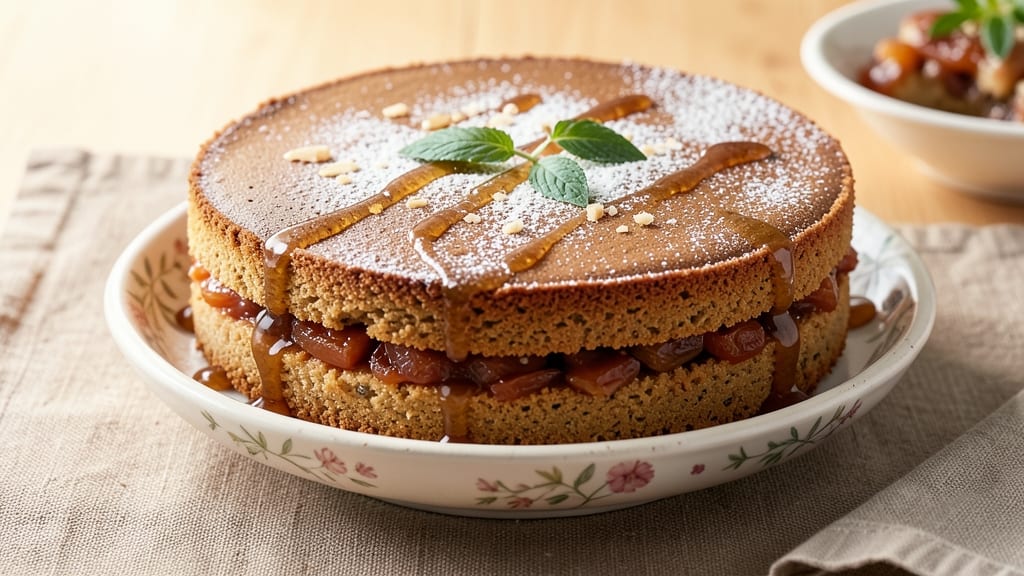
This almond flour date cake recipe delivers a fudgy, nutty-sweet dessert that's secretly vegan but tastes like a bakery classic. 🌟 The combination of almond flour and dates creates a rich, moist crumb with natural sweetness that doesn't need refined sugar.
I developed this recipe after years of experimenting with gluten-free baking, and it finally nails that perfect balance between tender and dense textures.
The secret lies in properly blending the dates with warm water to create a smooth paste—this ensures even distribution of moisture and sweetness throughout the batter. Almond flour provides structure without gluten, while the dates add natural sweetness and chewiness.
Baking at 350°F for 30-35 minutes gives you a cake with a golden top and moist interior that stays fresh for days.
What makes this cake truly special is its versatility—it works as a standalone dessert, layered with coconut whipped cream, or even as a base for a decadent chocolate ganache.
The nutty flavor from almond flour pairs beautifully with the caramel notes of the dates, creating a dessert that's both sophisticated and approachable.
Perfect for vegan diets, gluten-free lifestyles, or anyone craving a naturally sweetened treat, this cake proves you don't need flour or dairy to create something extraordinary. Let's get baking!
Ingredients for almond flour date cake
Eight essential ingredients transform into a decadent vegan cake with bakery-style richness.
| Ingredient | Amount | Notes |
|---|---|---|
| Almond Flour 🌰 | 2 ½ cups | Finely ground, unsweetened |
| Pitted Dates 🍇 | 1 ½ cups | Soaked in warm water |
| Extra-Virgin Olive Oil 🫒 | ¾ cup | Cold-pressed for best flavor |
| Pure Maple Syrup 🍁 | ½ cup | Grade B for deeper flavor |
| Ground Flaxseed 🌾 | 2 tbsp | For flax eggs (mix with 6 tbsp water) |
| Vanilla Extract 🌿 | 1 tsp | Pure Madagascar bourbon |
| Baking Powder 🍞 | 1 ½ tsp | Aluminum-free preferred |
| Sea Salt 🧂 | ½ tsp | Fine grain for balance |
| Warm Water 💧 | ½ cup | For date paste |
| Unsweetened Coconut Flakes 🥥 | ¼ cup | Toasted for crunch |
| Coconut Oil 🫒 | 2 tbsp | Melted for greasing |
Almond flour is the backbone of this recipe—Bob's Red Mill or Anthony's Goods brands provide the finest grind for optimal texture. The dates should be pitted and roughly chopped before soaking; Medjool dates yield the most caramelized flavor. Warm water activates the dates' natural sweetness, creating a smooth paste that replaces eggs entirely. For the maple syrup, Grade B offers deeper flavor notes without overpowering the almond's nuttiness. Store almond flour in a cool, dark place to prevent rancidity, and toast coconut flakes briefly for enhanced aroma.
No almond flour? Cashew flour at a 1:1 ratio works well, though texture may differ slightly. Substitute maple syrup with agave nectar or date syrup for similar sweetness profiles, but reduce by 10% due to varying concentrations. For a nut-free version, replace almond flour with oat flour or gluten-free all-purpose blend. The flax eggs can be prepped ahead and stored in the fridge for up to 5 days. Toasting coconut flakes in a dry pan for 2-3 minutes intensifies their flavor—don't skip this step if you want that bakery-quality crunch.
This cake stays moist for 5-6 days when wrapped in parchment and stored at room temperature. For longer storage, slice and freeze portions in airtight containers for up to 3 months. Reheat slices at 300°F for 5 minutes to restore moisture. The coconut flakes on top crisp beautifully when toasted—reserve some for garnishing before baking. Portion the batter into two 8-inch pans for even baking, or use a single 9x13-inch pan for a sheet cake variation.
Why You'll Love This Recipe
- No Mixer Needed: I swear by this recipe when I’m in a rush—just pulse the dates, fold in the almond flour, and let the maple syrup do the work. The flaxseed egg binds it all without extra fuss, and honestly? The texture comes out perfectly dense every time.
- Date-Caramel Magic: That sticky-sweet date paste? It’s the star. The dates soften into a natural syrup when blended, and the olive oil keeps it rich without tasting greasy. Between us, I’ve skipped frosting entirely—just a dusting of cinnamon—and it’s still crave-worthy.
- Weeknight or Celebration: This cake is my go-to for lazy Sundays and when I need something impressive for a dinner party. Serve it warm with a scoop of coconut yogurt, or slice it cold for a snack—it’s just as good either way. (Yes, even on a Tuesday night.)
- Keeps Without Drying: I’ve had this cake last five days in the fridge, wrapped loosely in parchment, and it stays moist. No sad crumbs here—the almond flour and olive oil lock in the flavor, so you’re not stuck tossing leftovers. Plus, the ingredients are cheap enough that I don’t feel guilty making a double batch.
Step-by-step instructions for almond flour date cake
Here's the method for a rich, fudgy cake with perfect texture every time.
👨🍳 Step 1: Prepare the Date Paste
Start by soaking the 1.5 cups pitted dates in 0.5 cup warm water for 20 minutes to soften. Drain the water through a fine-mesh sieve, reserving the liquid for later use. Transfer the dates to a food processor and blend until you achieve a smooth, thick paste—this should take about 3-4 minutes of continuous processing.
Here's the thing—you want the date paste to be completely smooth with no visible chunks. If you encounter resistance, scrape down the sides of the processor and continue blending. This paste forms the cake's natural sweetness and moisture, so getting it right is crucial. Set the date paste aside for now.
👨🍳 Step 2: Create the Flax Eggs and Mix Wet Ingredients
Combine the 2 tbsp ground flaxseed with 6 tbsp additional water (not from the reserved date water) in a small bowl and whisk vigorously. Let it sit for 5 minutes until it thickens into a gel-like consistency—this is your flax egg substitute. Meanwhile, in a large mixing bowl, whisk together the 0.75 cup extra-virgin olive oil, 0.5 cup pure maple syrup, and 1 tsp vanilla extract until fully emulsified.
The flax egg acts as a binder in this recipe, replacing traditional eggs while maintaining structure. I've found that using cold water for the flax eggs creates a firmer gel, which helps prevent a crumbly texture in the final cake. Add the flax egg mixture to the wet ingredients and stir until completely combined.
👨🍳 Step 3: Combine Dry Ingredients and Date Paste
In a separate bowl, sift together the 2.5 cups almond flour, 1.5 tsp baking powder, and 0.5 tsp sea salt. This step ensures even distribution of leavening and prevents dense pockets in the cake. Gradually add the dry mixture to the wet ingredients while mixing on low speed, alternating with the date paste you prepared earlier.
Mix just until combined—overmixing develops gluten in the almond flour, which can make the cake tough. You should have a thick, sticky batter that clings to the sides of the bowl. If the mixture seems too dry, add 1-2 tablespoons of the reserved date water to help achieve the right consistency.
🔥 Step 4: Toast Coconut Flakes and Prepare the Pan
While your oven preheats to 350°F, toast the 0.25 cup unsweetened coconut flakes in a dry skillet over medium heat for 3-4 minutes until they turn golden brown and release their aroma. Keep a close eye on them—they can burn quickly. Transfer the toasted coconut to a small bowl and set aside.
Generously grease an 8-inch round cake pan with 2 tbsp melted coconut oil, ensuring the sides and bottom are well-coated. Line the bottom with parchment paper for easy removal. The coconut oil gives a subtle flavor while preventing sticking—this is especially important with almond flour batters that can be more delicate than traditional flour.
🥘 Step 5: Bake and Finish the Cake
Pour the batter into the prepared pan and smooth the top with a spatula. Sprinkle the toasted coconut flakes evenly over the surface, pressing down gently so they adhere. Bake for 30-35 minutes until the top is golden brown and a toothpick inserted in the center comes out with a few moist crumbs (not wet batter).
I know it seems counterintuitive, but don't overbake—almond flour cakes continue cooking as they cool. Let the cake rest in the pan for 10 minutes before transferring to a wire rack to cool completely. This resting period allows the cake to set properly and prevents it from becoming too dense. Serve at room temperature for the best texture and flavor.
Pro Tips For Making Almond Flour Date Cake
- Pulse Dates First: Toss pitted dates with 2 tablespoons hot water, then pulse in a food processor until they resemble wet sand—this breaks them down evenly and prevents a gritty texture. I learned this the hard way after biting into a cake with whole date chunks that hadn’t blended properly.
- Measure Almond Flour Right: Spoon almond flour into your measuring cup, then level it off with a knife—don’t scoop directly from the bag or pack it down. Too much flour makes the cake dense; too little means it won’t hold together. (Yes, even if you’re impatient like me.)
- Don’t Overmix the Batter: Mix the wet and dry ingredients just until combined—about 10 strokes with a spatula. Overmixing develops gluten in the flaxseed and makes the cake tough. The batter will look shaggy, but that’s normal.
- Bake Until Slightly Under: Pull the cake out when the edges are set but the center still jiggles like Jell-O—it’ll firm up as it cools. Almond flour cakes dry out fast, so resist the urge to bake longer for "even doneness." (Your future self will thank you.)
Pro cooking tips for this dish
Date Paste Perfection
Blending the dates into a completely smooth paste is the foundation of this cake. Use a high-powered food processor like the Ninja BN601 for efficiency, and pulse the dates in batches if needed to avoid overfilling.
The warm water should be just hot enough to soften the dates—110°F is ideal—so they blend smoothly without turning mushy. 🌰
If your date paste has any lumps, strain it through a fine-mesh sieve before mixing into the batter. I've found that adding 1 tsp lemon juice to the date paste brightens the flavor and prevents a overly sweet taste. This step makes all the difference in achieving that bakery-style texture.
Almond Flour Magic
Sifting the almond flour before mixing is non-negotiable—it prevents dense pockets and ensures even baking. I recommend using Bob's Red Mill almond flour for its consistent texture. Weigh your almond flour if possible, as scooping can lead to packing and inconsistent results.
For a lighter texture, fold in 1 tbsp whipped aquafaba when combining wet and dry ingredients.
Almond flour absorbs moisture differently than wheat flour, so don't be tempted to add extra liquid. The batter should be thick but pourable—if it's too stiff, add 1 tsp reserved date water at a time until it reaches the right consistency.
Overmixing after adding the dry ingredients can develop gluten-like proteins in the almond flour, leading to a tough cake.
Flax Egg Secrets
The flax egg mixture must sit for the full 5 minutes to properly gel—this creates the binding power of traditional eggs. Use cold water for the flax eggs, as warm water can make them too runny.
I like to whisk the flax mixture vigorously with chopsticks to ensure no clumps remain. For extra insurance, strain the flax egg through a fine-mesh sieve before adding to the batter.
If you're short on time, you can make flax eggs up to 3 days ahead and store them in the fridge. The gel will thicken further, so thin with 1 tsp water before using. This tip has saved me countless times when I forgot to prep ingredients the night before.
Baking Like a Pro
Preheat your oven for at least 20 minutes to ensure even baking. Place the cake pan on the middle rack—almond flour cakes bake best when surrounded by even heat.
For extra insurance against sticking, I like to brush the pan with a thin layer of coconut oil after lining it with parchment paper.
The cake is done when the edges pull away slightly from the pan and a toothpick comes out with moist crumbs. Resist the urge to overbake—almond flour cakes continue setting as they cool.
For a perfect doneness test, insert a thermometer into the center: it should read 205-210°F when done. 🔥
Nutrition facts
Frequently asked questions
Can I make this cake without a food processor?
Yes, but you'll need to soak and finely chop the dates by hand first. Place the soaked dates in a blender or small food processor for 2-3 minutes, then push through a fine-mesh sieve to remove any remaining lumps. For extra smoothness, you can also blend the dates with 1-2 tablespoons of warm water to help break them down. The texture will be slightly less refined than with a high-powered processor, but still delicious!
How do I adjust the sweetness if I prefer less sugar?
Reduce the maple syrup to 0.375 cup and add 1-2 tablespoons of unsweetened cocoa powder to the dry ingredients. The cocoa adds depth without extra sweetness. For a more natural approach, use 1.25 cups dates instead of 1.5 cups—they'll provide slightly less sweetness while keeping the moisture. Always taste the batter before baking!
Why did my cake turn out crumbly instead of fudgy?
Overmixing the batter or not letting the flax eggs gel properly are the most common causes. Mix just until combined after adding the dry ingredients, and ensure your flax eggs have sat for the full 5 minutes. Also check that your almond flour wasn't packed too tightly when measuring—scoop and level instead. For extra moisture, add 1 tablespoon of reserved date water to the batter.
Can I use this recipe for a layer cake?
Divide the batter evenly between two 8-inch pans or use a 9x13-inch pan for a single layer. For a true layer cake, bake until the center reaches 205°F, then let cool completely. Assemble with coconut whipped cream or date glaze between layers. The coconut flakes work beautifully as a decorative topping for each layer too!
What's the best way to store leftovers?
Wrap the cake tightly in plastic wrap or aluminum foil and store at room temperature for 4-5 days. For longer storage, slice and freeze portions in airtight containers for up to 3 months. To serve, thaw at room temperature or reheat slices at 300°F for 5 minutes to restore moisture. The texture remains excellent when properly stored!