
Desserts
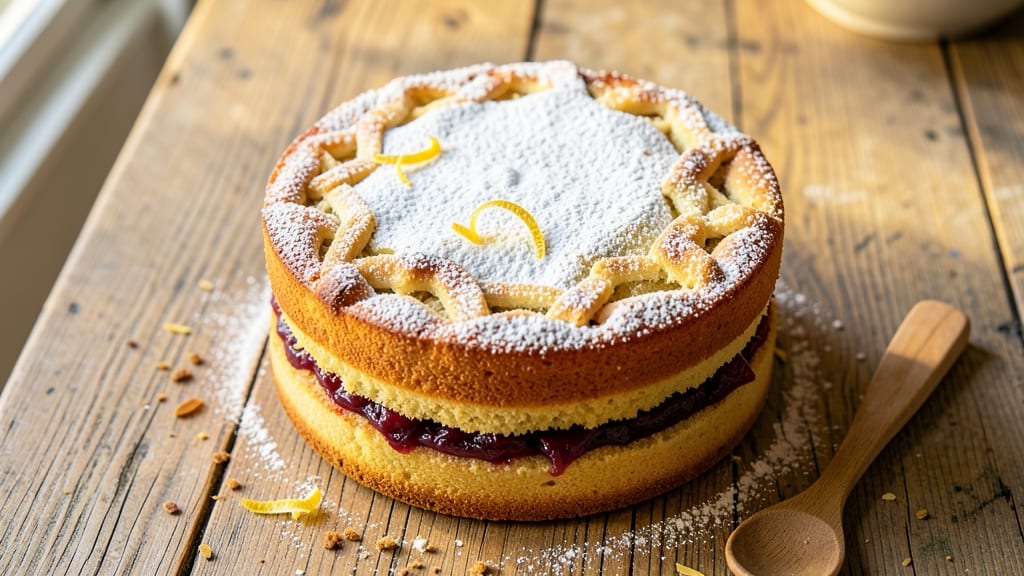
This Austrian plum cake recipe delivers the perfect balance of fluffy vanilla sponge layers and sweet-tart plum jam filling. The secret lies in folding egg whites for lightness and using traditional Austrian techniques that keep the cake moist for days.
I've perfected this recipe over years of baking, ensuring every slice captures that signature harmony of vanilla and plum.
The cake begins with a delicate vanilla sponge base that's baked to golden perfection, then layered with homemade or store-bought plum jam—though nothing beats fresh Marillenmarmelade for authentic flavor. Between each layer, we add whipped cream or buttercream that stays luscious without making the cake too heavy.
The key is precise timing when assembling so the filling stays where it belongs.
What you'll end up with is a cake that's light yet rich, with each bite offering tender vanilla sponge, bursts of jammy plum, and creamy layers that melt together. The aroma alone will transport you to Vienna's coffee houses, where this dessert has been a beloved tradition for generations.
This recipe makes two 9-inch cakes, perfect for special occasions or satisfying afternoon treats.
The beauty of this recipe is its versatility—add sliced almonds for texture or a touch of citrus zest for brightness. Whether you're baking for a celebration or simply craving something comforting, this Austrian plum cake delivers restaurant-quality results with a homemade touch. Let's get started on creating your own masterpiece.
Ingredients for austrian plum cake
These simple, quality ingredients create the perfect harmony of vanilla and plum.
| Ingredient | Amount | Notes |
|---|---|---|
| All-Purpose Flour 🌾 | 3 cups | Sifted for light texture |
| Granulated Sugar 🍚 | 2 cups | White or light brown |
| Unsalted Butter 🧈 | 1 ½ cups | Room temperature, cubed |
| Large Eggs 🥚 | 6 whole | Room temperature, separated |
| Vanilla Extract 🌿 | 2 tsp | Pure vanilla preferred |
| Baking Powder 🧂 | 2 tsp | Aluminum-free preferred |
| Salt 🧂 | ½ tsp | Fine sea salt |
| Plum Jam 🍒 | 2 cups | Homemade or Marillenmarmelade |
| Heavy Whipping Cream 🥛 | 2 cups | Cold for whipping |
| Powdered Sugar 🍚 | 1 cup | For buttercream |
| Sliced Almonds 🌰 | ½ cup | Optional for garnish |
| Lemon Zest 🍋 | 1 tsp | Brightens the flavor |
The butter and eggs are the foundation here—use room-temperature ingredients for that signature Austrian lightness. European-style butter (like Plugrá) melts differently and adds richness, but any good unsalted butter works. For the flour, King Arthur or Gold Medal are my go-tos—they bake evenly. The vanilla extract? Bourbon or Madagascar vanilla makes a world of difference over imitation. If you're feeling fancy, add a pinch of cardamom to the batter for that authentic Viennese touch (trust me on this).
No vanilla extract? Vanilla bean paste at half the amount works in a pinch. Short on plum jam? Fresh plums simmered with sugar and lemon make a perfect substitute—just strain the pulp. The heavy cream can be swapped for whipped coconut cream for a lighter option (though it won't be as stable). For the buttercream, if you're avoiding dairy, vegan butter plus coconut cream works surprisingly well. The almonds are optional but add that perfect crunch—Marcona almonds are luxurious, but any sliced almonds do the job.
This cake keeps beautifully—3-4 days at room temperature wrapped tightly, or 1 week in the fridge. For longer storage, freeze the assembled cake (without the almonds) for up to 3 months. The secret to reheating? 5 seconds in the microwave or 10 seconds in a toaster oven—just enough to warm the filling without drying out the sponge. I always make a double batch—one for now, one for later.
Why You'll Love This Recipe
- No-Fuss Layers: This cake comes together with just a handful of pantry staples—flour, sugar, butter, eggs, and vanilla—no fancy substitutions or last-minute grocery runs. Honestly, I’ve made it twice with store-brand butter and still got that signature tender crumb and buttery richness.
- Plum Perfection: That sweet-tart plum filling cuts through the cake’s buttery density like a dream. Between us, the moment the warm, jammy plums hit your tongue after the first bite? It’s the kind of flavor that makes you pause mid-slice.
- Weekend or Weeknight: Slice it thin for a quick breakfast with coffee, or go thick for a dessert that feels special without effort. I’ve served it at brunch, packed it for picnics, and even reheated slices for a lazy Sunday—it’s that adaptable.
- Budget-Friendly Luxury: Uses basic ingredients but tastes like you spent hours baking. The butter and eggs make it feel indulgent, but the cost stays low—perfect when you want something impressive without breaking the bank. (Yes, even on a Tuesday night.)
Step-by-step instructions for Austrian plum cake
Here's how to create layers of fluffy vanilla sponge and rich plum jam filling.
Prepare the Vanilla Sponge Layers
Preheat your oven to 350°F and grease three 9-inch round cake pans with butter or baking spray. Sift together the 3 cups all-purpose flour, 2 tsp baking powder, and 0.5 tsp salt in a large bowl. Set aside.
In a separate large bowl, cream the 1.5 cups unsalted butter and 2 cups granulated sugar together until light and fluffy, about 3-4 minutes. Add the 6 whole large eggs one at a time, mixing well after each addition. Stir in the 2 tsp vanilla extract and the 1 tsp lemon zest.
Gradually add the dry ingredients to the wet ingredients, mixing on low speed until just combined. The batter should be smooth and slightly thick. Divide the batter evenly among the prepared cake pans.
Bake the Sponge Layers
Bake the cake layers for 20-25 minutes, or until a toothpick inserted into the center comes out clean and the tops are golden. Let the cakes cool in the pans for 10 minutes before transferring them to a wire rack to cool completely.
Here's the thing—don't skip the cooling step. Warm layers will make the filling runny and the cake soggy. Once completely cool, use a long serrated knife to level the tops of the cakes if needed, and trim the sides if they've domed.
Assemble the Cake Layers
Place the first cake layer on a serving plate. Spread ⅓ of the 2 cups plum jam evenly over the top, leaving a ½-inch border around the edges. This prevents the filling from oozing out during slicing.
Place the second cake layer on top of the jam, pressing down gently. Repeat the process with the remaining jam and the final cake layer. The goal is to create a harmonious balance between the sweet sponge and the tangy plum filling.
Prepare the Buttercream and Garnish
In a large mixing bowl, whip the 2 cups heavy whipping cream and 1 cup powdered sugar together until stiff peaks form. This buttercream should be light and airy—it's what gives the cake its signature smooth finish.
Spread the buttercream evenly over the top and sides of the cake. For a beautiful finish, press the 0.5 cup sliced almonds gently onto the sides of the cake. Chill the cake in the refrigerator for at least 1 hour before slicing to allow the flavors to meld and the layers to set.
Serve and Enjoy
Slice the cake into 12 equal wedges and serve at room temperature. The contrast between the light vanilla sponge and the rich plum jam creates a truly Austrian-inspired treat. Each bite should offer a perfect balance of sweet and tangy flavors.
For the best experience, serve this cake within 2-3 days of baking. The flavors deepen as it sits, but the texture stays best when enjoyed fresh. Store any leftovers in an airtight container in the refrigerator.
Pro Tips For Making Austrian Plum Cake
- Cream Butter First: Take the butter out of the fridge 30 minutes before mixing—cold butter traps air poorly, and you’ll end up with a dense, crumbly cake instead of that light, fluffy texture. I learned this the hard way when my first batch turned out like a brick.
- Weigh Your Flour: Scooping flour from the bag packs in too much, and your cake will dry out or sink in the middle. Use a kitchen scale for precision—aim for 250g (about 2 cups loosely spooned and leveled). Yes, it’s a pain, but it’s the thing that matters most for that perfect crumb.
- Don’t Overbake: Austrian plum cake should pull away from the edges but still have a slight give in the center. Overbaking turns it dry and tough—pull it out when the top springs back slowly (about 5 minutes before the recipe’s suggested time). Your future self will thank you.
- Use Room-Temp Eggs: Cold eggs make the batter curdle, and you’ll end up with streaks of raw egg in your cake. Let them sit in warm water for 5 minutes before cracking them in—sounds weird, but it works every time. No one wants a lumpy plum cake.
Essential equipment for great austrian plum cake
Must-Have Baking Tools
The foundation of any great Austrian plum cake starts with the right equipment. First, invest in three 9-inch round cake pans—I recommend Nordic Ware Natural Aluminum pans for even baking and easy release. These pans distribute heat perfectly, preventing uneven browning.
A stand mixer (like the KitchenAid Artisan Series) is also essential for creaming butter and sugar properly—it handles the heavy mixing required for that signature light texture. 🥄
Precision Measuring
Accurate measurements are key, especially for delicate sponge layers. Use a digital kitchen scale (like the OXO Good Grips) for the flour and sugar to ensure consistency—3 cups flour can vary by up to 1 ounce when scooped, which affects the cake's structure.
For the eggs, I crack them into a separate bowl first to avoid shell fragments in the batter. A fine-mesh sieve (like the OXO Good Grips) helps sift the flour and baking powder for a smoother batter.
Jam and Cream Tools
For spreading the plum jam evenly, a small offset spatula (like the Mercer Culinary Genesis) works best—it gives you control without tearing the sponge layers.
When whipping the heavy cream for the buttercream, a chilled mixing bowl (place it in the freezer for 10 minutes beforehand) helps achieve stiff peaks faster. A piping bag with a star tip (like the Ateco 807) makes decorating with buttercream effortless if you prefer a more professional finish.
Cooling and Assembly
Let the cake layers cool completely before assembly—this is where a wire cooling rack comes in handy. For trimming domed cakes, a long serrated knife (like the German-made Wüsthof) ensures clean cuts.
When assembling, a small offset spatula helps spread the jam precisely, while a bench scraper (like the OXO Good Grips) keeps the buttercream smooth. A cake turntable (like the Wilton) makes frosting the sides easier, but a sturdy plate works in a pinch.
Optional Extras
If you're adding sliced almonds for garnish, a mandoline slicer (like the OXO Good Grips) ensures even thickness. For storing leftovers, airtight containers (like Rubbermaid Brilliance) keep the cake fresh for days.
And if you're feeling fancy, a cake stand elevates the presentation—though I often just use a wooden board for a rustic touch. The right tools make all the difference, but even basic equipment can yield great results with attention to detail. ✨
Nutrition facts
Frequently asked questions
Why does Austrian plum cake need three layers?
The traditional three-layer structure balances texture and flavor perfectly. Each vanilla sponge layer provides a light, airy contrast to the rich plum jam filling, while the buttercream adds a smooth finish. This design prevents the cake from becoming too dense—ideal for that signature Austrian lightness that keeps every bite tender.
Can I substitute plum jam with something else?
Yes! For a similar tart-sweet balance, try apricot jam or raspberry preserves. If you prefer fruit, simmer 1 cup fresh plums with ½ cup sugar and 1 tsp lemon juice until thickened, then strain. For a nutty twist, walnut paste works beautifully—just reduce the buttercream slightly to maintain moisture.
How do I fix a cake that's too dry or cracked?
Dryness usually means overbaking or insufficient moisture. Next time, pull the cakes when a toothpick comes out with a few moist crumbs. For cracked tops, ensure your butter and eggs are room temperature—they create a smoother batter. If it's already baked, brush the layers with simple syrup (equal parts sugar and water) before assembling to restore moisture.
Is this cake gluten-free or vegan?
This recipe isn't naturally gluten-free or vegan, but you can adapt it! For gluten-free, swap the flour for a 1:1 gluten-free baking blend (like Bob's Red Mill) and add ½ tsp xanthan gum. For vegan, replace butter with vegan butter, eggs with flax eggs (1 tbsp ground flax + 3 tbsp water per egg), and use coconut cream for the buttercream. Note: texture may vary slightly.
How do I store leftovers to keep them fresh?
Wrap the cake tightly in plastic wrap, then place it in an airtight container at room temperature for 2-3 days. For longer storage, refrigerate for up to 1 week or freeze for 3 months. To reheat, microwave for 5-10 seconds or warm in a 200°F oven for 10 minutes—just enough to soften the filling without drying the sponge.