
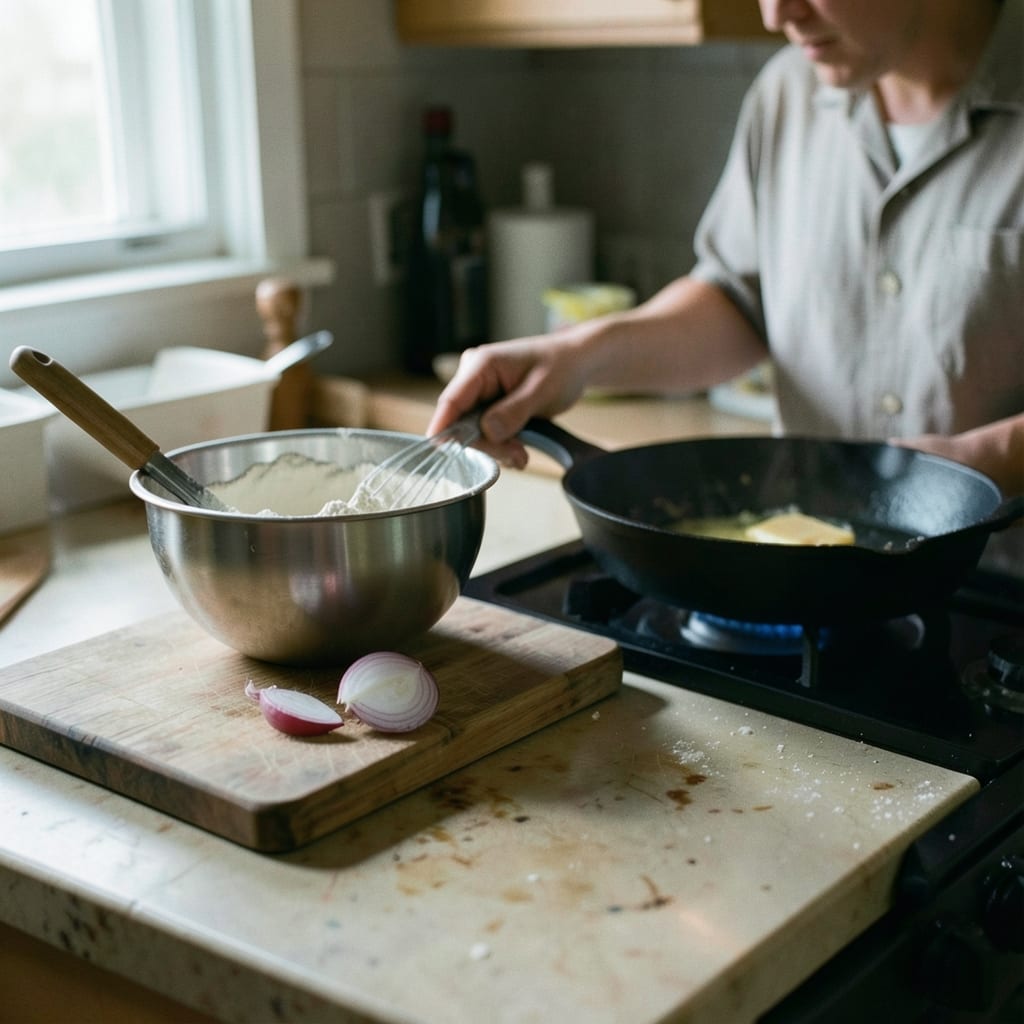
What this work is made with
This page is not a story. It is a list of things—each one a part of how *Cake Recipes Tier* is made. We publish recipes that bridge tradition and modern flavor, and the tools we use shape what you see here.
A list is more useful than a mission statement. You learn more about a kitchen from a chipped whisk than from five paragraphs about passion. These are the things that do the work.
The things that do the work
Four objects keep this site running. They are not special. They are not new. But without them, the recipes would not be the same.
The wooden rolling pin
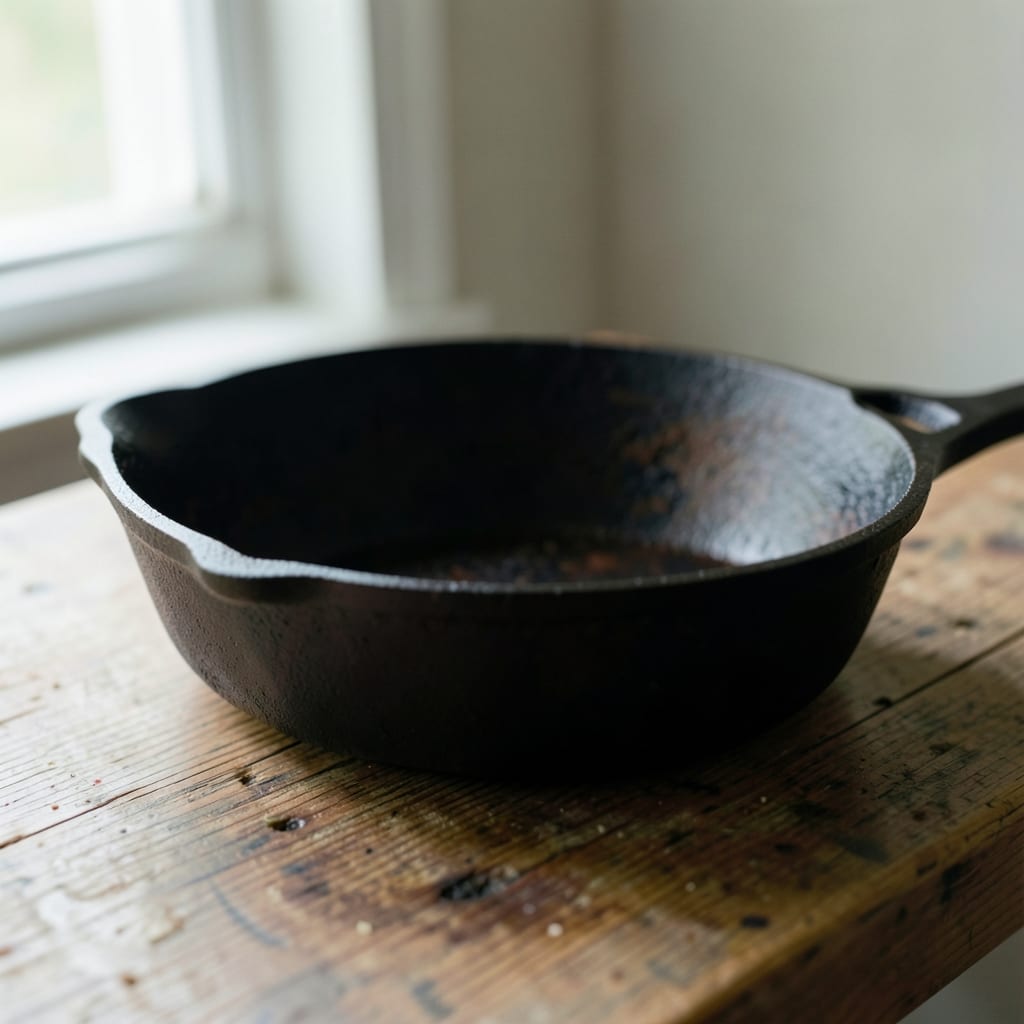
A 30-year-old pine rolling pin, its handle splintered at the base from years of use. It has been here since the first batch of sourdough starter was kneaded in 2018.
It taught us that flour dust is the real enemy of a clean kitchen. Every time the handle cracks under pressure, we remember: never rush the dough.
The enamel baking sheet
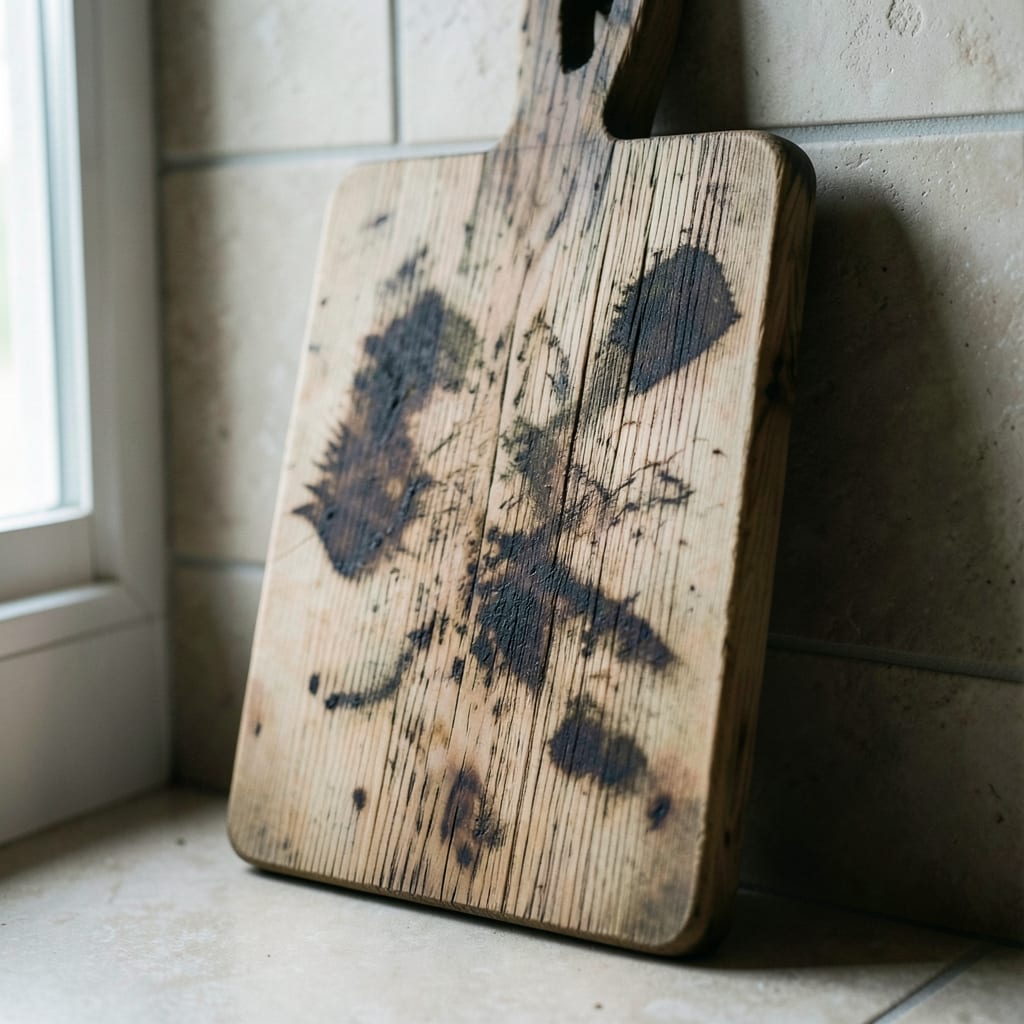
A dented, 1970s-era sheet with one handle missing, replaced by duct tape. It arrived at a flea market in 2020 and has never left the oven.
It proved that even the ugliest tools can produce golden edges. The tape has burned off twice, but we keep it—it’s the one sheet that never warps.
The silicone spatula
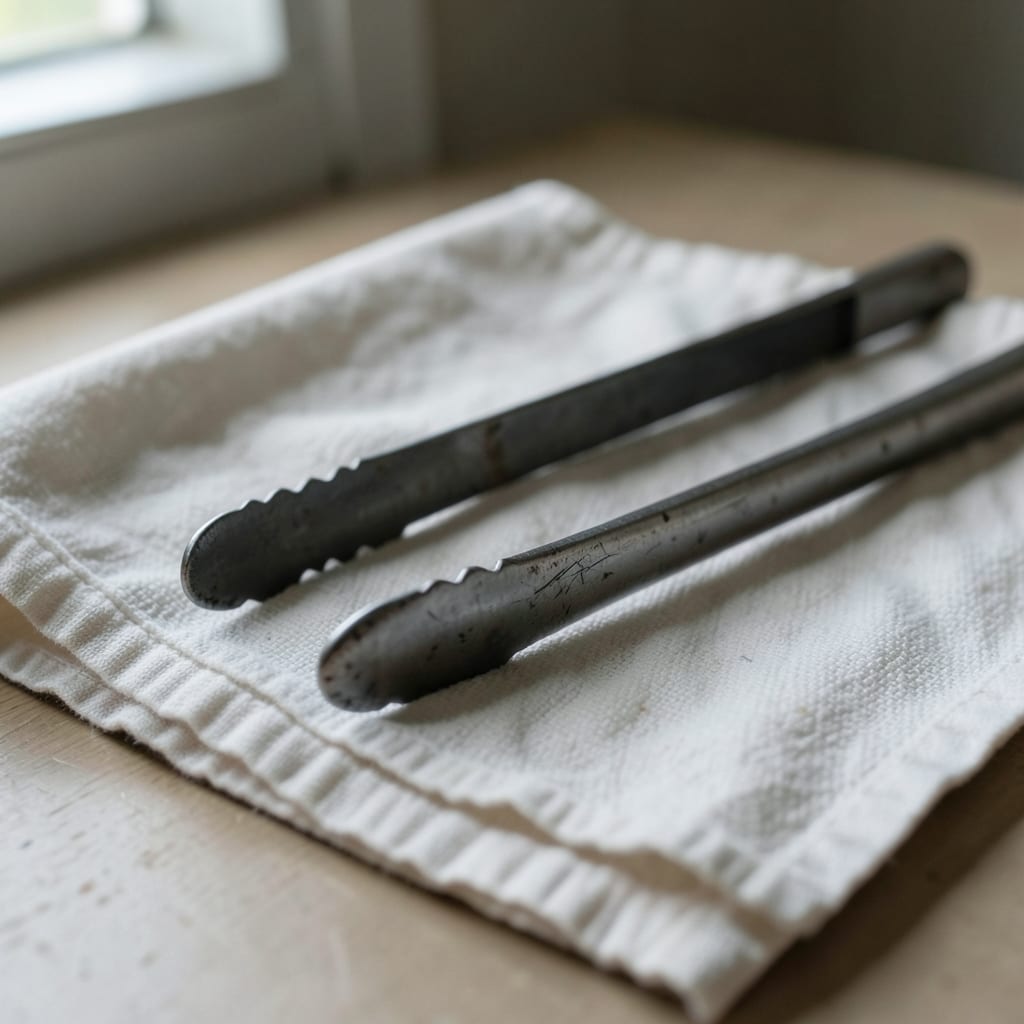
A 50p plastic spatula from a supermarket, its tip frayed from years of scraping batter. It has been here since day one, 2017.
It showed us that the cheapest tools last the longest. The fraying tip means we fold batter more gently now—no more aggressive scraping.
The cast-iron skillet
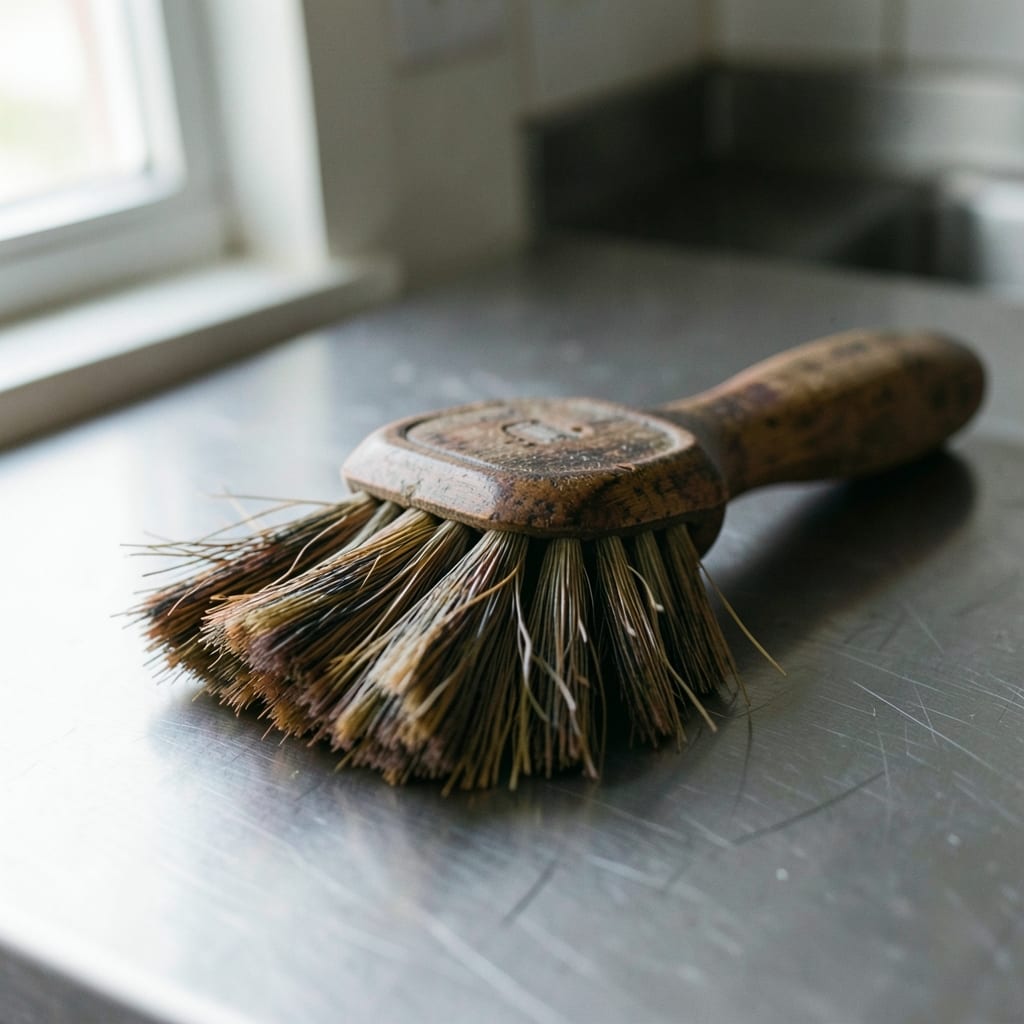
A 10-inch skillet with a handle so hot it blisters skin after 10 minutes. It was handed down from Adriana’s grandmother in 2019 and has never been polished.
It taught us that patience is the only seasoning needed. A rushed caramelization is worse than no caramelization at all.
What is not in the drawer
Some tools we refuse to use. They would change what we do here—and we choose not to let them.
Deliberately absent
- Electric mixers—hand-kneaded dough tastes better.
- Food processors—chopping by hand keeps the rhythm of cooking alive.
- Digital scales—eyeballing measurements teaches intuition.
- Nonstick pans—cast iron and enamel build flavor over time.
Behind the scenes
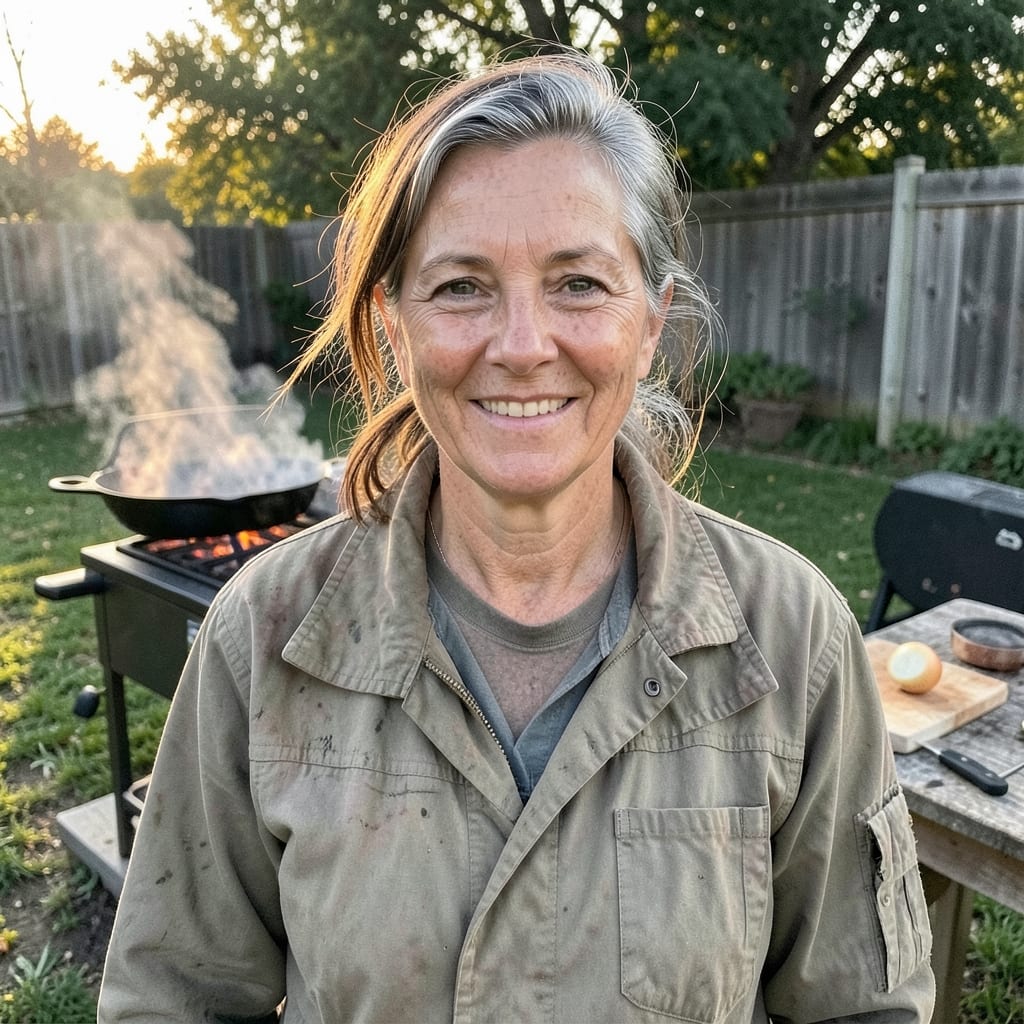
I am Adriana Novak, 25, and I edit every recipe you read here. This site is my way of sharing the meals that make me feel at home.
I grew up in a house where the oven was always on, and my grandmother taught me that the best recipes are the ones that feel like a hug. She handed me this cast-iron skillet when I turned 16—it’s the only tool I’ve never replaced.
Years of burning the edges of cakes have left me with a permanent fear of overbrowning. Now I notice it everywhere: in toast, in cookies, even in store-bought pastries. I can’t unsee it.
I am here to make sure every recipe on this site tastes like something you’d want to bake again—and again. No shortcuts, no gimmicks, just real food.
Adriana Novak, Founder & Editor. My kitchen has always been my happy place—whether I’m baking from scratch or whipping up a weeknight dinner.
Why any of this matters to you
These tools—worn, cheap, or stubbornly kept—are why the recipes here feel alive. They remind us that cooking is not about perfection, but about the little things: the crack in the rolling pin, the burn marks on the skillet, the way batter sticks to a frayed spatula.
You’ll see that in every page: the details matter. The way a cake rises, the crunch of a caramelized edge, the texture of a hand-kneaded dough. It’s not just a recipe—it’s a memory waiting to be made.
Every recipe here is tested with these tools—no fancy gadgets, just real cooking. The results? Food that tastes like it was made with care, not convenience.
The recipes are grouped by category: Appetizers, Beverages, Breakfast & Brunch, Desserts, Main Courses and Reviews.