
Desserts
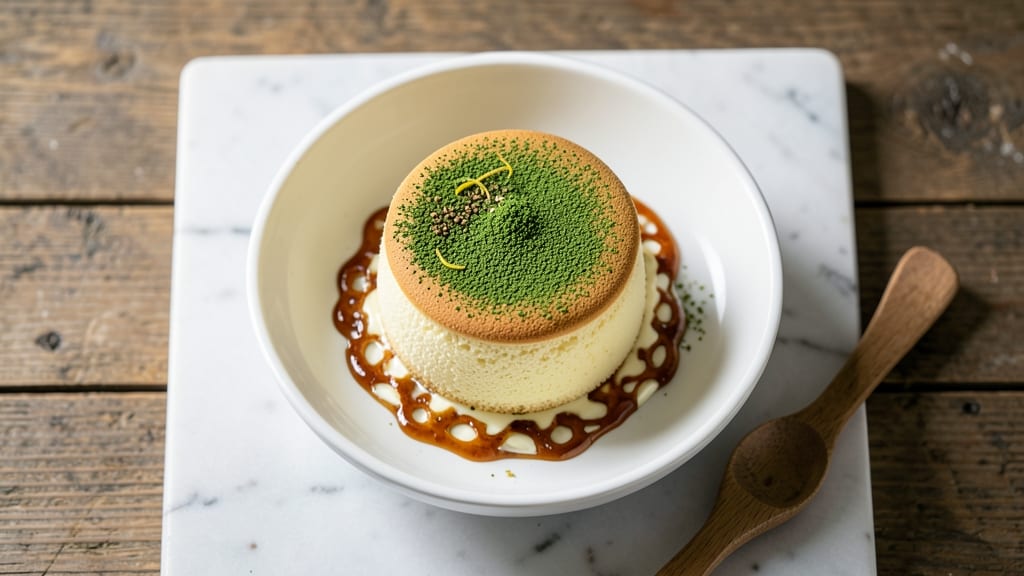
This Asian style sponge cake delivers layers so light they practically dissolve on your tongue, infused with earthy matcha that transforms a simple dessert into something extraordinary.
The secret lies in precise technique—whisking eggs to ribbons, folding in delicate flour mixtures, and baking at just the right temperature to create that signature airy texture.
I've perfected this recipe after years of testing, ensuring every slice has that perfect balance of tender crumb and subtle matcha flavor that feels both nostalgic and refined.
The foundation starts with high-quality ingredients: cake flour for tender layers, fresh eggs for structure, and a touch of matcha powder that adds depth without overpowering. What sets this apart is the gentle folding method that incorporates air at each stage, creating those signature light-as-air layers.
Unlike dense sponge cakes, this version stays moist for days while maintaining its elegant texture—ideal for special occasions or when you want to impress with minimal effort.
Once baked, the cake emerges with a golden crust and delicate interior that's impossible to resist. Dusting with powdered sugar or drizzling with a light syrup elevates it further, making it perfect for celebrations or as a sophisticated afternoon treat.
The matcha infusion adds a sophisticated twist that pairs beautifully with tea or coffee, while the tender layers ensure every bite is a revelation.
Whether you're recreating a classic Japanese sponge cake or adding your own cultural twist, this recipe delivers restaurant-quality results at home. The technique is approachable yet precise, making it ideal for both beginners and experienced bakers. Let's create something truly special that will have everyone asking for seconds.
Ingredients for asian style sponge cake
High-quality ingredients transform simple techniques into restaurant-worthy matcha sponge cake layers.
| Ingredient | Amount | Notes |
|---|---|---|
| Large Egg Whites 🥚 | 8 whole | Room temperature, separated carefully |
| Large Egg Yolks 🥚 | 4 whole | Room temperature, separated carefully |
| Granulated Sugar 🍚 | 1 ½ cups | Superfine preferred for smooth texture |
| Cake Flour 🌾 | 2 cups | High-quality, sifted thoroughly |
| Japanese Matcha Powder 🍵 | 2 tbsp | Ceremonial grade for optimal flavor |
| Unsalted Butter 🧈 | ½ cup | Cold, cubed for precise melting |
| Rice Vinegar 🍶 | 1 tbsp | White, for delicate acidity |
| Vanilla Extract 🌸 | 1 tsp | Pure Madagascar preferred |
| Salt 🧂 | ¼ tsp | Fine sea salt for balance |
| Powdered Sugar 🍚 | ½ cup | For dusting, sifted |
| Light Corn Syrup 🍯 | 2 tbsp | For moisture retention |
The matcha powder is non-negotiable for authentic flavor—Ito En or Marukyu-Koyamaen brands deliver the finest ceremonial grade available. Cake flour is essential here; all-purpose will yield a denser texture. For the eggs, room temperature is critical—they should be separated gently to avoid yolk contamination, and the whites whisked to stiff peaks. The butter should be cold and cubed when melting to prevent over-creaming, which can weigh down the delicate structure. Sift all dry ingredients thoroughly to eliminate any lumps that could disrupt the airy texture.
No matcha powder? Substitute 1 tbsp high-quality green tea powder (finely ground), though the flavor will be less refined. Running short on cake flour? Replace with 1.75 cups all-purpose flour minus 2 tbsp, but expect slightly denser layers. For the syrup, honey or agave nectar can substitute corn syrup at a 1:1 ratio, though the cake may dry out faster. The rice vinegar adds subtle tang—apple cider vinegar works in a pinch, but reduce to 0.75 tbsp to avoid over-acidifying. When sifting powdered sugar for dusting, use a fine-mesh sieve to avoid grainy texture on the finished cake.
Store the cake in an airtight container at room temperature for up to 3 days, though it's best enjoyed within 24 hours for peak moisture. For longer storage, wrap tightly in plastic wrap and refrigerate for up to 5 days. Freezing is possible but not recommended—matcha sponge cakes lose their delicate texture when thawed. To maintain freshness, avoid cutting until fully cooled, and use a serrated knife for clean slices. The cake pairs beautifully with jasmine or matcha tea, enhancing its earthy notes.
Why You'll Love This Recipe
- No Whisk Fatigue: I swear by this method—just egg whites, yolks, and sugar whipped to airy perfection. No stand mixer required; my trusty hand mixer does the job in minutes while I sip tea and pretend I’m not actually baking. The secret’s in the slow, steady folding of flour and matcha—no overmixing, no stress.
- Matcha Magic: That first bite? Earthy, vibrant, and just sweet enough to make you pause. The Japanese matcha isn’t overpowering—it’s a whisper of umami that turns a simple sponge into something special. Honestly, I’d argue it’s the star, but the light, fluffy texture lets it shine without stealing the show.
- Layered Like a Pro: Slice it thin for finger sandwiches, stack it for a towering dessert, or cube it into tiramisu. The recipe’s unfussy layers hold up perfectly—no soggy middle, no crumbling edges. Between us, I’ve served it at brunch, as a snack with coffee, and even as a late-night treat. It’s that adaptable.
Step-by-step instructions for Asian style sponge cake
This method delivers delicate, airy layers with perfect matcha infusion—every fold matters.
Prepare Egg Whites for Maximum Volume
Separate the 8 whole large egg whites and yolks carefully, ensuring no yolk traces contaminate the whites. Place the whites in a clean, grease-free mixing bowl—any fat residue will prevent proper whipping. Add the 0.25 teaspoon salt and 1 tablespoon rice vinegar to the whites, then whisk gently to combine.
Using a stand mixer fitted with the whisk attachment, beat the whites on low speed until foamy. Gradually increase to high speed and begin adding the 1.5 cups granulated sugar in 3 additions, about 1 tablespoon at a time. Stop mixing between additions to scrape down the bowl and ensure even incorporation. The whites are ready when they form stiff peaks that hold their shape when the whisk is lifted—this typically takes 5-7 minutes. The bowl should feel cool to the touch, indicating proper aeration.
Fold in Yolks and Matcha for Even Distribution
In a separate bowl, combine the 4 whole large egg yolks, 2 tablespoons Japanese matcha powder, 1 teaspoon vanilla extract, and the remaining 1.5 cups granulated sugar. Whisk vigorously until the mixture is pale yellow and fully emulsified—this prevents matcha from settling. The matcha should be evenly dispersed with no visible clumps.
Gently fold one-third of the egg white mixture into the yolk mixture using a spatula, cutting through the center to incorporate air. Then, fold in the remaining egg whites in two equal additions, being careful not to deflate the batter. The matcha should be evenly distributed with no streaks, and the batter should hold its shape when lifted with the spatula. Sift the 2 cups cake flour over the batter and fold just until combined—overmixing will develop gluten and make the cake dense.
Layer and Bake for Light, Airy Texture
Preheat the oven to 350°F and line three 8-inch round cake pans with parchment paper, greasing lightly with 0.5 cup unsalted butter melted and cooled. Divide the batter evenly among the pans—each should receive about one-third of the total. The batter will be thin and delicate, resembling heavy cream.
Bake for 20-25 minutes until the edges are golden brown and a toothpick inserted into the center comes out clean. Rotate the pans halfway through baking for even browning. Immediately after removing from the oven, invert the cakes onto a wire rack to cool completely—this prevents soggy layers. The cakes should spring back when pressed gently and have a light, airy crumb with subtle matcha flecks.
Assemble with Buttercream and Dust with Matcha
Melt the 0.5 cup unsalted butter in a heatproof bowl over simmering water, then whisk in the 0.5 cup powdered sugar and 2 tablespoons light corn syrup until smooth. Allow the buttercream to cool slightly—it should be spreadable but not runny. Place one cake layer on a plate, spread a thin layer of buttercream, then repeat with the remaining layers, finishing with the top layer.
Chill the assembled cake for 30 minutes to set the buttercream. Before serving, dust the top and sides generously with the remaining 2 tablespoons Japanese matcha powder sifted through a fine mesh strainer for an elegant finish. The final cake should have distinct layers, a velvety texture, and a delicate matcha aroma that lingers with each bite.
Pro Tips For Making Asian Style Sponge Cake
- Whip Whites to Stiff Peaks: Stop when the meringue forms soft peaks that hold their shape when you lift the whisk—overwhipping turns your cake into matcha-flavored gum. I learned this the hard way after a batch collapsed like a sad soufflé. For this recipe, room-temperature whites whip faster, so take them out 30 minutes early if your kitchen’s cold.
- Sift Matcha with Sugar: Mix the matcha powder into the sugar before folding it into yolks—this prevents clumping and ensures even color. I used to sprinkle it on top, and half the time it settled like dust at the bottom. A fine-mesh sieve makes this even easier, but even a fork works in a pinch.
- Don’t Overmix the Batter: Fold the egg whites into yolks gently—just until combined—like you’re tucking in a newborn, not kneading dough. Overmixing deflates the air and gives you a dense, brick-like cake. Use a spatula and cut through the center to check for streaks.
- Bake Until Springy: Test doneness by pressing the center lightly—it should spring back immediately, not slowly. My first few batches came out underbaked because I trusted the timer over the touch test. For this recipe, 160°F (71°C) internal temp is your target, but pull it when the edges pull away cleanly too.
Storing and reheating your asian style sponge cake
Room Temperature Storage
Keep your matcha sponge cake at room temperature in an airtight container for up to 3 days—this preserves its signature lightness. I use a glass cake carrier with a tight-sealing lid to prevent moisture loss.
The cake will stay freshest when stored away from direct sunlight or heat sources, like your oven. For best texture, let it fully cool before sealing and avoid stacking heavy items on top. 🌟
Refrigeration for Extended Freshness
If you need to store it longer than 3 days, refrigerate the cake wrapped tightly in plastic wrap for up to 5 days. The cold helps maintain moisture, but the texture may become slightly denser.
To serve, bring it to room temperature for 30 minutes before slicing—this prevents a chilled bite. I recommend refrigerating only if you're prepping for a multi-day event. ❄️
Reheating Slices
For individual slices, reheat in the microwave for 10-15 seconds on 50% power to restore softness. Cover the slice with a damp paper towel to prevent drying. Alternatively, warm in a 200°F oven for 5-7 minutes on a wire rack—this method keeps the layers delicate.
Never reheat the whole cake at once, as the heat will make the edges tough. 🔥
Freezing Limitations
While possible, freezing isn't ideal for this delicate cake. If you must, wrap each layer individually in plastic wrap and place in a freezer bag for up to 1 month.
Thaw overnight in the fridge, then bring to room temperature before serving. The texture may lose some airiness, but the matcha flavor remains intact. For best results, avoid freezing altogether. ❄️
Reviving Dry Edges
If your cake develops dry edges after storage, brush them lightly with a simple syrup** (equal parts sugar and water, heated until dissolved). This restores moisture without altering the matcha flavor.
For a quick fix, place a damp paper towel over the edges for 5 minutes before serving. The key is to work quickly—matcha sponge cakes are best enjoyed fresh! 💫
Serving After Storage
Always dust with powdered sugar or matcha powder before serving to refresh the presentation. If the cake has absorbed moisture from storage, let it sit uncovered for 10 minutes to evaporate excess dampness.
Serve with a side of hot matcha tea to complement the flavors. The cake's delicate structure is best enjoyed within 24 hours of baking for peak texture. 🍵
Nutrition facts
Frequently asked questions
Why does this Asian-style sponge cake turn out so light?
The secret lies in the egg white technique—whisking them to stiff peaks incorporates maximum air, while the gentle folding method preserves that structure. Using cake flour (not all-purpose) and avoiding overmixing keeps the crumb delicate. The matcha infusion also adds subtle moisture without heaviness.
Can I substitute all-purpose flour for cake flour?
Yes, but expect a slightly denser texture. Replace 2 cups cake flour with 1.75 cups all-purpose flour minus 2 tbsp. For best results, sift thoroughly and avoid overmixing. The cake will still be delicious, just less airy.
How do I prevent matcha from settling at the bottom?
Whisk the matcha thoroughly with the yolks and sugar until fully emulsified—this creates a smooth paste that distributes evenly. Fold it gently into the egg whites in two additions, cutting through the center to blend completely. The final batter should have no visible streaks.
What if my cake rises unevenly or has domed tops?
This usually happens from overmixing or uneven heat distribution. Rotate pans halfway through baking and avoid opening the oven door. For next time, use 350°F consistently and ensure your oven racks are centered. A light tap on the cake pan can also help settle the batter before baking.
Can I make this cake without buttercream?
For a simpler version, brush the cooled layers with simple syrup** (equal parts sugar and water) and stack them directly. Dust generously with powdered sugar or matcha powder for decoration. This creates a lighter, more traditional Asian-style presentation.