
Desserts
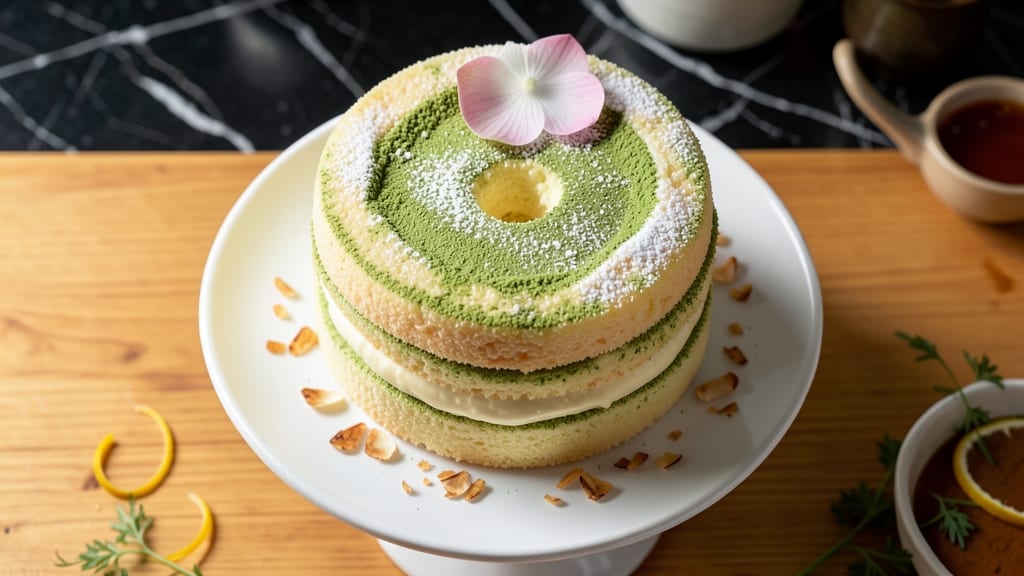
This Asian vanilla sponge cake delivers a delicate balance of fragrant vanilla and earthy matcha—a fusion that transforms traditional baking into something unexpectedly sophisticated. The secret lies in separating egg yolks and whites for a light, airy texture while incorporating Asian-inspired flavorings like pandan extract or toasted coconut milk.
What sets this recipe apart is how it achieves both elegance and simplicity, perfect for special occasions or everyday indulgence.
Professional bakers know the difference between a dense sponge and one that's impossibly tender, and this method guarantees the latter through careful whisking and gentle folding. The matcha twist adds depth without overpowering, creating a subtle complexity that makes this cake stand out.
With just 15 minutes of active prep and 30 minutes in the oven, you'll have a cake that looks like it came from a patisserie.
The result is a cake with a fine, even crumb and a delicate vanilla-matcha aroma that fills your kitchen as it bakes. The exterior stays moist for days, while the interior remains light and fluffy—ideal for slicing into perfect portions.
Whether you're hosting a tea party or simply treating yourself, this recipe delivers restaurant-quality results at home.
For extra flair, top with toasted coconut flakes or a light fruit compote, but the cake's beauty lies in its simplicity. The instructions are designed to guide even beginners through the process, ensuring foolproof success every time. Let's get started on creating this elegant dessert masterpiece.
Ingredients for asian vanilla sponge cake
Six eggs, two cups sugar, and a whisper of matcha—this elegant sponge balances tradition with Asian sophistication.
| Ingredient | Amount | Notes |
|---|---|---|
| Large Eggs 🥚 | 6 whole | Room temperature for best results |
| Granulated White Sugar 🍚 | 1 ½ cups | Superfine preferred for smooth texture |
| Unsalted Butter 🧈 | 1 cup | Room temperature, not melted |
| All-Purpose Flour 🌾 | 1 ½ cups | Sifted for lightest texture |
| Pure Vanilla Extract 🍯 | 1 tbsp | High-quality Madagascar bourbon |
| Matcha Powder 🍃 | 1 tbsp | Ceremonial grade for delicate flavor |
| Pandan Extract 🌿 | ½ tsp | Optional for Asian-inspired depth |
| Toasted Coconut Milk 🥥 | ¼ cup | Substitute with regular coconut milk |
| Baking Powder 🧂 | ½ tsp | Aluminum-free for best results |
| Salt 🧂 | ¼ tsp | Fine sea salt preferred |
| Cream of Tartar 🧂 | ¼ tsp | Stabilizes egg whites |
| Toasted Coconut Flakes 🥥 | ¼ cup | For garnish, optional |
The matcha and vanilla extracts are where this cake shines. Ceremonial grade matcha from Ippodo Tea or Matcha Kari gives the cleanest flavor without bitterness. For vanilla, Madagascar bourbon extract adds depth—skip the imitation stuff. The pandan extract is optional but transforms this into a true Asian-inspired cake; Trader Joe's carries it in their baking aisle. Toast your coconut milk by simmering it with a pinch of salt for 5 minutes, then cooling—this adds richness that regular milk can't match. Butter should be at 65°F when mixed, so take it out 30 minutes before starting. Flour? King Arthur or Gold Medal brands are ideal for consistent results.
No matcha? Substitute with 1 tsp instant espresso powder for a mocha twist, though the flavor won't be identical. Running short on pandan? Double the vanilla extract and add 0.25 tsp almond extract for a similar floral note. For coconut milk, full-fat canned coconut milk works in a pinch, but toast it first. The baking powder is non-negotiable—aluminum-free versions prevent metallic aftertaste. If you're gluten-sensitive, swap flour for a 1:1 gluten-free baking flour blend, but expect a slightly denser crumb. For extra moisture, add 1 tbsp apricot jam to the batter before baking. The coconut flakes can be omitted if you prefer a cleaner finish.
This cake keeps beautifully for 4 days in an airtight container at room temperature, wrapped in plastic. For longer storage, freeze slices wrapped individually for up to 3 months. The texture actually improves after 24 hours as the crumb stabilizes. To serve, dust with powdered sugar or drizzle with a vanilla glaze (equal parts powdered sugar and milk). For presentation, arrange slices on a parchment-lined tray and garnish with toasted coconut flakes right before serving. The cake reheats well in a 250°F oven for 5 minutes if you prefer it warm.
Why You'll Love This Recipe
- No Stand Mixer Needed: I swear by the creaming method here—just eggs, sugar, and butter beaten by hand until light. No fancy equipment, no stress, and that fluffy texture? Pure magic from elbow grease.
- Vanilla Buttercream Ready: Between us, the sponge itself is ridiculously good—but the real star is how it soaks up vanilla buttercream. (Yes, even store-bought.) Slice it fresh, or save half for tomorrow’s dessert. No waste.
- Tea Pairing Perfection: Honestly, this cake was made for afternoon tea. The delicate crumb and vanilla warmth cut through bitterness—try it with jasmine or oolong. My go-to when guests drop by unannounced.
- Budget Bakery Hack: Flour, eggs, butter—these are pantry staples you already own. No specialty ingredients, no markup like store-bought. I’ve made this for birthdays, potlucks, and my lazy Sundays. Always a win.
Step-by-step instructions for Asian vanilla sponge cake
A delicate balance of flavors and textures awaits—here's how to create a light, fragrant sponge with perfect structure.
Prepare the Egg and Sugar Mixture
Separate the 6 whole large eggs, placing yolks in one bowl and whites in another. I use a wire whisk for this step—it's more precise than a fork. Add the 1.5 cups granulated white sugar to the yolks and beat vigorously over a double boiler (or heatproof bowl over simmering water) until the mixture reaches 160°F and triples in volume.
This temperature is critical—it ensures proper aeration without cooking the eggs. You'll know it's ready when the mixture is pale, thick, and forms soft peaks. If you don't have a thermometer, test by lifting the whisk: the mixture should hold its shape but still be pourable. Let it cool slightly to room temperature before proceeding.
Incorporate Butter and Dry Ingredients
Add the 1 cup unsalted butter to the yolk mixture and beat until fully combined and the mixture is smooth. In a separate bowl, sift together the 1.5 cups all-purpose flour, 0.5 teaspoon baking powder, 0.25 teaspoon salt, 1 tablespoon matcha powder, and 0.5 teaspoon pandan extract. Gently fold these dry ingredients into the butter-egg mixture using a spatula.
Here's the thing—fold just until combined. Overmixing develops gluten, which makes the cake dense. You're looking for a smooth, homogeneous batter with no visible flour streaks. The matcha and pandan will give subtle earthy notes that complement the vanilla perfectly. If the batter looks too thick, add the 0.25 cup toasted coconut milk gradually until it reaches a light, pourable consistency.
Whip the Egg Whites to Stiff Peaks
In a clean, grease-free bowl, beat the egg whites with the 0.25 teaspoon cream of tartar until soft peaks form. Gradually add the 1 tablespoon pure vanilla extract as you continue whipping. The cream of tartar stabilizes the whites, giving you stiffer peaks that fold more cleanly into the batter.
You'll know you've achieved stiff peaks when you lift the whisk and the meringue holds its shape, standing upright for several seconds. This step is what gives the cake its signature lightness. If your kitchen is humid, you might need to add the whites in stages to maintain volume. Work quickly but deliberately—rushing can deflate the air you've incorporated.
Fold Egg Whites into Batter
Using a spatula, gently fold one-third of the whipped egg whites into the yolk mixture to lighten it. Then, add the remaining egg whites in two additions, folding just until fully incorporated. The key here is patience—don't overmix. You want to preserve as much air as possible while combining the two components.
This is where the cake's texture is made or broken. The batter should be thick but still able to hold its shape when spooned. If it looks too thin, you've overmixed; if it's too thick, you haven't incorporated enough air. The ideal consistency is like heavy cream—smooth and glossy with no streaks of white. Once combined, let the batter rest for 10 minutes at room temperature to allow the flour to fully hydrate.
Bake to Golden Perfection
Preheat your oven to 350°F and grease two 8-inch round cake pans thoroughly. Line the bottoms with parchment paper for easy removal. Divide the batter evenly between the pans and smooth the tops with a spatula. Bake for 25-30 minutes or until a toothpick inserted in the center comes out clean and the edges are lightly golden.
Don't open the oven during baking—this causes the cakes to sink. The reason we bake at this temperature is that it creates a tender crumb while ensuring even cooking. When you remove them from the oven, let the cakes cool in their pans for 10 minutes before transferring to a wire rack to cool completely. This gradual cooling prevents cracking. Once fully cooled, you can layer with coconut whipped cream or dust with matcha powder for presentation.
Pro Tips For Making Asian Vanilla Sponge Cake
- WHIP EGGS TO STIFF PEAKS: I used to stop when the meringue looked "fluffy enough," but this cake demands real structure—whip the eggs until they hold a peak that doesn’t wobble when you lift the whisk. Cold bowl, room-temperature eggs, and a few extra minutes here make all the difference.
- MELT BUTTER SLOWLY: Dumping butter into hot sugar? Bad move. Warm the butter and sugar together over a double boiler until the butter just melts—no browning, no lumps. I learned this the hard way after a batch turned out greasy instead of silky.
- SIFT FLOUR LAST MINUTE: Flour absorbs moisture like a sponge. Sift it right before folding it into the egg mixture, and keep the bowl covered until you’re ready. This keeps the batter light and prevents a dense, dry crumb—your future self will notice the difference.
- BAKE UNTIL SPRINGY: The cake’s done when it bounces back slowly when pressed, not when the top looks golden. Overbaking dries it out, and underbaking leaves it gummy. A toothpick test is fine, but trust your fingers more—they won’t lie.
Perfect pairings for this dish
Tea Pairings
This cake's delicate vanilla-matcha flavor shines with jasmine green tea—its floral notes complement the pandan and coconut beautifully. I recommend a lightly brewed cup (2 minutes in 175°F water) to avoid overpowering the cake's subtle sweetness.
For a bolder contrast, try houjicha (roasted green tea), which adds a nutty warmth that pairs wonderfully with the toasted coconut topping. 🍵
If you prefer black tea, Earl Grey with its bergamot citrus adds a refreshing brightness. Brew it strong (3-4 minutes) and serve it chilled for a summer dessert experience. For an Asian-inspired tea pairing, genmaicha (green tea with roasted rice) provides a toasty, earthy contrast that enhances the matcha's depth.
Coffee Complements
A light roast coffee with notes of caramel and vanilla—like Ethiopian Yirgacheffe—creates a perfect balance with the cake's sweetness. Brew it as a cortado (equal parts espresso and steamed milk) to keep it smooth and not overpowering.
The coffee's acidity cuts through the richness of the coconut milk while the vanilla notes harmonize beautifully with the cake's flavor profile. ☕
For a dessert coffee, try a matcha latte made with ceremonial grade matcha (same as in the cake) and steamed milk. The earthy matcha in both the cake and drink creates a cohesive experience.
If you prefer dark coffee, a cold brew concentrate with a splash of coconut milk makes an excellent pairing that mirrors the cake's tropical elements.
Fruit Compote
Top your cake with a passion fruit compote made by simmering 1 cup passion fruit pulp, 2 tbsp sugar, and 1 tbsp water for 5 minutes. The tartness of passion fruit cuts through the cake's sweetness while adding a vibrant color.
For a tropical twist, try a mango-coconut compote by blending 1 cup ripe mango with 2 tbsp coconut milk and a pinch of salt. 🍈
Berry compotes work beautifully too—simmer 1 cup mixed berries with 1 tbsp honey and a splash of vanilla extract for 8-10 minutes until thickened. The berries' acidity enhances the cake's vanilla notes, creating a perfect balance.
For a more decadent option, drizzle with dark chocolate ganache (melt ½ cup dark chocolate with ¼ cup heavy cream), which adds a luxurious finish.
Whipped Cream
Replace traditional whipped cream with coconut whipped cream for an authentic Asian touch. Whip 1 cup chilled coconut cream (the thick part from a can of coconut milk) with 2 tbsp powdered sugar and 1 tsp vanilla extract until fluffy.
The coconut flavor echoes the cake's ingredients while adding a light, airy texture. For extra flair, toast ½ cup coconut flakes in a dry pan until golden and sprinkle over the whipped cream. 🥥
For a classic option, use vanilla bean whipped cream—whip 1 cup heavy cream with 2 tbsp powdered sugar and the seeds from one vanilla bean. The vanilla intensifies the cake's flavor while providing a smooth, creamy contrast.
For a modern twist, infuse the cream with 1 tsp matcha powder** while whipping to create a subtle matcha-vanilla harmony throughout the dessert.
Nutrition facts
Frequently asked questions
Why does this recipe use both matcha and vanilla?
The combination creates a perfect balance of flavors—vanilla provides warmth and sweetness while matcha adds an earthy depth. This fusion is inspired by traditional Asian desserts that often blend familiar sweet notes with subtle herbal undertones. The matcha enhances the vanilla's aroma without overpowering it, resulting in a sophisticated yet approachable flavor profile.
Can I make this cake without matcha powder?
Substitute with 1 teaspoon instant espresso powder for a mocha twist or 1 teaspoon almond extract for a floral note. For a neutral option, simply increase the vanilla extract to 2 tablespoons and reduce the pandan to 0.25 teaspoon. The cake will still be delicious—just with a different flavor profile.
How do I prevent my cake from sinking in the middle?
Preheat your oven thoroughly and avoid opening it during the first 20 minutes of baking. Use room-temperature eggs and butter, and don't overmix the batter. For extra insurance, place the cake pans on a baking sheet lined with parchment paper to catch any potential drips. The key is patience—let the cake set completely before removing it from the pans.
What's the best way to store leftover cake?
Wrap individual slices tightly in plastic wrap and store them in an airtight container at room temperature for up to 4 days. For longer storage, freeze slices wrapped individually for up to 3 months. The cake actually improves after 24 hours as the crumb stabilizes—this is why many bakeries sell cakes a day after baking!
Can I use this recipe for a gluten-free version?
Yes, but expect a slightly denser texture. Replace the all-purpose flour with a 1:1 gluten-free baking flour blend (like Bob's Red Mill) and add 0.5 teaspoon xanthan gum to improve structure. You may also need to reduce the coconut milk by 1 tablespoon to compensate for the blend's moisture content.