
Desserts
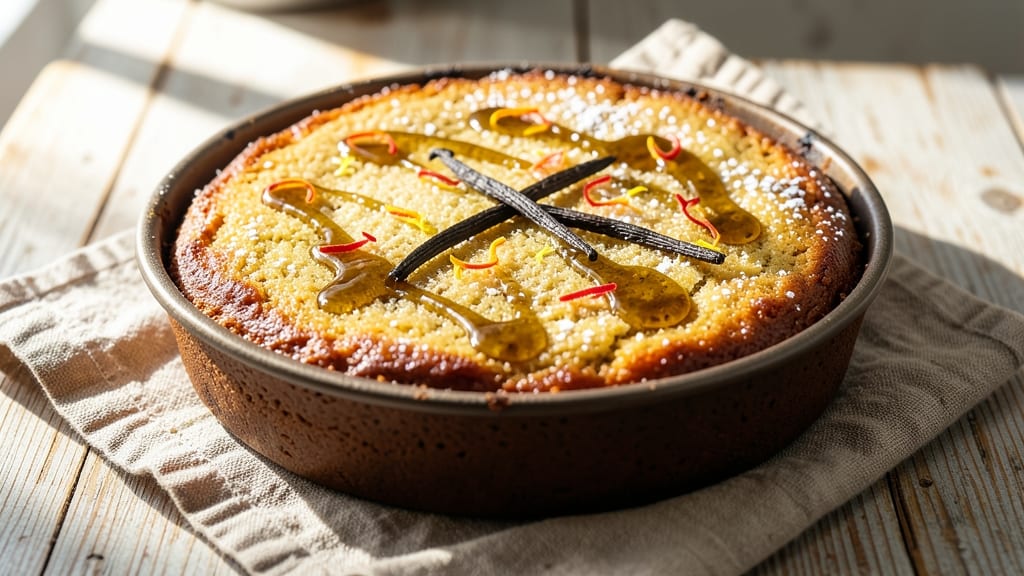
This almond flour olive oil cake delivers a moist crumb and bright citrus notes that make every slice feel like a celebration.
The secret lies in the perfect balance of almond flour, extra-virgin olive oil, and a touch of citrus zest—transforming simple ingredients into a tender, naturally sweet dessert that’s as nutritious as it is indulgent.
Unlike dense flour-based cakes, this version stays light and airy, with a subtle nuttiness that pairs beautifully with fruit compote or coconut whipped cream.
The beauty of this recipe is its foolproof technique—no fancy equipment, just a few pantry staples and 30 minutes of active time. The olive oil keeps the cake incredibly moist, while citrus zest adds a refreshing lift that cuts through the richness.
Whether you're baking for a special occasion or a weeknight treat, this cake delivers restaurant-quality texture without the guilt of refined flour.
What makes this recipe stand out is its versatility. Swap in vanilla extract for a floral twist, add cinnamon for warmth, or keep it simple with just lemon zest. The result? A tender, golden cake with a delicate crumb that crumbles just enough to hold sauces beautifully.
It’s the kind of dessert that feels luxurious yet effortless—perfect for those who love baking but prefer recipes that don’t require exacting precision.
Serve it warm with a drizzle of honey or chilled with a dollop of coconut yogurt for a dessert that’s as impressive as it is delicious. The best part? It’s naturally gluten-free, grain-free, and vegan, making it a crowd-pleaser for any dietary preference. Let’s get baking!
Ingredients for almond flour olive oil cake
Eight simple ingredients transform into a tender, citrus-kissed cake that's naturally sweet and utterly indulgent.
| Ingredient | Amount | Notes |
|---|---|---|
| Superfine Almond Flour 🥜 | 2 ½ cups | Blanched almond flour preferred |
| Extra-Virgin Olive Oil 🫒 | 1 cup | Light or fruity variety |
| Coconut Sugar 🍯 | 1 cup | Or granulated sugar |
| Unsweetened Almond Milk 🥛 | ¾ cup | Barista-style for creaminess |
| Fresh Lemon Zest 🍋 | 2 tbsp | Finely grated, no pith |
| Vanilla Extract 🌿 | 1 tbsp | Pure Madagascar preferred |
| Baking Powder 🧂 | 1 tsp | Aluminum-free preferred |
| Salt 🧂 | ½ tsp | Fine sea salt preferred |
| Lemon Juice 🍋 | 2 tbsp | Freshly squeezed |
| Orange Zest 🍊 | 1 tbsp | Optional for extra brightness |
| Coconut Oil 🥥 | 2 tbsp | Melted for greasing |
The almond flour is the star here—Bob's Red Mill or Anthony's Goods are my go-tos for that ultra-fine texture. Blanched almond flour has a milder flavor, but toasted works too if you want extra nuttiness. For the olive oil, California Avocado Ranch or Colavita varieties shine with their fruity notes. The coconut sugar adds caramel depth without the harshness of white sugar, but organic cane sugar works perfectly if that's what you've got. Fresh lemon zest is non-negotiable—organic lemons from the grocery store's produce section work best, just make sure to remove all the bitter pith. Pro tip: Zest two lemons and freeze the rest for future recipes.
No almond flour? Hazelnut flour or cashew flour works in a pinch, though the texture will be slightly denser. Swap coconut sugar for maple syrup (0.75 cup) minus 2 tbsp liquid, but reduce the almond milk by 2 tbsp to balance moisture. The baking powder must be fresh—if it's over a year old, toast it in the oven for 10 minutes to revive it. For extra moisture, add 1 tbsp aquafaba (chickpea brine) instead of reducing almond milk. The orange zest is optional but worth it—Navel oranges have the brightest flavor. If you can't find fresh citrus, citric acid (1/4 tsp) plus 1 tbsp sugar mimics the tang.
This cake keeps beautifully—3 days at room temperature wrapped in parchment, or 1 week refrigerated. For longer storage, slice and freeze portions for up to 3 months. The best part? It tastes even better the next day as the flavors meld. I always bake mine in a 9-inch round pan for perfect slices, but a loaf pan works too—just reduce baking time by 10-15 minutes. Serve warm with a drizzle of honey or agave for extra decadence, or chill and top with coconut whipped cream for a tropical twist.
Why You'll Love This Recipe
- No Mixer Needed: I swear by this recipe when my hands are full or I’m too tired to crank up the KitchenAid. The almond flour just folds in with the olive oil—no beating, no lumps, no stress. Honestly, it’s the kind of cake that proves you don’t need fancy equipment to get results.
- Lemon-Zest Magic: That bright citrus punch from the lemon zest cuts through the richness of the olive oil and almond flour like a breath of fresh air. It’s not overly sweet, not dry—just right, with a subtle depth that makes every bite feel intentional. (Yes, even on a Tuesday night.)
- Crowd-Pleaser for Any Table: I’ve brought this to brunch, potlucks, and even as a dessert after a roast chicken—it disappears every time. The texture’s light enough for daytime but sturdy enough to hold its own with savory dishes. Between us, it’s the one dessert I never have to over-explain.
- Budget-Friendly Luxury: Almond flour feels fancy, but this recipe uses just enough to make it special without breaking the bank. The olive oil adds richness without needing butter, and coconut sugar keeps it naturally sweet. Best part? Leftovers stay moist for days—perfect for when I’m too lazy to bake again.
Step-by-step instructions for almond flour olive oil cake
Here's how to craft a tender, citrus-kissed almond flour cake with perfect moisture every time.
Prepare the Pan and Preheat the Oven
Preheat your oven to 350°F while you prepare the pan. Generously grease an 8-inch round cake pan with the 2 tablespoons melted coconut oil, ensuring every inch is coated. I like to use a pastry brush for even distribution—this prevents sticking and makes removal effortless later.
Line the bottom of the pan with parchment paper, cutting it to fit snugly. This extra layer of protection guarantees your cake won't tear when you invert it. While the oven heats, melt the coconut oil in a microwave-safe bowl in 15-second intervals, stirring between each, until fully liquid. You'll want it just warm enough to spread easily but not hot enough to burn your fingers.
Whisk Wet Ingredients to a Smooth Batter
In a large mixing bowl, combine the 1 cup extra-virgin olive oil, 1 cup coconut sugar, and 0.75 cup unsweetened almond milk. Using a hand mixer or whisk attachment, beat on medium speed for 2-3 minutes until the mixture is fully emulsified and lightened in color. This step is crucial—it ensures your cake will have that signature moist crumb.
Add the 2 tablespoons lemon juice, 1 tablespoon vanilla extract, 2 tablespoons fresh lemon zest, and 1 tablespoon orange zest (if using). Mix on low speed for 30 seconds to incorporate the citrus flavors evenly. The zest should be finely distributed—no visible specks—so the brightness shines through every bite. Here's the thing—citrus zest is potent, so don't overdo it or you'll risk bitterness.
Gently Fold in Dry Ingredients
In a separate bowl, sift together the 2.5 cups superfine almond flour, 1 teaspoon baking powder, and 0.5 teaspoon salt. This step prevents lumps and ensures even distribution of leavening. With the mixer on low speed, gradually add the dry ingredients to the wet mixture, mixing just until combined—no more than 30 seconds. Overmixing develops gluten in the almond flour, which can make your cake dense.
I like to use a silicone spatula to fold in any stubborn bits along the sides of the bowl. The batter should be thick but pourable—like a rich, citrus-infused pudding. If it looks too dry, add 1 tablespoon of almond milk at a time until it reaches the perfect consistency. Real talk: almond flour absorbs moisture differently than wheat flour, so don't be afraid to adjust.
Bake Until Golden and Springy
Pour the batter into the prepared pan and smooth the top with a spatula. Tap the pan gently on the counter 2-3 times to release any air bubbles. Bake in the preheated oven for 35-40 minutes, or until a toothpick inserted in the center comes out clean with just a few moist crumbs clinging to it.
The cake is done when the edges are golden brown and the top springs back when pressed gently. If the top browns too quickly, tent the pan with aluminum foil after 20 minutes to prevent over-browning while the center finishes cooking. The key here is patience—almond flour cakes can dry out if overbaked, so err on the side of slightly underdone.
Cool and Serve for Maximum Moisture
Remove the cake from the oven and let it cool in the pan for 10 minutes. Then, carefully run a knife around the edges to loosen it from the pan. Invert the cake onto a wire rack and let it cool completely before slicing—at least 1 hour. This resting period is non-negotiable; it allows the flavors to meld and the texture to set properly.
Slice into 8 equal wedges and serve at room temperature. The cake should be tender with a fine crumb, and the citrus notes should brighten with each bite. For extra moisture, store leftovers in an airtight container at room temperature for up to 3 days, or refrigerate for up to 5 days. I promise, this cake stays moist longer than most traditional flour cakes—thanks to that olive oil and almond flour magic.
Pro Tips For Making Almond Flour Olive Oil Cake
- Mix Almond Milk First: Almond flour hates clumps—whisk the unsweetened almond milk into the olive oil before adding it to the dry ingredients. I learned this the hard way when my first batch turned out dense; the flour absorbs liquid better when pre-mixed, especially since we’re not using eggs to bind it.
- Use Room-Temp Olive Oil: Cold olive oil from the fridge will make the batter seize up mid-mix. Let your extra-virgin olive oil sit out for 20 minutes before measuring—just enough to flow smoothly into the coconut sugar. Trust me, your cake’s texture will thank you.
- Skip the Overmixing: Once you fold in the lemon zest, stop stirring the second everything’s just combined. Overworking the batter introduces air that collapses during baking, leading to a sad, flat cake. Two turns of a spatula is all it takes—this isn’t pancake batter.
- Bake at 325°F, Not Higher: Almond flour burns faster than regular flour, and olive oil adds extra heat sensitivity. Crank the oven to 325°F and bake for 35–40 minutes—any hotter, and you’ll end up with a golden crust hiding a dense, underdone center. A toothpick should come out clean, not wet.
Dietary considerations for these flavors
Nut-Free Adaptations
While this recipe stars almond flour, it’s surprisingly adaptable for nut-free diets. Swap in sunflower seed flour (like Anthony's Goods) or oat flour (blend rolled oats into a fine powder) for a similar texture.
Use 1:1 ratio replacements, but reduce almond milk by 2 tbsp—these flours absorb moisture differently. For binding, add 1 tbsp ground flaxseed mixed with 3 tbsp water to mimic almond flour’s structure. 🌱
Gluten-Free Guaranteed
This cake is naturally gluten-free since it relies on almond flour and baking powder for structure. Always check your almond flour and baking powder labels—some brands process in shared facilities with gluten.
For extra safety, use certified gluten-free ingredients like Bob’s Red Mill almond flour and Bob’s Red Mill baking powder. The olive oil and citrus keep it tender without relying on gluten for moisture.
Vegan-Friendly Base
The recipe is 100% plant-based—no eggs, dairy, or honey. The olive oil and almond milk provide moisture and richness, while coconut sugar adds natural sweetness. For a deeper flavor, stir in 1 tbsp aquafaba (chickpea brine) when mixing wet ingredients.
It mimics egg’s binding properties without altering the cake’s light texture. The citrus zest and vanilla extract ensure it’s anything but bland. 🌿
Refined Sugar-Free
Coconut sugar and citrus zest create a naturally sweet profile without refined sugar. For a lower-glycemic option, replace coconut sugar with monk fruit sweetener (use ½ cup plus 1 tbsp erythritol for bulk).
If you prefer maple syrup, reduce it to ⅔ cup and cut almond milk by 2 tbsp to balance moisture. The olive oil keeps the cake tender despite sugar reductions—this is key for diabetic-friendly baking.
Dairy-Free Clarity
No dairy lurks in this recipe—almond milk replaces cream, and olive oil stands in for butter. For a richer mouthfeel, try full-fat coconut milk (reduce by 2 tbsp to match liquid ratios).
The citrus zest and vanilla extract mask any potential "dairy-free" aftertaste. Always check almond flour labels for dairy processing—most brands are safe, but Anthony’s Goods is a reliable choice for strict avoidance.
Low-Carb Considerations
This cake is naturally low-carb—almond flour and coconut sugar keep net carbs under 10g per serving (based on 1/8th of the cake). For even fewer carbs, swap coconut sugar for erythritol (½ cup) and reduce almond milk by 2 tbsp.
The olive oil adds healthy fats, balancing blood sugar spikes. Portion control matters: each slice has about 3g net carbs, making it a great keto-friendly dessert.
Nutrition facts
Frequently asked questions
Why does almond flour make this cake so moist?
Almond flour absorbs liquid differently than wheat flour, but the real secret is the extra-virgin olive oil. Olive oil contains natural emulsifiers that keep the cake tender and moist for days. The almond milk also adds richness without making the texture dense. Together, they create a cake that stays soft even when stored at room temperature.
Can I substitute regular flour for almond flour?
Not directly—almond flour has a completely different texture and protein structure. However, you could make a hybrid version by replacing half the almond flour with all-purpose flour, but the cake will be denser. For best results, stick with almond flour or try sunflower seed flour as a nut-free alternative. The citrus and olive oil will still shine through!
How do I prevent the cake from cracking?
Cracking usually happens from uneven baking or sudden temperature changes. Tap the pan 2-3 times on the counter before baking to release air bubbles, and avoid opening the oven door in the first 20 minutes. If your kitchen runs hot, tent the cake with aluminum foil after 20 minutes to slow browning. Let it cool gradually on a wire rack for at least 1 hour before slicing.
What’s the best way to store leftovers?
Wrap the cake tightly in plastic wrap or store in an airtight container at room temperature for up to 3 days. For longer storage, refrigerate for 5-7 days or freeze slices for 3 months. The olive oil and almond flour actually help preserve moisture better than traditional cakes—it stays tender even after refrigeration. Just bring it to room temperature before serving for the best texture.
Can I add chocolate chips or nuts?
Fold in ½ cup dairy-free chocolate chips or toasted sliced almonds when mixing the dry ingredients. For extra richness, use dark chocolate chunks (70%+ cocoa) that pair perfectly with the citrus. If adding nuts, reduce the almond flour by ¼ cup to maintain the right balance. Just be sure to distribute them evenly throughout the batter.