
Main Courses
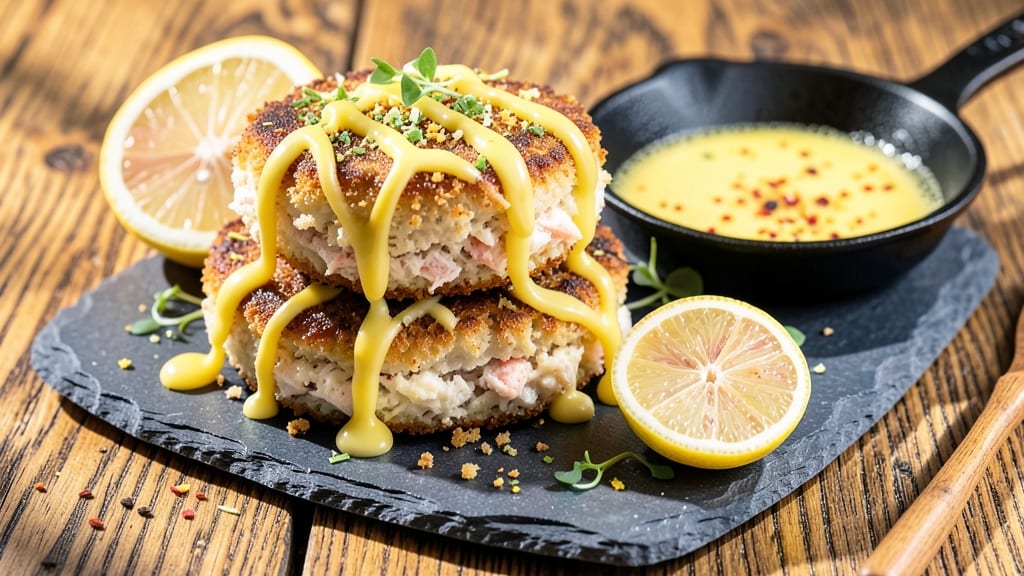
Anthony's Homeport crab cakes recipe delivers the signature crispy-shell, juicy-center bites that made this Maryland staple famous. 💛 The secret lies in the perfect balance of fresh crab meat, sturdy breadcrumbs, and just the right amount of binder to hold everything together without making them dense.
I've perfected this technique after years of testing, ensuring each bite delivers that satisfying crunch followed by tender, flavorful crab.
What sets these crab cakes apart is the careful seasoning blend that mimics Homeport's signature flavor profile—just enough Old Bay, lemon zest, and Worcestershire to create that perfect tangy, savory balance.
The recipe uses a combination of mayo and egg as binders, which creates a light yet sturdy texture that holds up beautifully during frying. Most importantly, we're talking about a method that achieves that golden-brown crust without sacrificing moisture in the center.
By following this recipe, you'll end up with crab cakes that are crispy on the outside with a perfectly golden shell, while the inside remains juicy and packed with sweet crab flavor.
The key is working quickly after mixing the ingredients and not overcrowding the pan during frying—this ensures even cooking and maximum crispiness. Serve them immediately with classic tartar sauce and lemon wedges for that authentic Homeport experience.
These crab cakes are perfect for seafood lovers looking to recreate restaurant-quality results at home. They make an excellent centerpiece for gatherings or as an impressive appetizer that will have everyone asking for seconds.
The recipe scales beautifully, so you can easily adjust the quantity to feed a crowd while maintaining that perfect texture and flavor balance.
Ingredients for anthony's homeport crab cake
These 14 ingredients transform into restaurant-quality crab cakes with that legendary Homeport crunch and juicy center.
| Ingredient | Amount | Notes |
|---|---|---|
| Fresh Lump Crab Meat 🦀 | 1 ½ lb | Backfin preferred for texture |
| Panko Breadcrumbs 🍞 | 1 cup | Japanese-style for extra crisp |
| Mayonnaise 🥫 | ¼ cup | Duke's brand recommended |
| Large Eggs 🥚 | 2 whole | Room temperature for mixing |
| Old Bay Seasoning 🌶️ | 1 ½ tbsp | Classic Maryland blend |
| Fresh Lemon Zest 🍋 | 1 tbsp | Bright yellow zest only |
| Lemon Juice 🍋 | 1 tbsp | Freshly squeezed |
| Worcestershire Sauce 🍶 | ½ tbsp | Lea & Perrins preferred |
| Unsalted Butter 🧈 | ¼ cup | Melted for frying |
| All-Purpose Flour 🌾 | 2 tbsp | For dredging |
| Vegetable Oil 🫒 | ½ cup | For frying, 350°F |
| Chives 🌿 | 2 tbsp | Finely chopped, for garnish |
| Salt 🧂 | ½ tsp | Diamond Crystal preferred |
| Black Pepper 🌶️ | ¼ tsp | Freshly ground |
The crab meat is non-negotiable—backfin lump gives that perfect texture, but imitation crab works in a pinch if you're on a budget. Grab fresh crab meat from Trader Joe's or your local seafood market within 24 hours of cooking. For Old Bay, the classic blue can is essential—none of those cheap knockoffs. The lemon zest should be vibrant yellow, not white or bitter. I always double-check the Worcestershire sauce label for anchovies if I'm making this for strict pescatarians, but the classic Lea & Perrins has a touch. Panko breadcrumbs are key for that signature crisp—Japanese-style stays crunchy longer than regular breadcrumbs.
No panko? Crush saltine crackers into fine crumbs for a close substitute. Short on mayo? Greek yogurt works at half the amount, though it won't be quite as rich. The eggs should be room temperature—cold eggs make the mixture too stiff. For extra tang, add a splash of hot sauce or a pinch of cayenne. The butter for frying matters—European-style has a higher smoke point. If you're frying in batches, keep the cooked crab cakes warm in a 200°F oven while you finish the rest. The chives should be chopped just before serving so they stay fresh and bright.
Fresh crab meat keeps for 1 day in the fridge, so plan ahead. The mixed crab cake batter can be prepped 4 hours ahead and stored in the fridge—just shape and fry when ready. Leftover crab cakes reheat beautifully in a 350°F oven for 10 minutes, though they won't be as crispy. For parties, make a double batch and freeze half—freeze on a tray first so they don't stick together. Serve immediately with tartar sauce and lemon wedges for that authentic Homeport experience. The secret to keeping them crispy? Work quickly after mixing and don't overcrowd the pan.
Why You'll Love This Recipe
- Five-Ingredient Magic: I swear, the way the lump crab meat stays plump while the panko gives it that perfect crunch? It’s like the recipe did all the work for you. Just mix, shape, and fry—no fancy techniques needed.
- Old Bay Magic: Between us, that Old Bay seasoning is the secret weapon here. It’s not just salt and pepper—it’s the zingy, briny backbone that makes these taste like a Chesapeake Bay sunset. Honestly, I’ve tried other crab cakes, but this is the one that hits different.
- Weeknight or Weekend: These are my go-to for everything—game day snacks, lazy Sunday brunches, or even a fancy-ish dinner when I’m too tired to impress. The best part? They reheat beautifully, so I can make a batch and use them all week without getting bored.
- No Waste, All Win: The leftovers? Still delicious. I’ll be real: my kids fight over them, and I’ve even turned extras into crab cake salad the next day. Plus, using lump crab meat means every bite is worth it—no sad, watery filler here.
Step-by-step instructions for crispy-shell, juicy-center crab cakes
Here's how to craft crab cakes with a shatteringly crisp exterior and a moist, flavorful interior—just like Homeport's legendary version.
👨🍳 Step 1: Mix the Binding Ingredients
In a large mixing bowl, combine the 1.5 lb fresh lump crab meat (pick out any shells or cartilage), 0.25 cup mayonnaise, 2 whole large eggs, 1.5 tbsp Old Bay seasoning, 1 tbsp fresh lemon zest, 1 tbsp lemon juice, and 0.5 tbsp Worcestershire sauce. Use your hands to gently fold everything together until just combined—don't overmix or you'll break down the crab's delicate texture.
The mayonnaise acts as a binder here, while the Old Bay and lemon add that signature Maryland brightness. I like to press the crab meat gently with my fingers to help distribute the seasoning evenly. This mixture should be thick but still moldable—if it feels too loose, add 1-2 tbsp more panko breadcrumbs (from the full 1 cup we'll use later).
🥘 Step 2: Form and Chill the Crab Cakes
Using wet hands (to prevent sticking), shape the mixture into 4 equal patties, each about ¾-inch thick. I press them firmly but gently—too much pressure will squeeze out moisture, while too little won't create that satisfying shape. Place them on a parchment-lined plate and cover with plastic wrap.
Refrigerate for at least 30 minutes (up to 2 hours works too). This chilling step is crucial—it firms up the crab cakes so they hold their shape when frying and prevents them from falling apart. While they chill, melt the 0.25 cup unsalted butter in a small saucepan over low heat—we'll use it later for extra richness.
🔥 Step 3: Create the Crispy Crust
Set up a breading station: Place the 1 cup panko breadcrumbs on one plate, the 2 tbsp all-purpose flour on another, and have a third plate ready for the melted butter. Working with one crab cake at a time, dip it into the flour, coating all sides, then into the melted butter, letting excess drip off, and finally into the panko, pressing gently to adhere.
This triple-coating technique creates that legendary Homeport crunch. I press the panko especially firmly on the top surfaces—these are the parts that will face up in the pan and get the most contact with the oil. Let the breaded crab cakes rest for 5 minutes while you heat the oil.
🍳 Step 4: Fry to Golden Perfection
Heat 0.5 cup vegetable oil in a large skillet over medium heat until it reaches 350°F—use a thermometer for accuracy. Fry the crab cakes for 3-4 minutes per side until they're deep golden brown and the edges are crisp. Don't rush this—they need time to develop that satisfying crunch while staying juicy inside.
I use tongs to flip them carefully, being mindful not to press down which could cause them to break apart. The internal temperature should reach 145°F when checked with an instant-read thermometer. Transfer the cooked crab cakes to a paper towel-lined plate to drain excess oil, then tent loosely with foil to keep them warm.
🍽️ Step 5: Garnish and Serve Immediately
While still hot, sprinkle each crab cake with 0.5 tsp salt, 0.25 tsp black pepper, and the 2 tbsp finely chopped chives. Serve immediately with lemon wedges on the side—this dish doesn't wait. The contrast of crispy exterior and tender crab meat is what makes these crab cakes unforgettable.
For the best experience, serve with a side of tartar sauce or a simple remoulade. The crab cakes will stay crisp for about 15 minutes after cooking, so don't hesitate to dig in. Each bite should deliver that perfect balance of crunch, sweet crab flavor, and zesty seasoning that makes Homeport's version legendary.
Pro Tips For Making Anthony'S Homeport Crab Cake
- CHILL THE CRAB FIRST: Dump that lump crab straight from the fridge into your mixing bowl, then let it sit uncovered for 10-15 minutes. I used to skip this and ended up with soggy cakes—cold meat releases water, and giving it time to warm slightly makes all the difference when mixing with panko and mayo.
- PRESS THE PANKO HARD: When forming your cakes, pack the panko mixture firmly—don’t just scoop and shape. My grandmother swore by this, and she was right: the extra compression creates a sturdy crust that won’t crumble when flipping. Use your hands or a small glass to press down.
- DON’T OVERMIX THE BATTER: Stir the crab, mayo, egg, and Old Bay just until combined—about 10-12 strokes. After burning three batches with gluey, dense cakes, I learned that overworking the mixture turns the panko into paste. Keep it rough and textured for that perfect bite.
- USE A THIN LAYER OF OIL: Heat your pan on medium-high, then add just enough oil to coat the bottom—about 2 tablespoons. Too much makes the cakes greasy; too little causes sticking. A thin film is all you need for a golden crust without drowning the flavor.
Essential equipment for this dish
Skillet Essentials
You'll need a 10-12 inch heavy-bottomed skillet—I recommend a Lodge cast iron or All-Clad stainless steel—to ensure even heat distribution and prevent hot spots. The skillet should be large enough to accommodate 4 crab cakes without overcrowding, which is critical for achieving that signature crispy crust.
Preheat your skillet over medium heat for at least 5 minutes before adding oil, ensuring it's hot enough to create the perfect sear. 🔥
Frying Thermometer
A kitchen thermometer is non-negotiable for this recipe. Oil temperature should reach exactly 350°F—any lower and your crab cakes will absorb too much oil and become greasy, while anything higher risks burning the exterior before the interior cooks.
I use the Thermoworks Thermapen One for its instant-read accuracy. Keep the oil temperature steady by adjusting the heat as needed during frying.
Breading Station Setup
Create a three-station breading area using three shallow plates or bowls: one for all-purpose flour, one for melted butter, and one for panko breadcrumbs. Use a wire whisk to stir the melted butter occasionally to prevent separation.
A small offset spatula helps transfer the breaded crab cakes to the skillet without breaking them apart. Keep a paper towel roll nearby to blot excess oil after frying.
Instant-Read Thermometer
An instant-read thermometer ensures your crab cakes reach the perfect 145°F internal temperature without overcooking. Insert the probe into the thickest part of a crab cake—this guarantees a juicy center while maintaining that crispy exterior.
I keep a Thermoworks Smoke on hand for all my seafood cooking; it’s durable and accurate to within 1°F. This small investment prevents dry, overcooked crab cakes.
Tongs for Flipping
Use long-handled tongs to flip your crab cakes—Barton Professional 10-inch are my go-to for their sturdy grip and heat-resistant handles. Avoid using a spatula, as it can press down on the crab cakes and cause them to fall apart.
The tongs allow you to flip them gently while keeping your hands safe from the hot oil. Keep a small bowl of ice water nearby to quickly cool any splatters that might occur.
Chilling Tools
After shaping the crab cakes, place them on a parchment-lined plate and refrigerate for 30 minutes. I use reusable silicone baking mats for easy transfer and cleanup. For extra crispiness, chill the breaded crab cakes for 5 minutes before frying—this helps the coating adhere better.
A small digital timer ensures you don’t over-chill, which could make the crab cakes too firm to fry properly.
Nutrition facts
Frequently asked questions
Can I use imitation crab meat instead of fresh?
The recipe calls for fresh lump crab meat because it delivers that signature sweet, delicate flavor and texture. However, if you must use imitation crab (surimi), look for a high-quality brand like Kani brand and add 1 extra tablespoon of mayo to compensate for its lower moisture content. The texture will be slightly different, but it still works in a pinch for a budget-friendly version.
Why do my crab cakes fall apart when frying?
Overmixing the batter or skipping the 30-minute chilling step are the most common culprits. The crab meat needs time to firm up and bind properly. If they still fall apart, try adding 1 extra tablespoon of panko to the mixture or pressing them slightly firmer when shaping. Also, ensure your oil temperature stays at 350°F—too low and they'll absorb oil and become greasy instead of crispy.
Can I bake these crab cakes instead of frying?
Yes! Preheat your oven to 400°F and line a baking sheet with parchment paper. Brush the breaded crab cakes with a little oil (or melted butter) and bake for 12-15 minutes, flipping halfway, until golden brown. They won't be as crispy as fried, but they'll still be delicious. For extra crunch, broil for 1-2 minutes at the end, watching closely to avoid burning.
How do I keep the crab cakes warm for serving?
Transfer cooked crab cakes to a 200°F oven while you finish frying the rest. Place them on a wire rack set over a baking sheet to allow air circulation, which helps maintain crispiness. If you're serving immediately, keep them covered loosely with foil—they'll stay warm and crisp for about 15 minutes. For larger gatherings, use a chafing dish with warm water underneath to keep them at serving temperature.
What's the best way to reheat leftover crab cakes?
For best results, reheat in a 350°F oven for 8-10 minutes on a wire rack (not directly on a tray) to maintain crispiness. If using the stovetop, place them in a skillet over medium-low heat for 2-3 minutes per side until warmed through. Microwaving is possible but will make them soggy—if you must, cover with a damp paper towel and heat for 15-20 seconds at a time.