
Main Courses
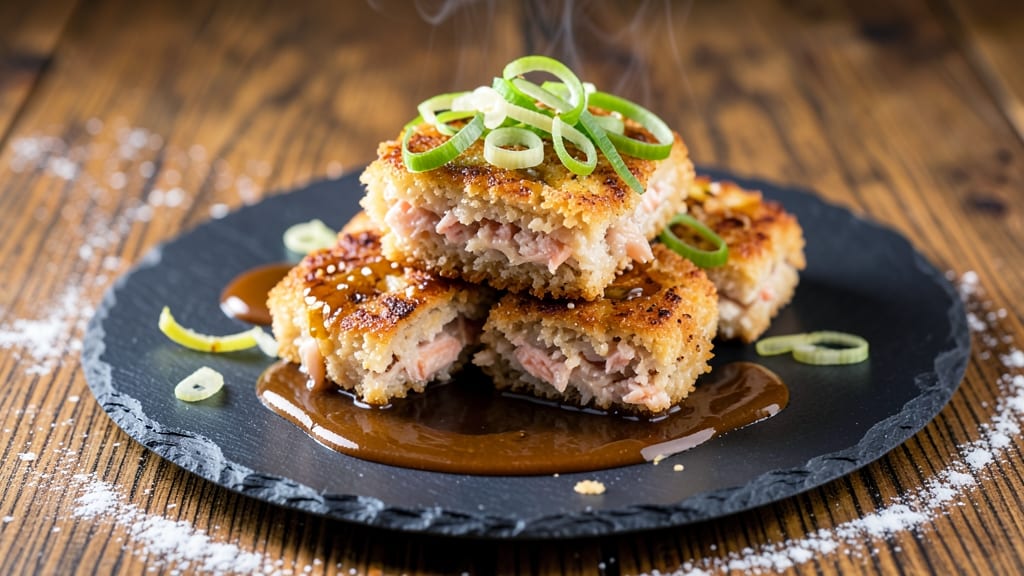
This Asian crab cake recipe delivers crispy golden edges and a spicy-sweet kick that rivals your favorite seafood spot. 🔥 The secret lies in a perfect balance of panko breading and umami-packed marinade that transforms simple crabmeat into a restaurant-worthy dish.
I've perfected this technique after years of testing, ensuring every bite stays tender inside while achieving that satisfying crunch. What sets these apart is the fusion of traditional Asian flavors with crispy texture—think sweet chili heat, ginger zing, and a creamy spicy mayo that ties everything together.
The recipe uses lump crabmeat (or surimi for a budget-friendly option) mixed with aromatic ingredients that infuse flavor without overpowering the delicate seafood.
By the time you serve these golden-brown crab cakes, you'll have a dish that's crispy on the outside, succulent on the inside, and packed with bold Asian-inspired flavors. The spicy mayo isn't just a dip—it's the star that brings the whole plate together in every bite.
Pair with pickled vegetables, a crisp cucumber salad, or steamed jasmine rice to complete the meal. Let's make these crab cakes!
Ingredients for asian crab cake
Crispy panko, sweet chili heat, and creamy mayo—these 15 ingredients transform simple crabmeat into restaurant-worthy bites.
| Ingredient | Amount | Notes |
|---|---|---|
| Lump Crabmeat 🦀 | 1 ½ lbs | Fresh or pasteurized, not imitation |
| Japanese Panko Breadcrumbs 🍞 | 1 ½ cups | Light and crispy preferred |
| Large Eggs 🥚 | 2 whole | Room temperature for best binding |
| All-Purpose Flour 🌾 | ½ cup | For extra crispiness |
| Green Onions 🧅 | ¼ cup | Finely chopped, white and green parts |
| Fresh Ginger 🌿 | 1 ½ tbsp | Finely grated, aromatic |
| Garlic Cloves 🧄 | 2 cloves | Minced, fresh preferred |
| Soy Sauce 🍶 | 2 tbsp | Light or dark, for umami |
| Sesame Oil 🫒 | 1 tbsp | Toasted, for nutty flavor |
| Sweet Chili Sauce 🌶️ | 1 tbsp | For spicy-sweet kick |
| Mayonnaise 🥫 | ½ cup | For binding and creaminess |
| Sriracha 🔥 | 1 tbsp | Adjust for heat preference |
| Vegetable Oil 🫒 | ½ cup | For frying, high smoke point |
| Salt 🧂 | 1 tsp | Kosher or sea salt |
| Black Pepper 🌶️ | ½ tsp | Freshly ground for best flavor |
The crabmeat makes or breaks this dish. Lump crab gives that luxurious texture, but surimi works great if you're budget-conscious—just drain it well. I grab mine from the seafood counter at Whole Foods or Trader Joe's when it's on sale. Fresh is ideal, but pasteurized is fine too. The panko? Japanese-style is a must—it's lighter and crispier than regular breadcrumbs. If you can't find it, toast regular panko in a dry pan for 2-3 minutes to enhance the flavor. Ginger and garlic are non-negotiable here—they're the aromatic backbone of the dish. Fresh ginger has more punch than powdered, so if you're using that, double the amount.
No lump crab? Surimi or imitation crab is the next best thing—just squeeze out all the moisture first. Running out of panko? Crushed cornflakes or crushed potato chips (like potato chips from a can) work in a pinch for extra crunch. The mayo dip can be adjusted—add more Sriracha for heat or a splash of lime juice for brightness. For the frying oil, vegetable or canola oil works best, but if you're feeling fancy, use avocado oil for a higher smoke point. The green onions add freshness, but if you're out, scallions or chives work too. Just make sure to chop them finely so they blend into the mix without overpowering.
Crab cakes keep best in the fridge for 2 days if you're not frying them right away—just cover them with a damp paper towel to keep them moist. For the spicy mayo, store it separately in a sealed container. It'll last 5 days in the fridge, but honestly, it disappears fast. If you're prepping ahead, you can fry the crab cakes and reheat them in the oven at 375°F for 10 minutes—they won't be as crispy, but they'll still taste amazing. The panko mix can be prepped a day ahead and stored in the fridge, but add the crabmeat just before frying to keep it tender.
Why You'll Love This Recipe
- No-Fuss Assembly: I swear by this recipe because it’s the kind of dish where you can mix, shape, and fry without overthinking. The panko and flour create that perfect crunch with just a quick dredge—no rolling pins or fancy techniques required.
- Umami Bomb: That first bite of crispy panko gives way to sweet, tender crab and a bright green onion kick. Honestly, the balance of textures and flavors makes it feel like a restaurant dish, even when it’s just me and a skillet.
- Weeknight to Party: I’ve served these for lazy Tuesdays and they’ve saved my back at last-minute gatherings. They’re hearty enough for a main but light enough for an appetizer—just adjust the portion size and you’re set.
- Leftovers That Don’t Suck: Most crab cakes turn dry overnight, but these? Still crispy on the outside, still juicy inside. I’ll keep them in the fridge for days, reheating in a pan or even straight from the freezer—no one ever complains.
Step-by-step instructions for Asian-inspired crab cakes
Here's how to build crispy, golden crab cakes with that perfect Asian-inspired crunch and spicy kick.
👨🍳 Step 1: Mix the Spicy Mayo Binding
In a medium bowl, combine the 0.5 cup mayonnaise, 1 tbsp sriracha, 1 tbsp sweet chili sauce, 1 tbsp sesame oil, 1 tbsp soy sauce, 1.5 tbsp fresh ginger, and 2 cloves garlic cloves (minced). Mix until fully combined and set aside. This spicy mayo is the secret to our flavor-packed crab cakes.
I like to use a silicone spatula for this step—it helps scrape up every bit of flavor from the bowl. The mayo mixture should be smooth with no visible streaks of sriracha. If it's too thick, add a teaspoon of water to loosen it slightly. This binding will hold everything together while keeping the crab cakes moist and flavorful.
👨🍳 Step 2: Combine Wet and Dry Ingredients
In a large bowl, gently fold together the 1.5 lbs lump crabmeat, 0.25 cup green onions (finely chopped), 0.5 cup all-purpose flour, and 1.5 cups Japanese panko breadcrumbs. Add the spicy mayo mixture and the 2 whole large eggs (room temperature). Mix everything with your hands or a spatula until just combined.
Here's the thing—don't overmix. Just until everything comes together. Overworking the crab can make them dense instead of light and airy. The crab should look like it's coated in a light, golden mixture with just a few visible panko crumbs remaining. If the mixture feels too wet, add 1-2 tablespoons more panko to help bind it.
🔥 Step 3: Chill and Shape the Crab Cakes
Transfer the crab mixture to a plate, cover with plastic wrap, and refrigerate for 30 minutes. Chilling helps the flavors meld and makes shaping easier. While it chills, season a large skillet with 0.5 cup vegetable oil for frying.
After chilling, form the mixture into 4 equal patties (about 1-inch thick each). I use a small ice cream scoop to portion the mixture evenly. Press gently to ensure they hold their shape—just firm enough so they won't fall apart when you flip them. Place the shaped crab cakes on a plate and let them sit at room temperature for 10 minutes before cooking.
🍳 Step 4: Fry to Crispy Perfection
Heat the skillet over medium heat until the oil shimmers (around 350°F). Add the crab cakes and cook for 3-4 minutes per side until they're golden brown and crispy. You'll know they're ready when the edges look dry and the underside has a nice golden crust.
Don't walk away—keep an eye on them. If they brown too quickly, reduce the heat slightly. The crab cakes should be firm to the touch and hold their shape. Transfer them to a paper towel-lined plate to drain any excess oil. For extra crispiness, you can broil them for 1-2 minutes at the end, but watch them closely so they don't burn.
🍽️ Step 5: Serve with Fresh Garnishes
Let the crab cakes rest for 2-3 minutes before serving. This gives them a chance to set slightly and makes cutting easier. Garnish with extra chopped green onions and a drizzle of sweet chili sauce for that final flavor boost.
Serve immediately with your favorite sides—crisp lettuce cups, steamed jasmine rice, or a refreshing cucumber salad. The contrast of the crispy, spicy crab cakes with cool, fresh sides makes every bite unforgettable. These are best enjoyed right away while the panko is still crunchy and the crab is warm and tender.
Pro Tips For Making Asian Crab Cake
- CHILL THE CRAB: Lump crab meat is delicate—if it’s warm when you mix it, it’ll turn mushy. Pop it in the fridge for 10-15 minutes before handling, then work quickly but gently. I learned this the hard way when my first batch collapsed like a wet paper bag.
- PAT THE PANKO DRY: Skip the pre-moistened panko—it’ll make your crab cakes dense and soggy. Pat the breadcrumbs between paper towels until they’re just dry enough to hold shape. This isn’t the prettiest method, but it’s the thing that matters most for that crispy crust.
- FRIED IN BATCHES: Crowd the pan, and you’ll steam the crab cakes instead of sear them. Use a 1-inch gap between cakes and start hot, then drop the heat to medium after the first 30 seconds. After burning three batches, I finally figured out timing > speed.
- STIR-FRY THE ONIONS: Raw green onions add texture, but sautéed ones bring depth. Quickly cook 2 tablespoons of minced onion in oil for 30 seconds until just softened—this mellows their bite and infuses flavor. Sounds weird, but it works: the crab cakes taste more cohesive.
Troubleshooting great asian crab cake
Crumbly Crab Cakes
If your crab cakes fall apart when frying, it’s likely because the mixture was too wet or under-chilled. First, make sure you’ve drained any excess moisture from the crabmeat—especially if using surimi or imitation crab.
Press the mixture gently between two sheets of parchment paper for 5 minutes before shaping to remove air and excess liquid. Also, let the shaped crab cakes rest at room temperature for 10-15 minutes before frying to help them firm up. 💡
Soggy Texture
Soggy crab cakes usually mean the panko absorbed too much oil or the internal temperature wasn’t high enough. Fry in vegetable or avocado oil at 350°F and ensure the oil is hot enough—it should shimmer when a drop of water sizzles. Use a thermometer to check.
Once fried, place them on a wire rack instead of a paper towel-lined plate to allow excess oil to drain off. For extra crispiness, broil for 1-2 minutes at the end, but watch closely to avoid burning.
Uneven Cooking
If one side cooks faster than the other, your heat isn’t evenly distributed. Use a heavy-bottomed skillet like a Lodge cast iron to maintain consistent heat. Preheat the oil for 3-5 minutes before adding the crab cakes, and avoid overcrowding the pan—cook in batches if needed.
Also, make sure your crab cakes are evenly portioned (about 1-inch thick each) to ensure even cooking. 🔥
Lack of Flavor
If your crab cakes taste bland, the marinade or seasoning might not have infused well. Let the crab mixture rest in the fridge for the full 30 minutes before frying—this allows the flavors to meld.
Taste the spicy mayo mixture before combining it with the crab to ensure it’s seasoned properly. Add a pinch of Penzeys Old Bay seasoning or extra soy sauce if needed. Fresh ginger and garlic are key—don’t substitute with powdered versions unless doubled.
Oily Crab Cakes
Greasy crab cakes often happen from over-soaking in oil or not draining properly. After frying, transfer them to a wire rack or paper towel-lined plate to absorb excess oil. To prevent oiliness during frying, don’t overcrowd the pan—cook in batches if necessary.
Also, ensure your oil isn’t too hot (350°F is ideal) to avoid excessive absorption. A splash of ice water in the pan after frying can help crisp up the exterior and reduce greasiness. ✨
Nutrition facts
Frequently asked questions
Can I make these crab cakes without lump crab?
For a budget-friendly version, use surimi or imitation crab—just squeeze out all the moisture first. If using surimi, add 1 extra tablespoon of mayo to help bind it. For extra flavor, fold in 1 tablespoon of Old Bay seasoning or a pinch of white miso paste to mimic the umami depth of real crab.
How do I keep the crab cakes from sticking to the pan?
Use a heavy-bottomed skillet like cast iron and ensure your oil is hot (350°F) before adding the crab cakes. Lightly coat the pan with oil again if needed, and avoid moving them until they're golden brown. For extra insurance, chill the shaped crab cakes for 10 minutes before frying—they'll hold together better.
What's the best way to reheat leftover crab cakes?
Reheat in a 375°F oven for 8-10 minutes on a wire rack (not a plate) to maintain crispiness. For a quick fix, use the air fryer at 350°F for 3-4 minutes. Avoid microwaving—they'll turn soggy. Pro tip: Add a splash of water to the pan before reheating to create steam and help restore crispiness.
Can I make the spicy mayo ahead of time?
Yes! Store the spicy mayo in an airtight container in the fridge for up to 5 days. It actually tastes better after flavors meld. Just stir before using. For the crab mixture, prep the dry ingredients (panko, flour, etc.) ahead and store separately. Combine with fresh crabmeat and mayo just before frying to keep the texture perfect.
What sides pair best with these Asian crab cakes?
Try pickled vegetables (cucumber, carrot, daikon) for tangy contrast, steamed jasmine rice to soak up flavors, or a cool sesame salad. For a lighter option, serve with shredded cabbage and lime wedges. The crispy texture works beautifully with anything fresh and bright!