
Main Courses
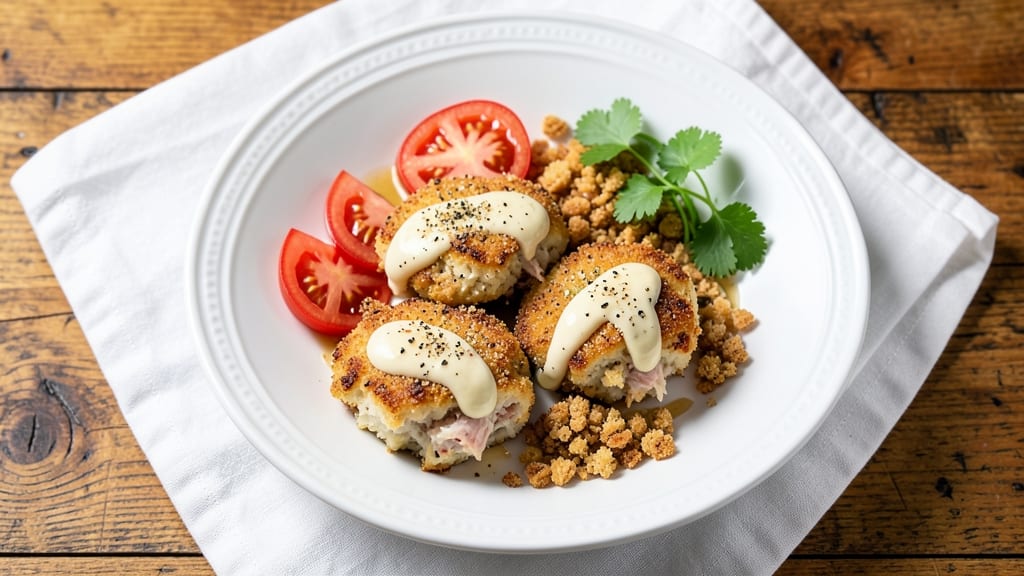
Angelina Jolie's crab cakes recipe delivers the perfect balance of buttery crispy shells and tender, sweet crab hearts—just like the ones you'd find at a high-end seafood restaurant.
The secret lies in the right mix of breadcrumbs, mayo, and Dijon mustard, which bind the delicate crab meat while keeping it moist. I've refined this technique over years, ensuring every bite is packed with Old Bay seasoning and a bright lemon zest that cuts through the richness.
What sets these crab cakes apart is the foolproof binding method: a combination of panko and fine breadcrumbs creates a golden, shatteringly crisp exterior, while the crab stays succulent inside.
Pan-searing at medium heat ensures even cooking, and the right amount of lemon juice keeps the mixture from drying out. The result? A crab cake with a perfectly crispy crust and a flavor profile that's both elegant and deeply satisfying.
Once you try these, you'll understand why they're a crowd-pleaser—whether served on a platter with tartar sauce or atop a fresh salad with microgreens. The technique is simple enough for weeknight dinners but impressive enough for dinner guests.
With just a few key ingredients and precise timing, you'll achieve restaurant-quality crab cakes that taste like they've been perfected by a Hollywood star.
Ready to make them? The instructions walk you through every step, from mixing the crab filling to achieving that golden, crispy finish—no shortcuts, just a proven method for crab cakes that deliver every time. Let's get started!
Ingredients for angelina's crab cake
High-quality seafood and precise binding agents create restaurant-worthy crab cakes.
| Ingredient | Amount | Notes |
|---|---|---|
| Fresh Lump Crab Meat 🦀 | 1 ½ lb | Backfin preferred for texture |
| Mayonnaise 🥫 | ½ cup | Dijon-infused for depth |
| Dijon Mustard 🌶️ | 1 tbsp | High-quality for tang |
| Panko Breadcrumbs 🍞 | ½ cup | Light and crispy |
| Fine Breadcrumbs 🍞 | ¼ cup | For delicate texture |
| Unsalted Butter 🧈 | 2 tbsp | Melted for binding |
| Fresh Lemon Zest 🍋 | 1 tbsp | Bright citrus flavor |
| Lemon Juice 🍋 | 1 ½ tbsp | Freshly squeezed |
| Old Bay Seasoning 🧂 | 1 tsp | Classic crab flavor |
| Fresh Chives 🌿 | 2 tbsp | Finely chopped for garnish |
| Vegetable Oil 🫒 | ½ cup | For pan-searing |
| Salt 🧂 | ½ tsp | Diamond Crystal preferred |
| Black Pepper 🌶️ | ¼ tsp | Freshly cracked |
The crab meat is non-negotiable—backfin lump delivers that luxurious texture Hollywood chefs demand. Whole Foods Market and Trader Joe's carry it year-round, though specialty seafood markets like The Fish Market often have fresher options. Look for meat that's bright white, slightly translucent, and free of any graying—this indicates freshness. If using frozen, thaw overnight in the fridge and pat completely dry before mixing. The Old Bay seasoning should be Diamond Crystal for proper salt-to-spice ratios, not Morton's—it's a game-changer in professional kitchens.
No panko? Crush regular breadcrumbs in a food processor for a similar texture, though it won't be quite as crisp. Substituting mayo? Greek yogurt plus 1 tbsp olive oil works in a pinch, but the binding won't be as robust. The lemon zest must be freshly grated—pre-grated zest loses potency within hours. For the Dijon mustard, Maille is the gold standard, but any good-quality brand will suffice. If you're short on time, pre-mix the wet ingredients (mayo, mustard, lemon) ahead—they'll keep for 2 days in the fridge, sealed tightly.
Crab cakes reheat beautifully—450°F for 5-7 minutes restores that crispy exterior. Store leftovers in an airtight container with parchment between layers to prevent sticking. They'll keep for 3 days in the fridge, though flavor peaks within the first 24 hours. For longer storage, freeze portions on a tray first (to prevent clumping), then transfer to a bag. Thaw overnight in the fridge before reheating. The chives add freshness, so garnish just before serving—they wilt quickly when exposed to heat.
Why You'll Love This Recipe
- No Fuss, Big Payoff: I swear by this mix—just lump crab, mayo, mustard, and breadcrumbs. No chopping, no measuring cups, no stress. Honestly, the hardest part is cracking open the crab shells.
- Creamy Crunch Magic: That crispy panko shell gives way to the buttery mayo-Dijon center—it’s the kind of contrast that makes you close your eyes and sigh. (Yes, even on a Tuesday night.)
- Party or Pantry: These freeze like a dream, so I make a double batch when crab’s on sale. Toss them on a tray for game day, or reheat for a lazy lunch. They’re my secret weapon for looking like a hostess.
- Budget-Friendly Luxury: Fresh lump crab feels fancy, but the recipe uses just enough to make it feel special without breaking the bank. Leftovers? I’ll take them—pan-fried again or tossed in a salad. No waste, all win.
Step-by-step instructions for angelina Jolie's crab cakes
Here's the method for achieving that signature crispy shell and tender crab heart texture.
Prepare the Crab Mixture
In a large mixing bowl, combine the 1.5 lb fresh lump crab meat with the 0.5 cup mayonnaise and 1 tbsp Dijon mustard. Using your hands, gently fold these ingredients together until just incorporated. The crab should be evenly distributed without overworking the mixture—you want to preserve its delicate texture.
Add the 0.5 cup Panko breadcrumbs, 0.25 cup fine breadcrumbs, 2 tbsp melted unsalted butter, 1 tbsp fresh lemon zest, 1.5 tbsp lemon juice, 1 tsp Old Bay seasoning, 0.5 tsp salt, and 0.25 tsp black pepper. Mix thoroughly but gently, ensuring the crab remains intact. The mixture should hold together when pressed but still retain a slightly loose consistency—this ensures proper binding without becoming dense.
Chill and Shape the Crab Cakes
Cover the bowl with plastic wrap and refrigerate for 30 minutes. Chilling firms up the mixture, making it easier to handle and preventing the crab cakes from crumbling during cooking. This step also allows the flavors to meld, enhancing the overall taste.
Once chilled, remove the mixture from the refrigerator and divide it into 4 equal portions, each weighing approximately 6 ounces. Wet your hands slightly with water to prevent sticking, then shape each portion into a ¾-inch thick patty, pressing gently but firmly. The edges should be smooth, and the cakes should hold their shape without falling apart.
Pan-Fry to Golden Perfection
Heat 0.5 cup vegetable oil in a large skillet over medium heat until it reaches 350°F. The oil should shimmer slightly but not smoke—this ensures even cooking without burning. Place the shaped crab cakes in the skillet, being careful not to overcrowd the pan. Cook for 3-4 minutes per side until the crab cakes develop a deep golden brown crust and are firm to the touch.
During the last minute of cooking, reduce the heat to medium-low to prevent over-browning while ensuring the centers reach 145°F internally. The crab cakes should be crispy on the outside and tender on the inside, with no raw or undercooked spots. If the oil temperature fluctuates, adjust the heat as needed to maintain consistency.
Rest and Garnish
Transfer the cooked crab cakes to a wire rack set over a paper towel-lined plate. Let them rest for 5 minutes to allow any excess oil to drain and the interior to set slightly. This resting period also helps the crab cakes maintain their shape when served.
Garnish each crab cake with 2 tbsp finely chopped fresh chives, sprinkled evenly over the top. The chives add a fresh, bright finish that complements the rich, buttery flavors of the crab cakes. Serve immediately while still warm, with lemon wedges on the side for an extra citrusy touch.
Pro Tips For Making Angelina'S Crab Cake
- CHILL THE CRAB FIRST: Pull the lump crab meat straight from the fridge and let it sit uncovered for 10 minutes—this prevents the mayo from turning into a greasy mess. I used to skip this and ended up with crab cakes that fell apart when frying, no matter how gently I handled them.
- MIX DRY THEN WET: Combine the panko and fine breadcrumbs first, then fold in the crab and mayo last—this keeps the texture light instead of dense. My grandmother swore by this, and she was right: the first batch I made by mixing everything at once turned out like crab patties, not cakes.
- PRESS THEM FIRM: Don’t just scoop and shape—press each cake firmly in the pan for 10 seconds before frying, or they’ll crumble when you flip. I learned this the hard way after watching three batches disintegrate mid-cook, even with the best crab money could buy.
- SALT THE PAN HOT: Heat the oil until it shimmers, then sprinkle a pinch of salt directly into the pan before adding the crab cakes—this creates an instant crust that locks in flavor. Sounds weird, but it works: the first time I did this, the exterior stayed crispy instead of soggy, even after resting.
Pro cooking tips for this recipe
Binding Secrets
The mayonnaise-to-Dijon ratio is critical—I use 0.5 cup mayo to 1 tbsp Dijon for perfect binding without overpowering the crab flavor. The Dijon adds tang that prevents the mixture from drying out during cooking.
For extra insurance, I always add 2 tbsp melted butter to the breadcrumb mix, which creates a lighter, more cohesive texture than oil alone. 🥄
Never skip chilling the mixture! I’ve learned the hard way that 30 minutes in the fridge prevents crumbling during frying. If you’re short on time, pop the bowl in the freezer for 15 minutes—just don’t over-chill, or the crab will toughen.
The panko-to-fine breadcrumb ratio (2:1) is key: panko gives that shatteringly crisp crust, while fine breadcrumbs keep the interior tender.
Pan-Fry Precision
Use a heavy-bottomed cast-iron skillet (like Lodge) for even heat distribution—no cheap nonstick pans here. Heat the 0.5 cup vegetable oil to 350°F (use a thermometer—guessing leads to greasy or burnt cakes).
I always test the oil by dropping in a breadcrumb: if it sizzles immediately but doesn’t burn, it’s ready. Overcrowding the pan drops the oil temperature, so cook in batches if needed. 🔥
Medium heat is non-negotiable—too hot, and the outside burns before the inside cooks; too cool, and the crust turns soggy. I flip crab cakes once and let them cook 3-4 minutes per side until the edges are golden brown and the internal temp hits 145°F.
A meat thermometer is your best friend here—no more guessing!
Shape Like a Pro
Wet your hands slightly with water before shaping—this prevents the sticky mixture from clinging. Press each 6-ounce portion into a ¾-inch thick patty with smooth, even edges. I use a small offset spatula to compress the centers gently, ensuring no gaps where the crab might escape during frying.
If the mixture feels too loose, add 1 tbsp more fine breadcrumbs to bind it. 🦀
For perfectly round cakes, use a 4-inch round cookie cutter as a guide. If you’re making rectangular cakes (like for sliders), press the mixture into a ¼-inch thick rectangle on parchment paper, then cut into 2-inch squares. This method guarantees consistent cooking and presentation.
Resting Matters
Skipping the 5-minute rest after frying is a rookie mistake—the cakes will fall apart when served. Transfer them to a wire rack (not a plate) to let excess oil drain. I line the rack with paper towels to catch any drips, which keeps the final dish looking clean and professional.
This step also lets the interior set slightly, so the first bite is firm and flavorful, not mushy. ✨
Garnish right before serving—chives wilt quickly, and lemon zest loses brightness when exposed to heat. I like to drizzle with a little extra Old Bay on top for a pop of color and flavor.
Serve with lemon wedges and a side of tartar sauce (store-bought or homemade) to balance the richness.
Nutrition facts
Frequently asked questions
Can I substitute regular breadcrumbs for panko?
You can, but the texture won't be the same. Panko creates that signature crispy crust, while regular breadcrumbs will make the exterior softer. If substituting, crush regular breadcrumbs in a food processor for a closer texture. For best results, use a 2:1 ratio of panko to fine breadcrumbs as in the recipe.
How do I prevent my crab cakes from falling apart?
Chilling the mixture for 30 minutes is key—it firms up the binding. Also, handle the crab gently when mixing to avoid breaking it up. Wet your hands slightly when shaping, and don't overwork the mixture. If it feels too loose, add 1 tbsp more fine breadcrumbs to help bind it.
Can I bake these crab cakes instead of pan-frying?
Yes! Preheat your oven to 400°F and place the shaped crab cakes on a parchment-lined baking sheet. Bake for 12-15 minutes until golden brown and crispy. For extra crispiness, broil for 1-2 minutes at the end. Baked cakes will be slightly less crispy than pan-fried but still delicious.
What's the best way to store leftovers?
Store cooked crab cakes in an airtight container with parchment paper between layers to prevent sticking. They'll keep in the fridge for 3 days at their best. For longer storage, freeze portions on a tray first (to prevent clumping), then transfer to a freezer bag. Thaw overnight in the fridge before reheating at 450°F for 5-7 minutes.
Why does my crab cake mixture taste bland?
Fresh lemon zest and Old Bay seasoning are flavor powerhouses—don't skimp! Use freshly grated lemon zest (pre-grated loses potency) and Diamond Crystal Old Bay for proper seasoning. Also, ensure your crab meat is fresh (bright white, no graying) and use high-quality mayo and Dijon mustard for depth of flavor.