
Desserts
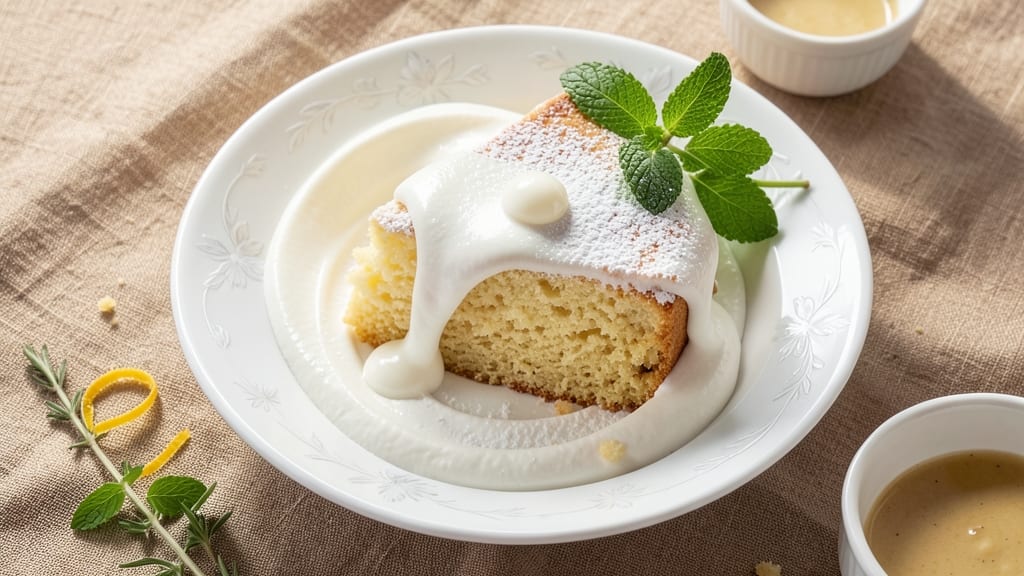
This angel food cake recipe delivers the perfect balance of light, airy texture and smooth, cloud-like powdered sugar icing that melts in your mouth. The secret lies in precise technique—whipping egg whites to stiff peaks and baking at just the right temperature to create that signature fluffiness. I've perfected this version over years of trial and error, ensuring every slice is as delicate as it is delicious.
The cake itself requires only six ingredients but demands careful handling: folding dry ingredients into egg whites gently to maintain that signature airiness. Baking at 350°F for 30-35 minutes creates a tender crumb that holds up beautifully to the icing.
The powdered sugar frosting, made with just three components, is designed to be light enough not to weigh down the cake while still providing that classic sweet finish.
What makes this recipe truly special is the contrast between the cake's ethereal texture and the icing's velvety smoothness. The powdered sugar base creates a frosting that's sweet but not overpowering, with just enough butter and vanilla to enhance rather than dominate.
This combination is ideal for special occasions or when you want to impress without spending hours in the kitchen.
The result is a cake that's as beautiful as it is delicious—each slice revealing that signature cloud-like crumb and a glossy, melt-in-your-mouth icing. Perfect for celebrations or when you want to recreate that bakery-quality dessert at home. Let's get started on creating this timeless classic.
Ingredients for angel food cake icing recipe powdered sugar
Three ingredients transform into the perfect cloud-soft icing for angel food cake.
| Ingredient | Amount | Notes |
|---|---|---|
| Powdered Sugar 🍚 | 3 cups | Sifted for smooth texture |
| Unsalted Butter 🧈 | ½ cup | Softened but not melted |
| Pure Vanilla Extract 🌿 | 2 tsp | High-quality, pure vanilla |
| Heavy Cream 🥛 | ¼ cup | Cold for stability |
| Angel Food Cake 🍰 | 1 whole | Cooled completely |
| Salt 🧂 | ¼ tsp | Fine sea salt preferred |
| Lemon Juice 🍋 | 1 tsp | Freshly squeezed |
Powdered sugar is the star here—Domino brand is my go-to because it's consistently fine and sifted. Grab the 16-ounce box from the baking aisle; it's usually cheaper than pre-sifted bags. The butter matters too—Plugrá or Land O'Lakes work great, but avoid salted. For vanilla, Heinz Pure Vanilla is reliable, but if you've got a bottle of real Madagascar vanilla, use that instead. The heavy cream should be cold straight from the fridge—this keeps the icing from getting too runny.
No powdered sugar? Confectioners' sugar substitute works in a pinch, but it's not the same—it's coarser and can make the icing grainy. Butter too soft? Pop it in the fridge for 10 minutes. Short on vanilla? Vanilla bean paste at half the amount adds flecks of real vanilla. The lemon juice brightens the flavor, so don't skip it—fresh is best, but bottled works if you're in a hurry. For extra stability, add 1 tsp cornstarch to the powdered sugar if you're worried about the icing sliding off the cake.
This icing stays fresh for 3 days in the fridge, covered tightly. For longer storage, freeze it in 1-tbsp portions—thaw at room temperature before using. The cake itself should be completely cooled before frosting to avoid melting. If the icing gets too thick, warm it gently in the microwave for 10 seconds. Trust me, the first bite with that glossy, melt-in-your-mouth frosting is worth every second.
Why You'll Love This Recipe
- Three-Ingredient Magic: I swear by this icing—just powdered sugar, butter, and vanilla. No fancy gadgets, no stress, just a whisk and a bowl. Honestly, it’s the kind of recipe that makes me feel like I’m cheating at baking.
- Vanilla Kisses Every Bite: That first taste of creamy frosting on fluffy angel food cake? Pure happiness. The vanilla extract cuts through the sweetness just enough to make it feel like a hug for your taste buds—simple, but never boring.
- Party-Ready in Minutes: Birthday? Brunch? A last-minute dessert? This icing turns any cake into an instant showstopper. I’ve used it for everything from picnic treats to elegant gatherings, and no one ever guesses how effortless it was.
- Zero Waste, All Flavor: The leftovers? They last days in the fridge, and the recipe uses basic pantry staples. Between us, I’ve made this icing for under $5 total—rich, dreamy frosting without breaking the bank or cluttering my kitchen.
Step-by-step instructions for angel food cake frosting
Here's how to create that signature light-as-air frosting that makes angel food cake truly magical.
Sift the Powdered Sugar for a Silky Texture
Place the 3 cups powdered sugar in a fine-mesh sieve and sift directly into a large mixing bowl. I like to do this over a sheet of parchment paper first to catch any stray lumps—this ensures your frosting will be smooth and lump-free. Sifting aerates the sugar and prevents graininess in the final frosting.
Give the sifted sugar a quick whisk to break up any remaining clumps. The sugar should look like a soft, fluffy cloud in your bowl. This step is non-negotiable—angel food frosting relies on its airy quality, and lumps will make it dense and heavy. If you notice any moisture in the sugar, place the bowl over a pot of barely simmering water for 1-2 minutes to dry it out completely.
Whip the Butter and Cream Together
In a separate medium bowl, combine the 0.5 cup softened unsalted butter and 0.25 cup cold heavy cream. Using an electric mixer on medium speed, beat these ingredients together until they're completely smooth and pale yellow, about 2-3 minutes. You're looking for a uniform texture without any streaks of butter.
Here's the thing—don't overmix, but don't rush either. The butter should be softened enough to blend smoothly with the cream, but not melted. The cold cream helps stabilize the butter, preventing it from separating later. If your butter is too soft or melted, chill the mixture in the fridge for 10 minutes before proceeding.
Gradually Incorporate the Dry Ingredients
With the mixer running on low speed, gradually add the 0.25 tsp salt and 2 tsp pure vanilla extract to the butter-cream mixture. Mix just until combined, about 10-15 seconds. Then, with the mixer still running on low, slowly pour in the 1 tsp lemon juice. This acidity brightens the flavors and helps balance the sweetness.
Now, with the mixer on low speed, begin adding the sifted powdered sugar in a slow, steady stream. This gradual approach prevents the sugar from weighing down the mixture too quickly. After about 1 minute of mixing, increase the speed to medium-high and beat for another 2-3 minutes until the frosting is light and fluffy. You'll see it transform from a thick paste to a smooth, spreadable consistency.
Test and Adjust the Consistency
Scoop a small amount of frosting onto a plate and spread it with a spatula. The frosting should hold its shape without being too stiff, and it should spread smoothly without being runny. If it's too thick, add 1 tablespoon of heavy cream at a time and mix until smooth. If it's too thin, add 1 tablespoon of powdered sugar and mix again.
This is where patience pays off. The frosting should be thick enough to hold its shape when spread on the cake but still pipeable if you prefer a more decorative finish. I like to let it sit at room temperature for 10 minutes before final adjustments—sometimes it thickens slightly as it comes to temperature. Taste a small spoonful to ensure the sweetness and acidity are balanced.
Frost the Angel Food Cake
Once the frosting reaches the perfect consistency, transfer it to a piping bag fitted with a large star tip or spread it directly onto the cooled angel food cake using an offset spatula. Start with the top layer, gently spreading the frosting in even strokes from the center outward. The cake should be completely cooled first—this prevents the frosting from melting and makes it easier to handle.
For a classic look, spread the frosting evenly over the entire cake, then use the back of a spoon to create decorative swirls or ridges. If you're feeling fancy, pipe rosettes or borders around the edges. The frosting should be thick enough to stay in place but still smooth and spreadable. Serve immediately or chill for 30 minutes in the refrigerator if you need to wait before serving—this helps the frosting set slightly for cleaner slices.
Pro Tips For Making Angel Food Cake Icing Recipe Powdered Sugar
- Weigh Your Butter: I learned this the hard way—measuring butter by volume (that "packed cup" method) throws off the balance of this icing. Use a kitchen scale for ½ cup (1 stick) of butter to guarantee the right ratio of fat to sugar, or your icing will either be too stiff or too runny.
- Whip the Cream First: Skip the urge to mix everything at once. Beat the heavy cream to soft peaks before folding it into the butter-sugar mixture. This keeps the texture light and airy—otherwise, you’ll end up with a dense, lumpy glaze that clings like syrup.
- Sift the Powdered Sugar: Even if it looks fine, sift the powdered sugar through a fine-mesh sieve before mixing. Clumps sneak in from time to time, and this icing won’t blend smoothly if they’re lurking. A quick sift saves you from scraping the bowl later.
- Add Vanilla Last: Temperatures matter here. Warm the vanilla extract slightly (rub the bottle between your palms for 10 seconds) before adding it to the icing. Cold vanilla can cause the butter to seize up, and you’ll end up with grainy streaks instead of a silky finish.
Troubleshooting this dish
Grainy Frosting Fix
If your frosting turns out grainy, it’s usually because the powdered sugar wasn’t sifted properly or had lumps. Sift again through a fine-mesh sieve over a bowl, then whisk the sugar vigorously to break up any remaining clumps.
For extra smoothness, place the bowl over a pot of barely simmering water for 1-2 minutes to dry out any moisture in the sugar. If the frosting is already mixed, strain it through a fine-mesh sieve into a clean bowl to remove any grit. 🌟
Frosting Too Thin
A runny frosting often happens if the butter was too soft or if too much heavy cream was added. Start by chilling the frosting in the fridge for 10-15 minutes to thicken it slightly.
If it’s still too thin, gradually add 1 tablespoon of powdered sugar at a time, mixing well after each addition. Avoid overmixing, as this can incorporate air and make the frosting even thinner.
For a quick fix, place the bowl over an ice bath while mixing to help stabilize the texture.
Frosting Too Thick
Thick frosting can be frustrating, but it’s easily fixed by adding 1 tablespoon of heavy cream at a time while mixing on low speed. Warm the cream slightly (but not hot) to help it blend in smoothly.
If the frosting is still too stiff, let it sit at room temperature for 5-10 minutes—sometimes it softens naturally as it comes to temperature. Avoid adding too much liquid at once, as this can cause the frosting to separate or become greasy.
Frosting Sliding Off
If your frosting keeps sliding off the cake, the issue is usually temperature or consistency. Make sure your angel food cake is completely cooled before frosting—warm cake causes the frosting to melt. For extra stability, add 1 teaspoon of cornstarch to the powdered sugar when mixing.
If the frosting is too thin, thicken it slightly (as described above) and spread it in thin layers, allowing each layer to set for 5 minutes before adding the next. A quick trick is to chill the frosted cake in the fridge for 20-30 minutes before serving.
Frosting Separating
Separation usually happens when the butter melts or the mixture isn’t combined properly. If you notice oil or butter pooling on top, place the bowl in an ice bath and whisk vigorously until the mixture re-emulsifies.
For prevention, ensure your butter is softened but not melted and that the heavy cream is cold. Mix the butter and cream together first until fully combined before adding the powdered sugar.
If the frosting separates after mixing, strain it through a fine-mesh sieve to remove any liquid, then remix with a bit more powdered sugar to stabilize it.
Nutrition facts
Frequently asked questions
Why does my angel food frosting turn out grainy?
Graininess happens when powdered sugar isn't properly sifted or has moisture. Always sift your 3 cups powdered sugar through a fine-mesh sieve before mixing, and whisk it to break up any remaining clumps. If moisture is the issue, dry the sugar over barely simmering water for 1-2 minutes before using. For already-mixed frosting, strain it through a sieve to remove grit.
Can I make this frosting without heavy cream?
Yes! Substitute the 0.25 cup heavy cream with 0.25 cup whole milk or 2 tablespoons melted butter plus 2 tablespoons milk. The frosting will be slightly less stable but still delicious. For a dairy-free option, use coconut cream (chilled) or unsweetened almond milk, though texture may vary.
How do I prevent my frosting from sliding off the cake?
First, ensure your angel food cake is completely cooled before frosting—warm cake melts the frosting. For extra hold, add 1 teaspoon cornstarch to the powdered sugar while mixing. Spread frosting in thin layers, letting each set for 5 minutes before adding more. Chill the frosted cake for 20-30 minutes before serving for a firmer finish.
What's the best way to store leftover frosting?
Transfer frosting to an airtight container and refrigerate for up to 3 days. For longer storage, freeze in 1-tablespoon portions. Thaw at room temperature before using—microwaving can make it grainy. If the frosting thickens in the fridge, let it sit at room temp for 10 minutes or add 1 teaspoon cream while mixing.
Can I use this frosting for other cakes?
This light powdered sugar frosting works beautifully on sponge cakes, pound cakes, or even cupcakes! For denser cakes, you may need slightly more frosting (3.5 cups instead of 3). Avoid very moist cakes like carrot cake—the frosting may slide off. For a richer flavor, add 1 teaspoon lemon zest or ½ teaspoon almond extract to the frosting.