
Desserts
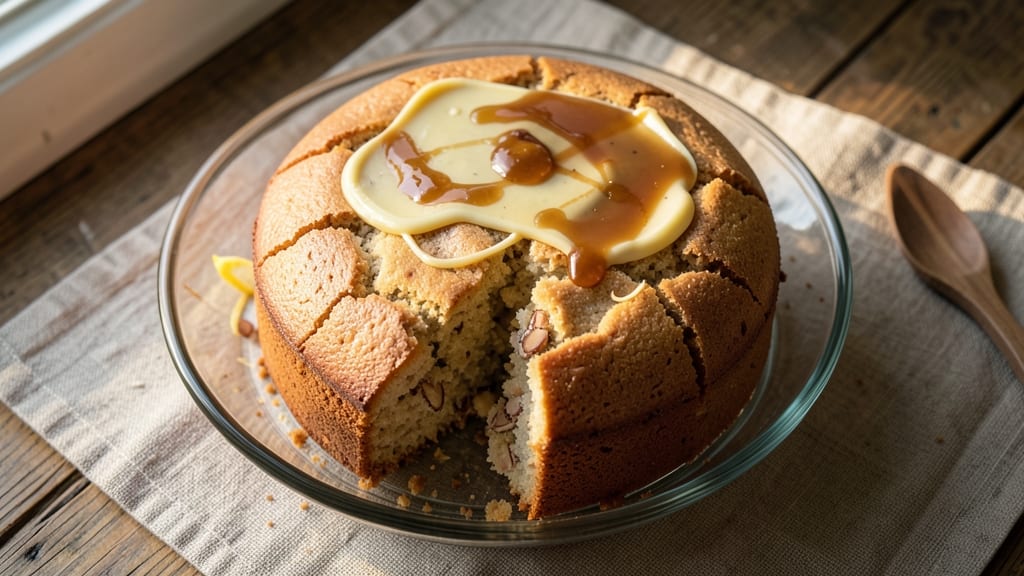
This tastefully simple almond pound cake recipe delivers restaurant-quality nutty richness with a tender crumb—all without complicated techniques or fussy presentation. The secret lies in a precise balance of almond flour and cake flour, creating that signature moist texture while keeping the flavor profile clean and elegant. I've perfected this version over years of baking, ensuring every slice stays tender rather than dry.
What sets this recipe apart is the vanilla-infused layers that elevate the almond flavor without overpowering it. A simple glaze or dusting of powdered sugar enhances the presentation, making it perfect for special occasions or everyday indulgence.
The cake bakes up with a golden crust and delicate crumb, proving that simple ingredients can yield extraordinary results.
This version requires just 30 minutes of prep time and bakes in 45 minutes, making it ideal for last-minute desserts. The almond flavor shines through while maintaining a subtle sweetness that keeps it versatile—serve it plain, with fresh berries, or drizzled with a light glaze.
The texture is consistently moist, thanks to a few key techniques I'll share.
Whether you're baking for a celebration or treating yourself, this almond pound cake delivers professional-quality results with minimal effort. The key is in the method: proper mixing, accurate measurements, and careful baking. Let's get started on creating a cake that's as impressive as it is delicious.
Ingredients for almond pound cake tastefully simple
Twelve essential ingredients crafting a refined almond pound cake with signature moist crumb and vanilla elegance.
| Ingredient | Amount | Notes |
|---|---|---|
| Almond Flour 🥜 | 2 cups | Finely ground, unsweetened preferred |
| Cake Flour 🌾 | 1 ½ cups | Sifted for lightest texture |
| Granulated Sugar 🍚 | 1 ½ cups | Superfine preferred for smoothness |
| Unsalted Butter 🧈 | 1 cup | Room temperature, European-style preferred |
| Large Eggs 🥚 | 4 whole | Room temperature, separated for method |
| Pure Vanilla Extract 🌿 | 2 tbsp | Bourbon-infused for depth |
| Milk 🥛 | 1 cup | Whole milk for richness |
| Baking Powder 🧂 | 2 tsp | Aluminum-free for tender crumb |
| Salt 🧂 | ½ tsp | Fine sea salt preferred |
| Powdered Sugar 🍚 | ½ cup | For glaze, sifted for smoothness |
| Heavy Cream 🥛 | ¼ cup | For glaze, cold for stability |
| Lemon Zest 🍋 | 1 tbsp | Brightens almond flavor |
The almond flour is the heart of this cake—Bob's Red Mill or Anthony's Goods brands deliver consistent fineness, avoiding gritty texture. Cake flour, sifted twice, ensures that delicate crumb; Gold Medal is a reliable choice. European-style butter (like Plugrá) adds richness without overpowering the almond's natural nuttiness. For vanilla, McCormick Pure Vanilla or Lake Champlain extracts provide that authentic depth. Room-temperature eggs and milk prevent lumps during mixing, a critical step for the cake's signature tenderness.
No almond flour? Blitz almonds in a food processor until ultra-fine (about 3 minutes), but expect a slightly denser texture. Substitute cake flour with all-purpose flour sifted with 2 tbsp cornstarch per cup. For a lighter cake, whisk egg whites separately to stiff peaks and fold them in at the end. The lemon zest can be omitted if you prefer a purer almond flavor, but it balances the richness beautifully. Store-bought powdered sugar works, but sifting removes lumps for a silky glaze. Diamond Crystal baking powder is aluminum-free, ideal for tender baked goods.
Prevent dryness by wrapping the cake tightly in plastic wrap and storing at room temperature for up to 3 days. For longer storage, freeze the cake in slices, separated by parchment paper, for up to 3 months. The glaze can be made ahead and reheated gently to drizzle. To revive stale cake, warm slices in a 200°F oven for 5-10 minutes—the texture will return to its original moistness. This cake's versatility shines when served with fresh berries or a dusting of toasted almonds for added crunch.
Why You'll Love This Recipe
- No Mixer Needed: I’ll be real—this cake comes together with just a whisk and a bowl. The almond flour and cake flour blend so smoothly with melted butter and eggs that you won’t even miss the stand mixer. (Yes, even on a Tuesday night.)
- Nutty But Not Overpowering: Here’s what sold me—the almond flour gives it that subtle nutty depth, but the sugar and butter keep it rich without tasting like a dessert. It’s the kind of cake that feels indulgent but doesn’t scream "holiday dessert."
- Leftover Magic: Between us, this cake actually improves the second day. Slice it fresh for breakfast with coffee, or stash it in the fridge for a quick snack—no one will guess it’s been sitting there. (My daughter picks out the driest slice first, but still asks for seconds.)
- Budget-Friendly Luxury: Almond flour can be pricey, but this recipe uses just enough to make it special without breaking the bank. The butter and eggs stretch the flavor, so you’re not sacrificing taste for savings. Plus, one pan means one less dish to wash.
Step-by-step instructions for almond pound cake
Follow this method for a tender, nutty pound cake with perfect moisture and vanilla depth.
Prepare Dry Ingredients for Lightest Texture
In a medium bowl, whisk together the 2 cups almond flour and 1.5 cups cake flour. Sift the mixture twice through a fine-mesh sieve to eliminate any lumps and aerate the flours. This step is crucial—it prevents a dense crumb and ensures even distribution of the almond flavor throughout the cake.
In a separate small bowl, combine the 1.5 cups granulated sugar, 2 tsp baking powder, and 0.5 tsp salt. Whisk until fully blended. The sugar will help dissolve the baking powder evenly, while the salt prevents bitterness from the almond flour. Keep these dry ingredients ready for the next step.
Cream Butter and Sugar for Maximum Fluffiness
In a stand mixer fitted with the paddle attachment, beat the 1 cup unsalted butter (at room temperature) on medium speed for 3-4 minutes until light and fluffy. The butter should nearly double in volume and become pale, with ribbons forming when the beaters are lifted. This aeration creates the foundation for a tender crumb.
Gradually add the 1.5 cups granulated sugar while continuing to mix on medium speed. Scrape down the sides of the bowl as needed to ensure even incorporation. Beat for an additional 2-3 minutes until the mixture is smooth and thick. The sugar should dissolve completely, and the texture should be thick enough to leave a trail when the beaters are lifted.
Incorporate Eggs and Wet Ingredients for Stability
Add the 4 whole large eggs, one at a time, mixing on low speed after each addition until fully incorporated. Scrape down the sides of the bowl again to ensure no raw egg remains. The eggs provide structure to the cake, and adding them slowly prevents curdling.
In a small measuring cup, whisk together the 2 tbsp pure vanilla extract, 1 cup milk, and 1 tbsp lemon zest. Gradually pour this mixture into the butter-sugar-egg mixture while mixing on low speed. The lemon zest brightens the almond flavor, while the milk adds moisture and richness. Mix until just combined—overmixing can develop gluten and make the cake tough.
Combine Wet and Dry Ingredients for Even Baking
With the mixer on low speed, gradually add the sifted dry ingredients (almond flour, cake flour, baking powder, and salt) to the wet mixture. Mix just until the flour is incorporated and no streaks remain—this ensures a tender crumb without overdevelopment. Avoid overmixing; the moment the dry ingredients disappear is the perfect stopping point.
Pour the batter into a 9-inch round cake pan lined with parchment paper. Smooth the top with a spatula, ensuring the batter is evenly distributed. Tap the pan gently on the counter to remove any air bubbles. Bake in a preheated 350°F oven for 50-55 minutes, or until a toothpick inserted into the center comes out clean and the cake springs back when pressed lightly.
Glaze and Serve for Perfect Finish
While the cake is still warm, prepare the glaze by whisking together the 0.5 cup powdered sugar and 0.25 cup cold heavy cream in a small bowl. The cold cream helps stabilize the glaze, preventing it from becoming too runny. Drizzle the glaze evenly over the top of the cake, allowing it to drip slightly over the sides for a professional finish.
Let the cake cool in the pan for 10 minutes, then transfer it to a wire rack to cool completely. The glaze will set as it cools, creating a smooth, shiny finish. Slice with a serrated knife for clean, even pieces. Serve at room temperature for the best texture and flavor—each bite should deliver moist, tender crumb with a delicate almond aroma and subtle vanilla brightness.
Pro Tips For Making Almond Pound Cake Tastefully Simple
- Whisk Eggs Cold: Crack eggs straight from the fridge into a chilled bowl—no warm hands, no warm fridge. I learned this the hard way when my eggs turned into scrambled bits mid-whip, and the cake ended up dense instead of light. Cold eggs incorporate air better and stay stable longer.
- Sift Almond Flour Twice: Almond flour is sneaky—it clumps like a grumpy cat. Sift it before measuring into the bowl, then sift it again right before folding it into the butter. This keeps the texture even and stops you from overmixing the batter later.
- Butter at Room Temp: Cold butter makes tough cake. Warm it to just soft—press your finger into it, and it should leave a faint indent. If it’s greasy, it’ll make the cake greasy. If it’s crumbly, it’ll fight you. Aim for that Goldilocks spot.
- Test Doneness with a Toothpick: Skip the timer. Insert a toothpick into the center—it should come out with moist crumbs, not wet batter or dry shards. Overbaking turns almond cake into almond brick. Pull it when it’s just shy of perfect.
Essential equipment for almond pound cake tastefully simple
Stand Mixer Essentials
Your stand mixer is the workhorse of this recipe—KitchenAid Artisan Series or Cuisinart Premium models handle heavy-duty mixing without overheating. The paddle attachment is critical for creaming butter and sugar properly, while the whisk attachment comes in handy for whipping egg whites (if you choose to fold them in).
I’ve found that mixing at medium speed prevents overheating the butter, which keeps the cake’s texture light and fluffy. 💡
Measuring Tools
Precision matters with this cake, so invest in a scale for dry ingredients (like OXO Good Grips) to measure almond flour and cake flour accurately. For liquids, a liquid measuring cup with clear markings ensures you don’t over- or under-measure the milk or vanilla.
A fine-mesh sieve (like Microplane or OXO) is non-negotiable for sifting flours—it eliminates lumps and aerates the mixture for that signature tender crumb. A spatula with a flexible edge helps smooth the batter evenly in the pan.
Baking Pan
A 9-inch round cake pan with removable bottom (like Wilton Perfect Results) is ideal because it ensures even heat distribution and easy release. If you don’t have one, a standard round pan lined with parchment paper works, but avoid dark-colored pans—they can over-bake the edges.
For a bundt cake variation, use a 10-cup bundt pan (like Wilton) and reduce baking time by 5-10 minutes to prevent over-browning.
Glazing Tools
For the glaze, a small whisk (like OXO Good Grips) blends powdered sugar and heavy cream smoothly, while a fine-mesh strainer catches any lumps in the sugar. A drizzling spoon (or even a paintbrush) helps create an even, professional-looking glaze.
If you prefer a mirror glaze, use a silicone spatula to spread it thinly over the cooled cake for a sleek finish.
Optional Extras
A food processor (like Ninja) is useful if you need to make your own almond flour from whole almonds—just pulse until ultra-fine. For toasting almonds as a garnish, a small baking sheet and cooling rack work perfectly.
If you’re serving the cake immediately, a serving knife with a serrated edge (like Mercer Culinary) ensures clean slices without crumbling.
Nutrition facts
Frequently asked questions
Why does this almond pound cake recipe use both almond flour and cake flour?
The combination creates the perfect texture—almond flour delivers that rich nutty flavor and moisture, while cake flour keeps the crumb light and tender. Using just almond flour would make the cake too dense, while all-purpose flour would make it dry. This balance ensures every slice stays moist and elegant.
Can I make this cake without a stand mixer?
Use a hand mixer or even whisk by hand for 5-7 minutes when creaming butter and sugar. Work in short bursts to avoid overheating. For the dry ingredients, fold them in gently with a rubber spatula—just don't overmix, or the cake will become tough.
How do I prevent my almond pound cake from drying out?
Store it properly! Wrap the cake tightly in plastic wrap and keep it at room temperature for up to 3 days. For longer storage, freeze slices individually between parchment paper for 3 months. Reheat stale slices in a 200°F oven for 5-10 minutes to restore moisture.
What's the best way to test if the cake is fully baked?
Insert a toothpick into the center—it should come out clean with no wet batter. Also, gently press the top: if it springs back, it's done. Overbaking by even 5 minutes can dry out the cake, so keep an eye on it after 45 minutes.
Can I substitute almond flour with another nut flour?
While you can try hazelnut or cashew flour, the flavor will change significantly. Almond flour's mild sweetness and fine texture are key to this recipe's balance. If you must substitute, use 1 cup ground almonds (blended to a fine powder) and reduce the cake flour by 0.25 cups to maintain structure.