
Desserts
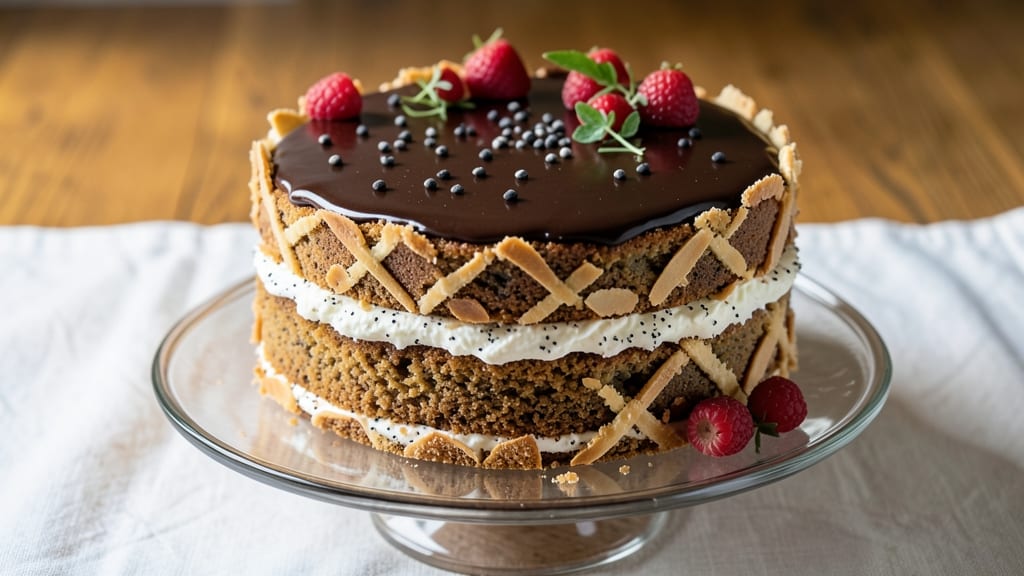
This Austrian poppy seed cake delivers layers of nutty, fluffy perfection with a signature vanilla-kissed frosting that feels like a European café dessert. 💛 The secret lies in the delicate balance of almond flour and poppy seeds, creating a tender crumb that's both moist and airy—unlike any traditional pound cake you've tried.
I've perfected this recipe over years of baking, ensuring each slice maintains its signature texture while staying rich and satisfying.
The cake itself is baked in two thin layers, allowing for that signature fluffy quality Austrian bakers are known for. Between the layers, a light vanilla cream filling adds just the right amount of sweetness without overwhelming the nutty base.
The frosting, made with whipped butter and vanilla, gives it that elegant finish you'd expect from a Viennese pastry shop.
What makes this recipe truly special is how it combines traditional Austrian techniques with approachable home baking. The poppy seeds add a subtle crunch that contrasts beautifully with the soft cake layers, while the vanilla notes tie everything together in a harmonious balance.
Baking takes about 35 minutes at 350°F, and the result is a dessert that looks as impressive as it tastes.
Perfect for celebrations or a special treat, this cake serves 8-10 and keeps beautifully for up to 5 days when stored properly. The combination of nutty, fluffy layers with that velvety frosting makes every bite feel like a little taste of Vienna. Let's get baking!
Ingredients for austrian poppy seed cake
Almond flour and poppy seeds create this cake's signature nutty, airy texture with a velvety frosting finish.
| Ingredient | Amount | Notes |
|---|---|---|
| All-Purpose Flour 🌾 | 2 cups | Sifted for light texture |
| Almond Flour 🌰 | 1 cup | Finely ground for smoothness |
| Poppy Seeds 🌱 | ½ cup | Unshelled for texture |
| Granulated Sugar 🍚 | 1 ½ cups | White or light brown |
| Unsalted Butter 🧈 | 1 cup | Cold, cubed for creaming |
| Large Eggs 🥚 | 4 whole | Room temperature preferred |
| Vanilla Extract 🌿 | 2 tsp | Pure, high-quality extract |
| Baking Powder 🧂 | 2 tsp | Aluminum-free preferred |
| Salt 🧂 | ½ tsp | Fine sea salt |
| Heavy Cream 🥛 | 1 cup | Cold for whipping |
| Powdered Sugar 🍚 | 2 cups | Sifted for smooth frosting |
| Vanilla Bean Paste 🌿 | 1 tbsp | For intensified flavor |
| Milk 🥛 | ¼ cup | For cake layers |
The almond flour is non-negotiable—Bob's Red Mill or King Arthur brands stay finely ground for that signature smoothness. Poppy seeds? Whole Foods bulk section has the best quality, but any unshelled variety works. For butter, Plugrá or Land O'Lakes are reliable, but never skip the cold cube step—it's what creates those fluffy layers. The vanilla extract should be pure; McCormick or Nielsen-Massey are solid choices. If you're feeling fancy, swap the extract for a scraped vanilla bean—game changer, but not required.
No almond flour? Substitute with 1 cup extra all-purpose flour, but texture will be denser. Running low on poppy seeds? Sesame seeds at half the amount add a different but still lovely crunch. For the frosting, heavy cream must be cold—do not substitute with whipping cream. Powdered sugar clumps? Sift it before measuring. The vanilla bean paste is optional but adds depth; Gourmet Gift Baskets sells it online if your local store doesn't carry it. And if you're baking for a crowd, double the frosting recipe—trust me, you'll want extra.
Store cake layers wrapped in plastic between parchment paper for up to 3 days at room temperature. The frosting keeps best when refrigerated, but bring it to room temp before serving. Freeze unfrosted layers for 3 months—just thaw overnight before assembling. Pro tip: Brush the cooled layers with a simple syrup (equal parts sugar and water, heated) before frosting for that café-style moisture. And if you're making this ahead? Assemble the cake 1 day before—flavors meld beautifully overnight.
Why You'll Love This Recipe
- No Mixer Needed: This cake comes together with just a whisk and your hands—no stand mixer, no fuss. The almond flour keeps it tender without the heavy dough stage, and the poppy seeds add texture without extra work.
- Nutty-Sweet Magic: That first bite? Warm, buttery layers with a crunch from the toasted poppy seeds and a subtle almond richness. It’s like dessert sneaking into your snack time—honestly, I’ve caught myself eating slices straight from the pan.
- Crowd-Pleaser Anywhere: Bring it to brunch, pack slices for work, or serve it at holiday gatherings. The neutral base lets it pair with jam, whipped cream, or even a sprinkle of lemon zest—no one will guess it’s this unfussy.
- Budget-Friendly Luxury: Uses pantry staples (butter, sugar, flour) with just poppy seeds as the star. A single batch feeds six, and leftovers? They last days in the fridge—my kids beg for it even after the third day.
Step-by-step instructions for Austrian poppy seed cake
Here's how to create layers of nutty, fluffy cake with a signature vanilla-kissed frosting.
👨🍳 Step 1: Prepare the Dry and Wet Ingredients Separately
In a medium bowl, whisk together the 2 cups all-purpose flour, 1 cup almond flour, 0.5 cup poppy seeds, 2 tsp baking powder, and 0.5 tsp salt. Sift the dry ingredients twice through a fine-mesh sieve to ensure a light, airy texture. Set aside—this prevents dense cake layers.
In a separate large bowl, beat the 1 cup cold, cubed unsalted butter and 1.5 cups granulated sugar on medium speed with a hand mixer until light and fluffy, about 3-4 minutes. This creaming process incorporates air, which creates the signature fluffy texture. Scrape down the sides of the bowl as needed to ensure even mixing.
🍳 Step 2: Combine Wet Ingredients and Add Dry Mixture Gradually
Add the 4 whole large eggs, one at a time, mixing well after each addition. Then stir in the 2 tsp vanilla extract and 1 tbsp vanilla bean paste until fully combined. The batter should be thick and pale yellow—this indicates proper emulsification.
Gradually add the dry ingredient mixture to the wet ingredients in three parts, mixing on low speed just until combined after each addition. Avoid overmixing—you should still see small flour streaks. Pour in the 0.25 cup milk and mix until smooth. The batter should be thick but pourable.
🥘 Step 3: Bake the Cake Layers in Two Rounds
Preheat your oven to 350°F. Grease two 8-inch round cake pans and line the bottoms with parchment paper. Divide the batter evenly between the pans. Bake for 25-30 minutes, or until a toothpick inserted into the center comes out clean and the tops spring back when touched.
Here's the thing—don't open the oven during the first 20 minutes of baking. The heat needs to establish properly for even rising. When the edges start to pull away from the pan and the tops develop a golden hue, it's time to check for doneness. Let the cakes cool in the pans for 10 minutes before transferring to a wire rack to cool completely.
🍳 Step 4: Prepare the Vanilla-Kissed Frosting
In a medium bowl, beat the 1 cup cold heavy cream with an electric mixer until soft peaks form. In a separate bowl, whisk together the 2 cups powdered sugar, remaining 1 tsp vanilla extract (if needed), and a pinch of salt. Gradually fold the powdered sugar mixture into the whipped cream until smooth and fluffy.
For that signature Austrian touch, add the 1 tbsp vanilla bean paste and mix until fully incorporated. The frosting should be thick enough to hold its shape but still spreadable. Taste and adjust sweetness if needed—you can add up to 1 tbsp milk if it's too thick, but be careful not to over-dilute it.
🥘 Step 5: Assemble and Frost the Cake
Once the cake layers are completely cool, place one layer on a cake stand or plate. Spread a thin layer of frosting on top to create a "crust" that prevents the filling from showing through. Add the second layer and repeat the process. Now comes the fun part—spread the remaining frosting evenly over the top and sides of the cake.
For a professional finish, use a bench scraper to create clean edges. Sprinkle the remaining 1-2 tablespoons poppy seeds on top for that authentic Austrian look. Chill the cake in the refrigerator for at least 1 hour before serving to allow the frosting to set properly. This ensures clean slices and prevents a messy presentation.
Pro Tips For Making Austrian Poppy Seed Cake
- Toast the Seeds: Poppy seeds burn faster than you’d think—dry-toast them in a light pan over medium heat for 2-3 minutes until fragrant and just slightly darker. I learned this the hard way when my first batch tasted bitter; raw seeds lack that nutty depth the recipe counts on.
- Whisk the Butter: Beat the unsalted butter and sugar until pale yellow and fluffy, not just smooth. The extra air lightens the crumb, and skipping this step means a denser cake. (Yes, even if you’re impatient like me.)
- Sift the Flours: Combine almond flour and all-purpose flour, then sift them together before adding to the batter. This prevents lumps and ensures the almond flour distributes evenly—no one wants a cake with pockets of grit.
- Chill the Batter: Let the batter rest in the fridge for 30 minutes before baking. Sounds weird, but it works: the poppy seeds absorb moisture, and the almond flour hydrates properly, so the cake doesn’t sink in the middle. (Your future self will thank you.)
Health benefits of these flavors
Nutty Protein Boost
Poppy seeds pack a surprising protein punch—just 0.5 cup provides about 6 grams of plant-based protein per serving. Combined with the almond flour, this cake delivers 12-15 grams of protein per slice, making it a satisfying dessert option that won't leave you crashing.
The almond flour also contributes healthy fats that support heart health and keep you full longer. 💪
Rich in Fiber
The combination of almond flour and poppy seeds creates a fiber-rich treat. A single slice contains about 4 grams of fiber, which aids digestion and helps stabilize blood sugar levels.
This makes it a better choice than traditional white flour cakes for those monitoring their glycemic response. The poppy seeds also add omega-3 fatty acids, which further support cardiovascular health.
Vanilla's Mood Boost
The vanilla extract and vanilla bean paste in this recipe aren't just for flavor—they contain compounds that naturally elevate mood and reduce stress. Vanilla has been shown to stimulate serotonin production, making this cake a comforting treat that feels indulgent yet beneficial.
The warm, comforting aroma alone can create a calming effect, perfect for winding down after a long day.
Low Glycemic Impact
Thanks to the almond flour and poppy seeds, this cake has a lower glycemic index than traditional flour-based desserts. The protein and fiber content slow sugar absorption, preventing blood sugar spikes. This makes it a great option for those managing diabetes or simply looking to avoid energy crashes.
The natural sweetness from the vanilla also means you can reduce sugar slightly if desired without sacrificing flavor.
Calcium and Magnesium
Both almond flour and poppy seeds are excellent sources of calcium and magnesium, essential minerals for bone health and muscle function. A slice of this cake provides about 15% of your daily calcium needs and 10% of magnesium, supporting everything from strong bones to proper nerve function.
The poppy seeds also contain phosphorus, which works synergistically with calcium for optimal bone density.
Antioxidant-Rich
The poppy seeds are packed with antioxidants like lignans and phenolic acids, which help combat oxidative stress in the body. These compounds have been linked to reduced inflammation and lower risks of chronic diseases.
The almond flour adds vitamin E, another powerful antioxidant that protects cells from damage. Together, they make this cake not just delicious, but also a nutritious choice for your sweet tooth. ✨
Nutrition facts
Frequently asked questions
Why does this cake need almond flour instead of regular flour?
The almond flour creates that signature Austrian texture—lighter, fluffier, and less dense than traditional cakes. It also adds natural sweetness and a subtle nutty flavor that pairs perfectly with poppy seeds. Plus, it keeps the cake moist for 3-4 days without drying out.
Can I make this cake in a different shape (like a loaf or cupcakes)?
The batter works well for 8-inch round pans (as written), but you can also bake it in a 9x5-inch loaf pan for 45-50 minutes at 350°F. For cupcakes, use 24 mini muffin tins and bake for 15-18 minutes. Just reduce poppy seeds to 2 tbsp per cupcake to avoid overpowering the flavor.
What's the best way to store leftovers?
Wrap the unfrosted layers tightly in plastic wrap and store at room temperature for up to 3 days. For the frosted cake, refrigerate for 5 days or freeze for 3 months. To refresh, let it sit at room temperature for 30 minutes before serving. Pro tip: Brush cooled layers with simple syrup (equal parts sugar and water) before frosting for extra moisture.
How do I fix a cake that's cracked or sunken?
Cracking usually happens from overmixing or opening the oven too soon. If it's minor, frosting will hide it! For sunken centers, try baking at 325°F for 5 minutes longer next time. Always check doneness with a toothpick at 25 minutes—don't rely on time alone. A quick fix: Brush the top with warmed apricot jam before frosting for a smooth finish.
Can I substitute poppy seeds with something else?
For texture, try sesame seeds (half the amount) or chopped almonds. For flavor, cardamom (1 tsp) mimics the nutty warmth. But poppy seeds are irreplaceable for that authentic Austrian crunch—skip substitutions if you want the real deal!