
Desserts
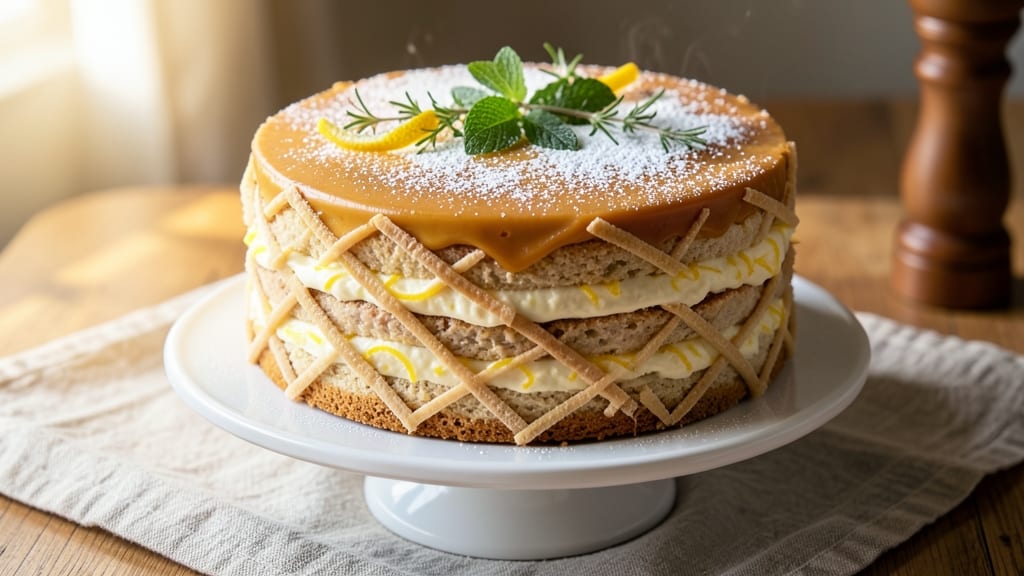
This Atkins diet cake recipe proves you can enjoy rich, moist desserts without the sugar crash or carb overload. The secret lies in almond flour and erythritol, which create a tender crumb and satisfy sweet cravings while keeping net carbs under 3 grams per serving.
After years of experimenting with low-carb baking, I finally cracked the code for a cake that passes as traditional—just with healthier ingredients.
The foundation of this recipe is a foolproof almond flour base that stays moist without gums or artificial sweeteners. Creaming butter and erythritol together creates air pockets that lighten the texture, while vanilla extract and lemon zest add bright, natural flavor without sugar.
Baking time is precise—just 25-30 minutes at 350°F—to ensure a golden top and perfectly set edges.
What you’ll end up with is a lush, moist cake that crumbles just enough for that satisfying texture, yet holds together beautifully. The vanilla-almond flavor profile is rich enough to stand alone, though you can easily customize it with cocoa powder or cinnamon for variations.
Every slice delivers that indulgent feeling without the guilt of refined sugar or high-carb flour.
This recipe is perfect for Atkins induction, keto, or anyone watching their carb intake. The ingredients are simple, the method straightforward, and the results consistently impressive. Let’s bake this cake that actually tastes like dessert—without the sugar crash.
Ingredients for atkins cake
Precision ingredients for a cake that satisfies cravings without carbs or sugar crash.
| Ingredient | Amount | Notes |
|---|---|---|
| Unsalted Butter 🧈 | ¾ cup | Cold, cubed for creaming |
| Granulated Erythritol 🍯 | ¾ cup | High-quality, fine granulation |
| Almond Flour 🌰 | 2 cups | Blanched, finely ground preferred |
| Large Eggs 🥚 | 2 whole | Room temperature for best mixing |
| Pure Vanilla Extract 🌿 | 1 tbsp | Bottled for 3+ months preferred |
| Lemon Zest 🍋 | 1 tbsp | Freshly grated, no pith |
| Baking Powder 🍞 | ½ tsp | Aluminum-free preferred |
| Diamond Crystal Kosher Salt 🧂 | ¼ tsp | Fine grain for even distribution |
| Unflavored Almond Milk 🥛 | ¼ cup | For moisture without flavor |
| Xanthan Gum 🧪 | ¼ tsp | Ensures proper structure |
| Ground Cinnamon 🌶️ | ½ tsp | Optional for warmth |
The almond flour is non-negotiable—Bob's Red Mill or Anthony's Goods are the gold standards for fine grind and consistent texture. Erythritol quality varies wildly; Lakanto or Wholesome Sweeteners brands dissolve smoothly without graininess. For the butter, Plugrá or European-style brands yield superior flavor and creaminess. Lemon zest should be freshly grated—organic lemons from Trader Joe's or local markets provide the brightest flavor. If you're using pre-ground almond flour, sift it first to prevent dense texture. The xanthan gum might seem minor, but it's what prevents that crumbly low-carb disaster—Bob's Red Mill makes a reliable version.
No erythritol? Allulose or monk fruit blend works in equal measure, though texture may vary slightly. Substituting almond flour for coconut flour requires adding an extra egg (coconut absorbs more moisture). For vanilla, imitation extract is a dealbreaker—Nielsen-Massey or McCormick Pure deliver authentic flavor. The almond milk can be swapped for unsweetened coconut milk if you prefer, though it adds a subtle coconut note. Need extra moisture? Add 1 tbsp more almond milk per cup of batter. The cinnamon is truly optional, but if you omit it, the vanilla-almond flavor becomes even more pronounced—like a sophisticated almond cake without the carbs.
Store batter in an airtight container in the fridge for up to 24 hours before baking. Baked cake keeps at room temperature for 3 days wrapped in parchment, or 1 week refrigerated. For longer storage, slice and freeze portions between parchment—3 months is standard. Reheat slices at 300°F for 5 minutes to restore moisture. The cake freezes beautifully, making it perfect for meal prep—just thaw at room temperature before serving. Always let the cake cool completely before wrapping to prevent condensation buildup.
Why You'll Love This Recipe
- Five-Ingredient Magic: I swear by this list—just butter, sweetener, almond flour, eggs, and vanilla. That’s it. No measuring cups to stress over, no weird substitutions. My lazy Sundays thank me every time.
- Buttery Vanilla Bliss: The moment I taste it, I forget it’s low-carb. That rich butter and vanilla extract combo? It’s like a warm hug for your taste buds, especially when you add a sprinkle of cinnamon on top. (Yes, even on a Tuesday night.)
- Crowd-Pleasing Neutral: Between us, this cake is the MVP at gatherings. Gluten-free friends, keto folks, and my sugar-loving mom all ask for seconds. Serve it plain, frost it with cream cheese, or crumble it over coffee—it works everywhere.
- No-Waste Wonder: A single batch feeds six, and leftovers? They last days in the fridge. Honestly, I’ve eaten slices straight from the pan when I’m in a rush—crispy edges, warm center, zero guilt. Budget-friendly too; almond flour stretches further than flour, and eggs add protein without breaking the bank.
Step-by-step instructions for low-carb moist cake
This method delivers tender, moist crumb without refined sugar or gluten.
Cream Butter and Erythritol to Lighten the Texture
In a stand mixer fitted with the paddle attachment, beat the 0.75 cup unsalted butter (cold, cubed) and 0.75 cup granulated erythritol on medium speed for 3-4 minutes. You're looking for a pale, fluffy mixture that nearly doubles in volume—this incorporates air that prevents dense texture. Scrape the bowl occasionally to ensure even mixing.
The cold butter creates tiny air pockets that distribute evenly, while the erythritol dissolves completely without the graininess of traditional sugar. Stop beating when the mixture looks like whipped cream—overmixing develops gluten-like proteins in the almond flour later.
Add Eggs and Aromatics for Structure and Flavor
Add the 2 whole large eggs one at a time, mixing on low speed for 30 seconds after each addition until fully incorporated. Add the 1 tbsp pure vanilla extract and 1 tbsp lemon zest, mixing briefly until combined. The eggs provide structure while the citrus zest adds brightness that balances the richness.
Here's the thing—don't skip letting the eggs come to room temperature first. Cold eggs create pockets of steam that can cause the cake to collapse. The lemon zest should be finely grated with no pith; I use a microplane for consistency. Mix just until combined to avoid developing gluten in the almond flour.
Combine Dry Ingredients for Even Distribution
In a separate bowl, whisk together the 2 cups almond flour, 0.5 tsp baking powder, 0.25 tsp diamond crystal kosher salt, 0.25 tsp xanthan gum, and 0.5 tsp ground cinnamon. The xanthan gum acts like gluten to bind the structure, while the cinnamon adds warmth without significant carbohydrate impact.
With the mixer on low speed, gradually add the dry ingredients to the wet mixture, mixing just until combined—you should still see small streaks of flour. Overmixing develops gluten-like proteins that make the cake tough. Stop as soon as the dry ingredients disappear. The batter will be thick but smooth, similar to cookie dough.
Incorporate Liquid and Prepare for Baking
Add the 0.25 cup unflavored almond milk and mix on low speed for another 30 seconds until just combined. The almond milk provides moisture without affecting the low-carb profile. Let the batter rest for 10 minutes at room temperature—this allows the xanthan gum to fully hydrate and the flavors to meld.
During this rest time, preheat your oven to 350°F and grease an 8-inch round cake pan or line it with parchment paper. The batter will be thick—don't be tempted to add more liquid. The almond flour absorbs moisture differently than wheat flour, and maintaining the proper ratio ensures the right texture.
Bake to Perfect Moistness
Pour the batter into the prepared pan and smooth the top with a spatula. Bake for 25-30 minutes until a toothpick inserted in the center comes out clean. The cake should be golden on top but still slightly springy to the touch—it will continue setting as it cools.
I've found that opening the oven too early causes the cake to sink. Wait until you see the edges pull away from the pan slightly and the top develop a golden crust. The internal temperature should reach between 205-210°F when done. Let the cake cool in the pan for 10 minutes before transferring to a wire rack to cool completely. This gradual cooling prevents cracking and maintains moisture.
Pro Tips For Making Atkins Cake
- Cream Butter Cold: Take your unsalted butter straight from the fridge—no softening needed. I learned this the hard way after greasing pans with melted butter that turned my cake greasy instead of golden. Use a fork to cut it into the erythritol for fluffier batter and better texture.
- Sift Almond Flour: Skip the clumps—sift your almond flour before mixing, even if it looks fine. I used to ignore this, and my cakes always ended up dense. A quick pulse in a food processor works too, but sifting guarantees a lighter crumb.
- Whisk Eggs First: Beat your eggs until they’re pale and thick before adding anything else—this makes a real difference. I used to toss them in raw, and the cake turned out gummy. Room-temperature eggs work best, but if yours are cold, let them sit for 10 minutes.
- Underbake Slightly: Pull the cake out when the edges are set but the center still jiggles—almond flour cakes firm up as they cool. I overbaked my first one and ended up with a dry, sad sponge. A toothpick should come out with a few moist crumbs, not bone dry.
Pro cooking tips for atkins cake
Almond Flour Magic
Almond flour is the backbone of this cake, but it behaves differently than wheat flour—don’t treat it the same. The key is to sift it first (even if pre-ground) to prevent dense pockets. I use a fine-mesh sieve to aerate it before mixing.
Also, measure by weight if possible—almond flour varies in density by brand. For a perfectly moist crumb, don’t overmix after adding the dry ingredients; stop as soon as they disappear. 🌰
Erythritol Dissolution
Erythritol can leave a gritty texture if not dissolved properly. Cream it with cold butter first—this helps break down the crystals before adding eggs. For extra smoothness, I pulse 1-2 tbsp of erythritol in a food processor before measuring.
If using a different sweetener like allulose or monk fruit blend, reduce by 10% since they’re sweeter. Always avoid sugar alcohols like maltitol, which cause digestive issues and don’t caramelize like erythritol. 🍯
Xanthan Gum Secret
This 0.25 tsp of xanthan gum is non-negotiable—it mimics gluten’s binding properties. Without it, your cake will crumble like sand. Don’t substitute psyllium husk (common in gluten-free baking) unless you add 1 extra egg to compensate.
For those avoiding gums, try 1 extra tbsp of ground flaxseed (mixed with 3 tbsp water) as a binder, but texture may differ slightly. 🧪
Batter Resting Time
Letting the batter rest for 10 minutes before baking is crucial—it allows the xanthan gum to fully hydrate and the flavors to meld. Skip this step, and you risk a dense or dry cake.
While waiting, preheat your oven to 350°F and grease your pan with butter or baking spray (I prefer Misto oil spray for even coverage). For extra insurance, line the pan with parchment paper to prevent sticking. ⏰
Oven Temperature Control
Your oven’s accuracy matters more than you think. Use an oven thermometer—most home ovens run 25-50°F hotter than set. For this cake, aim for 350°F ±5°F.
If your oven runs hot, reduce to 340°F to prevent overbrowning. Don’t open the oven door early—temperature fluctuations cause the cake to sink. The edges should pull away from the pan slightly when done. 🌡️
Cooling Like a Pro
Let the cake cool in the pan for 10 minutes before transferring to a wire rack. This gradual cooling prevents cracking and keeps the crumb moist. Never refrigerate immediately—condensation forms, making the cake soggy.
For storage, wrap cooled slices in parchment paper and keep at room temperature for 3 days or refrigerate for 1 week. Freeze for up to 3 months by wrapping individual slices tightly. 💫
Nutrition facts
Frequently asked questions
Can I make this cake without xanthan gum?
You can try, but expect a crumbly texture. Xanthan gum mimics gluten's binding properties—without it, your cake may fall apart. For a substitute, add 1 extra tbsp ground flaxseed (mixed with 3 tbsp water) or 1 extra egg if using psyllium husk. The texture won't be identical, but it'll hold together better.
Why does my almond flour cake turn out dense?
Overmixing or skipping the 10-minute batter rest are the most common culprits. Almond flour absorbs moisture differently than wheat flour—stop mixing as soon as dry ingredients disappear. Also, sift the almond flour before measuring to prevent dense pockets. Cold butter and proper creaming time also prevent dense texture.
Can I use coconut flour instead of almond flour?
Yes, but you'll need to adjust the recipe. For 1 cup coconut flour, add 1 extra egg and 0.25 cup more almond milk. Coconut flour absorbs much more liquid, so the batter will be thicker. The flavor will have a subtle coconut note, and the texture will be slightly denser. Test with a small batch first.
How do I make this cake chocolate-flavored?
Replace 0.5 tsp cinnamon with 0.25 cup unsweetened cocoa powder and add 0.125 cup more almond milk to compensate for dryness. For richer flavor, use dark chocolate sweetener instead of erythritol. The cake will have a deep chocolate taste with a moist crumb—just reduce baking time by 2-3 minutes since cocoa absorbs heat differently.
Will this cake work in a toaster oven?
Yes, but with adjustments. Use a 9-inch round pan instead of 8-inch and reduce oven temperature to 325°F. Bake for 30-35 minutes instead of 25-30, checking frequently after 25 minutes. Toaster ovens often run hotter, so monitor closely to prevent overbaking. The edges should pull away from the pan when done.