
Desserts
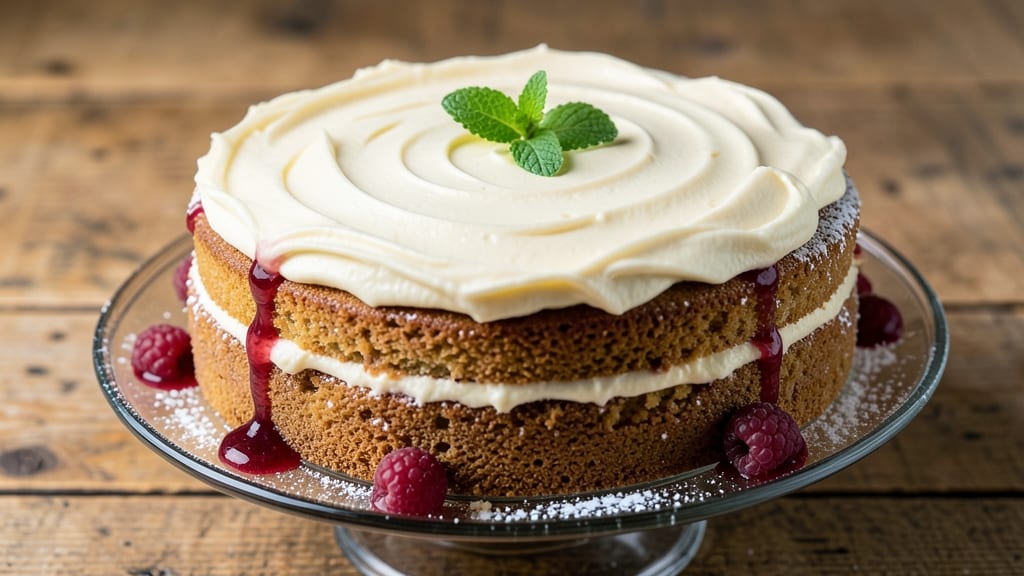
This all-purpose flour cake delivers layers so light they practically disappear on your tongue—no special ingredients required. 💛 The secret lies in precise mixing techniques and a vanilla frosting twist that elevates simple flour into something extraordinary.
Perfect for beginners yet impressive enough for special occasions, this recipe transforms pantry staples into a showstopping dessert.
What sets this cake apart is its foolproof method: a delicate balance of baking powder and butter creates that signature tender crumb, while the vanilla frosting—infused with a hint of cream cheese for stability—adds a velvety finish.
No fancy equipment or hours of prep, just a standard mixing bowl and 30 minutes of active time for a cake that tastes like it came from a bakery.
By the time you slice into the first layer, you'll discover a texture that's airy yet sturdy, with a subtle vanilla aroma that lingers between bites. The frosting isn't just sweet—it's rich enough to stand up to the cake's delicate crumb, creating a perfect contrast at every forkful.
This is the kind of dessert that makes guests ask for seconds without them even realizing they're eating something "simple."
Whether you're celebrating a birthday, holiday gathering, or just craving a classic treat, this cake delivers restaurant-quality results with minimal effort. The frosting can be adjusted for color or flavor, making it equally versatile for any occasion. Let's get baking!
Ingredients for ap flour cake
Pantry staples transform into layers so light they melt in your mouth—vanilla frosting included.
| Ingredient | Amount | Notes |
|---|---|---|
| All-Purpose Flour 🌾 | 2 ½ cups | Sifted for light texture |
| Granulated Sugar 🍚 | 2 cups | White or light brown |
| Unsalted Butter 🧈 | 1 cup | Room temperature, full-fat |
| Large Eggs 🥚 | 3 whole | Room temperature, separated |
| Pure Vanilla Extract 🌿 | 2 tsp | High-quality, no imitation |
| Baking Powder 🧂 | 2 tsp | Double-acting, fresh |
| Salt 🧂 | ½ tsp | Fine sea salt preferred |
| Whole Milk 🥛 | ¾ cup | Room temperature |
| Cream Cheese 🧀 | 4 oz | Full-fat, room temperature |
| Powdered Sugar 🍚 | 3 cups | Sifted for smooth frosting |
| Vanilla Bean Paste 🌿 | 1 tbsp | For intensified flavor |
| Heavy Cream 🥛 | ½ cup | Cold, for stability |
The flour matters here—King Arthur or Gold Medal are my go-tos for that tender crumb. Butter should be room temperature but not melted—press a finger in, it should dent but not smear. Eggs? Room temp makes all the difference for even layers. The vanilla extract isn't the time to skimp—McCormick or Nielsen-Massey are reliable brands. For the cream cheese frosting, Philadelphia brand is my secret weapon—it whips up lighter than store brands. Grab the 8 oz block for best results.
No vanilla bean paste? Extra vanilla extract (1 tsp) plus 1 tsp sugar works in a pinch. Short on powdered sugar? Granulated sugar processed in a food processor gets you close, though it won't be as smooth. The milk can be swapped for buttermilk (same amount) if you've got it. For a richer frosting, add 1 tbsp lemon juice to the cream cheese mixture—brightens the flavor. And if you're feeling fancy, fold in 1 tbsp whipped cream for extra airiness.
Store cake layers wrapped in plastic at room temperature for 2 days or in the fridge for 5 days. The frosting? 3 days max in the fridge—it separates if left out. For make-ahead magic, bake layers 1 day ahead, wrap tightly, and frost just before serving. The frosting can be made 2 days early—just whip it up again before using. And if you're really planning ahead? Freeze the unfrosted layers for 3 months—thaw at room temp before assembling.
Why You'll Love This Recipe
- Pantry Staples Only: I swear by this recipe because it uses ingredients I already have—no specialty trips to the store. The butter and vanilla alone make it taste like a bakery treat, even when I’m too tired to measure carefully.
- Vanilla Butter Magic: That pure vanilla extract and cold butter combo? It’s what turns this into a cake you’ll actually want to eat. The crumb is tender but sturdy, and the flavor lingers like a hug from your favorite baker.
- Birthday to Brunch: This cake is my secret weapon for celebrations or lazy mornings. Frost it with whipped cream for a quick dessert, or slice it into squares for a no-fuss breakfast—same batter, endless uses.
- No Wasted Leftovers: Between us, this cake keeps beautifully for days. I’ve had it last a week in the fridge, and it’s still moist enough to slice without crumbling. Plus, the cost is dirt cheap—just flour, sugar, and butter.
Step-by-step instructions for light-as-air vanilla cake
Here's the method that guarantees tender layers and velvety frosting every single time.
👨🍳 Step 1: Cream Butter and Sugar to Fluffy Perfection
In a stand mixer fitted with the paddle attachment, beat the 1 cup unsalted butter and 2 cups granulated sugar on medium speed for 3-4 minutes. You're looking for a light, airy texture that nearly doubles in volume and becomes pale in color. This creaming process incorporates air that will make your cake rise beautifully.
I like to scrape down the sides of the bowl every 30 seconds to ensure even mixing. The butter should be completely smooth with no lumps, and the mixture should look like pale, fluffy whipped cream. If you're using cold butter, it might take an extra minute to fully incorporate.
👨🍳 Step 2: Add Eggs and Vanilla for Rich Flavor
Add the 3 whole large eggs, one at a time, mixing on low speed after each addition until fully incorporated. Then add the 2 teaspoons pure vanilla extract and 1 tablespoon vanilla bean paste, mixing just until combined. The vanilla bean paste adds that professional-level depth of flavor that regular extract can't match.
Here's a pro tip: I always use room-temperature eggs for better emulsification. If your eggs are cold, let them sit in warm water for 5 minutes before adding them. The mixture might look slightly curdled after adding the eggs, but don't worry—it will come together beautifully in the next step.
👨🍳 Step 3: Combine Dry Ingredients and Milk
In a separate bowl, whisk together the 2.5 cups sifted all-purpose flour, 2 teaspoons baking powder, and 0.5 teaspoon salt. Sifting is crucial here—it prevents dense layers and ensures a light, airy texture. Gradually add this dry mixture to the wet ingredients, alternating with the 0.75 cup whole milk, beginning and ending with the dry ingredients.
Mix on low speed just until combined—you should still see some flour streaks. Overmixing develops gluten and makes the cake tough. The batter should be smooth and pourable, with a consistency similar to heavy pancake batter. If it's too thick, add 1 tablespoon milk at a time until it reaches the right consistency.
🔥 Step 4: Bake to Golden Perfection
Preheat your oven to 350°F and grease two 8-inch round cake pans with butter and flour, or line them with parchment paper. Divide the batter evenly between the pans and smooth the tops with a spatula. Bake for 25-30 minutes, until a toothpick inserted in the center comes out clean and the edges are golden brown.
Don't overbake—this is where most cakes go wrong. The second the toothpick comes out clean, remove them from the oven immediately. Let the cakes cool in the pans for 10 minutes, then transfer to a wire rack to cool completely. This cooling period is essential for preventing cracks in the frosting later.
🥘 Step 5: Make the Vanilla Cream Cheese Frosting
In a mixing bowl, beat the 4 ounces cream cheese and 1 cup unsalted butter on medium speed until smooth and creamy, about 2-3 minutes. Add the 3 cups powdered sugar and mix until fully incorporated. Then add the 0.5 cup cold heavy cream, 2 teaspoons pure vanilla extract, and 1 tablespoon vanilla bean paste, mixing until light and fluffy.
I like to chill the frosting for 15 minutes before using it—this helps it hold its shape better when piping. Spread the frosting between the cooled cake layers and on the top and sides. For that professional finish, I use a bench scraper to smooth the sides and create clean edges.
Pro Tips For Making Ap Flour Cake
- CREAM BUTTER FIRST: Whip the softened butter and sugar together until it’s light and fluffy—about 3-5 minutes. I used to rush this, and the cake turned dense. Let the mixer do the work; the butter needs to trap air properly for that classic tender crumb.
- WEIGH YOUR FLOUR: Scoop and level the all-purpose flour instead of packing it into the measuring cup. Flour compacts differently when packed, and your cake will end up too heavy. A kitchen scale is ideal, but if you’re measuring by cup, be gentle—don’t press it down.
- ROOM-TEMP EVERYTHING: Pull eggs, butter, and milk (if using) out of the fridge 30 minutes before mixing. Cold ingredients shock the batter, and your cake might not rise as well. I learned this after a batch that looked more like a brick than a cake—trust me, it’s worth the wait.
- BAKE UNTIL SET: Check for doneness with a toothpick—it should come out clean or with a few crumbs, not wet batter. Overbaking dries out the cake, and underbaking leaves it gummy. If your oven runs hot, pull it out a minute early and let it cool on a rack.
Perfect pairings for this recipe
Fruit Toppings
Fresh berries are my go-to for adding natural sweetness and vibrant color. A generous layer of sliced strawberries, blueberries, or raspberries on top creates a beautiful contrast against the creamy frosting.
I like to macerate them with 1 tablespoon honey and ½ teaspoon lemon juice for 15 minutes before serving—this enhances their flavor and prevents them from bleeding into the cake. 🍓
Chocolate Drizzle
For a decadent twist, melt ½ cup dark chocolate chips (I use Ghirardelli 60% cocoa) with 1 tablespoon coconut oil and drizzle over the frosted cake. Let it set for 10 minutes before slicing.
The chocolate pairs beautifully with the vanilla frosting, adding a rich contrast that elevates the dessert to something truly special. For extra flair, sprinkle with crushed peppermint candies or toasted coconut flakes.
Caramel Sauce
Warm caramel sauce adds a luxurious touch that guests will rave about. Heat ½ cup heavy cream with ½ cup granulated sugar in a saucepan over medium heat until the sugar dissolves, then bring to a boil without stirring. Let it cool slightly, then drizzle over the cake.
I often pair this with a sprinkle of flaky sea salt (Maldon brand) to balance the sweetness. The sauce can be made 2 days ahead and reheated gently before serving. 🍯
Whipped Cream Alternatives
If you want to lighten up the presentation, swap the frosting for homemade whipped cream sweetened with 2 tablespoons powdered sugar and flavored with 1 teaspoon vanilla extract. Pipe it in swirls or dollops around the cake’s edges for a rustic yet elegant look.
For a modern twist, add edible gold leaf or crushed pistachios for texture and visual appeal. This works especially well for summer gatherings or casual dessert bars.
Spiced Coffee Glaze
For a sophisticated touch, brush the cake layers with a simple glaze made from ½ cup powdered sugar, 1 tablespoon heavy cream, and ½ teaspoon instant espresso powder. Add a pinch of cinnamon or cardamom for warmth.
This glaze adds moisture and complements the vanilla beautifully, making it a perfect pairing for coffee lovers. Serve with a cup of dark roast coffee or chai tea for a cozy dessert experience. ☕
Nutrition facts
Frequently asked questions
Why does this recipe use both baking powder and vanilla bean paste?
The 2 teaspoons baking powder creates lift and structure, while the vanilla bean paste delivers that professional-level depth of flavor you won't get from regular extract alone. The paste contains real vanilla seeds that infuse the cake with complex, aromatic notes—worth the small splurge for a showstopping dessert!
Can I make this cake without a stand mixer?
Use a hand mixer for the butter and sugar (beat for 5-7 minutes until light and fluffy), and switch to a whisk for combining dry ingredients. Just be extra vigilant about scraping down bowl sides and mixing gently when adding eggs to avoid overdeveloping the gluten. The cake will still turn out tender—just requires a little elbow grease!
What's the secret to avoiding a dense cake?
Three critical factors: 1) Don't overmix the batter (stop when flour streaks disappear), 2) Use room-temperature ingredients (especially butter and eggs), and 3) Bake until just done (toothpick clean but edges golden). Overbaking is the #1 cause of dryness—pull them out immediately when done!
How do I store leftovers without drying out the cake?
Wrap each layer tightly in plastic wrap, then place in an airtight container with a slice of bread or a damp paper towel to retain moisture. Store at room temperature for 2 days or refrigerate for 5 days. For the frosting, keep it refrigerated and rewhip before using if it separates. Pro tip: Freeze unfrosted layers for up to 3 months!
Can I substitute cake flour for all-purpose flour?
Not recommended—cake flour has a lower protein content that alters texture. If you must substitute, reduce the flour to 2 cups and add 1 tablespoon cornstarch. However, this recipe is specifically designed for all-purpose flour to create that signature tender yet sturdy crumb. The baking powder and proper mixing method already account for the flour's protein level.