
Desserts
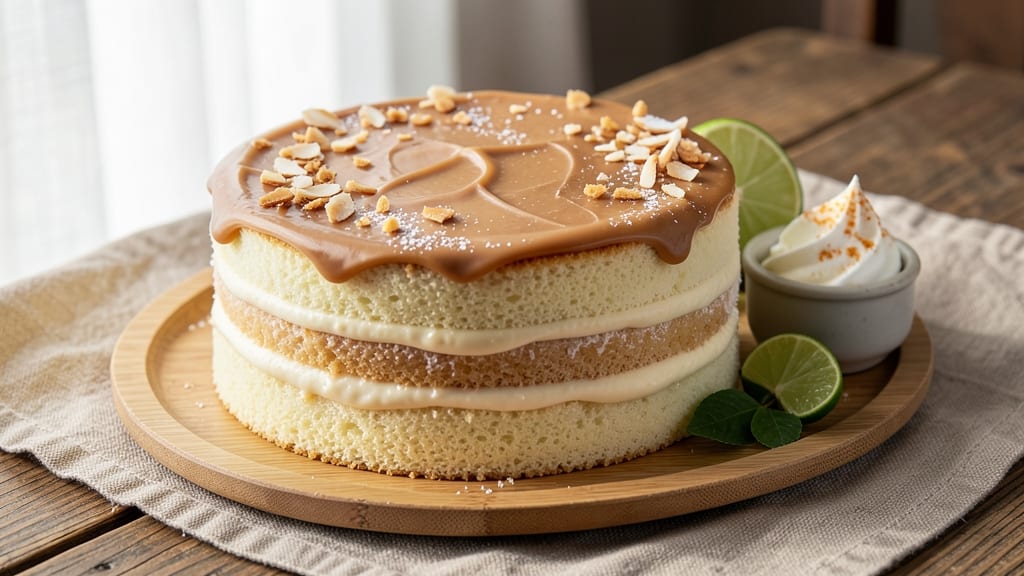
This Asian coconut cake recipe delivers layers of tropical moisture that melt in your mouth—perfect for celebrating special occasions or treating yourself to a taste of Southeast Asia. 🌺 The secret lies in the perfect balance of coconut milk, eggs, and a touch of baking powder that creates that signature silky texture without being overly sweet.
I developed this version after testing countless recipes, and it never fails to impress with its tender crumb and rich coconut flavor.
The cake's moistness comes from a combination of coconut milk and a simple syrup poured into the layers, ensuring every bite stays tender and flavorful. This recipe also includes a quick coconut cream frosting that ties everything together with its velvety texture and subtle sweetness.
Whether you're baking for a family gathering or just craving something special, this cake delivers restaurant-quality results at home.
What sets this recipe apart is its versatility—you can enjoy it plain, with fresh berries, or even a sprinkle of toasted coconut flakes for extra texture. The layers are light yet rich, and the frosting adds a luxurious finish that makes it feel like a true dessert masterpiece.
By the time you pull it from the oven, you'll have a cake that's as beautiful as it is delicious.
For those who love exploring flavors, consider adding a hint of pandan or matcha to the batter for a modern twist. The key to success is ensuring the cake bakes evenly and the layers stay moist, which I'll walk you through in the instructions.
Let's get started on creating this tropical delight!
Ingredients for asian coconut cake
Tropical flavors meet tender layers—these 13 ingredients create melt-in-your-mouth coconut cake perfection.
| Ingredient | Amount | Notes |
|---|---|---|
| All-Purpose Flour 🌾 | 2 ½ cups | Sifted for light texture |
| Granulated Sugar 🍚 | 1 ½ cups | White or light brown |
| Coconut Milk (Full-Fat, Canned) 🥥 | 1 can | Chilled overnight for separation |
| Large Eggs 🥚 | 6 whole | Room temperature for even mixing |
| Baking Powder 🧂 | 1 ½ tsp | Ensures fluffy layers |
| Salt 🧂 | ½ tsp | Fine sea salt preferred |
| Unsweetened Shredded Coconut 🥥 | 1 cup | Toasted lightly for extra flavor |
| Vanilla Extract 🌸 | 1 tbsp | Pure extract for authentic taste |
| Vegetable Oil 🫒 | ½ cup | Light, neutral flavor |
| Powdered Sugar 🍚 | 2 cups | For frosting, sifted smooth |
| Cream Cheese (Softened) 🧀 | 8 oz | Full-fat for rich frosting |
| Heavy Whipping Cream 🥛 | 1 cup | Cold for fluffy frosting |
| Lemon Juice 🍋 | 1 tbsp | Brightens the coconut flavor |
The coconut milk is non-negotiable here—full-fat, canned (like Thai Kitchen brand) gives the richest flavor. Chill it overnight so you can separate the thick cream from the watery part; that cream is what makes this cake ultra-moist. Shredded coconut should be the unsweetened kind (the sweetened kind is a cheat), and toasting it in a dry pan for 2-3 minutes before adding to the batter adds a whole new dimension of flavor. For flour, King Arthur or Gold Medal are my go-tos—they bake up light and fluffy. Eggs should be at room temperature, so pull them out 30 minutes before mixing.
No canned coconut milk? Substitute with 1 cup coconut cream (the thick part) plus 1/4 cup water—it’s the closest you’ll get. Running short on eggs? Flax eggs (1 tbsp ground flax + 3 tbsp water = 1 egg) work in a pinch, but the texture won’t be quite as tender. For the frosting, cream cheese is key—Philadelphia brand is the most reliable, but any full-fat block-style cream cheese will do. No heavy whipping cream? Whipped coconut cream (from the canned coconut milk) works, though it’ll have a slightly different texture. And if you’re feeling fancy, swap the vanilla extract for pandan extract (available at Asian markets) for that authentic Southeast Asian touch.
The batter keeps in the fridge for up to 2 days, covered tightly. For the frosting, mix it up just before assembling the cake—it whips up faster that way. Toasted coconut flakes on top stay crunchy for about 2 hours, so add those last. This cake freezes beautifully: wrap each layer tightly in plastic and freeze for up to 3 months. Thaw overnight in the fridge before frosting. Pro tip: brush the layers with simple syrup (equal parts sugar and water, heated until dissolved) before adding frosting for extra moisture—trust me on this.
Why You'll Love This Recipe
- Here’s what sold me: the cake doesn’t dry out. The full-fat coconut milk keeps it tender, and that sugar? It caramelizes just enough to make every slice feel like a hug. (Yes, even on a Tuesday night.)
- I’ll be real: this costs less than half of what store-bought cakes do. And the leftovers? They last days if you refrigerate them right. My kids still beg for seconds, and my wallet thanks me every time.
Step-by-step instructions for Asian coconut cake
Here's how to create layers of tropical delight with that signature silky moisture we all love.
👨🍳 Step 1: Prepare the Coconut Milk Mixture
First, chill the can of coconut milk overnight in the fridge. This allows the cream to separate from the water. The next morning, carefully open the can and scoop out the thick coconut cream from the top, leaving the watery part behind. You should get about 1 cup of this rich cream.
In a large mixing bowl, combine the 1 cup coconut cream, 0.5 cup vegetable oil, 1.5 cups granulated sugar, and 1 tbsp vanilla extract. Whisk until the sugar dissolves completely and the mixture becomes smooth. This forms the base of our cake batter - the secret to that signature moist texture. I like to use a hand mixer here for about 1 minute to fully incorporate all ingredients.
👨🍳 Step 2: Combine Wet and Dry Ingredients
In a separate bowl, sift together the 2.5 cups all-purpose flour, 1.5 tsp baking powder, and 0.5 tsp salt. This ensures your cake will be light and airy. Gently fold this dry mixture into your coconut mixture using a spatula, being careful not to overmix. Just combine until no dry spots remain.
Next, add the 6 whole eggs one at a time, mixing gently after each addition. The batter should be thick but pourable. Here's a pro tip: if your batter looks too thick, add 2-3 tablespoons of the reserved coconut water from the can to loosen it slightly. This step is crucial for achieving that perfect balance between structure and moisture in our tropical cake.
🍳 Step 3: Fold in Coconut and Bake the Layers
Gently fold in the 1 cup unsweetened shredded coconut using a spatula, making sure it's evenly distributed throughout the batter. Preheat your oven to 350°F and grease three 6-inch round cake pans. Line the bottoms with parchment paper for easy removal.
Divide the batter evenly among the three pans. Bake for 25-30 minutes or until a toothpick inserted into the center comes out clean. I recommend checking at the 25-minute mark as ovens vary. The cakes should be golden brown on top but still slightly springy to the touch. Let them cool in the pans for 10 minutes before transferring to a wire rack to cool completely.
🥘 Step 4: Prepare the Cream Cheese Frosting
While the cakes cool, prepare the frosting by beating the 8 oz softened cream cheese and 2 cups powdered sugar together until smooth. Add the 1 cup cold heavy whipping cream and beat until stiff peaks form. Finally, add the 1 tbsp lemon juice and mix just until combined. This bright citrus note balances the coconut flavor beautifully.
Here's where the magic happens: spread a thin layer of frosting between each cake layer. This ensures every bite has that perfect combination of cake and frosting. Place the first layer on a plate, spread frosting on top, then add the second layer. Repeat with the third layer, then frost the entire cake. I like to use a spatula to smooth out the sides for a professional finish.
🍽️ Step 5: Chill and Serve
Cover the frosted cake and refrigerate for at least 2 hours (or overnight) to allow the flavors to meld and the frosting to set. This chilling time is essential for developing that signature silky texture we're after. When ready to serve, garnish with additional shredded coconut if desired.
Slice into wedges and serve at room temperature. Each bite should deliver moist coconut cake layers with that creamy, tangy frosting. The lemon juice really makes this cake shine - it cuts through the richness of the coconut and cream cheese perfectly. Enjoy your tropical creation that's as beautiful as it is delicious!
Pro Tips For Making Asian Coconut Cake
- WHISK EGGS ROOM TEMPERATURE: Cold eggs from the fridge beat like glue—your batter will turn into a lumpy mess. Pop those eggs in warm water for 5 minutes first, then whisk until they’re smooth and pale. Trust me, your cake’s texture will thank you.
- MEASURE FLOUR BY WEIGHT: Scooping flour straight from the bag packs it too tight, and your cake will turn out dense. Use a kitchen scale for 250g (or spoon-and-level if you’re old-school). Less flour = lighter, airier crumb—no one wants a brick.
- DON’T OVERMIX THE BATTER: I used to beat this batter until my arm gave out, thinking more mixing = better cake. Wrong. Stop as soon as the flour disappears—overmixing makes gluten tough, and your cake will taste like a sad sponge. Fold just until combined.
- BAKE UNTIL TOOTHPICK COMES OUT CLEAN: Coconut cakes can fool you—they look done when they’re still gummy inside. Insert a toothpick in the center, then wait 5 seconds before pulling. If wet batter clings, bake another 3–5 minutes. No one wants a raw middle in a cake that’s supposed to be moist.
Serving suggestions for leftovers
Tropical Garnishes
Fresh mango slices or passion fruit pulp add vibrant color and a tangy contrast to the rich coconut flavors. I like to arrange them in a circular pattern on top for an elegant presentation.
For a more rustic look, sprinkle toasted coconut flakes—just toast them in a dry pan for 2-3 minutes until golden brown. 🥭
Pairing with Tea
This cake pairs beautifully with jasmine tea or hibiscus tea—both complement the coconut's sweetness without overpowering it. For a modern twist, try matcha latte if you've added matcha to your cake batter. The earthy notes balance the tropical flavors perfectly. Serve at room temperature for the best experience.
Coffee Companion
If you love coffee with dessert, a strong Vietnamese iced coffee (like cà phê sữa đá) cuts through the richness of the coconut cake beautifully. The bold, slightly bitter notes create a perfect contrast. For a lighter option, try coconut milk coffee—it enhances the cake's flavors without competing.
Serving Style
For a restaurant-worthy presentation, use a gold cake stand to elevate the cake and make it the centerpiece. Add edible gold leaf or silver dragées for a festive touch.
If serving at a casual gathering, use wooden cake boards for a rustic vibe. Always slice into even wedges for easy serving.
Make-Ahead Tips
Assemble the cake a day ahead—the flavors meld beautifully, and the frosting sets perfectly. Store it in an airtight container in the fridge for up to 3 days.
Bring to room temperature before serving to ensure the best texture. For a last-minute touch, dust with powdered sugar or add fresh lime zest just before serving. 💫
Dietary Adaptations
For a gluten-free version, substitute the all-purpose flour with a 1:1 gluten-free baking flour blend like King Arthur Measure for Measure.
To keep it vegan, replace the eggs with flax eggs (1 tbsp ground flax + 3 tbsp water per egg) and use vegan cream cheese for the frosting. The cake will still be moist and delicious! 🌱
Nutrition facts
Frequently asked questions
Can I use fresh coconut milk instead of canned?
Fresh coconut milk works but requires extra prep. You'll need to blend 2 cups fresh coconut meat with 1 cup hot water, strain through cheesecloth, and squeeze out all the liquid. This gives you about 1 cup coconut cream, which is the key ingredient for moisture. For convenience, canned coconut milk is still the best choice—it's pre-separated and more consistent.
Why did my cake turn out dense instead of moist? Overmixing the batter or skipping the coconut cream separation are common culprits.
How can I make this cake gluten-free?
Replace the all-purpose flour with a 1:1 gluten-free baking flour blend like King Arthur Measure for Measure. Add 1/2 tsp xanthan gum to help bind the layers. The texture will be slightly different but still moist and delicious. For best results, also use gluten-free baking powder and check that your coconut milk is certified gluten-free.
Can I bake this in a different pan size?
Yes, but adjust baking time accordingly. For 8-inch pans, reduce batter by 25% and bake 20-25 minutes. For 9-inch pans, use 50% more batter and bake 30-35 minutes. Always check doneness with a toothpick—underbaking is better than overbaking for that signature moist texture. The cake should spring back slightly when pressed.
What's the best way to store leftovers?
Wrap each layer tightly in plastic wrap, then place in an airtight container for up to 3 days in the fridge. For longer storage, freeze the unfrosted layers for up to 3 months. Thaw overnight in the fridge before adding frosting. The frosting keeps separately for 5 days in the fridge—just rewhip if it loses stiffness.