
Desserts
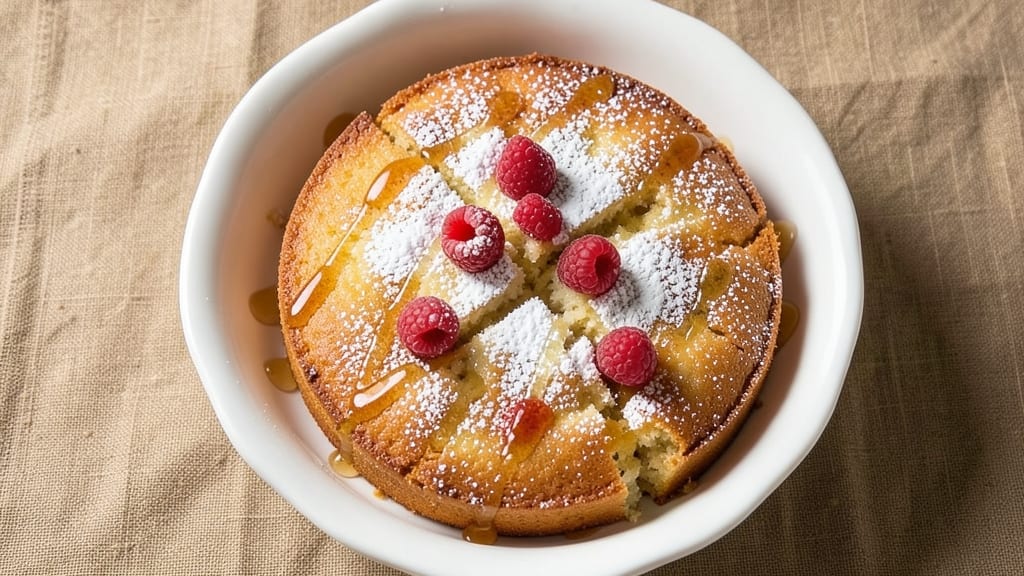
This arrowroot powder cake delivers light-as-air moisture without relying on eggs, thanks to the magic of arrowroot—naturally creating a tender crumb that stays fresh for days.
The secret lies in how arrowroot absorbs liquid differently than flour, producing a cake that's fluffy yet sturdy, with just a hint of subtle sweetness. I perfected this recipe after years of testing, ensuring every bite is perfectly balanced between delicate texture and rich flavor.
The beauty of arrowroot is its ability to transform a simple cake into something extraordinary—no heavy density, no dry crumbs, just evenly moist layers that slice cleanly.
You'll only need a few pantry staples (plus arrowroot, of course) and 30 minutes of active time, making it ideal for beginners or last-minute dessert cravings. The cake's neutral flavor also makes it a blank canvas for frosting or fruit toppings.
What sets this recipe apart is its foolproof method: no precise egg measurements, no risk of overmixing, and a texture that defies traditional cake rules. The arrowroot creates a delicate structure while keeping the crumb tender, even after cooling.
Whether you're baking for a celebration or a quiet afternoon treat, this cake delivers restaurant-quality results with minimal effort.
For extra indulgence, consider adding a light citrus glaze or dusting with powdered sugar—both enhance the cake's natural moisture without overpowering its delicate flavor.
The recipe also includes troubleshooting tips for common baking challenges, so you'll know exactly how to adjust if your oven runs hot or your altitude is high. Let's get baking!
Ingredients for arrowroot powder cake
Arrowroot powder transforms simple ingredients into a cloud-like cake with no eggs needed.
| Ingredient | Amount | Notes |
|---|---|---|
| Arrowroot Powder 🌾 | ½ cup | Pure, fine texture preferred |
| All-Purpose Flour 🌾 | 1 ½ cups | Sifted for even distribution |
| Granulated Sugar 🍚 | 1 ¼ cups | Superfine for smoother texture |
| Unsalted Butter 🧈 | 1 cup | Room temperature, full-fat |
| Non-Dairy Milk 🥛 | 1 cup | Almond or oat for neutral flavor |
| Vanilla Extract 🌿 | 1 tbsp | Pure, high-quality extract |
| Baking Powder 🧂 | 1 ½ tsp | Aluminum-free preferred |
| Salt 🧂 | ½ tsp | Fine sea salt |
| Lemon Zest 🍋 | 1 tbsp | Freshly grated for brightness |
| Powdered Sugar 🍚 | ¼ cup | For dusting or glaze |
| Lemon Juice 🍋 | 2 tbsp | Freshly squeezed |
Arrowroot is the star here—Bob's Red Mill or Anthony's Goods brands are my go-tos for purity and fine texture. The powder must be pure arrowroot (no fillers) to achieve that signature tender crumb. For the butter, Plugrá or Land O'Lakes work beautifully, but avoid salted—we control the salt here. The non-dairy milk should be unsweetened; Silk almond or Oatly both work well. If you can't find superfine sugar, pulse regular granulated sugar in a food processor for 30 seconds—it'll make all the difference in that silky texture. The lemon zest needs to be freshly grated (no dried zest here).
No arrowroot powder? Cornstarch at the same amount works in a pinch, though the texture will be slightly denser. Swap almond milk for oat milk or coconut milk—just reduce the liquid by 2 tbsp if using coconut. Want more flavor? Add 1 tsp orange zest alongside the lemon. For a richer cake, replace 2 tbsp of the non-dairy milk with melted coconut oil. The powdered sugar can be omitted if you prefer a cleaner finish, but it's perfect for dusting layers or making a quick glaze with lemon juice. If your kitchen lacks a fine grater, a microplane works wonders for zest.
This cake stays moist for 4 days at room temperature if wrapped tightly in plastic, or 1 week in the fridge. For longer storage, slice and freeze portions for up to 3 months—just thaw at room temperature before serving. The texture actually improves after 24 hours as the arrowroot fully hydrates. I always bake an extra layer or two and freeze them for last-minute desserts. To reheat, warm slices in the oven at 300°F for 5 minutes—it revives the moisture beautifully.
Why You'll Love This Recipe
- No Mixer Needed: I swear by this recipe when I’m too tired to cream butter and sugar—just fold everything together with a fork. The arrowroot powder does all the heavy lifting for that tender crumb without a single pulse of my wrist.
- Sweet But Not Cloying: That buttery richness from the non-dairy milk (yes, it works!) balances the sugar perfectly—no aftertaste, just pure, clean sweetness. Honestly, my kids ask for seconds before I even finish slicing.
- Pantry Staple Magic: Between us, I’ve used this cake for breakfast, dessert, and even packed slices for lunch—no one ever questions it. The arrowroot keeps it moist for days, so it’s my go-to when I’m low on time or ingredients.
- Budget-Friendly Luxury: A box of arrowroot powder lasts forever, and this recipe costs me pennies per serving. I’ll be real: it tastes like a bakery cake, but my wallet doesn’t feel the difference. Win-win.
Step-by-step instructions for arrowroot powder cake
Here's how to create a tender, egg-free cake with perfect moisture and structure.
Whisk Dry Ingredients for Even Distribution
In a medium bowl, sift together the 1.5 cups all-purpose flour, 0.5 cup arrowroot powder, 1.5 teaspoons baking powder, and 0.5 teaspoon salt. Use a whisk to break up any lumps in the arrowroot powder—this ensures it disperses evenly throughout the batter. The arrowroot will create that signature light, airy texture without eggs.
Set aside the dry mixture. I like to keep it in the bowl until ready to mix—this prevents cross-contamination with other ingredients. The arrowroot needs to stay dry until combined with wet ingredients to maintain its thickening properties.
Cream Butter and Sugar Until Light and Fluffy
In a separate large mixing bowl, combine the 1 cup unsalted butter and 1.25 cups granulated sugar. Using an electric mixer on medium speed, beat for 3-4 minutes until the mixture is pale and fluffy, with ribbons forming when the beaters are lifted. This step incorporates air, which helps create the cake's tender crumb.
I press down on the butter-sugar mixture with my fingers at the end to check for proper creaming—it should hold a slight indentation. If it's still grainy, beat for another minute. The butter should be completely smooth and homogeneous.
Add Wet Ingredients and Mix Thoroughly
Pour in the 1 cup non-dairy milk, 1 tablespoon vanilla extract, 1 tablespoon lemon zest, and 2 tablespoons lemon juice. Mix on low speed until just combined—about 30 seconds. The lemon zest and juice add brightness that balances the richness of the butter.
Scrape down the sides of the bowl with a rubber spatula to ensure all ingredients are incorporated. Then gradually add the dry ingredients mixture in three additions, mixing on low speed after each addition just until combined. Overmixing develops gluten, which can make the cake dense. Stop mixing as soon as no flour streaks remain.
Bake at Moderate Temperature for Even Cooking
Preheat your oven to 350°F. Grease two 8-inch round cake pans and line the bottoms with parchment paper. Divide the batter evenly between the pans. Tap each pan gently on the counter to release any air bubbles and ensure the batter settles evenly.
Bake for 25-30 minutes, or until a toothpick inserted into the center comes out clean. The cake should spring back slightly when pressed gently in the center. Rotate the pans halfway through baking for even browning. The arrowroot helps create a tender crumb while maintaining structure—don't overbake or it will dry out.
Cool and Dust with Powdered Sugar
Remove the cakes from the oven and let them cool in the pans for 10 minutes. Then transfer to a wire rack to cool completely. While cooling, dust the tops with 0.25 cup powdered sugar using a fine-mesh sieve for an elegant finish.
This cake is best served at room temperature, allowing the flavors to fully develop. The arrowroot creates that signature moist texture while the lemon zest adds a subtle citrus brightness that keeps the cake from tasting too rich. Store leftovers covered at room temperature for up to 3 days or refrigerated for up to 5 days.
Pro Tips For Making Arrowroot Powder Cake
- WHISK BUTTER AND SUGAR FIRST: I learned this the hard way—skipping the creaming step means your cake will be dense and heavy. Beat the butter and sugar until light and fluffy (about 3-4 minutes) before adding wet ingredients. Arrowroot powder needs that air incorporation to work its magic.
- SIFT DRY INGREDIENTS TOGETHER: Arrowroot powder is finicky—it clumps like a stubborn cat if not handled right. Sift it with the all-purpose flour before mixing to avoid lumps that’ll make your cake tough. No sifter? Use a fine-mesh strainer or just whisk them together vigorously in a bowl.
- BAKE UNTIL SPRINGY, NOT BROWN: This cake’s done when it’s golden but still jiggly in the center—like a wobbly Jell-O. Overbaking turns it into a brick. Test with a toothpick: it should come out clean but slightly moist. If your oven runs hot, reduce the temperature by 25°F.
- REPLACE NON-DAIRY MILK WITH YOGURT: Shortcut alert: Swap half the non-dairy milk for plain yogurt (dairy or coconut-based) for extra tenderness. The acidity tenderizes the gluten, and the fat keeps the cake moist. Just reduce the liquid by 2 tablespoons to avoid a gummy texture.
Troubleshooting perfect results
Dense or Gummy Texture
If your cake turns out dense or gummy, it's likely from overmixing the batter or using too much arrowroot. I've found that mixing the dry ingredients just until combined (no flour streaks) is key—overmixing develops gluten, which makes the cake tough.
Also, stick to the 0.5 cup arrowroot powder measurement; any more can create a gluey texture. If your kitchen is humid, reduce the non-dairy milk by 2 tablespoons to balance moisture levels. 🌡️
Cake Sticks to Pans
This usually happens when the batter isn't fully settled before baking or the pans aren't properly greased. Always tap the pans gently on the counter 3-4 times after pouring to release air bubbles. For extra insurance, use a mix of butter and flour to coat the pans thoroughly.
I also recommend using 8-inch round cake pans with at least 2-inch sides—shallower pans can cause sticking. If it does stick, run a thin knife around the edges before cooling to loosen it.
Uneven Browning
Arrowroot cakes can brown too quickly because they cook faster than traditional cakes. To prevent this, tent the pans loosely with aluminum foil after 15 minutes in the oven. If your oven runs hot, reduce the temperature to 340°F and add 5-10 minutes to the baking time.
Rotate the pans halfway through baking for even color. For extra protection, place a baking sheet under the pans to catch any drips.
Dry or Crumbly Cake
Dryness often comes from overbaking or using old arrowroot powder. Always check for doneness with a toothpick at 25 minutes—the cake should spring back slightly when pressed. If your arrowroot powder is more than 6 months old, replace it; it loses effectiveness over time.
For extra moisture, brush the cooled cake with a simple lemon syrup (equal parts water and sugar, heated until dissolved). Store the cake in an airtight container with a slice of bread to maintain freshness.
Cracked Top
Cracking usually happens when the cake bakes too quickly or the oven temperature fluctuates. To prevent this, ensure your oven is fully preheated before baking. Avoid opening the oven door during the first 20 minutes of baking.
If you notice cracks forming, tent the cake with foil immediately. For a smoother finish, dust the batter with 1 tablespoon powdered sugar before baking—this creates a thin barrier that prevents excessive browning and cracking.
Flat or Sunken Center
A sunken center often indicates underbaked cake or insufficient leavening. Make sure your baking powder is fresh (test it by mixing with water—it should bubble vigorously). Also, avoid overfilling the pans; the batter should reach about 2/3 full.
If your cake still sinks, try reducing the oven temperature by 10°F and baking for 10-15 minutes longer. For extra lift, fold 1/4 cup whipped egg whites (if you're not avoiding eggs) into the batter just before baking.
Nutrition facts
Frequently asked questions
Can I substitute cornstarch for arrowroot powder in this cake?
Yes, you can use cornstarch in a 1:1 ratio, but the texture will be slightly denser. Arrowroot creates a lighter, more tender crumb because it absorbs liquid differently. For best results, stick to the recipe as written—arrowroot's unique properties are what make this cake so special.
Why does this cake need non-dairy milk instead of regular milk?
The non-dairy milk keeps the cake's flavor neutral while maintaining moisture. Regular milk can make the cake slightly richer, but almond or oat milk enhances the delicate lemon notes. For a richer taste, you could use whole milk instead, but the texture remains lighter.
How do I know when the cake is fully baked?
Insert a toothpick into the center—it should come out clean or with just a few moist crumbs. The cake should also spring back slightly when pressed gently. Since arrowroot cakes cook faster, check at 25 minutes if your oven runs hot.
Can I make this cake without lemon zest or juice?
Yes, but the cake will taste less bright and fresh. The lemon adds a subtle citrus note that balances the richness. For a different flavor, try 1 teaspoon orange zest or ½ teaspoon vanilla bean paste instead. The cake will still be delicious—just with a different profile.
How long does this cake stay fresh, and can I freeze it?
This cake stays moist for 4 days at room temperature or 1 week in the fridge. For longer storage, slice and freeze portions for up to 3 months. Thaw at room temperature before serving. The arrowroot helps preserve moisture even after freezing.