
Desserts
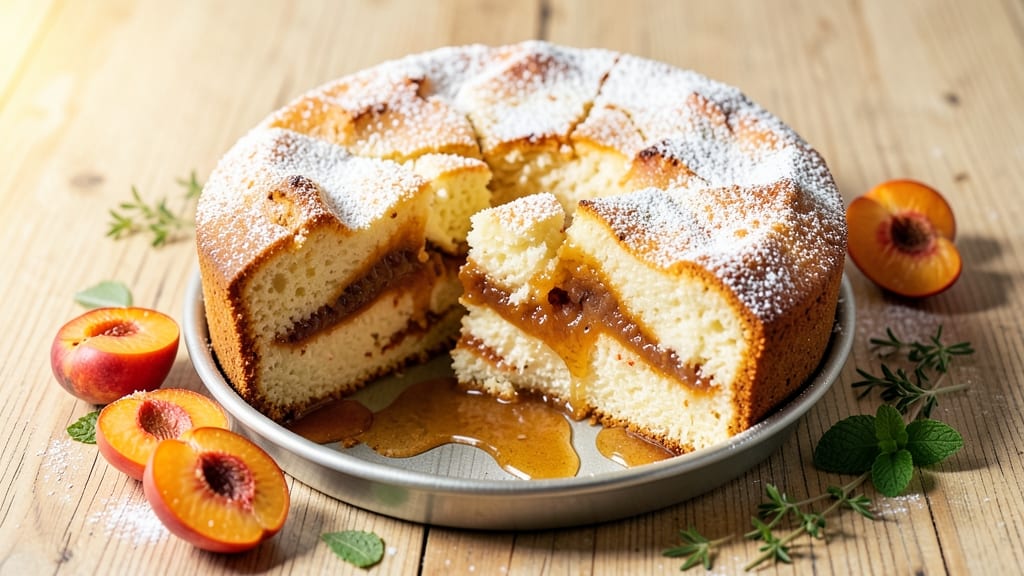
This apricot nectar pound cake delivers the perfect balance of tender crumb and fruity depth, with every slice bursting with natural sweetness. The secret lies in folding apricot nectar into the batter, creating a cake that's impossibly moist without being dense.
I've perfected this recipe over years of baking, ensuring the nectar's vibrant flavor shines through while maintaining that classic pound cake structure.
The recipe combines classic ingredients—flour, sugar, eggs, and butter—with the fruity richness of apricot nectar, baked at a steady 325°F until golden and perfectly set. A simple toothpick test confirms doneness, guaranteeing a tender interior that stays moist for days.
The nectar's natural sugars caramelize slightly during baking, adding subtle depth to each bite.
What makes this cake truly special is its versatility—serve it warm with whipped cream, dusted with powdered sugar, or enjoy it at room temperature with a cup of tea. The apricot nectar's fruity notes complement the cake's buttery richness, creating a dessert that feels both elegant and comforting.
Whether for a special occasion or a simple treat, this recipe delivers every time.
For added texture, consider topping with toasted almonds or a sprinkle of cinnamon before baking. The cake's natural sweetness pairs beautifully with vanilla ice cream or a dollop of clotted cream. Here's how to make it—simple, foolproof, and guaranteed to impress.
Ingredients for apricot nectar pound cake
Classic ingredients meet fruity richness in this velvety apricot nectar pound cake.
| Ingredient | Amount | Notes |
|---|---|---|
| All-Purpose Flour 🌾 | 3 cups | Sifted for even texture |
| Granulated Sugar 🍚 | 2 cups | Superfine preferred for smoothness |
| Apricot Nectar 🍑 | 1 cup | High-quality, unsweetened preferred |
| Unsalted Butter 🧈 | 1 cup | Room temperature, full-fat |
| Large Eggs 🥚 | 4 whole | Room temperature for even baking |
| Vanilla Extract 🌿 | 1 tbsp | Pure vanilla preferred |
| Baking Powder 🍞 | 2 tsp | Freshly opened for lift |
| Salt 🧂 | ½ tsp | Fine sea salt preferred |
| Powdered Sugar 🍚 | 1 cup | For dusting, sifted |
| Toasted Sliced Almonds 🌰 | ½ cup | Optional for texture |
| Ground Cinnamon 🌶️ | ½ tsp | For garnish, optional |
The apricot nectar is the star here—look for high-quality, unsweetened varieties at stores like Whole Foods or Trader Joe's. The nectar should be thick and vibrant, not watery or overly sweet. For butter, Land O'Lakes or Plugrá are reliable choices, but any full-fat unsalted butter works. If you can't find superfine sugar, pulse regular granulated sugar in a food processor for a smoother texture. The vanilla extract should be pure—Nielsen-Massey or McCormick are solid options.
No apricot nectar? Substitute with 1/2 cup apricot jam or 3/4 cup orange juice, though the flavor won't be identical. Short on almonds? Pecans or walnuts work just as well. For a lighter cake, replace 1/2 cup of the all-purpose flour with cake flour. If you prefer a denser texture, add 1/4 cup more flour. The baking powder must be fresh—if it's over a year old, test it by mixing with water; it should bubble. If not, replace it entirely. The nectar's natural sugars caramelize during baking, so don't adjust sweetness unless you're using a much sweeter substitute.
Store the cake in an airtight container at room temperature for up to 5 days, or freeze slices for 3 months. The cake reheats beautifully—wrap slices in foil and warm in a 350°F oven for 5-10 minutes. For serving, dust with powdered sugar and sprinkle with toasted almonds and cinnamon right before slicing. The cake's moisture comes from the nectar and butter, so it stays fresh longer than traditional pound cakes. Portion into single slices for easy serving.
Why You'll Love This Recipe
- No Mixer Needed: I swear by this recipe when I forget to take my stand mixer out of the box. Creaming butter and sugar by hand? Still results in that tender crumb—no one will guess it wasn’t whipped to perfection.
- Apricot Magic: That first swirl of apricot nectar into the batter changes everything. It’s not just sweet—it’s got this bright, jammy depth that makes every slice taste like summer, even in January.
- Weeknight Hero: Slice it warm with breakfast coffee or pack it for lunch—it holds up perfectly for days. Honestly, I’ve had it last a full week wrapped in foil, and it’s still moist.
- Budget Luxury: Butter and eggs make it feel special, but apricot nectar keeps costs low. I buy it in bulk, and one can lasts me for months of cakes, tarts, and even pancakes. (Yes, even on a Tuesday night.)
Step-by-step instructions for apricot nectar pound cake
This method delivers a tender, moist cake with perfect crumb and apricot depth every time.
Prepare Your Cake Pans and Mix Dry Ingredients
Preheat your oven to 350°F and generously grease two 9-inch round cake pans with butter or baking spray. Line the bottoms with parchment paper circles for easy removal. I like to use a pastry brush to apply a thin layer of melted butter to the paper—this prevents sticking without making the cake too greasy.
In a medium bowl, whisk together the 3 cups all-purpose flour, 2 tsp baking powder, and 0.5 tsp salt. Sift the mixture through a fine-mesh sieve directly into the bowl to aerate it and prevent dense pockets. Gently fold with a rubber spatula to combine—don't overmix or you'll develop gluten, which makes the cake tough.
Cream Butter and Sugar for Maximum Moisture
In a stand mixer fitted with the paddle attachment, beat the 1 cup unsalted butter and 2 cups granulated sugar on medium speed for 3-4 minutes until light and fluffy. You'll see the mixture nearly double in volume and turn pale—this incorporates air that creates a tender crumb. Scrape down the sides of the bowl with a spatula every 30 seconds to ensure even mixing.
Add the 4 whole large eggs, one at a time, mixing on low speed for 10 seconds after each addition until fully incorporated. The mixture might look slightly curdled, but don't worry—it will smooth out when you add the dry ingredients. Finally, mix in the 1 tbsp vanilla extract and 1 cup apricot nectar until just combined. The nectar adds natural sweetness and moisture that keeps this cake tender for days.
Combine Wet and Dry Ingredients Gently
With the mixer on low speed, gradually add the dry ingredients to the wet mixture, mixing just until combined. You'll want to see a few small flour streaks remaining—overmixing develops gluten and makes the cake dense. Stop mixing as soon as the batter comes together smoothly, about 20-30 seconds total.
Divide the batter evenly between the prepared cake pans. For a perfectly level cake, use a rubber spatula to scrape the batter from the bowl into the pans, then tap each pan gently on the counter to release any air bubbles. This ensures even baking and a smooth top. Sprinkle the 0.5 cup toasted sliced almonds evenly over each cake layer if using—press them lightly so they stay in place during baking.
Bake to Golden Perfection
Place the cake pans in the center rack of your preheated oven and bake for 50-55 minutes, or until a toothpick inserted in the center comes out clean with just a few moist crumbs. The cakes should feel springy to the touch and be golden brown around the edges. Rotate the pans halfway through baking if your oven has hot spots—this ensures even browning.
I like to tent the cakes loosely with aluminum foil after 30 minutes to prevent over-browning while still allowing steam to escape. This creates a beautiful domed top without drying out the cake. The internal temperature should reach 205-210°F when done—this guarantees a fully baked center without being dry.
Cool and Finish for Ultimate Texture
Remove the cakes from the oven and let them cool in their pans for 10 minutes. Then carefully run a thin knife around the edges to loosen them from the pans. Invert the cakes onto a wire rack to cool completely. This gradual cooling prevents cracking and helps set the texture.
Once completely cool, dust the top of each cake layer with 1 cup powdered sugar sifted through a fine-mesh sieve. For extra flair, sprinkle with a pinch of 0.5 tsp ground cinnamon over the powdered sugar. The cinnamon adds warmth that complements the apricot flavor beautifully. Serve slices at room temperature for the best texture—this cake stays moist for up to 5 days when stored properly.
Pro Tips For Making Apricot Nectar Pound Cake
- Whisk Eggs Cold: Crack those eggs straight from the fridge—no room temp nonsense. Cold eggs hold their shape better in the batter, preventing a dense, gummy cake. (Yes, even if you’re impatient like me, give them a quick ice bath if you must.)
- Measure Nectar Precisely: Use a kitchen scale for the apricot nectar—liquid measures are deceiving. A tablespoon too much can make the cake sink in the middle, while too little dries it out. (I learned this after a sad, lopsided loaf.)
- Butter at Room Temp: Cut the butter into cubes and let it sit for 30 minutes before creaming—no microwave shortcuts. Cold butter won’t emulsify properly, and your cake will taste greasy instead of rich. (Trust me, your mixer will thank you.)
- Bake Until Springy: Test doneness with a skewer: it should come out clean but still have a few moist crumbs. Overbaking turns the cake into a brick, while underbaking leaves it gummy. (Pull it when it’s 2–3°F under, then tent with foil and let it finish steaming.)
Regional styles of this dish
Southern Style
In the South, pound cakes often feature a touch of warmth from spices like cinnamon or nutmeg. For this apricot nectar version, I like to add ½ tsp ground cinnamon directly to the batter, which enhances the fruity notes of the nectar.
Serve it with a drizzle of peanut butter glaze—just mix ½ cup creamy peanut butter with ¼ cup powdered sugar and 1 tbsp milk—for a classic Southern twist. This combo is a crowd-pleaser at picnics and family gatherings. 🌶️
French-Inspired
French patisseries often use high-fat butter and precise techniques to create luxurious cakes. For a French-inspired version, replace ½ cup of the all-purpose flour with cake flour for a lighter texture.
After baking, brush the cooled cake layers with a simple apricot glaze made from ½ cup apricot nectar reduced with 1 tbsp honey and 1 tsp cornstarch. This adds a delicate sheen and extra fruity depth. Serve with a dollop of crème fraîche for elegance. ✨
German Coffee Cake
German coffee cakes often incorporate streusel toppings and a hint of vanilla. For this variation, sprinkle the batter with a mix of ½ cup flour, ¼ cup brown sugar, and ¼ cup cold butter cut into small cubes before baking.
After cooling, dust with powdered sugar and serve with a cup of strong black coffee or spiced chai tea. The streusel adds a delightful crunch that balances the cake's moisture. This version is perfect for brunch or afternoon tea. 🍰
Italian Almond Twist
In Italy, almonds are a staple in desserts, adding both texture and flavor. For this regional style, toast ½ cup sliced almonds with ½ tsp cinnamon and a pinch of salt until golden. Fold them into the batter before baking, and finish with a dusting of powdered sugar.
Serve with a scoop of mascarpone cheese or a drizzle of orange blossom syrup for a fragrant, authentic touch. This version is a showstopper for special occasions. 🌰
Modern Twist
For a contemporary take, infuse the apricot nectar with 1 tsp orange zest before mixing it into the batter. This brightens the flavor and adds a citrusy pop.
After baking, glaze the cake with a mix of ½ cup apricot nectar, 2 tbsp honey, and 1 tsp matcha powder for a subtle earthy note. Garnish with edible flowers or crushed pistachios for a visually stunning dessert that feels fresh and innovative. 💫
Nutrition facts
Frequently asked questions
Can I substitute apricot nectar with another fruit?
Yes! For a similar fruity depth, try 1 cup peach nectar or ½ cup apricot jam mixed with ¼ cup water. For a citrus twist, use ¾ cup orange juice—just reduce the sugar slightly since citrus is naturally tart. The nectar's natural sugars caramelize beautifully during baking, so avoid watery substitutes like juice alone.
Why did my cake turn out dense instead of tender?
Overmixing the batter develops gluten, making the cake tough. Mix just until combined (about 20-30 seconds after adding dry ingredients). Also, ensure your butter is room temperature (soft but not melted) and don't skip creaming it with sugar for 3-4 minutes. Cold butter or under-creaming are common culprits for dense texture.
How do I store leftovers to keep them moist?
Wrap slices tightly in plastic wrap, then place in an airtight container with a slice of bread to absorb excess moisture. Store at room temperature for 3-4 days or freeze for 3 months. To refresh, warm slices in a 350°F oven for 5 minutes—the nectar's natural sugars prevent drying. Avoid refrigerating, as it makes the cake dry out faster.
Can I make this cake in a single layer?
Use a 9x13-inch pan and reduce baking time to 40-45 minutes. For a taller single layer, try a 9-inch tube pan and bake for 50-55 minutes. The nectar's moisture works well in any pan, but check doneness with a toothpick. Single layers are perfect for sheet cakes or trifles—just adjust the powdered sugar topping to ½ cup for a 9x13-inch pan.
What’s the best way to serve this cake?
Warm slices with whipped cream or vanilla ice cream for a classic touch. For a sophisticated presentation, drizzle with reduced apricot nectar glaze (simmer ½ cup nectar + 1 tbsp honey until thickened). Pair with Earl Grey tea or chilled sparkling wine to complement the fruity notes. The cake’s natural sweetness also makes it a great standalone dessert—no extra toppings needed!