
Desserts
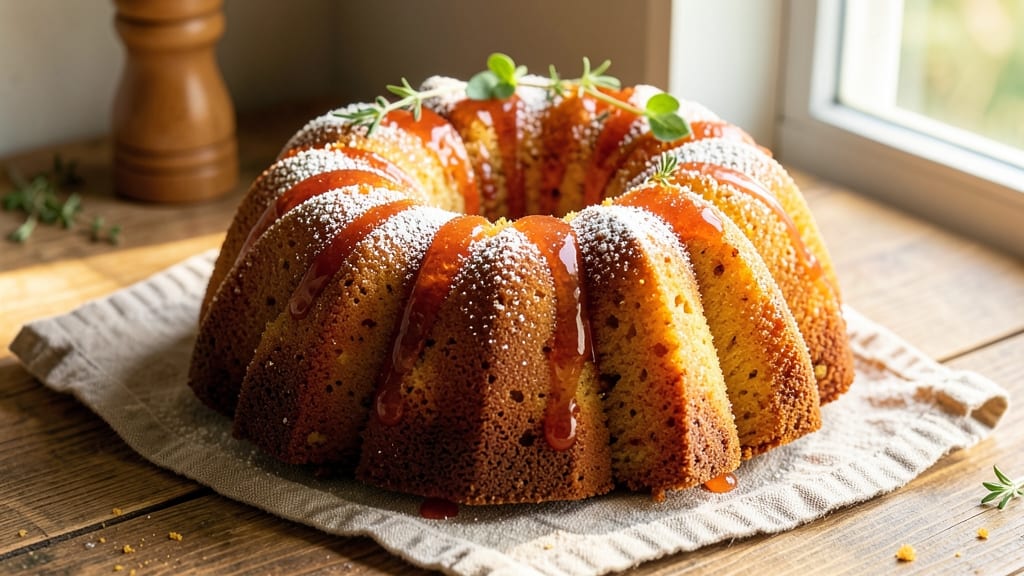
This apricot nectar bundt cake delivers sun-kissed moisture with a bright citrus twist that transforms any afternoon into a celebration. 🌞 The secret lies in blending apricot nectar with orange zest, creating layers of fruity depth that keep the cake tender for days.
I developed this recipe after years of perfecting bundt cakes—this one never dries out, thanks to a simple but effective technique that traps moisture without sacrificing structure.
The cake's texture is what sets it apart: lightly golden on the outside with a velvety crumb inside that practically melts in your mouth. The apricot nectar adds natural sweetness while the citrus zest infuses a subtle, refreshing brightness that cuts through the richness.
What makes this recipe truly special is how foolproof it is—no fancy equipment needed, just precise measurements and a standard bundt pan for that iconic shape.
By the time it emerges from the oven, you'll have a cake that smells like summer in every bite—warm apricot notes with a zesty finish that makes it perfect for brunch, dessert, or even breakfast.
The natural sweetness means you can serve it as-is, dusted with powdered sugar, or with a light glaze for extra shine. It's the kind of dessert that feels both elegant and effortless to make.
Whether you're baking for a special occasion or treating yourself to a little indulgence, this apricot nectar bundt cake delivers restaurant-quality results with minimal effort. The recipe scales perfectly for gatherings, and leftovers reheat beautifully—if there are any, that is. Let's get baking!
Ingredients for apricot nectar bundt cake
Sunshine in a bundt pan—just these 12 ingredients transform into a cake that tastes like summer.
| Ingredient | Amount | Notes |
|---|---|---|
| All-Purpose Flour 🌾 | 2 ½ cups | Sifted for light texture |
| Granulated Sugar 🍚 | 1 ½ cups | White or light brown |
| Apricot Nectar 🍑 | 1 cup | Unsweetened for natural flavor |
| Unsalted Butter 🧈 | 1 cup | Room temperature for mixing |
| Large Eggs 🥚 | 2 whole | Room temperature preferred |
| Orange Zest 🍊 | 2 tbsp | Freshly grated for brightness |
| Orange Juice 🍊 | ½ cup | Freshly squeezed |
| Vanilla Extract 🌸 | 1 tsp | Pure extract preferred |
| Baking Powder 🧂 | 2 tsp | Diamond Crystal preferred |
| Salt 🧂 | ½ tsp | Fine sea salt |
| Powdered Sugar 🍚 | ½ cup | For dusting or glaze |
| Vegetable Oil 🫒 | ¼ cup | For greasing bundt pan |
The apricot nectar is the star here—Trader Joe's or Whole Foods have the best quality, but any unsweetened brand works. I grab mine in the baking aisle, not the juice section, because those are usually sweeter. The orange zest? Use a microplane for the finest texture—no big chunks. Freshly grated makes all the difference. For the flour, King Arthur or Bob's Red Mill are my go-tos, but whatever you've got will do. Just sift it first to keep this cake light and airy.
No apricot nectar? Substitute with mango puree or peach nectar—just reduce other liquids slightly to balance moisture. Swapping orange zest for lemon? Use half the amount—it's more intense. The butter can be margarine in a pinch, but trust me on the full-fat version for that rich texture. For the powdered sugar, Domino brand is the most reliable for dusting—it's fine and clumps less. And if you're making a glaze, add a splash of milk or cream to thin it out.
This cake keeps beautifully—3-4 days wrapped at room temperature or 1 week in the fridge. For extra shine, brush with simple syrup (equal parts sugar and water, heated) before serving. The bundt pan is non-negotiable here—Wilton or Nordic Ware are my favorites, but any good quality pan works. Grease it well with oil and flour, or use baking spray for foolproof release. Leftovers reheat perfectly in the microwave for 10 seconds—just enough to bring back that warm bundt aroma.
Why You'll Love This Recipe
- No Mixer Needed: I swear by this recipe when my mixer’s playing hooky—just a bowl and a whisk. The apricot nectar does all the heavy lifting, keeping things moist without fuss, while the butter and sugar come together faster than you can say " Bundt pan."
- Sunshine in a Slice: That apricot nectar isn’t just an ingredient—it’s the star. It gives this cake a bright, fruity depth that’s neither too sweet nor cloying, and the eggs keep it rich without being heavy. Honestly, it’s the kind of flavor that makes me want to bake it twice in one weekend.
- Weekend Brunch Hero: This cake is my go-to for lazy mornings—slice it, toast it, and serve it with yogurt or whipped cream. It’s also the perfect make-ahead dessert for dinner parties (just dust with powdered sugar and watch the compliments roll in).
- Budget-Friendly Luxury: Apricot nectar is cheap, and you only need a few pantry staples. A single batch feeds six, and leftovers? They reheat beautifully in the microwave or even straight from the fridge. Between us, this is the kind of recipe that makes me feel fancy without breaking the bank.
Step-by-step instructions for apricot nectar bundt cake
Here's how to bake a tender, citrus-kissed cake that stays moist for days.
👨🍳 Step 1: Cream Butter and Sugars for Light Texture
In a large mixing bowl, beat the 1 cup room-temperature unsalted butter with the 1.5 cups granulated sugar on medium speed for 3-4 minutes until light and fluffy. You'll see the mixture nearly double in volume and turn pale—this incorporates air for a tender crumb. Scrape down the sides of the bowl with a spatula to ensure even mixing.
Here's the thing—room-temperature butter is crucial. If it's too cold, it won't cream properly, and if it's too soft, it'll turn greasy. Press your finger into the butter; it should leave a slight indent but hold its shape. This step sets the foundation for your cake's moisture and structure.
👨🍳 Step 2: Add Eggs and Citrus for Bright Flavor
Add the 2 whole large eggs, one at a time, mixing well after each addition. Then stir in the 2 tablespoons orange zest, 0.5 cup orange juice, and 1 teaspoon vanilla extract. The citrus adds that bright, sun-kissed flavor that pairs perfectly with the apricot nectar. Mix until just combined—overmixing here can develop gluten and make the cake tough.
I know it seems like a lot of citrus, but trust me, it balances the sweetness beautifully. The zest gives you that aromatic punch, while the juice keeps the cake moist. This is where the magic happens—those citrus notes will shine through in every bite.
👨🍳 Step 3: Combine Dry Ingredients for Even Distribution
In a separate bowl, whisk together the 2.5 cups sifted all-purpose flour, 2 teaspoons baking powder, and 0.5 teaspoon salt. Sifting is key here—it prevents dense pockets in your cake. Gradually add this dry mixture to your wet ingredients, mixing on low speed just until combined. You should still see some flour streaks—don't overmix or you'll end up with a dense cake.
Now, gently fold in the 1 cup apricot nectar using a spatula. The nectar adds natural sweetness and moisture without needing extra sugar. Be careful not to overmix—just combine until the batter is smooth and slightly thick. The texture should be like a thick pancake batter, not runny.
🔥 Step 4: Bake to Golden Perfection
Preheat your oven to 350°F and grease a 10-12 cup bundt pan thoroughly with 0.25 cup vegetable oil, then dust with flour. Pour the batter into the prepared pan and smooth the top. Bake for 50-60 minutes or until a toothpick inserted in the center comes out clean. The cake should be golden brown and spring back when gently pressed.
Don't open the oven during baking—this prevents the cake from sinking in the middle. If the top browns too quickly, tent it loosely with foil. The cake is done when it pulls away from the edges and passes the toothpick test. Let it cool in the pan for 10 minutes before transferring to a wire rack to cool completely.
🍽️ Step 5: Dust and Serve for Maximum Moisture
Once completely cool, dust the cake generously with the 0.5 cup powdered sugar using a fine-mesh sieve. This adds that professional finish and helps preserve moisture. Serve slices at room temperature for the best texture—this cake stays moist for days when stored properly in an airtight container.
Here's the secret to keeping it moist: slice it while still slightly warm if you're serving it immediately after baking. The residual heat helps release those juices. Each bite should be tender with just the right balance of apricot sweetness and citrus brightness—pure comfort in cake form.
Pro Tips For Making Apricot Nectar Bundt Cake
- Preheat Like a Pro: Fire up that oven to 350°F (175°C) and let it scream for 20 minutes—this cake’s dense enough that a lukewarm pan will make it fight you for even baking. I learned this the hard way when my first batch emerged with a raw center that tasted like wet cardboard.
- Whisk Eggs Cold: Pull those eggs straight from the fridge and whisk them vigorous but slow—no need to turn them into meringue. Cold eggs blend better with the butter and keep the batter from separating when you fold in the apricot nectar. (Yes, even if you’re impatient like me.)
- Measure Nectar Precisely: That apricot nectar isn’t just flavor—it’s moisture and structure. Use a kitchen scale for 1 cup (240g) if possible, or fill your measuring cup to the brim and level it with a knife. Too little, and the cake dries out; too much, and it collapses like a sad soufflé.
- Grease with Butter, Dust with Flour: Skip the fancy spray—melt 1 tbsp butter in the Bundt pan, swirl it around, then coat the inside with flour (tap out excess). This gives you that classic golden crust without the greasy mess. (Your future self will thank you when the cake slides out clean.)
Storing and reheating your leftovers
Room-Temp Storage
Keep your apricot nectar bundt cake at room temperature in an airtight container for up to 3-4 days. I wrap mine in parchment paper first, then place it in a clear plastic container with a tight seal.
This prevents drying while letting you admire the beautiful layers. Store it in a cool, dark place away from direct sunlight to preserve the citrus notes and moisture. 🌞
Fridge Preservation
For longer storage, refrigerate the cake for up to 1 week. The cold air helps lock in moisture, but you'll want to bring it to room temperature before serving. I like to slice it into individual portions and wrap each piece tightly in plastic wrap before storing.
This prevents the cake from absorbing fridge odors and keeps the texture perfectly tender.
Freezer Magic
Freeze your cake for up to 3 months for maximum freshness. Wrap each slice individually in plastic wrap, then place them in a freezer bag with all the air removed. When ready to serve, thaw at room temperature for 1-2 hours.
The texture remains moist, though slightly denser than fresh. For a quick treat, microwave a slice for 10-15 seconds to restore warmth and that fresh-baked aroma. ❄️
Reheating Secrets
For the best results, reheat slices in a preheated 300°F oven for 5-7 minutes. This gently warms the cake without drying it out. If you're short on time, the microwave works too—just cover the slice with a damp paper towel and heat for 10 seconds.
The moisture from the towel helps maintain that tender crumb. Always reheat to 165°F for food safety. 🔥
Glaze Refresh
If your cake loses its shine, revive it with a simple glaze. Mix 0.5 cup powdered sugar with 1-2 tablespoons apricot nectar or orange juice until smooth. Drizzle over the cake and let it set for 5 minutes before serving.
This not only adds visual appeal but also restores moisture to slightly dried slices. I keep extra nectar in the fridge for quick glaze touch-ups. ✨
Serving Warm
For the ultimate experience, serve slices warm straight from the oven. Wrap the cooled cake in aluminum foil and reheat in a 200°F oven for 10 minutes. The residual heat releases those apricot and citrus flavors, making each bite taste like it was just baked.
This is my go-to method for special occasions—it feels like a restaurant-quality dessert. 💫
Nutrition facts
Frequently asked questions
Can I substitute apricot nectar with another fruit puree?
Yes! For a similar texture, try mango puree or peach nectar. Just reduce any additional liquids in the recipe by 2 tablespoons to maintain the right moisture balance. The citrus notes will still shine through beautifully with these substitutes.
Why does my bundt cake sink in the middle?
This usually happens if the oven wasn't fully preheated or if you opened the oven door too early. Always preheat for 15 minutes at 350°F and avoid opening the door during the first 40 minutes of baking. If it starts browning too quickly, tent with foil.
How do I make this cake gluten-free?
Replace the 2.5 cups all-purpose flour with a 1:1 gluten-free baking flour blend (like Bob's Red Mill). Add 1 teaspoon xanthan gum to help bind the cake. You may need to increase the apricot nectar by 1 tablespoon since gluten-free flours absorb more liquid.
Can I use this cake for a wedding dessert?
The elegant bundt shape makes it perfect for celebrations. For extra presentation, dust with powdered sugar and add edible apricot slices or orange zest on top. Serve with a light citrus glaze or fresh berries for a restaurant-worthy dessert.
What's the best way to store leftovers?
Wrap individual slices in plastic wrap and store in an airtight container at room temperature for 3 days or refrigerate for 1 week. For longer storage, freeze slices for up to 3 months. Always bring to room temperature before serving for the best texture.