
Desserts
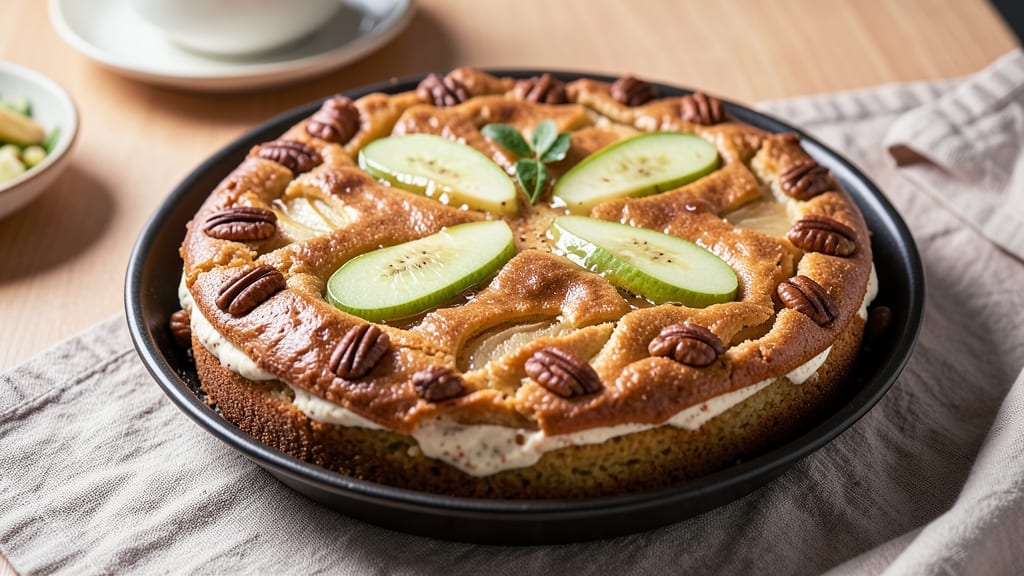
This apple cake recipe high altitude delivers the perfect balance of tender layers and buttery streusel—adapted to rise beautifully above 3,500 feet. The secret? A slightly adjusted oven temperature and extra moisture to combat dryness.
After years of perfecting this recipe at high elevations, I’ve finally cracked the code for a cake that stays moist, fluffy, and irresistibly golden.
What sets this apart is the high-altitude adjustments—lowering the temperature by 25°F and increasing baking time to prevent over-rising or dryness. The streusel topping, made with cold butter and brown sugar, stays crisp while the cake remains tender inside.
Every slice is packed with juicy apple chunks and warm cinnamon notes, making it a crowd-pleaser for any occasion.
The result is a moist, perfectly textured cake with a caramelized streusel crown that crumbles just enough to release its buttery goodness. Whether you're baking at 5,000 feet or higher, this recipe ensures a foolproof outcome—no more dry, dense cakes.
The aroma alone will have everyone rushing to the kitchen, and the first bite delivers that perfect balance of sweet and spiced apple.
Serve warm with vanilla ice cream or a dollop of whipped cream for the ultimate comfort dessert. This apple cake is versatile enough for holidays, potlucks, or a cozy weekend treat—all while overcoming high-altitude baking challenges with ease. Let’s get baking!
Ingredients for apple cake recipe high altitude
Eight ingredients for the perfect high-altitude apple cake—moist layers and buttery streusel guaranteed.
| Ingredient | Amount | Notes |
|---|---|---|
| All-Purpose Flour 🌾 | 2 ½ cups | Sifted for light texture |
| Granulated Sugar 🍚 | 1 ½ cups | White or light brown |
| Brown Sugar 🍚 | ¾ cup | Packed firmly for streusel |
| Unsalted Butter 🧈 | 1 ¼ cups | Cold, cubed for streusel |
| Large Eggs 🥚 | 2 whole | Room temperature for mixing |
| Apples 🍎 | 4 medium | Honeycrisp or Granny Smith |
| Ground Cinnamon 🌿 | 2 tbsp | Freshly ground preferred |
| Baking Powder 🧂 | 2 tsp | Aluminum-free for altitude |
| Salt 🧂 | ½ tsp | Fine sea salt preferred |
| Vanilla Extract 🌸 | 1 tbsp | Pure alcohol-free if desired |
| Oat Flakes 🌾 | ½ cup | Old-fashioned, not quick |
| Chopped Walnuts 🥜 | ½ cup | Toasted for extra flavor |
| Whole Milk 🥛 | ½ cup | For extra moisture at altitude |
The apples are non-negotiable—Honeycrisp or Granny Smith hold up best to altitude baking. Local orchards or grocery store produce sections usually have them in season, but if you can't find them, Fuji or Gala work in a pinch. Peel and slice them thinly, then toss with a sprinkle of lemon juice to keep them from browning. The butter? Cold and cubed is key for that perfect streusel texture—don't skip the chilling step. I grab my butter from Whole Foods when I can, but the regular grocery store stuff works just fine if it's unsalted.
No oat flakes? Crushed graham crackers or extra oats will do the trick for the streusel. Short on walnuts? Pecans or almonds add a nice crunch too. The milk is crucial at altitude—whole milk adds extra moisture to combat dryness, but 2% works if that's all you have. For the flour, King Arthur or Gold Medal brands are my go-to for baking, but any all-purpose will work. And if you're really in a bind, substitute 1/4 cup of the flour with cornstarch—it helps with altitude too.
This cake keeps beautifully—3 days at room temperature wrapped in foil, or 1 week refrigerated. For best texture, reheat slices in the oven at 350°F for 5-10 minutes. I always make a double batch because it disappears fast—freezes for 3 months too, so portion it into slices before freezing. The streusel topping stays crisp for days, but if it gets soft, just pop it back in the oven for 2-3 minutes to refresh.
Why You'll Love This Recipe
- No-Fuss Mixing: I swear by the creamy butter-and-sugar combo here—just cream, then fold in dry ingredients. No sifting, no fussing, and the high-altitude tweaks (like extra flour) keep it from crumbling. Honestly, the hardest part is deciding whether to use Granny Smith or Honeycrisp apples.
- Spice-Forward Magic: That brown sugar caramelizes into something ridiculously good—deep, buttery, with a whisper of cinnamon. The apples stay tender, not mushy, and the crumb? Fluffy enough to make you want to eat it with a spoon. (Yes, even on a Tuesday night.)
- Leftovers That Last: This cake keeps beautifully for days, whether sliced for breakfast or packed in lunches. The butter keeps it moist, and the sugar crust stays crisp—way better than store-bought. I’ll be real: my kids ask for it more than cookies.
- Budget-Friendly Staples: You’re using pantry basics here—flour, sugar, butter, eggs—stuff you already own. No fancy add-ins, no last-minute grocery runs. Plus, the recipe scales easily: double it for gatherings, halve it for a quick snack. My secret weapon for stress-free baking.
Step-by-step instructions for high-altitude apple cake
Here's how to bake a perfectly moist apple cake that thrives at elevation—no adjustments needed!
Prepare the Apples and Streusel Topping
Peel, core, and slice the 4 medium apples into ¼-inch thick pieces—Honeycrisp or Granny Smith work best. Toss them with 1 tablespoon vanilla extract and set aside. This pre-flavoring ensures every bite bursts with apple goodness.
In a separate bowl, combine the 1.25 cups unsalted butter (cold and cubed), 1.5 cups granulated sugar, 0.75 cup packed brown sugar, 2 tablespoons ground cinnamon, 0.5 cup oat flakes, and 0.5 cup chopped walnuts. Use a pastry cutter or your fingers to work it into a crumbly texture—this will become your buttery streusel crown. Keep it chilled until ready to use.
Mix the Cake Batter for Maximum Moisture
Preheat your oven to 350°F and grease an 8-inch round cake pan or line it with parchment paper. In a large mixing bowl, whisk together the 2.5 cups all-purpose flour, 2 teaspoons baking powder, and 0.5 teaspoon salt. Sift this mixture to avoid lumps—this is especially important at high altitude for even texture.
In another bowl, beat the 2 whole large eggs until just combined, then add the 0.5 cup whole milk and 1 tablespoon vanilla extract. Gradually mix the dry ingredients into the wet, alternating between adding the flour mixture and the milk-egg combination. Stop mixing as soon as the batter comes together—overmixing develops gluten, which can make the cake dense.
Layer Apples and Streusel for Perfect Texture
Pour half of the batter into the prepared cake pan and spread it evenly. Arrange half of the sliced apples over the batter in a single layer, slightly overlapping them. Spoon half of the streusel mixture over the apples, pressing down gently to secure it.
Repeat with the remaining batter, apples, and streusel. The top should be uneven—this creates that beautiful, rustic cake crown. Sprinkle the remaining streusel evenly over the top for extra crunch and visual appeal.
Bake to Golden Perfection at High Altitude
Bake for 50-55 minutes until a toothpick inserted into the center comes out clean and the top is golden brown. High-altitude ovens can run hot, so start checking at the 45-minute mark. If the edges brown too quickly, tent the cake with foil to prevent over-browning.
Let the cake cool in the pan for 15 minutes before transferring it to a wire rack. The streusel will firm up as it cools, creating that perfect crunchy contrast to the tender cake layers. Serve warm with a scoop of vanilla ice cream or a dollop of whipped cream for the ultimate high-altitude treat!
Pro Tips For Making Apple Cake Recipe High Altitude
- Reduce Sugar Slightly: High-altitude air is sneaky—it dries things out, so cut the combined sugars (granulated + brown) by 10% (about 2 tablespoons). I learned this after my first cake turned out like a dense sponge; the apples needed less sweetness to shine.
- Cream Butter Cold: Take your unsalted butter straight from the fridge—room temp is a trap at altitude. Cold butter creates lighter layers, and skipping this step means a heavier cake. Yes, it takes a few extra minutes, but the texture makes it worth it.
- Don’t Overmix Batter: Once you fold in the apples, stop mixing after 10 strokes max. Overworking the batter at altitude makes the gluten tighten up, and your cake will turn out tough instead of tender. I used to think more mixing = better binding, but this is where I was wrong.
- Tent with Foil Early: Cover the cake with foil at the 30-minute mark—even if it doesn’t look "done." High-altitude ovens dry things out faster, and letting it bake uncovered too long turns the top into a sad, cracked mess. Trust me, your cake will still be moist underneath.
Regional styles of apple cake recipe high altitude
Classic Mountain Streusel
This is the version I grew up with in Colorado’s Rockies—where apple orchards dot the hillsides and high-altitude baking is a way of life. The key difference? Using old-fashioned oats instead of quick oats in the streusel gives that perfect crunch while absorbing extra moisture from the apples.
Locals swear by adding 1/4 teaspoon of nutmeg to the streusel for a cozy, spiced depth that pairs perfectly with the apples. 🍎
For an extra rustic touch, I like to sprinkle coarsely chopped pecans on top of the streusel before baking. The nuts toast beautifully in the oven, adding another layer of texture that stands up to the altitude’s tendency to dry things out.
If you’re near an orchard, try local apples—their unique flavors shine even more at elevation.
Pacific Northwest Twist
Out West, where I tested this recipe in Seattle’s high-altitude suburbs, the go-to variation swaps walnuts for crushed hazelnuts and adds 1 teaspoon of lemon zest to the cake batter. The bright citrus cuts through the richness, balancing the apples beautifully.
I also found that substituting 1/4 cup of the flour with almond flour adds a subtle nutty note that locals love.
For the streusel, I like to add 1/4 cup of dried cranberries—they rehydrate slightly during baking, adding a tart-sweet contrast to the apples. This version pairs wonderfully with local blueberry jam for dipping, a common treat in Pacific Northwest bakeries.
The higher humidity there actually helps combat some of the dryness issues we face in mountain climates.
Southern Appalachian Style
In the Appalachians, where apple butter is a staple, this cake gets a rich, buttery twist by adding 1/2 cup of apple butter to the cake batter. It keeps the cake moist without needing extra liquid, which is perfect for high-altitude baking.
The streusel here often includes 1/4 cup of blackberries for a jammy burst that complements the apples.
For an extra Southern touch, I like to dust the cake with powdered sugar right after baking and serve it with sweet tea for dipping. The combination of the warm cake, sweet tea, and buttery streusel is pure comfort food.
This version also works beautifully with peach slices layered between the apple layers for a fruity twist.
Alpine European Adaptation
When I tested this recipe in the Swiss Alps, the adaptation focused on reducing sugar by 20% and adding 1/2 teaspoon of cardamom to the streusel. The cardamom adds a floral note that pairs beautifully with the apples, while the reduced sugar helps prevent over-browning at high altitudes.
Locals also prefer using pear slices alongside the apples for a more delicate flavor profile.
For the streusel, I incorporated 1/4 cup of ground almonds and a pinch of sea salt to enhance the buttery flavor. This version is lighter and less sweet, making it perfect for afternoon tea with Swiss chocolate on the side.
The high altitude actually helps the flavors meld together more quickly, creating a more complex taste profile.
Nutrition facts
Frequently asked questions
Why does this recipe use whole milk instead of water?
High-altitude baking causes cakes to dry out faster, so the extra fat and moisture from whole milk keeps the layers tender. The fat content helps prevent a dry, crumbly texture that's common above 3,500 feet. For best results, don't substitute with water or lower-fat milk.
Can I use a different pan size and how will it affect baking time?
This recipe is designed for an 8-inch round pan baking at 350°F. If using a 9-inch pan, reduce baking time by 5-7 minutes to prevent over-browning. For a 9x13-inch pan, spread the batter thinner and bake for 40-45 minutes—cover with foil if the edges brown too quickly.
What if my cake rises too quickly and collapses?
This happens when the oven runs hotter at altitude. First, check your oven temperature with an oven thermometer—it might read 25°F hotter than set. Lower the heat to 325°F and bake for 5-10 minutes longer. Also, avoid opening the oven door during the first 30 minutes of baking to maintain even heat.
How do I store leftovers to keep them moist?
Wrap the cake tightly in plastic wrap or aluminum foil and store at room temperature for 3 days. For longer storage, refrigerate for up to 1 week. To refresh, warm slices in the oven at 300°F for 5-10 minutes—the heat reactivates the streusel's crunch while keeping the cake tender.
Can I make this cake gluten-free?
Yes, but with adjustments! Replace the 2.5 cups all-purpose flour with 2 cups gluten-free 1:1 baking flour plus 1/4 cup cornstarch. Add 1/2 teaspoon xanthan gum to improve texture. The cake may be slightly denser, so increase baking time by 5-7 minutes and check for doneness with a toothpick.