
Desserts
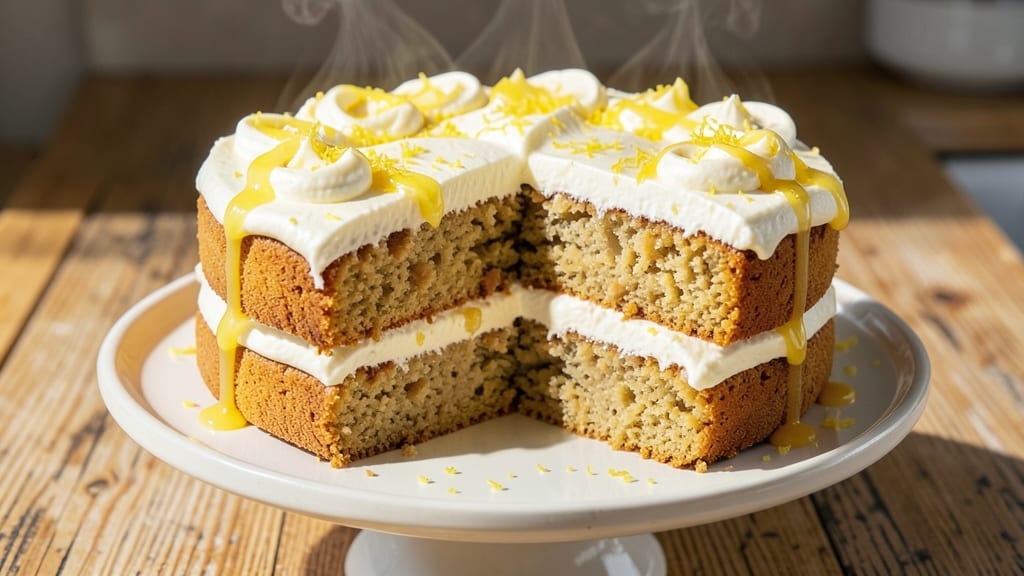
This almond flour lemon pound cake delivers the perfect balance of bright citrus and nutty crunch—without the dense texture of traditional flour. The secret lies in almond flour's natural moisture retention, creating a tender crumb with every slice.
I developed this recipe after struggling to find a gluten-free dessert that stayed light and flavorful, and this version consistently earns rave reviews.
The cake's magic comes from a few key techniques: folding in lemon zest and juice at the right moment ensures vibrant flavor without drying out the batter, while a simple syrup glaze locks in moisture for days.
Almond flour also adds a subtle richness that pairs beautifully with the zesty lemon, making each bite both refreshing and satisfying.
Baked at 325°F for about 50 minutes, this cake emerges with a golden top and tender crumb that holds its shape without being heavy. The citrus aroma fills your kitchen, and the nutty undertones from the almond flour create a complex flavor profile that surprises even seasoned bakers.
Perfect for brunch, afternoon tea, or holiday desserts, this recipe serves 8-10 and pairs wonderfully with whipped cream or a dusting of powdered sugar. The best part? It stays moist for days, making it ideal for meal prep or gifting. Let's get baking!
Ingredients for almond flour lemon pound cake
Bright citrus meets nutty crunch in this gluten-free wonder—just nine ingredients transform into a tender, moist pound cake.
| Ingredient | Amount | Notes |
|---|---|---|
| Almond Flour 🌰 | 2 ½ cups | Finely ground, unsweetened preferred |
| Granulated Sugar 🍚 | 1 ½ cups | White or light brown |
| Unsalted Butter 🧈 | 1 cup | Cold, cubed for creaming |
| Large Eggs 🥚 | 3 whole | Room temperature preferred |
| Fresh Lemon Zest 🍋 | 2 tbsp | From organic lemons if possible |
| Fresh Lemon Juice 🍋 | ½ cup | Strained to remove pulp |
| All-Purpose Flour 🌾 | ½ cup | For structure and binding |
| Baking Powder 🍞 | 2 tsp | Aluminum-free preferred |
| Salt 🧂 | ½ tsp | Fine sea salt preferred |
| Vanilla Extract 🌸 | 1 tsp | Pure vanilla extract |
| Granulated Sugar 🍚 | ¼ cup | For simple syrup glaze |
| Water 💧 | ¼ cup | For simple syrup glaze |
Almond flour is the star here—Bob's Red Mill or Anthony's Goods are my go-tos for the finest grind. The finely ground version gives that perfect tender crumb, not the gritty texture. If you can't find almond flour, blend whole almonds in a food processor until ultra-fine (about 2 minutes). The butter needs to be cold for the creaming method, so take it out of the fridge 10 minutes before mixing. For the lemons, organic is best—the zest has more vibrant flavor, and you'll use the whole lemon for juice too. I always buy a bag of lemons when they're on sale and freeze the extras for future baking.
No almond flour? Substitute with 2 cups of oat flour (blend rolled oats until fine) or a mix of 1.5 cups oat flour and 1 cup all-purpose flour, but expect a slightly denser texture. Running short on eggs? Flax eggs work (1 tbsp ground flaxseed + 3 tbsp water = 1 egg), though the cake won't be quite as tender. For the vanilla, imitation extract won't cut it—splurge on pure. The simple syrup glaze is non-negotiable for moisture—don't skip it. If you're feeling fancy, add a splash of orange blossom water to the glaze for extra depth. And if you've got lemon extract in your pantry, use 1/2 tsp in place of 1 tbsp zest for convenience.
This cake keeps beautifully—5 days at room temperature covered with plastic wrap, or 1 week in the fridge. For longer storage, freeze wrapped slices for up to 3 months. The glaze sets as it cools, so it's perfect for gifting—just wrap tightly. I like to slice it 1 hour after baking when it's fully cooled but still warm through. The flavor actually improves over time, so leftovers are a treat. For serving, a dusting of powdered sugar or a dollop of whipped cream takes it to the next level.
Why You'll Love This Recipe
- No-Mess Mixing: This cake comes together with just a whisk and a bowl—no sifting, no creaming, no fuss. The almond flour blends like a dream with melted butter and eggs, and the lemon zest brightens everything in seconds.
- Bright & Buttery Magic: That citrusy punch from fresh lemon zest cuts through the rich, nutty almond flour, while the butter keeps it tender. Honestly, the first bite tastes like a sunlit bakery—just with half the effort.
- Weekend or Weeknight: Slice it warm for breakfast with tea, pack it for lunch, or serve it at brunch. Between us, it’s the go-to dessert that works for lazy Sundays and last-minute guests alike.
- Budget-Friendly Luxury: Uses pantry staples (butter, sugar, eggs) and almond flour stretches further than flour-heavy cakes. Plus, leftovers? They vanish faster than you can say "second slice."
Step-by-step instructions for almond flour lemon pound cake
This method delivers a tender, moist cake with perfect citrus brightness and nutty crunch every time.
Cream Butter and Sugar for Light Texture
In a stand mixer fitted with the paddle attachment, beat the 1 cup unsalted butter and 1.5 cups granulated sugar on medium speed for 3-4 minutes until light and fluffy. You'll see the mixture nearly double in volume and become pale. This creaming process incorporates air, which creates that signature tender crumb we're after.
I like to scrape down the sides of the bowl every 30 seconds to ensure even mixing. The butter should be completely smooth with no lumps remaining. If you're using cold butter cubes, this step will take a bit longer—just be patient. The goal is to create a light, airy base that will give our cake its signature moistness.
Add Eggs and Lemon Infusion
Add the 3 whole large eggs, one at a time, mixing on low speed after each addition until fully incorporated. Then stir in the 2 tablespoons fresh lemon zest and 1 teaspoon vanilla extract. The zest will brighten the batter immediately—you'll notice an instant citrus aroma.
Next, mix in the 0.5 cup fresh lemon juice and 1 cup almond flour on low speed until just combined. I use a silicone spatula here to gently fold in the almond flour to avoid overmixing. The batter should be thick but pourable—similar to cookie dough consistency. If it looks too dry, add 1 tablespoon of the reserved lemon juice to help bind everything together.
Combine Dry Ingredients and Prepare Pan
In a separate bowl, whisk together the 0.5 cup all-purpose flour, 2 teaspoons baking powder, and 0.5 teaspoon salt. Sift this mixture directly into the batter and gently fold with a spatula until just combined. The goal is to maintain as much air as possible—don't overmix or you'll develop gluten and get a tough cake.
Preheat your oven to 350°F and grease a 9x5-inch loaf pan thoroughly with butter. I like to use a pastry brush to coat the pan and line the bottom with parchment paper for easy removal. The paper prevents sticking and makes slicing clean cuts later. Pour the batter into the prepared pan and smooth the top with a spatula.
Bake Until Golden and Springy
Bake for 50-55 minutes until the top is golden brown and a toothpick inserted in the center comes out clean. I usually check at the 45-minute mark—every oven runs slightly differently. The cake should be set but still slightly springy to the touch.
When the cake is done, transfer it to a wire rack and let it cool in the pan for 10 minutes. This helps it set properly before removing. Then carefully invert the cake onto the rack to cool completely. The cooling process is crucial—it allows the flavors to meld and the texture to firm up just right.
Glaze for Extra Shine and Moisture
While the cake cools, make the simple syrup glaze by combining 0.25 cup granulated sugar and 0.25 cup water in a small saucepan. Bring to a boil over medium-high heat and cook for 2-3 minutes until the sugar dissolves completely. Let it cool slightly—it should be warm but not hot when you brush it on.
Once the cake is completely cool, brush the warm sugar syrup evenly over the top and sides. This step adds that beautiful glossy finish and keeps the cake moist for several days. Let the glaze set for 10 minutes before slicing. The cake will have a perfect balance of tender crumb, citrus brightness, and nutty richness from the almond flour—every bite delivers on that moist promise.
Pro Tips For Making Almond Flour Lemon Pound Cake
- SIFT THE FLOUR FIRST: Almond flour packs tightly—don’t just scoop it. Lightly sift it into the bowl before mixing to break up clumps and ensure even distribution. I learned this the hard way when my first batch had dense pockets where the batter refused to rise properly.
- CREAM BUTTER AND SUGAR LONG: Take your time beating the butter and sugar until it’s pale and fluffy—at least 3-4 minutes. This isn’t just about sweetness; it’s what creates the cake’s tender crumb. I used to rush it, and the texture always felt gummy.
- DON’T OVERMIX THE EGGS: Once the eggs are fully incorporated, stop mixing as soon as the batter looks smooth. Overmixing develops gluten in the almond flour, leading to a tough, dense cake. Fold just until combined—no need to go overboard.
- BAKE UNTIL SPRINGY: The cake should pull away from the edges of the pan and spring back slightly when pressed in the center—like a Jell-O wiggle. If you pull it out too soon, it’ll stay dense; too late, and it’ll dry out. A toothpick with moist crumbs (not wet batter) is your cue.
Serving suggestions for this almond flour lemon pound cake
Classic Tea Pairings
This lemon pound cake shines with Earl Grey tea—the bergamot notes complement the citrus perfectly. I always serve it with a cup of hot tea during afternoon tea gatherings. For a modern twist, try jasmine green tea or hibiscus tea for a fruity contrast.
The warmth of the tea enhances the cake's bright flavors while balancing the richness of the almond flour. 💛
Creamy Accompaniments
A dollop of whipped cream or vanilla bean ice cream takes this cake to the next level. I like to use heavy whipping cream with a pinch of salt and a splash of lemon juice for extra zing.
For a lighter option, coconut whipped cream pairs beautifully with the nutty undertones. Serve with a sprinkle of toasted almonds for added crunch and texture.
Fruit Toppings
Fresh berries like raspberries or blueberries add a pop of color and acidity that cuts through the richness. I often arrange a few sliced strawberries on top for a classic presentation.
For a tropical twist, try mango slices or a drizzle of passionfruit curd. The natural sweetness of the fruit enhances the cake's citrus notes without overpowering them.
Coffee Contrast
For a breakfast or dessert pairing, serve with cold brew coffee or a latte. The bold flavors of coffee create a delightful contrast to the cake's sweetness and citrus.
I recommend a light roast to avoid overpowering the delicate almond and lemon flavors. A shot of espresso on the side also works beautifully for a quick pick-me-up with dessert.
Seasonal Variations
In summer, I love serving this cake with chilled lemonade or sparkling water infused with lemon slices. For fall, a warm apple cider or mulled wine complements the nutty flavors.
During winter holidays, a cup of spiced chai or hot chocolate adds warmth to each bite. The versatility of this cake makes it perfect for any season or occasion. ✨
Nutrition facts
Frequently asked questions
Why does this recipe use almond flour instead of regular flour?
Almond flour creates a naturally moist, tender crumb with a subtle nutty richness that pairs perfectly with lemon. Unlike regular flour, it's gluten-free and absorbs moisture differently, preventing dryness. The fat content in almonds also helps create that signature pound cake texture without needing extra eggs or dairy. Plus, it adds beautiful color and depth of flavor!
Can I make this cake without eggs?
Yes! Use 3 flax eggs (1 tbsp ground flaxseed + 3 tbsp water per egg) or 3 tbsp applesauce as egg substitutes. The texture will be slightly denser but still delicious. For best results, add 1 extra tablespoon of lemon juice to compensate for the moisture difference. The cake will still hold its shape but may be a bit more compact.
How do I prevent the cake from being too dry?
The simple syrup glaze is key for moisture retention! Brush it on while the cake is still warm to lock in freshness. Also, avoid overbaking—check for doneness at 45 minutes (a toothpick should come out clean). For extra moisture, add 1 tablespoon of Greek yogurt or sour cream to the batter. Almond flour cakes benefit from proper cooling too—never slice before 1 hour.
What's the best way to store leftovers?
Wrap tightly in plastic wrap or store in an airtight container at room temperature for 5 days. For longer storage, freeze slices wrapped individually for up to 3 months. The glaze helps preserve moisture, but if the cake dries out, sprinkle with lemon juice and rewarm in a 250°F oven for 5-10 minutes to restore freshness.
Can I use this recipe for cupcakes?
Divide the batter into 12 lined cupcake tins and bake at 350°F for 18-20 minutes. The smaller size means they'll bake faster. For extra height, add 1/4 tsp baking powder to each cup. Top with lemon glaze and toasted almonds for a beautiful presentation. These cupcakes freeze well too—just thaw at room temperature before serving.