
Desserts
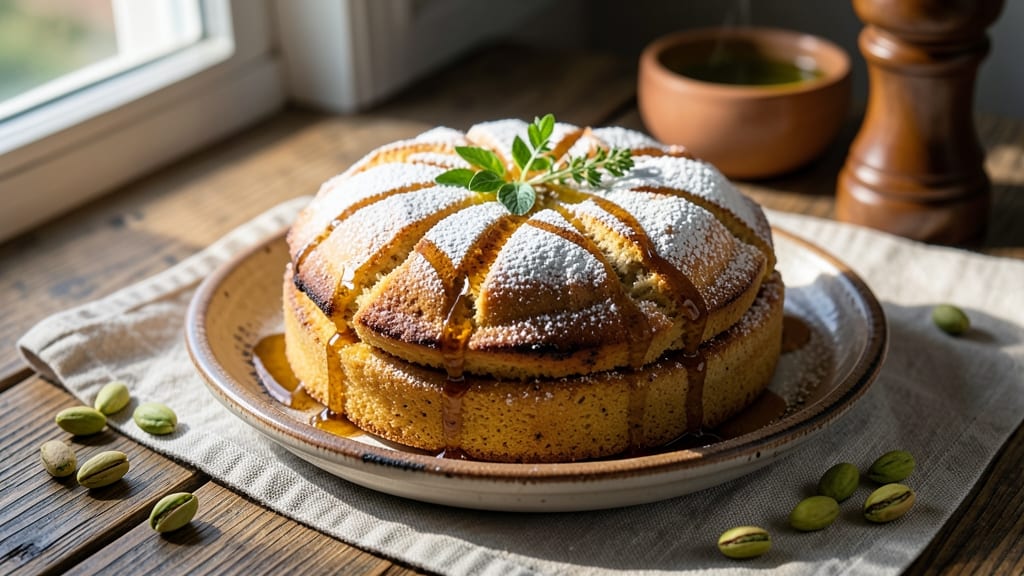
This Ancient Greek honey cake recipe brings a taste of antiquity to your kitchen, where golden syrup meets flour and olive oil in a timeless tradition. 🌟 The Greeks of old revered honey as both food and medicine, and this cake—often called Melitini—was a staple offering to the gods and a beloved treat for mortals alike.
What makes it special is the harmony of simple ingredients: honey for sweetness, olive oil for richness, and a touch of cinnamon or anise for warmth, all baked to golden perfection.
The beauty of this recipe lies in its authenticity—no shortcuts, no modern substitutions that dilute its heritage. You’ll work with just five core ingredients (plus optional spices), baked in a shallow pan until the edges are crisp and the center remains tender.
The syrup drizzle isn’t just decoration; it’s a nod to the ancient practice of preserving sweetness, where honey was the original sugar. This cake is more than dessert—it’s a piece of history you can hold in your hands.
What you’ll achieve is a cake with a caramelized crust, a moist interior, and that unmistakable honey aroma that fills your home. The texture is delicate yet sturdy enough to slice neatly, and the flavor?
A balance of earthy olive oil, floral honey, and subtle spice—like sunshine baked into every bite. Serve it warm with a dusting of powdered sugar or save it for a special occasion, just as the Greeks might have.
Modern adaptations—like adding nuts or citrus zest—can personalize it, but the core remains unchanged. This is a cake that honors tradition while fitting seamlessly into today’s kitchen. Ready to bake a slice of history? Let’s begin.
Ingredients for ancient greek honey cake
Five core ingredients and a touch of tradition—this cake brings ancient Greece to your kitchen table.
| Ingredient | Amount | Notes |
|---|---|---|
| All-Purpose Flour 🌾 | 2 ½ cups | Sifted for even texture |
| Honey 🍯 | 1 cup | Thick, unprocessed preferred |
| Extra-Virgin Olive Oil 🫒 | ¾ cup | Light variety for balance |
| Baking Powder 🧂 | 1 tsp | Aluminum-free preferred |
| Salt 🧂 | ½ tsp | Fine sea salt preferred |
| Ground Cinnamon 🌿 | 1 tsp | Freshly ground for warmth |
| Anise Seeds 🌿 | ½ tsp | Crushed lightly for flavor |
| Large Eggs 🥚 | 2 whole | Room temperature for blending |
| Powdered Sugar 🍯 | ¼ cup | For final dusting only |
| Warm Water 💧 | ½ cup | For honey syrup blend |
The honey is the star here. Look for thick, unprocessed honey—the kind that still has bits of wax floating in it—from stores like Whole Foods or local farmers markets. The olive oil should be extra-virgin, light in flavor so it doesn’t overpower the honey’s floral notes. I grab mine from Trader Joe’s because their Greek olive oil is affordable and hits the spot. For the flour, King Arthur or Gold Medal are my go-tos—they bake evenly without any funny aftertaste. The anise seeds? Penzeys sells them in bulk, but if you can’t find them, skip it—the cinnamon will still shine.
No anise seeds? One extra pinch of cinnamon will cover it. Short on honey? Maple syrup works in a pinch, but it’ll taste different—more earthy, less floral. The olive oil can be swapped for avocado oil if you’re avoiding strong flavors. For the powdered sugar, Confectioners’ sugar from the store is fine, but if you want to get fancy, make your own by blending granulated sugar in a food processor. The baking powder is non-negotiable though—aluminum-free is key for that authentic texture. And if you’re feeling adventurous, add a handful of chopped walnuts for crunch, just like the Greeks might have done in some regional variations.
This cake keeps beautifully—3 days at room temperature wrapped in a cloth, or up to 1 week refrigerated in an airtight container. For longer storage, slice it and freeze the pieces between parchment paper for up to 3 months. The syrup drizzle hardens as it cools, so I always reheat slices for 20 seconds to bring back that golden, caramelized goodness. Serve it warm with a cup of Greek coffee or save it for a special occasion—just like the ancient Greeks would have.
Why You'll Love This Recipe
- No-Fuss Mixing: I swear by this recipe’s simplicity—just whisk flour, honey, and olive oil together until smooth. No eggs, no butter, no fussing with melted fats; the olive oil keeps it tender while the honey binds everything effortlessly.
- Honey-Glazed Magic: That first bite? Warm, moist cake with a sticky-sweet honey crust that’s almost caramelized. The olive oil adds a subtle richness, so it’s never cloying—just pure, comforting satisfaction.
- Crowd-Pleaser Any Day: Perfect for breakfast with Greek coffee, a picnic spread, or even dessert after a big meal. Slice it thin for a quick snack, or serve it warm with yogurt—it’s that versatile.
- Budget-Friendly Staples: Flour, honey, olive oil—these are pantry basics that won’t break the bank. A single batch feeds four, and leftovers? They keep well wrapped for days, so you’re not scrambling for last-minute treats.
Step-by-step instructions for ancient Greek honey cake
Let's craft this timeless cake with layers of honey-sweetened goodness and aromatic spices.
👨🍳 Step 1: Create the Honey Syrup
In a small saucepan, combine the 1 cup honey with the 0.5 cup warm water over low heat. Stir gently until the honey dissolves completely and the mixture reaches a gentle simmer. You'll notice the aroma becoming rich and floral—this is where the cake's authentic Greek character begins.
Simmer for 3-4 minutes until the mixture thickens slightly and coats the back of a spoon. Remove from heat and let it cool to room temperature. This syrup will infuse the cake with its signature golden sweetness and subtle complexity. If you're using thick, unprocessed honey, you might need to warm it briefly to achieve the right consistency.
👨🍳 Step 2: Mix Wet Ingredients
In a large mixing bowl, whisk together the 2 whole large eggs at room temperature until no streaks remain. The eggs should be pale yellow and completely combined. Gradually add the 0.75 cup extra-virgin olive oil while whisking continuously—this creates tiny air pockets that will make your cake wonderfully light.
Slowly pour in the cooled honey syrup while whisking constantly. Add the 0.25 cup powdered sugar and mix until fully incorporated. The batter should be smooth and slightly thick, like a rich custard. This is where the cake's signature balance of sweetness and moisture comes from—don't rush this step.
👨🍳 Step 3: Combine Dry Ingredients
In a separate bowl, sift together the 2.5 cups all-purpose flour, 1 tsp baking powder, 0.5 tsp salt, 1 tsp ground cinnamon, and 0.5 tsp crushed anise seeds. The anise seeds should be lightly crushed between your fingers or a mortar and pestle to release their delicate flavor without becoming too powdery.
Gently fold the dry ingredients into the wet mixture using a spatula, being careful not to overmix. You want just enough mixing to combine the ingredients—stop when a few small flour streaks remain. Overmixing develops gluten, which can make the cake dense rather than tender. The batter should be thick but pourable.
🔥 Step 4: Bake to Golden Perfection
Preheat your oven to 350°F and grease an 8-inch round cake pan or line it with parchment paper. Pour the batter into the prepared pan and smooth the top with a spatula. Bake for 35-40 minutes until a toothpick inserted in the center comes out clean and the edges are golden brown.
Here's the ancient Greek secret: don't overbake! The cake should be moist inside with a tender crumb. When you tap the top gently, it should spring back slightly. If the top browns too quickly, tent the cake with aluminum foil after 20 minutes of baking to prevent over-browning while allowing the center to cook through.
⏰ Step 5: Cool and Serve Traditionally
Remove the cake from the oven and let it cool in the pan for 10 minutes. Then transfer it to a wire rack to cool completely. The cooling process is crucial—it allows the flavors to meld and the cake to set properly. While it cools, you can prepare a simple honey glaze if desired by mixing 2 tablespoons honey with 1 tablespoon warm water.
Slice the cake into 8 equal wedges and serve at room temperature. The texture should be tender with a slightly dense crumb, perfectly balanced by the rich honey syrup throughout. In ancient Greece, this cake would have been served at festivals or as an offering to the gods—now it's your turn to enjoy this sweet tradition.
Pro Tips For Making Ancient Greek Honey Cake
- STOP WHEN IT’S STICKY: When mixing the batter, stop folding in the olive oil just until the dough clumps together—no need for a smooth, glossy finish. Overworking it after adding the honey makes the cake dense and gummy. Ancient Greek versions relied on texture, not perfection.
- USE WARM HONEY: Drizzle the honey straight from the jar while still warm—it flows better and blends evenly with the olive oil. Cold honey thickens the batter and creates pockets of dryness. I learned this the hard way after a cake turned out crumbly instead of tender.
- DON’T OVERBAKE THE EDGES: The cake’s edges will look underdone when the center is set—pull it out at 345°F (175°C) internal temp, even if the edges are slightly pale. Overbaking turns the olive oil bitter and the honey syrupy. Trust the thermometer, not your eyes.
- SALT THE FLOUR FIRST: Toss the baking powder and salt directly into the flour before measuring—this prevents clumping and ensures even distribution. Skipping this step leads to uneven rises and a slightly metallic aftertaste. (Yes, even if you’re impatient like me.)
Creative variations of this ancient greek honey cake
Mediterranean Twist
Transform this cake into a true Mediterranean masterpiece by adding 1 teaspoon orange zest to the dry ingredients. The citrus brightens the honey’s richness, just like the Greeks would have used fresh fruits in their offerings.
For extra flair, fold in ½ cup chopped pistachios or walnuts—both were prized in ancient Greece—for a satisfying crunch. 🌿
Spiced Variations
Swap the cinnamon for ½ teaspoon ground cardamom and ¼ teaspoon cloves for a warmer, more exotic flavor profile inspired by Byzantine-era recipes. These spices were traded along the Silk Road and became staples in Greek kitchens.
For a milder touch, use 1 teaspoon vanilla extract instead of anise seeds—it adds depth without overpowering the honey.
Nutty Enhancements
Fold in ½ cup toasted almonds or hazelnuts for a texture that mimics the ancient Greek practice of incorporating nuts into sweet dishes. Toast the nuts in a dry pan until fragrant, then chop them finely.
This not only adds crunch but also echoes the traditional use of nuts in Greek desserts like melomakarona. For a decadent twist, drizzle the cooled cake with melted dark chocolate before slicing.
Seasonal Adaptations
In spring, fold fresh lemon or orange juice (2 tablespoons) into the wet ingredients to balance the honey’s sweetness. In winter, add ½ teaspoon ground nutmeg for warmth. The Greeks often adjusted their recipes based on what was in season—this cake is no exception.
For a festive touch, dust the top with powdered sugar mixed with a pinch of cinnamon before serving.
Modern Shortcuts
Short on time? Use store-bought honey cake mix (like Betty Crocker’s) and fold in ¼ cup extra honey and 2 tablespoons olive oil to the batter. Bake as directed, then drizzle with a simple syrup of ½ cup honey and 2 tablespoons warm water.
While not traditional, this version keeps the spirit of the original while saving you 30 minutes of prep time. 💡
Regional Inspirations
In Crete, this cake often included raki (Greek brandy)—add 1 tablespoon to the wet ingredients for a boozy twist. On the island of Lesbos, cooks sometimes added dried figs or apricots, chopped and folded into the batter.
For a mainland Greek touch, sprinkle the top with crushed sesame seeds before baking—they add a nutty crunch that pairs beautifully with honey.
Nutrition facts
Frequently asked questions
Why is honey the star ingredient in this ancient Greek cake?
Honey wasn't just a sweetener in ancient Greece—it was considered divine and medicinal! The Greeks believed honey had healing properties and used it in religious offerings. This cake's rich, floral sweetness comes from unprocessed honey, which contains natural enzymes that create complex flavors during baking.
Can I substitute olive oil with another fat?
While extra-virgin olive oil is traditional, you can use avocado oil or light vegetable oil for a neutral flavor. Avoid butter—it would make the cake too rich and alter the authentic texture. The oil's job is to create a tender crumb and balance the honey's intensity.
What's the secret to getting that perfect golden crust?
The crust forms from the honey caramelizing during baking! Preheat your oven to 350°F and bake until the edges are golden but the center still feels slightly springy. If it browns too quickly, tent with foil after 20 minutes—this traps heat while preventing over-browning.
How did ancient Greeks store this cake?
They likely served it fresh at festivals, but you can store it similarly! Wrap the cooled cake in a linen cloth (like the Greeks used) and keep at room temperature for 3 days. For longer storage, slice and freeze pieces for up to 3 months—just reheat slices for 20 seconds to restore that golden goodness.
What's the deal with anise seeds—can I skip them?
Anise adds that authentic Greek flavor, but it's optional! If you can't find them, add ½ teaspoon extra cinnamon or a pinch of vanilla extract. The cake will still taste delicious—just slightly more familiar. For a modern twist, try cardamom instead!