
Desserts
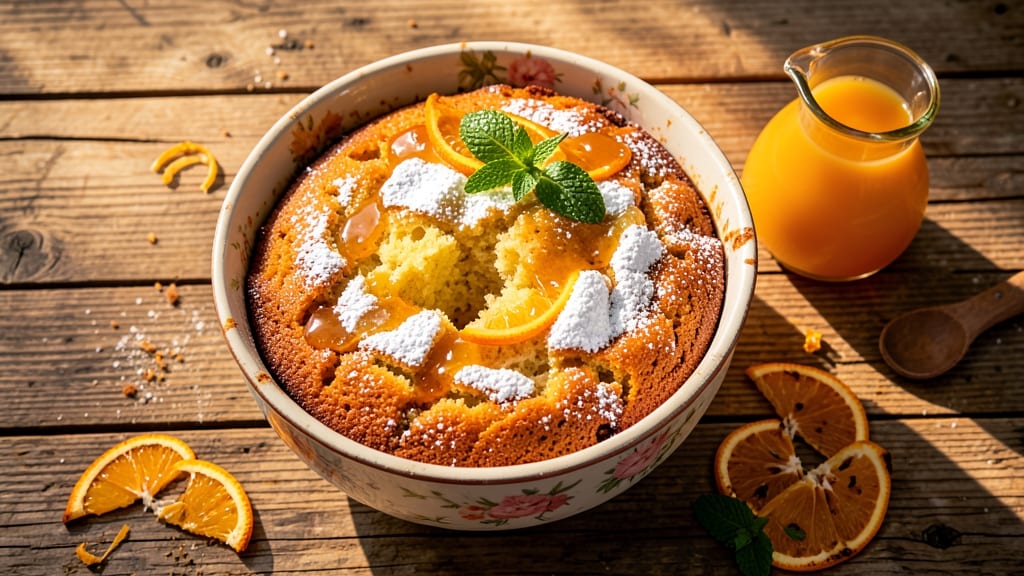
This Amish orange cake recipe brings the warmth of a Pennsylvania farmhouse to your kitchen with its signature tender crumb and bright citrus notes. The secret lies in a simple batter—just flour, sugar, eggs, and butter—elevated by fresh orange zest and juice, creating layers of zesty flavor that balance perfectly with warm spices like cinnamon and nutmeg. What makes this recipe special is its foolproof method, designed to yield a moist, golden cake with a crackly top that begs for a drizzle of homemade glaze.
The beauty of this cake is in its simplicity, a hallmark of Amish baking traditions. No fancy equipment or complicated steps—just a few basic ingredients mixed together and baked to golden perfection.
The glaze, made with powdered sugar and more orange juice, adds a glossy finish that enhances the cake’s natural sweetness without overpowering it. It’s the kind of dessert that feels like a hug, perfect for family gatherings or a cozy Sunday afternoon.
What you’ll end up with is a cake that’s tender yet sturdy enough to hold its shape, with a fragrant aroma that fills your home as it bakes. The orange zest infuses every bite with a bright, citrusy kick, while the spices add depth and warmth.
This isn’t just a cake—it’s a taste of tradition, made simple enough for anyone to master.
For an extra touch, consider adding a sprinkle of toasted pecans or walnuts to the batter before baking, or a pinch of cardamom for an unexpected twist. Serve it warm with a scoop of vanilla ice cream or enjoy it at room temperature with a cup of strong coffee.
Here’s how to make it—step by step.
Ingredients for amish orange cake
Simple ingredients, warm spices, and bright citrus come together for this classic Amish orange cake.
| Ingredient | Amount | Notes |
|---|---|---|
| All-Purpose Flour 🌾 | 2 ½ cups | Sifted for light texture |
| Granulated Sugar 🍚 | 1 ½ cups | White or light brown |
| Large Eggs 🥚 | 3 whole | Room temperature preferred |
| Unsalted Butter 🧈 | 1 cup | Softened to room temp |
| Fresh Orange Zest 🍊 | 2 tbsp | From 1 large orange |
| Fresh Orange Juice 🍊 | ½ cup | From same orange |
| Milk 🥛 | ½ cup | Whole milk preferred |
| Ground Cinnamon 🌿 | 1 ½ tsp | Freshly ground preferred |
| Ground Nutmeg 🌿 | ½ tsp | Freshly grated preferred |
| Baking Powder 🧂 | 1 ½ tsp | Aluminum-free preferred |
| Salt 🧂 | ½ tsp | Fine sea salt |
| Powdered Sugar 🍚 | 1 ½ cups | For glaze |
| Toasted Pecans 🌰 | ½ cup | Optional for topping |
The orange is the star here—pick a ripe but firm fruit for maximum zest. Local farmers markets often have better quality oranges, especially in winter months. If you can't find fresh oranges, high-quality bottled orange juice works in a pinch, but the zest is what gives this cake its signature brightness. For the flour, King Arthur or Gold Medal brands are reliable choices—they're sifted and consistent. The butter should be cold from the fridge but soft enough to press with your finger; this ensures tender crumb without greasy texture. Don't skip the room temperature eggs—cold eggs can cause the batter to curdle.
No fresh orange? Substitute bottled orange juice plus extra zest from a lemon—it's not identical, but still delicious. Running short on milk? Heavy cream or buttermilk work in equal amounts, though buttermilk adds tang. For the spices, Penzeys or McCormick ground spices are good quality options, but if you've got whole spices, freshly grinding them makes a noticeable difference. The pecans can be swapped for walnuts or skipped entirely—this cake shines on its own. Need to adjust sweetness? The glaze can be made sweeter or less sweet depending on your preference; start with the recipe and adjust to taste.
Batter keeps in the fridge for 2 days if you want to prep ahead, but it's best fresh. The glaze sets quickly, so make it just before serving. Store the cake in an airtight container at room temperature for 3 days or in the fridge for 1 week. For longer storage, freeze the cake (without glaze) for up to 3 months1 week if you make it ahead, just whisk in a splash of milk to loosen before using.
Why You'll Love This Recipe
- No-Zest Struggles: I’ve tried store-bought orange zest before—dusty, bitter, and nothing like the bright burst of fresh. This recipe demands real orange zest, and honestly? That’s the magic. The moment you grate it yourself, the kitchen smells like a sunlit orchard, and the cake tastes like summer in every moist, citrus-kissed bite.
- One-Bowl Wonder: Between us, I hate dirty dishes. This cake comes together in one bowl—just mix, bake, and call it a day. No fancy layers, no last-minute scrambling for mixing bowls. The butter and sugar cream so smoothly, even my kids can help (and they always do, because who doesn’t love pressing flour with their hands?).
- Leftover Goldmine: I swear by this cake’s shelf life. Slice it fresh, and it’s tender and bright—but let it sit overnight? The flavors meld into this perfect balance of sweet and tangy. I’ve taken slices to work for days, packed them in lunches, and even frozen portions for when I’m too tired to bake. It doesn’t dry out or get sad—just stays reliably delicious.
- Budget Brightener: Fresh orange zest might sound fancy, but it’s cheaper than you think—one orange gives you enough for two cakes. The rest of the ingredients? Pantry staples. Butter, sugar, eggs—stuff you already have. It’s the kind of recipe that makes me feel fancy without breaking the bank, and that’s exactly what I need.
Step-by-step instructions for Amish orange cake
Here's how to bake this moist, fragrant cake with perfect spice balance and bright citrus notes.
Cream Butter and Sugar for Light Texture
In a large mixing bowl, beat the 1 cup unsalted butter and 1.5 cups granulated sugar together using an electric mixer on medium speed for 3-4 minutes. The mixture should become light and fluffy, nearly doubling in volume, with ribbons forming when the beaters are lifted. This creaming process incorporates air that will help create the cake's tender crumb.
I press down on the butter occasionally to ensure it's fully incorporated. If the mixture feels grainy, it's not creamed enough—keep mixing until completely smooth. The butter should be softened but not melted, so if your kitchen is warm, chill it for 15 minutes before starting. This step is critical for achieving that classic Amish cake texture.
Add Eggs and Wet Ingredients Gradually
Add the 3 whole large eggs, one at a time, mixing well after each addition until fully incorporated. Then stir in the 0.5 cup fresh orange juice and 0.5 cup milk. Scrape down the sides of the bowl with a spatula to ensure all ingredients are properly combined.
Next, whisk together the 2.5 cups all-purpose flour, 1.5 teaspoons ground cinnamon, 0.5 teaspoon ground nutmeg, 1.5 teaspoons baking powder, and 0.5 teaspoon salt in a separate bowl. Sift the dry ingredients directly into the wet mixture while mixing on low speed. This prevents gluten development that could make the cake tough.
Fold in Orange Zest and Pecans
Add the 2 tablespoons fresh orange zest and mix just until combined. The zest contains the essential oils that give this cake its bright, citrusy character. Fold in the 0.5 cup toasted pecans (if using) with a rubber spatula, being careful not to overmix. The batter should be thick but pourable.
Here's the thing—don't overmix after adding the flour. You'll know it's properly combined when there are just a few dry spots remaining. Overmixing develops gluten, which leads to a dense rather than light cake. For best results, mix on low speed just until the flour disappears.
Bake at Moderate Temperature
Preheat your oven to 350°F. Grease two 8-inch round cake pans and line the bottoms with parchment paper. Divide the batter evenly between the prepared pans. Bake for 25-30 minutes, or until a toothpick inserted into the center comes out clean and the top springs back when gently pressed.
I recommend checking the cakes at the 20-minute mark—ovens vary, and you don't want to overbake. The edges should be set while the center remains slightly jiggly. Rotate the pans halfway through baking for even browning. When done, remove from the oven and let cool in the pans for 10 minutes before transferring to a wire rack to cool completely.
Prepare the Orange Glaze
While the cakes cool, whisk together 1.5 cups powdered sugar and 2 tablespoons fresh orange zest in a bowl. Gradually add 2-3 tablespoons fresh orange juice until you reach a smooth, drizzling consistency. The glaze should coat the back of a spoon but still flow easily.
Once the cakes are completely cool, place one layer on a serving plate. Pour half of the glaze over the top and spread evenly with an offset spatula. Repeat with the second layer and remaining glaze. Let the glaze set for 10 minutes before slicing. This glaze enhances the cake's natural sweetness while adding that signature citrus brightness.
Pro Tips For Making Amish Orange Cake
- Whip Butter and Sugar Cold: I learned this the hard way—warm butter makes a dense, greasy cake. Take your butter and sugar straight from the fridge, beat them together until light and fluffy, and you’ll get that classic Amish cake texture: tender but sturdy. No one wants a cake that feels like it’s been through a snowstorm.
- Zest Only the Outer Peel: That bitter pith? It’s the enemy of bright orange flavor. Use a fine grater or zester, and scrape only the colored part—no white stuff. Too much pith turns your cake into a sad, slightly soapy dessert. (Yes, I’ve tasted it. Don’t ask.)
- Don’t Overmix the Batter: This is where people ruin their cakes. Mix just until the flour disappears—about 30 seconds after that. Overmixing develops the gluten, and suddenly you’ve got a tough, chewy brick instead of that moist, crumbly Amish cake. Fight the urge to "make sure it’s all mixed."
- Bake Until a Toothpick Comes Out Mostly Clean: The recipe might say "until done," but here’s the real test: Insert a toothpick into the center. Pull it out—it should have a few moist crumbs, not wet batter. If it’s bone-dry, you’ve overbaked; if it’s sticky, it needs more time. (And no, "looking done" isn’t enough—I’ve seen cakes that looked perfect but were raw inside.)
Creative variations of this amish orange cake
Classic Spiced Twist
Swap the nutmeg for 1 teaspoon of cardamom and add ½ teaspoon of cloves for a Middle Eastern-inspired take. The cardamom brings floral notes that complement the orange beautifully, while cloves add warmth.
I find that Penzeys Spices ground cardamom works perfectly—just toast the whole pods first for deeper flavor. 🌿
Lemon-Lavender Variation
Replace the orange juice with ½ cup fresh lemon juice and infuse the batter with 1 teaspoon dried culinary lavender. Add 1 tablespoon lemon zest. This creates a bright, floral cake that pairs wonderfully with a honey glaze.
For the lavender, use Whole Foods 365 brand—it’s food-grade and potent enough to infuse without overpowering.
Chocolate-Dipped Layers
Divide the batter between three pans instead of two, then bake as directed. Once cooled, spread a layer of ½ cup melted dark chocolate. (I like Ghirardelli 72% cocoa) between the layers.
The chocolate adds richness that balances the citrus perfectly. Drizzle the orange glaze over the top for a stunning presentation.
Nut-Free Option
Skip the pecans entirely and replace them with ½ cup dried cranberries. (Look for unsweetened Ocean Spray brand.) The tartness of the cranberries cuts through the sweetness of the cake, creating a delightful contrast.
You can also add ¼ cup shredded coconut. for a tropical twist—just toast it lightly before folding into the batter.
Boozy Orange Glaze
For adults, upgrade the glaze by adding 1 tablespoon Grand Marnier. or Cointreau. to the orange juice mixture. The liqueur’s citrus notes amplify the cake’s flavor while adding a sophisticated depth.
I recommend Hiram Walker Grand Marnier. for its balanced sweetness and orange essence. Serve with a side of vanilla ice cream for a decadent dessert.
Seasonal Adaptations
In summer, reduce the oven temperature to 325°F. and add ½ cup finely chopped strawberries. to the batter for a fruity twist. For fall, swap the orange for 1 apple. (peeled and grated) and add 1 teaspoon pumpkin pie spice. to the dry ingredients.
The apple keeps the cake moist while the spices add cozy warmth.
Nutrition facts
Frequently asked questions
Can I make this cake without fresh orange zest?
If you can't find fresh oranges, use 1 tablespoon bottled orange juice concentrate mixed with 1 teaspoon lemon zest for a similar citrus punch. For deeper flavor, try 1 teaspoon orange extract (like McCormick brand), but reduce the orange juice by 1 tablespoon to balance sweetness. The zest is ideal, but this works in a pinch.
Why does my Amish orange cake turn out dense?
Overmixing the batter is the most common culprit—gluten develops, making the cake tough. Mix just until the flour disappears after adding it. Also, ensure your butter is softened (not melted) and eggs are room temperature. Finally, check your baking powder isn't expired; old leavening causes flat cakes.
How do I store leftover orange cake?
Keep the cake in an airtight container at room temperature for 3 days or refrigerate for 1 week. For longer storage, freeze the unfrosted cake (wrapped tightly) for up to 3 months. Thaw overnight in the fridge—never at room temperature. The glaze keeps separately in the fridge for 1 week.
Can I make this cake in a bundt pan?
Yes! Reduce baking time to 20-25 minutes in a 10-cup bundt pan at 350°F. Brush the pan with butter and dust with flour before adding batter. For even baking, rotate the pan halfway through. The bundt shape makes beautiful presentation—just adjust for smaller portions since it yields 12 servings instead of 12 slices.
What's the best way to serve this cake?
Warm slices pair perfectly with vanilla ice cream or whipped cream. For a rustic touch, serve with a dollop of Amish-style whipped butter (mix softened butter with powdered sugar and vanilla). The cake also shines at room temperature with a cup of strong black coffee or chai tea—its warm spices complement both perfectly.