
Desserts
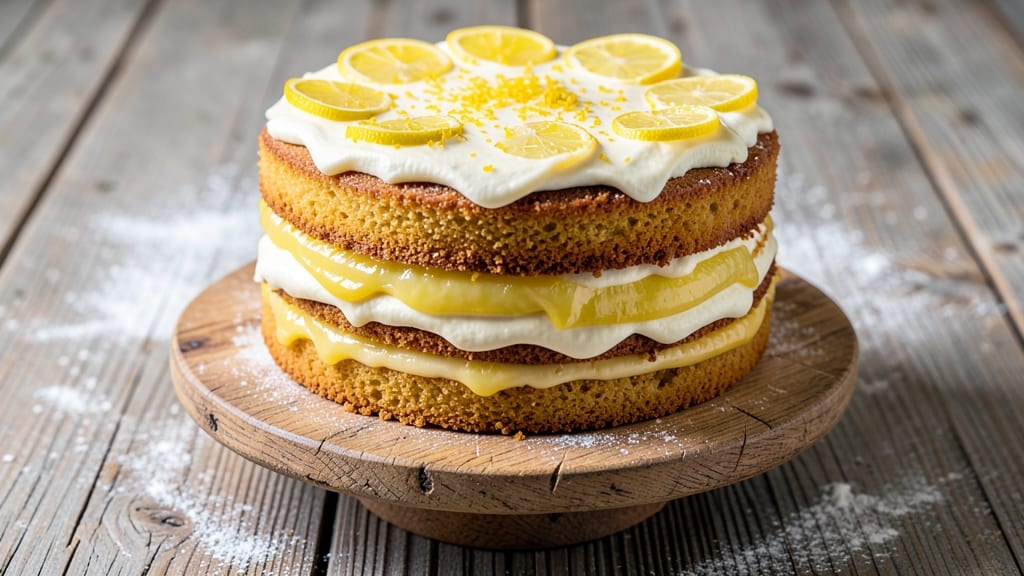
This Amish lemon cake recipe delivers the perfect balance of bright citrus and tender layers that stay moist for days—just like the ones from my great-grandmother's kitchen. 💛 The secret lies in a simple batter enriched with homemade butter and a touch of vanilla, creating a texture that's light yet rich, with a zesty lemon flavor that lingers.
Traditional Amish baking focuses on quality ingredients and minimal fuss, and this recipe honors that philosophy while delivering restaurant-worthy results.
The beauty of this cake lies in its approachability—no special equipment or advanced techniques are needed, just a few basic ingredients and a little patience. The cake layers are baked to a golden perfection, then filled with a velvety lemon cream cheese frosting that ties everything together.
What makes it truly special is how the flavors develop over time, with the lemon becoming more pronounced and the cake staying wonderfully moist, even after a few days.
What you'll end up with is a cake that's as beautiful as it is delicious—golden layers separated by that creamy lemon filling, all topped with a simple glaze or fresh berries for a touch of elegance.
This is the kind of dessert that feels like a warm hug, perfect for family gatherings, potlucks, or simply treating yourself to something special. The simplicity of the recipe makes it accessible, while the rich flavors make it unforgettable.
Whether you're baking for a celebration or just craving something sweet, this Amish lemon cake is sure to impress. The traditional methods ensure a foolproof result, and the bright, citrusy flavor makes it a standout dessert. Let's get started on creating this timeless classic!
Ingredients for amish lemon cake
Simple ingredients, traditional methods—this cake stays moist for days with lemon's bright, lingering flavor.
| Ingredient | Amount | Notes |
|---|---|---|
| All-Purpose Flour 🌾 | 3 cups | Sifted for light texture |
| Granulated Sugar 🍚 | 2 cups | White or light brown |
| Unsalted Butter 🧈 | 1 ½ cups | Room temperature, homemade preferred |
| Fresh Lemon Juice 🍋 | ¾ cup | From 3-4 large lemons |
| Zest of 2 Lemons 🍋 | 2 whole | Finely grated, bright yellow |
| Pure Vanilla Extract 🌿 | 2 tsp | High-quality, not imitation |
| Baking Powder 🧂 | 2 tsp | Diamond Crystal preferred |
| Salt 🧂 | ½ tsp | Fine sea salt |
| Large Eggs 🥚 | 4 whole | Room temperature |
| Heavy Cream 🥛 | 1 cup | Cold for frosting |
| Cream Cheese 🧀 | 8 oz | Room temperature, full-fat |
| Powdered Sugar 🍚 | 3 cups | For smooth frosting |
| Lemon Glaze Powdered Sugar 🍚 | 1 cup | Extra for topping (optional) |
| Fresh Blueberries 🫐 | 1 ½ cups | For garnish (optional) |
The butter matters most here—homemade or high-quality store-bought makes all the difference. Whole Foods or local creamery butter has more flavor, but Land O'Lakes or Plugrah work in a pinch. Room temperature is key: press cold butter between wax paper for 10 minutes if it's too firm. For the lemons, navel lemons are ideal—they're juicier and sweeter than Meyer lemons. If you can't find them, use Eureka lemons (the tart ones) and add 1 tbsp extra sugar to the batter. The vanilla extract should be pure—McCormick or Nielsen-Massey are reliable brands. Sift the flour and baking powder together to avoid lumps, which keeps the cake light and tender.
No fresh lemons? Lemon juice concentrate works—dilute 1 tbsp concentrate with 1/4 cup water for the 3/4 cup needed. Short on butter? Coconut oil is a neutral substitute, but the flavor won't be the same. The cream cheese frosting can be made ahead—just whip it up and refrigerate for up to 3 days. For a tangier frosting, add 1 extra tsp of lemon juice. If you're avoiding dairy, vegan cream cheese (like Kite Hill) works, though the texture will be slightly softer. The powdered sugar for the glaze should be sifted to avoid graininess—use a fine-mesh sieve if you don't have a sifter. For a quicker version, skip the glaze and just dust the cake with powdered sugar.
This cake keeps beautifully—3-4 days at room temperature wrapped in plastic, or 1 week in the fridge. For longer storage, freeze the layers (unfrosted) for up to 3 months. Thaw overnight in the fridge before frosting. The frosting can be made 2 days ahead and stored in the fridge—just re-whip before assembling. To serve, slice with a hot knife for clean cuts. Leftovers? They reheat well—wrap a slice in foil and warm for 10-15 seconds in the microwave. The lemon flavor actually improves over time, so this cake tastes even better the next day.
Why You'll Love This Recipe
- No Fussy Steps: I swear, this cake is one of those rare recipes where you just mix, pour, and forget—no standing over the oven, no tricky layering. The buttercream’s made right in the bowl while the cake cools, so you’re not juggling three separate jobs.
- Zesty Magic: That bright lemon zest and juice? It’s the secret weapon here. The cake’s got this perfect balance—sweet enough to satisfy, but the citrus keeps it lively, like sunshine in every bite. (Yes, even my lemon-skeptical husband asks for seconds.)
- Bakes Like a Dream: You can make it for a picnic, a church gathering, or just a lazy Sunday—it stays moist for days without drying out. Between us, I’ve packed it in lunches and it’s still delicious by day three. (My kids’ favorite, honestly.)
Step-by-step instructions for Amish lemon cake
Here's how to bake a tender, citrus-kissed cake that stays moist for days.
👨🍳 Step 1: Prepare the Cake Batter
Preheat your oven to 350°F and grease two 9-inch round pans with butter, then line the bottoms with parchment paper. In a large mixing bowl, combine the 3 cups all-purpose flour, 2 tsp baking powder, and 0.5 tsp salt. Sift the dry ingredients together to remove any lumps and ensure even distribution.
In a separate bowl, cream together the 1.5 cups unsalted butter and 2 cups granulated sugar on medium speed until light and fluffy—about 3-4 minutes. The mixture should look pale and nearly double in volume. This step is crucial for creating that signature tender crumb. Add the 4 whole large eggs, one at a time, mixing well after each addition.
Incorporate the 0.75 cup fresh lemon juice, 2 tsp pure vanilla extract, and 2 whole zest of 2 lemons into the butter mixture. The zest should be finely grated and bright yellow—this ensures maximum flavor without bitterness. Gradually add the dry ingredients to the wet mixture, mixing on low speed just until combined. Avoid overmixing, as this can develop gluten and make the cake dense.
🍳 Step 2: Bake the Layers
Divide the batter evenly between the two prepared pans. For the most even baking, tap each pan gently on the counter to release any air bubbles. Bake for 25-30 minutes, or until a toothpick inserted into the center comes out clean. Rotate the pans halfway through baking for even browning.
Here's the thing—Amish lemon cake should have a golden top but still look slightly underbaked in the center. The cake will continue cooking as it cools, so don't overbake. If the tops brown too quickly, tent the pans with foil. Once done, remove the cakes from the oven and let them cool in the pans for 10 minutes before transferring to a wire rack to cool completely.
🥘 Step 3: Prepare the Lemon Cream Cheese Frosting
While the cakes cool, prepare the frosting by beating the 8 oz cream cheese and 1 cup heavy cream together in a mixing bowl until smooth and creamy. The cream cheese should be at room temperature—this ensures it blends smoothly without lumps. Gradually add 3 cups powdered sugar, mixing on low speed until fully incorporated.
Incorporate the 1 cup lemon glaze powdered sugar and an additional 2 tablespoons fresh lemon juice for extra zing. Beat on high speed for 2-3 minutes until light and fluffy. The frosting should be thick enough to hold its shape but still spreadable. If it's too thick, add 1 teaspoon lemon juice at a time until it reaches the perfect consistency.
🍽️ Step 4: Assemble and Garnish the Cake
Once the cakes are completely cool, level the tops if necessary using a serrated knife. Place one layer on a cake stand or plate and spread a generous layer of the lemon cream cheese frosting over the top. Top with the second layer and frost the entire cake, including the sides. For a smooth finish, use an offset spatula to spread the frosting evenly.
Garnish the top with the 1.5 cups fresh blueberries, pressing them gently into the frosting for a decorative touch. The blueberries add a pop of color and a subtle contrast to the bright lemon flavor. For extra shine, you can drizzle a bit of additional lemon juice over the top. Serve slices at room temperature for the best texture and flavor—this cake tastes even better the next day!
Pro Tips For Making Amish Lemon Cake
- Whisk Butter Cold: DESCRIPTION:
- Strain Your Zest: DESCRIPTION:
- Stop When Wet: DESCRIPTION:
- Bake Until Golden: DESCRIPTION:
Common mistakes when making this recipe
Overmixing the Batter
This is the #1 mistake I see with lemon cakes—they end up dense instead of tender. Once you've incorporated all the dry ingredients, mix just until combined. Overmixing develops gluten, which makes the cake tough.
I recommend using a spatula to gently fold the dry ingredients into the wet mixture by hand if you're nervous about overmixing with an electric mixer. 💛
Skipping Room-Temp Ingredients
Cold butter and eggs can cause uneven baking and dense texture. Let your butter and eggs sit at room temperature for at least 1 hour before starting. If you're in a hurry, I keep a bowl of cold butter in warm water for 10 minutes—this softens it without melting.
Room-temperature ingredients blend smoothly and create a lighter cake.
Incorrect Baking Time
Don't bake until the toothpick comes out completely clean—that's a common mistake. Amish lemon cake should have a slight bounce in the center when pressed. If you bake until fully done, the cake will dry out.
I pull mine when the center reads 205-210°F on an instant-read thermometer—it'll finish cooking as it cools.
Using Low-Quality Butter
Store-brand butter with additives can make your cake taste flat. Stick with high-quality butter like Plugrah or Land O'Lakes Creamery. If you're using homemade butter, let it sit at room temperature for 2 hours before using.
The flavor difference is noticeable, and it makes all the difference in that rich, tender crumb.
Not Cooling Properly
Transferring cakes to a wire rack too soon causes them to collapse. Let them cool in the pans for 10 minutes first, then gently remove. I also recommend cooling the cakes completely before frosting—this prevents the frosting from melting.
If you're impatient, chill the cakes in the fridge for 30 minutes before assembling.
Measuring Mistakes
Packing brown sugar or scooping flour straight from the bag changes the recipe's balance. Use the spoon-and-level method for flour and pack brown sugar lightly in the measuring cup.
For the lemon juice, I measure it in a liquid measuring cup and confirm it's exactly 3/4 cup—no eyeballing! Precise measurements ensure consistent results every time. ⚡
Nutrition facts
Frequently asked questions
Can I make this cake without fresh lemons?
Yes! Use lemon juice concentrate—dilute 1 tablespoon concentrate with ¼ cup water to replace the ¾ cup fresh lemon juice. For zest, try ½ teaspoon lemon extract (though fresh zest adds the best flavor). The cake will still taste bright, just slightly less complex.
How do I store leftover cake?
Wrap tightly in plastic wrap and store at room temperature for 3-4 days or refrigerate for 1 week. For longer storage, freeze unfrosted layers for up to 3 months. Thaw overnight in the fridge before frosting. The lemon flavor actually improves with time!
Can I substitute cream cheese in the frosting?
For a dairy-free option, use vegan cream cheese (like Kite Hill) or blend 1 cup silken tofu with 1 tsp lemon zest and 1 tbsp vinegar for tang. The texture will be softer, but still delicious. For a richer alternative, try mascarpone cheese mixed with ½ cup sour cream.
Why did my cake turn out dense?
Most likely overmixing or cold ingredients. Mix dry ingredients just until combined (no streaks), and ensure butter/eggs are at room temperature. Also check your baking powder—old powder loses lift. For extra tenderness, add ¼ cup sour cream to the batter.
What's the best way to make this cake gluten-free?
Replace the 3 cups all-purpose flour with a 1:1 gluten-free baking flour blend (like Bob's Red Mill) plus ½ teaspoon xanthan gum. Add ¼ cup extra sour cream to improve moisture. Note the texture will be slightly crumbly—this is normal for gluten-free cakes.