
Desserts
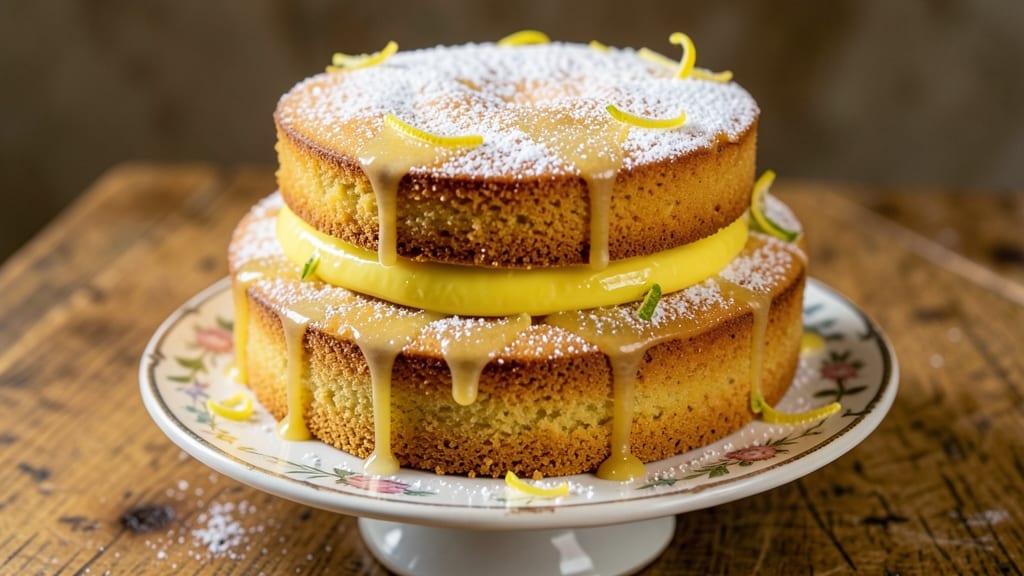
This America's Test Kitchen lemon cake recipe delivers the perfect balance of tender, moist layers and a buttery crumb topping that's been refined through rigorous testing. 💛 The secret lies in precise ingredient ratios and baking techniques that ensure consistent results every time—no guesswork, just foolproof execution.
What sets this recipe apart is its bright citrus flavor that's neither too sweet nor too tart, making it a crowd-pleaser for any occasion.
The cake itself features a classic yellow cake base infused with fresh lemon zest and juice, creating that signature tangy brightness without overpowering the buttery richness. The buttery crumb topping adds a delightful textural contrast that's crispy when fresh and softens just enough to complement each bite.
This recipe maintains the traditional charm while incorporating modern baking science for reliable performance.
What you'll achieve is a cake with perfectly moist layers that hold their shape, a crumb topping that's golden and inviting, and a lemon glaze that adds that final touch of citrus brightness.
The combination of these elements creates a dessert that's elegant enough for special occasions but simple enough for weeknight treats. The recipe includes clear instructions for layering and assembling, ensuring professional-quality results at home.
For those looking to adapt this classic, the recipe includes notes for potential variations while maintaining the core structure that makes it work. Whether you're baking for a celebration or simply craving a slice of lemon cake, this recipe delivers consistent, restaurant-quality results with minimal effort.
Let's get started on creating this timeless dessert.
Ingredients for america's test kitchen lemon cake
Precision meets citrus in this foolproof lemon cake with layers of moist perfection and buttery crumb topping.
| Ingredient | Amount | Notes |
|---|---|---|
| All-Purpose Flour 🌾 | 2 ½ cups | Sifted for even texture |
| Granulated Sugar 🍚 | 2 ¼ cups | Divided for layers and topping |
| Unsalted Butter 🧈 | 1 ½ cups | Cold, cubed for crumb topping |
| Fresh Lemon Zest 🍋 | ¼ cup | From 2-3 large lemons |
| Fresh Lemon Juice 🍋 | ¾ cup | Strained for clarity |
| Large Eggs 🥚 | 4 whole | Room temperature for blending |
| Baking Powder 🍃 | 2 ½ tsp | Diamond Crystal preferred |
| Salt 🧂 | ½ tsp | Fine sea salt preferred |
| Vanilla Extract 🌸 | 2 tsp | Pure vanilla preferred |
| Whole Milk 🥛 | 1 cup | Room temperature |
| Powdered Sugar 🍚 | 1 cup | For lemon glaze |
| Heavy Cream 🥛 | ¼ cup | Chilled for glaze |
| Allspice Ground 🌶️ | ¼ tsp | For crumb topping |
| Cinnamon Ground 🌿 | ¼ tsp | For crumb topping |
The lemons make or break this cake. Use Meyer lemons if available—they're sweeter and more fragrant, but regular lemons work fine. Look for bright, firm fruit with no soft spots. I grab mine from Whole Foods when they're in season, but any well-stocked grocery store has them year-round. The zest needs to be freshly grated—pre-grated zest has lost its punch. For the butter, Plugrá or Land O'Lakes are reliable brands, but any good-quality unsalted butter will do. Keep it cold when making the crumb topping—this is key for that perfect texture.
No Meyer lemons? Regular lemons at double the zest amount work, but you'll lose some of that floral sweetness. Running short on vanilla? Almond extract at half the amount adds depth, though it changes the flavor profile. For the crumb topping, if you don't have allspice, nutmeg at half the amount is the closest substitute. The milk can be swapped for buttermilk or evaporated milk if needed, but whole milk gives the perfect balance. When measuring flour, spoon and level—don't scoop directly from the bag, or your cake will be denser than it should be. The baking powder matters here—Diamond Crystal, so use it as written.
The cake layers keep beautifully for 3 days wrapped tightly at room temperature, or 1 week refrigerated. The crumb topping stays crisp for 2 days if stored in an airtight container, but softens slightly after that—just what you want for the perfect texture. For make-ahead prep, bake the layers and topping a day ahead, then assemble before serving. The lemon glaze can be made 1 day in advance and stored in the fridge—just whisk it back up before using. If you're freezing, assemble the cake without the glaze and freeze for up to 3 months. Thaw overnight in the fridge before adding the glaze.
Why You'll Love This Recipe
- No Fussy Steps: I swear, this cake comes together with just four bowls and a whisk—no stand mixer, no piping bags, nothing. The butter gets creamed with sugar until light, then the flour and lemon work their magic in one smooth fold. Honestly, I’ve made it while chatting on the phone.
- Zesty Magic: That bright lemon zest and juice? It’s not just a flavor—it’s a moment. The buttercream layer (yes, it’s in the recipe) balances the tang perfectly, and the crumb? So tender it practically melts. I’ll be real: my husband licks the bowl.
- Weekend or Weeknight: Pack it for a picnic, slice it for a brunch spread, or just eat it straight from the pan. The recipe scales easily—double for a crowd, halve for a treat. (Yes, even on a Tuesday night.) My go-to is the mini version for coffee dates.
- Budget Bright Spot: You’re using pantry staples here—flour, sugar, butter—and a couple of lemons. The cake keeps well for days, so you’re not scrambling to use it all. Plus, the leftovers? Still taste like you baked them fresh. My secret weapon for stress-free desserts.
Step-by-step instructions for america's Test Kitchen lemon cake
This method delivers perfectly moist layers with a buttery crumb topping every time.
👨🍳 Step 1: Prepare the Lemon Cake Batter
Preheat your oven to 350°F and grease two 9-inch round pans with butter or line them with parchment paper. In a medium bowl, whisk together the 2.5 cups all-purpose flour, 2.5 teaspoons baking powder, and 0.5 teaspoon salt. Set aside.
In a large bowl, beat the 1.5 cups unsalted butter and 1 cup granulated sugar (from the 2.25 cups total) on medium speed until light and fluffy, about 3-4 minutes. Add the 4 whole eggs, one at a time, beating well after each addition. Mix in the 0.25 cup fresh lemon zest, 0.75 cup fresh lemon juice, 2 teaspoons vanilla extract, and 1 cup whole milk until just combined.
Gradually add the dry ingredients to the wet mixture, mixing on low speed just until combined—do not overmix. The batter should be smooth but slightly lumpy. Divide the batter evenly between the prepared pans and smooth the tops. Bake for 25-30 minutes or until a toothpick inserted into the center comes out clean. Let the cakes cool in the pans for 10 minutes, then transfer to a wire rack to cool completely.
🍳 Step 2: Make the Buttery Crumb Topping
While the cakes cool, make the crumb topping by combining the remaining 1.25 cups granulated sugar (from the 2.25 cups total), 0.25 teaspoon allspice, and 0.25 teaspoon cinnamon in a medium bowl. Cut the 1 cup unsalted butter (from the 1.5 cups total) into small cubes and add to the bowl. Use a pastry cutter or your fingers to work the butter into the sugar mixture until it resembles coarse crumbs with some pea-sized butter pieces remaining.
Spread half of the crumb topping evenly over one of the cooled cake layers. Place the second cake layer on top and spread the remaining crumb topping over the top and sides of the cake, pressing gently to adhere. This creates the signature textured topping that keeps the cake moist while adding a buttery contrast to the bright lemon flavor.
🥘 Step 3: Prepare the Lemon Glaze
In a small bowl, whisk together the 1 cup powdered sugar and 0.25 cup heavy cream until smooth. The glaze should be thick but pourable. Drizzle the glaze evenly over the top and sides of the cake, allowing it to drip slightly down the sides for a professional finish. This step adds a glossy sheen and enhances the lemon flavor with each bite.
Let the glaze set for at least 30 minutes before serving. This resting time allows the cake layers to fully absorb the glaze and the crumb topping to firm up slightly. The cake is best served at room temperature, where the lemon flavor truly shines and the textures contrast beautifully between the moist cake, buttery crumbs, and glossy glaze.
Pro Tips For Making America'S Test Kitchen Lemon Cake
- Cream Butter Properly: The ATK recipe relies on a light, airy texture—don’t just mix the butter and sugar until it looks "combined." Use a stand mixer (or hand mixer) on medium-high for 3–4 minutes until the butter is pale yellow and ribbons form when you drag the spatula through it. I used to stop at 2 minutes, and the cake always turned out dense. This step is non-negotiable for that signature crumb.
- Zest Before Juicing: Grate the lemon zest first, then juice the lemons—this keeps the zest fresher and more aromatic. The recipe calls for 2 tablespoons zest, but if your lemons are small or underripe, double-check: zest should look like tiny yellow shavings, not green scraps. I learned this the hard way when a bitter zest ruined a batch.
- Don’t Overmix the Batter: The second you add the eggs, stop mixing as soon as the batter is just smooth. Overmixing develops gluten, and that’s how you end up with a tough, chewy cake instead of the tender one ATK promises. Fold in the dry ingredients with a spatula—gentle strokes only. I know, it feels weird to leave lumps, but the cake will thank you.
- Rotate the Pan: This cake rises unevenly if the pan sits in one spot. After 30 minutes in the oven, rotate the pan 180 degrees and swap the racks (top to bottom, bottom to top). The ATK recipe’s high sugar content means the edges brown faster than the center—this evens things out. Skip this, and you’ll get a golden crust with a pale middle, or worse, a cake that collapses when cooling.
Make-ahead tips for this america's test kitchen lemon cake
Bake Layers Ahead
Prepare the cake layers up to 2 days in advance and store them wrapped tightly in plastic wrap at room temperature. This gives the flavors time to meld beautifully without drying out.
I always bake mine the day before—it makes assembly so much easier when everything is ready. Just let them cool completely before wrapping to prevent condensation. 💛
Assemble Before Serving
For the best texture, assemble the cake with the crumb topping just before serving. The crumbs soften slightly when exposed to air, creating that perfect contrast with the moist layers.
If you must assemble ahead, refrigerate the cake (unfrosted) for up to 4 hours—just bring it to room temperature before adding the glaze.
Glaze Make-Ahead Hack
The lemon glaze can be made 1 day ahead and stored in an airtight container in the fridge. Before using, whisk it vigorously to restore its smooth consistency. I keep a small jar of glaze in my fridge for spontaneous dessert cravings—it's a game-changer for last-minute gatherings. 💡
Freezing Fully Assembled
For long-term storage, assemble the cake without the glaze and freeze it for up to 3 months. Wrap it tightly in plastic wrap followed by aluminum foil to prevent freezer burn.
Thaw overnight in the fridge, then add the glaze just before serving. The texture remains perfect, though the crumb topping may soften slightly after thawing.
Crumb Topping Prep
Make the crumb topping 1 day ahead and store it in an airtight container at room temperature. The butter will soften slightly, making it easier to spread when assembling your cake.
If it hardens, let it sit at room temperature for 10-15 minutes before using. This step saves time on baking day and ensures even distribution.
Room Temperature Matters
Always bring all ingredients to room temperature before baking. Cold butter and eggs can cause the cake to develop uneven textures. I keep my eggs and milk out for 30 minutes before starting, and I let the butter soften slightly (but not melt) for the crumb topping.
This small step makes a big difference in the final texture. ✨
Nutrition facts
Frequently asked questions
Why does this lemon cake recipe use both zest and juice?
The zest adds bright, aromatic citrus flavor while the juice provides moisture and balance. Using both creates a complex lemon taste that's neither too tart nor too sweet. The zest's oils infuse the batter, while the juice prevents dryness—together they make the cake truly sing with citrus.
Can I make this cake in a single layer instead of two?
Yes, but the texture will differ. For a single 9-inch layer, reduce baking time to 20-25 minutes and use half the crumb topping. The cake will be denser without the second layer's support, but still delicious. The glaze quantity can stay the same for full coverage.
What's the secret to the perfect crumb topping?
Cold butter is key—it creates those signature buttery crumbs. Cut the butter into small cubes and work it quickly into the sugar mixture. Don't overmix, or you'll get a paste instead of crumbs. The allspice and cinnamon add warmth that complements the lemon beautifully.
How do I fix a cake that's cracked on top?
Cracking often happens from overbaking or sudden temperature changes. If it's just surface cracks, they won't affect flavor—just cover with extra crumb topping or glaze. For prevention, bake until a toothpick comes out clean (not wet), then let cakes cool gradually in their pans for 10 minutes before transferring.
Can I substitute buttercream frosting instead of the crumb topping?
You can, but you'll lose the signature texture contrast. For a buttercream version, make a standard lemon-flavored buttercream and spread between layers. The crumb topping's buttery crunch is what makes this cake special—it pairs perfectly with the moist layers and glossy glaze.