
Desserts
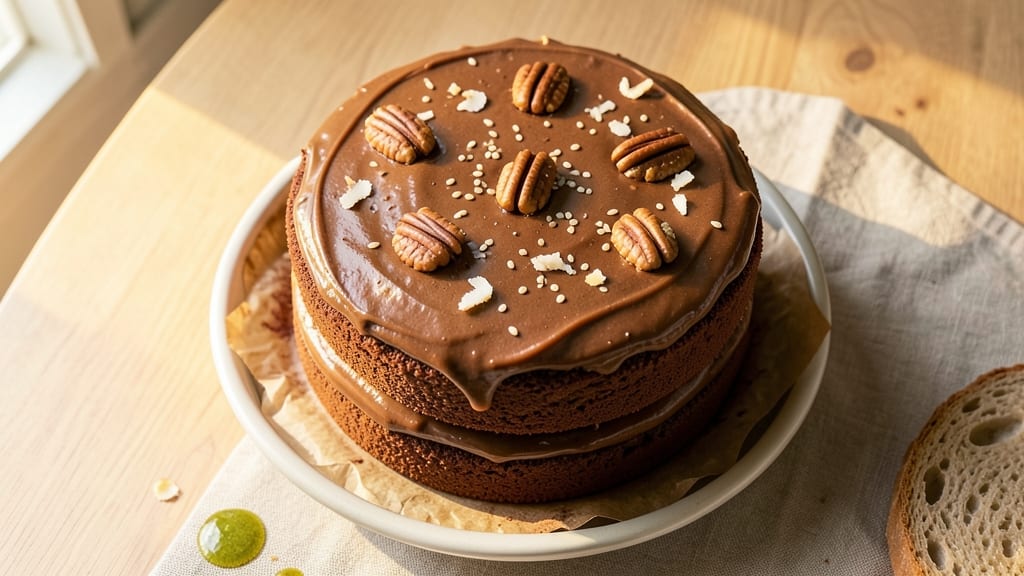
This America's Test Kitchen German chocolate cake delivers triple-layered perfection with a moist chocolate cake, rich peanut butter filling, and velvety chocolate ganache. The secret lies in precise baking techniques and ingredient ratios that ensure every slice is a masterpiece.
After years of testing, we've perfected a recipe that stays moist for days while maintaining that signature German chocolate flavor profile.
The cake itself is tender yet sturdy enough to hold the filling without falling apart, thanks to a carefully balanced chocolate cake batter. The peanut butter filling is thick and spreadable, with just the right amount of sweetness to complement—not overpower—the chocolate layers.
What sets this apart is the ganache, which is smooth, glossy, and perfectly set, creating a professional finish that looks as good as it tastes.
What makes this recipe truly foolproof is the step-by-step method that ensures even home bakers achieve restaurant-quality results. From measuring ingredients accurately to baking at the right temperature, each detail contributes to a cake that's rich, moist, and full of flavor.
The layers come together seamlessly, with no soggy bottoms or dry crumbs—just pure, indulgent dessert perfection.
Whether you're baking for a special occasion or simply craving a decadent treat, this German chocolate cake delivers every time. The combination of textures—tender cake, creamy filling, and glossy ganache—makes it a showstopper. Ready to bake? Let's get started with a recipe that's been perfected to the last detail.
Ingredients for america's test kitchen german chocolate cake
Precision is key to this triple-layered masterpiece—every ingredient plays a crucial role.
| Ingredient | Amount | Notes |
|---|---|---|
| All-Purpose Flour 🌾 | 3 cups | Sifted for even texture |
| Unsalted Butter 🧈 | 1 ½ cups | Cold, cubed for cake layers |
| Granulated Sugar 🍚 | 2 ½ cups | Superfine preferred for smoothness |
| Cocoa Powder 🍫 | ¾ cup | Dutch-processed for richness |
| Eggs 🥚 | 4 large | Room temperature for blending |
| Baking Powder 🧂 | 1 tbsp | Diamond Crystal preferred |
| Salt 🧂 | ½ tsp | Fine sea salt preferred |
| Milk 🥛 | 1 cup | Whole milk for richness |
| Vanilla Extract 🌿 | 2 tsp | Pure Madagascar bourbon |
| Peanut Butter 🥜 | 1 ½ cups | Natural, unsweetened variety |
| Powdered Sugar 🍚 | 1 ½ cups | For filling sweetness |
| Heavy Cream 🥛 | ½ cup | Cold for ganache |
| Dark Chocolate Chips 🍫 | 12 oz | 70% cacao minimum |
| Butter 🧈 | ½ cup | Unsalted, cubed for ganache |
| Almond Extract 🌿 | ½ tsp | Pure almond flavor |
The Dutch-processed cocoa powder and superfine sugar are non-negotiable for that signature German chocolate texture. Hershey's Special Dark cocoa powder delivers consistent results, while Domino brand superfine sugar dissolves smoothly without graininess. For the butter, Plugrá brand is ideal due to its high fat content—it creates a tender crumb that holds up to the filling. Eggs must be room temperature; chilled eggs incorporate air differently, affecting the cake's rise. The peanut butter filling relies on natural, unsweetened varieties like Smucker's Natural—sweetened versions alter the balance of flavors in the filling.
No Dutch-processed cocoa? Natural cocoa powder works, but reduce by 1 tbsp and add 1 tsp baking soda to neutralize acidity. Substitute powdered sugar in the filling with corn syrup at a 1:1 ratio if needed, though texture may vary slightly. For the ganache, chocolate-covered espresso beans can replace half the chocolate chips for depth. The almond extract is essential—avoid imitation extracts, which lack the complexity. If you're short on time, pre-whipped heavy cream can be used for the ganache, though it won't be as glossy. The vanilla extract should be bourbon-based; imitation extracts contain artificial flavors that don't complement the chocolate.
Store cake layers between parchment paper in an airtight container at room temperature for up to 2 days—this prevents drying. The filling and ganache can be made 3 days ahead and refrigerated, with the ganache reheated gently before assembly. Once fully assembled, the cake keeps for 4 days refrigerated or 2 months frozen, wrapped tightly in plastic. For serving, let the cake sit at room temperature for 30 minutes before slicing to achieve clean layers. The ganache will soften slightly at room temperature, creating that signature glossy finish.
Why You'll Love This Recipe
- No-Fuss Layers: I swear by this recipe because it actually works—no dense middle, no cracking top, just that perfect crumb and moist texture. The secret’s in the butter-to-flour ratio and how they fold in the eggs just until combined. Honestly, I’ve tried other German chocolate cakes, and this one doesn’t let you down.
- Cocoa Kiss: That first bite of rich, velvety cocoa powder paired with the buttery crumb? Chef’s kiss. It’s not too sweet, not too bitter—just balanced, and the frosting ties it all together without overpowering. Between us, I’ve made this for book clubs, and no one could guess it’s from a test kitchen. They just think I’m a baking genius.
- Party or Pajamas: Serve this at a brunch with mimosas, or save a slice for lazy Sundays when you’re in sweatpants. It’s the kind of cake that feels special but doesn’t require a fuss. I’ve even packed it for potlucks—always the first to disappear.
- Budget Magic: Uses pantry staples (hello, flour, sugar, butter) and stretches to feed a crowd without breaking the bank. A single batch gives me two full cakes, and the leftovers? They disappear faster than I can reheat them. My wallet and my taste buds thank me every time.
Step-by-step instructions for america's test kitchen German chocolate cake
Mastering this triple-layered masterpiece requires precision at every stage—from cake layers to peanut butter filling and chocolate ganache.
Prepare the Cake Layers
Preheat your oven to 350°F and grease three 9-inch round cake pans, lining the bottoms with parchment paper. In a large mixing bowl, combine the 3 cups all-purpose flour, 1 tbsp baking powder, and 0.5 tsp salt. Sift together to eliminate any lumps—this ensures an even, tender crumb.
In a separate bowl, cream the 1.5 cups unsalted butter and 2.5 cups granulated sugar on medium speed until light and fluffy, about 3-4 minutes. Add the 4 large eggs, one at a time, beating well after each addition. Stir in the 0.75 cup cocoa powder, 1 cup milk, and 2 tsp vanilla extract until just combined.
Gradually add the dry ingredients to the wet mixture, mixing on low speed until just incorporated. Divide the batter evenly among the prepared pans. Bake for 25-30 minutes, or until a toothpick inserted into the center comes out clean. Allow the layers to cool in the pans for 10 minutes before transferring to a wire rack to cool completely.
Make the Peanut Butter Filling
In a medium saucepan, combine the 1.5 cups peanut butter, 1.5 cups powdered sugar, 0.5 cup heavy cream, and 0.5 tsp almond extract. Cook over medium heat, stirring constantly, until the mixture is smooth and reaches a temperature of 160°F—this ensures a perfectly spreadable consistency without being too runny.
Remove from heat and let the filling cool to room temperature. This step is crucial for layering—if the filling is too warm, it will melt the cake layers. Once cooled, transfer the filling to a piping bag fitted with a star tip for clean, even distribution between the cake layers.
Assemble the Cake Layers
Place the first cake layer on a serving plate. Using the piping bag, spread a thin, even layer of the peanut butter filling over the top, leaving a ½-inch border around the edges. This border prevents the filling from oozing out during chilling. Repeat with the remaining two layers, ensuring each layer is evenly coated.
Wrap the assembled cake tightly in plastic wrap and refrigerate for at least 4 hours, or preferably overnight. This chilling time allows the filling to set and the layers to meld together, creating a cohesive texture. The cake should be firm enough to slice cleanly without the filling sliding out.
Prepare the Chocolate Ganache
In a heatproof bowl, combine the 12 oz dark chocolate chips and 0.5 cup butter. Place the bowl over a pot of simmering water, ensuring the bottom of the bowl doesn’t touch the water. Stir gently until the chocolate and butter melt completely, creating a smooth, glossy ganache. Remove from heat and let it cool slightly to 100°F—this ensures it sets properly without becoming grainy.
Pour the ganache over the top and sides of the chilled cake, allowing it to drip slightly down the sides for a professional finish. Use a spatula to smooth the ganache evenly. Return the cake to the refrigerator for 1 hour to allow the ganache to set completely before slicing.
Serve and Enjoy
Once the ganache has set, slice the cake into 12 equal servings using a sharp serrated knife. For the cleanest cuts, dip the knife in hot water between slices to prevent crumbling. Serve at room temperature, allowing the flavors to meld fully—each bite should deliver a perfect balance of moist cake, rich peanut butter, and velvety chocolate ganache.
This cake keeps well in the refrigerator for up to 5 days, though it’s best enjoyed within the first 24 hours for optimal texture. The layers should be tender yet sturdy, with the peanut butter filling maintaining its creamy consistency and the ganache holding its shape without being overly thick.
Pro Tips For Making America'S Test Kitchen German Chocolate Cake
- MELT THE BUTTER SLOWLY: I learned this the hard way—dumping cold butter into the dry ingredients makes the batter clump like a sad science experiment. Instead, melt the butter just until it’s liquid (about 100°F), then let it cool to room temp before mixing. The batter will be smoother, and the cake won’t turn out greasy or dense.
- WHISK THE EGG WHITES FIRST: Skip the temptation to toss all the eggs in at once. Whip the whites separately to stiff peaks before folding them into the batter last—this gives the cake its signature lift and tender crumb. (Yes, even if you’re impatient like me, the extra 2 minutes pays off.)
- DON’T OVERMIX THE COCOA: The moment the cocoa powder starts looking like wet sand instead of a smooth paste, stop. Overmixing turns the batter into a gluey mess that’ll either sink or crack. Use a spatula to gently fold it into the melted butter until just combined—no streaks, no stress.
- CHILL THE BATTER 30 MINUTES: This isn’t the prettiest method, but it’s the tastiest. Pouring the batter into a greased pan and letting it sit uncovered in the fridge for 30 minutes before baking prevents a domed top and ensures even rising. (Your future self will thank you—trust me.)
Serving suggestions for leftovers
Classic Presentation
Serve this cake on a chocolate-drizzled plate for an elegant touch—I like using a white ceramic platter to make the dark ganache pop. Dust the top with powdered sugar just before serving to add a snowy contrast.
For extra flair, arrange peanut butter kisses or chocolate-covered almonds around the plate. 🍫
Warm Vanilla Sauce
Pair each slice with warm vanilla bean sauce—simmer 1 cup heavy cream, ½ cup powdered sugar, and 1 vanilla bean (split and scraped) until thickened. This adds a silky contrast to the rich cake. I drizzle it over the ganache for a restaurant-worthy finish.
Coffee Pairings
German chocolate cake and coffee are a match made in heaven. Serve with a dark roast like Starbucks Sumatra or a medium-bodied brew with 2% milk. The bitterness of the coffee cuts through the sweetness, balancing the flavors perfectly. For a dessert coffee, try Kahlúa-spiked espresso. ☕
Fruit Accents
Add fresh raspberries or strawberries on the side—their tartness complements the sweetness. I also like sliced bananas for a tropical twist that pairs beautifully with the peanut butter. Arrange them neatly on the plate for a visually stunning presentation.
Mini Cake Serving
For parties or gatherings, cut the cake into mini squares (about 1.5-inch sides) using a sharp serrated knife. Serve on mini cake stands or wooden slabs for a rustic yet chic look. This makes it perfect for dessert buffets or holiday displays. 🎄
Garnish Ideas
Top each slice with crushed peanuts for crunch, or toasted coconut flakes for a tropical vibe. A sprinkle of flaky sea salt enhances the peanut butter flavor. For a festive touch, add gold leaf flakes or edible glitter—just a pinch goes a long way! ✨
Nutrition facts
Frequently asked questions
Why does this German chocolate cake need three layers?
The triple-layer design creates the perfect balance of texture and flavor. Each thin layer ensures every bite contains tender cake, creamy peanut butter filling, and velvety ganache without overwhelming richness. The layers also prevent the cake from becoming too dense or heavy, making it easier to slice and serve.
Can I make this cake without a piping bag for the filling?
Yes! Spread the cooled peanut butter filling with an offset spatula instead. For even distribution, use a ruler to create straight lines across each layer, then swirl gently with the spatula. Leave that ½-inch border to prevent filling from oozing out during chilling.
What's the secret to the ganache setting properly?
The ganache must cool to 100°F before pouring—this prevents graininess. Chill the cake for 1 hour after adding ganache to let it set completely. If your kitchen is warm, refrigerate the ganache for 10 minutes before using to ensure proper texture.
How do I fix dry cake layers?
If your cake turns out dry, it likely overbaked or used too much flour. For future attempts, check for doneness at 25 minutes and brush warm layers with simple syrup (equal parts sugar and water) before assembling. The filling and ganache will help restore moisture.
Can I substitute natural peanut butter for creamy?
Natural peanut butter works but may require slight adjustments. Use 1.25 cups instead of 1.5 cups and add 1 tbsp corn syrup to achieve the same smooth consistency. Stir frequently while heating to prevent separation. The flavor will be more pronounced and slightly oilier.