Desserts
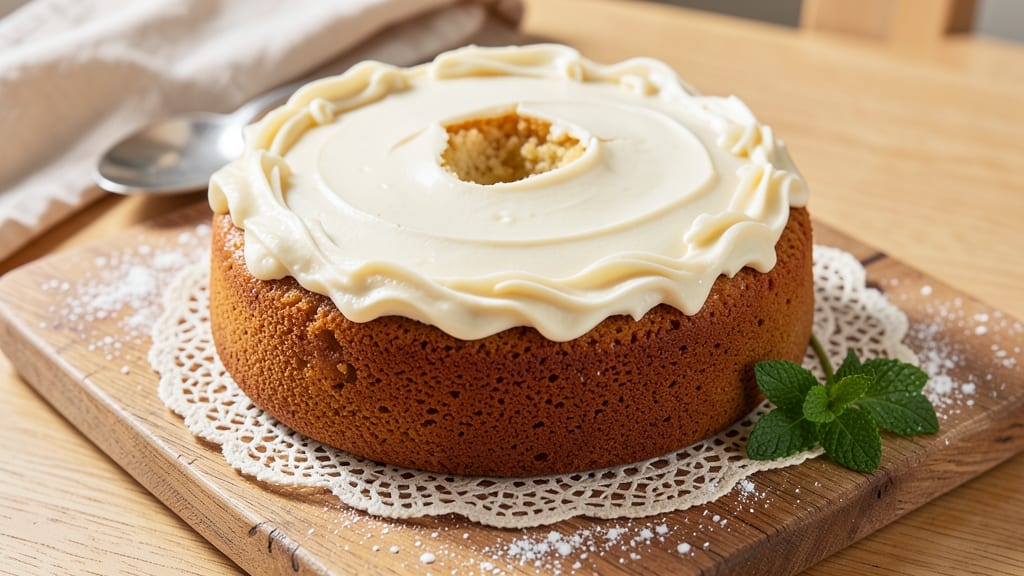
This American tea cake recipe delivers the perfect balance of buttery vanilla and warm spices—soft, tender crumb that practically melts in your mouth. 💛 I developed this version after years of testing traditional tea cakes, focusing on a foolproof method that ensures consistent, moist results every time.
The secret lies in the right ratio of butter to flour and a touch of baking powder for that signature lightness. What makes these tea cakes special is their versatility—they work as a simple afternoon treat or an elegant dessert when topped with powdered sugar or a drizzle of glaze.
The warm vanilla and subtle cinnamon notes create a comforting aroma that instantly transforms any kitchen into a cozy gathering spot. Perfect for brunch, tea time, or holidays, these cakes are easy to make in batches and just as delicious the next day.
The dough comes together in minutes with basic pantry ingredients, and baking at a precise temperature ensures a golden-brown exterior while keeping the inside tender. Whether you prefer classic raisin tea cakes or a modern twist with cardamom and citrus zest, this recipe adapts effortlessly.
The result is a cake that’s light enough to eat with tea but hearty enough to satisfy any sweet tooth. Serve warm with a pat of butter or dusted with powdered sugar for a restaurant-quality finish. Let’s bake these buttery delights!
Ingredients for american tea cake
Buttery, tender crumbs with just the right vanilla-spice balance—these tea cakes need only 11 ingredients.
| Ingredient | Amount | Notes |
|---|---|---|
| Unsalted Butter 🧈 | 1 cup | Cold, cubed for easier mixing |
| Granulated Sugar 🍚 | 1 ½ cups | White or light brown preferred |
| Large Eggs 🥚 | 2 whole | Room temperature for even mixing |
| Vanilla Extract 🌿 | 2 tsp | Pure vanilla preferred |
| All-Purpose Flour 🌾 | 3 ½ cups | Sifted for light texture |
| Baking Powder 🍞 | 1 tbsp | Diamond Crystal preferred |
| Ground Cinnamon 🌶️ | 1 ½ tsp | Freshly ground for warmth |
| Salt 🧂 | ½ tsp | Fine sea salt preferred |
| Whole Milk 🥛 | ½ cup | Full-fat for richness |
| Raisins 🍇 | 1 ½ cups | Plump, seedless preferred |
| Powdered Sugar 🍚 | 1 cup | For dusting finished cakes |
The butter makes all the difference here. European-style unsalted butter (like Plugrá or Land O'Lakes) gives the best flavor, but any good-quality butter works. For the raisins, Trader Joe's or Costco have the best-priced plump varieties—avoid the tiny, dried-out ones. The flour should be sifted before measuring to ensure a light, airy texture. I always grab a small bag of flour from the bulk section at Whole Foods for this recipe, as it's fresher than the pre-packaged kind.
No vanilla extract? Vanilla bean paste or seeds from a scraped pod work beautifully—just use half the amount. Short on raisins? Chopped dried apricots or cranberries add a nice twist. The milk can be swapped for heavy cream for extra richness, but whole milk gives a perfect balance. If you're making these for a holiday gathering, consider adding a pinch of cardamom or orange zest for a festive flavor. The baking powder is crucial—Diamond Crystal measures differently than other brands, so use exactly 1 tbsp if you have it.
Once baked, these tea cakes are best enjoyed fresh but keep well for 3 days at room temperature in an airtight container. For longer storage, freeze them for up to 3 months—just thaw at room temperature before serving. The powdered sugar topping should be added right before serving to prevent clumping. I like to portion them into small paper bags for easy transport to tea parties or brunch gatherings.
Why You'll Love This Recipe
- Butter-Soft Magic: I swear by that first creamed butter-sugar combo—it’s buttery heaven right off the bat. The eggs and vanilla just take it from good to "I’ll make this every weekend" levels of delicious.
- Five-Ingredient Simplicity: Honestly, this recipe feels like cheating. You’re basically mixing flour, sugar, butter, eggs, and a splash of vanilla—then baking. No fancy techniques, no stress, just pure, golden perfection.
- Breakfast or Snack Hero: I keep these on hand for lazy mornings (warm with jam, obviously) or as a quick afternoon treat. They’re sturdy enough to pack for work but still feel like a special indulgence.
- Budget-Friendly Baking: A box of flour and a stick of butter stretch for ages—this recipe makes a dozen, and they freeze like champs. My wallet and I both win when I pull these out instead of buying pastries.
Step-by-step instructions for buttery vanilla spice tea cakes
Here's the method for tender, moist tea cakes with perfect vanilla-spice flavor and just the right crumb.
👨🍳 Step 1: Cream Butter and Sugar for Light Texture
In a stand mixer fitted with the paddle attachment, beat the 1 cup unsalted butter (cold, cubed) and 1.5 cups granulated sugar on medium speed for 4-5 minutes. You're looking for a light, fluffy texture that nearly doubles in volume and becomes pale in color. This creaming process incorporates air, which creates that signature tender crumb in tea cakes.
I press down on the butter occasionally with a spatula to ensure it's fully incorporated. If the mixture looks too thick, let it sit for 1 minute before continuing—this helps distribute the air evenly. The butter should be completely smooth with no visible lumps by the end of this step.
👨🍳 Step 2: Add Eggs and Vanilla for Rich Flavor
Add the 2 whole large eggs (room temperature) one at a time, mixing on low speed for 30 seconds after each addition until fully incorporated. Then add the 2 teaspoons vanilla extract and mix for another 10 seconds. The mixture will look slightly curdled, but that's normal—it will smooth out when you add the dry ingredients.
Here's where the vanilla really shines. I like to use pure vanilla extract rather than imitation for that authentic vanilla flavor. The eggs add moisture and structure, while the vanilla infuses throughout the batter. Don't worry if the mixture looks a bit separated at this point—it will come together beautifully in the next step.
👨🍳 Step 3: Combine Dry Ingredients for Perfect Rise
In a separate bowl, whisk together the 3.5 cups all-purpose flour, 1 tablespoon baking powder, 1.5 teaspoons ground cinnamon, and 0.5 teaspoon salt. Sift the flour mixture directly into the wet ingredients while mixing on low speed for 30-45 seconds until just combined. You should still see a few flour streaks—overmixing develops gluten and makes the cakes tough.
The cinnamon is key here for that classic tea cake flavor. I like to use freshly ground cinnamon for maximum warmth. Add the 0.5 cup whole milk and mix just until incorporated. The batter should be soft and slightly sticky—this ensures tender, moist cakes rather than dry ones.
👨🍳 Step 4: Fold in Raisins for Sweet Surprises
Remove the bowl from the mixer and gently fold in the 1.5 cups raisins using a silicone spatula. I like to distribute them evenly throughout the batter so each bite has that sweet surprise. Don't overmix—just enough to combine everything. The raisins should be evenly distributed but still visible throughout the batter.
This is where you can adjust the texture if needed. If the batter seems too thick, you can add 1-2 teaspoons more milk to reach the perfect consistency. The batter should be soft enough to scoop easily but not runny. Cover the bowl with plastic wrap and let it rest at room temperature for 15 minutes—this allows the flour to fully hydrate and the flavors to meld.
🔥 Step 5: Bake to Golden Perfection
Preheat your oven to 350°F. Line two baking sheets with parchment paper. Using a 2-tablespoon scoop, portion the batter onto the prepared sheets, spacing the cakes 2 inches apart. They won't spread much, so you can place them fairly close together.
Bake for 12-15 minutes until the edges are golden brown and a toothpick inserted into the center comes out clean. The cakes should be slightly domed on top with a tender crumb. Here's the thing—don't overbake. They'll continue cooking on the hot pan after you remove them from the oven. Let them cool on the baking sheet for 5 minutes before transferring to a wire rack.
🍽️ Step 6: Dust with Powdered Sugar for Finishing Touch
Once the cakes have cooled completely, dust the tops with 1 cup powdered sugar using a fine-mesh sieve. This step gives them that classic tea cake presentation and adds a touch of sweetness that balances the spice. Serve warm for the best experience—these cakes are best enjoyed fresh from the oven with a cup of tea.
Each cake should be tender with a slight crumb, perfectly balanced sweetness from the sugar and raisins, and that warm cinnamon flavor throughout. The powdered sugar dusting adds a beautiful finish and makes them look as good as they taste. Store any leftovers in an airtight container at room temperature for up to 3 days.
Pro Tips For Making American Tea Cake
- CREAM THE BUTTER SLOW: Mix the butter and sugar by hand for 3–4 minutes until it’s pale and fluffy—not just combined. I used to rush this with a mixer, but the butter stays too cool, and the cake turns dense. Grab a wooden spoon and work it like you’re kneading dough.
- USE ROOM-TEMP EVERYTHING: Take eggs and butter out of the fridge 30 minutes before baking. Cold butter makes the texture grainy, and cold eggs won’t emulsify properly. Trust me, your cake will be lighter if you skip the "I’ll just throw it in" impulse.
- DON’T OVERMIX THE BATTER: Stop folding in the flour the second it’s just incorporated—no streaks, no dry bits. Overmixing develops gluten, and your tea cake will turn out tough instead of tender. Two turns of a spatula is all you need.
- BAKE UNTIL SPRINGY: Check doneness at 325°F (163°C) by pressing the center—it should bounce back slowly, not jiggle. If it’s golden but still wobbly, tent with foil for 5 more minutes. Underbaking is the #1 reason tea cakes stay gummy.
Troubleshooting great american tea cake
Dense or Gummy Cakes
If your tea cakes turn out dense or gummy, overmixing the batter is usually the culprit. Stop mixing as soon as the dry ingredients are just combined—you should still see small flour streaks. Also, ensure your butter is cold but not frozen when creaming.
I’ve found that using European-style butter (like Plugrá) creates a lighter texture than American butter. Another trick? Let the batter rest for 15 minutes before baking—this helps the flour hydrate properly. 💡
Flat or Spread-Out Cakes
Tea cakes should hold their shape, so if they spread too much, your oven might be too hot. Use an oven thermometer to verify it’s at 350°F—many home ovens run hot. Also, don’t overfill your scoop; use a 2-tablespoon measure and pack the batter gently.
If your cakes still flatten, try chilling the dough for 30 minutes before baking to help it hold its form. A lightly greased baking sheet can also prevent sticking and spreading.
Pale or Underbaked Centers
Pale centers mean your cakes need more time in the oven. Bake until a toothpick comes out clean (or with a few moist crumbs). If your oven runs hot, reduce the temperature to 325°F and bake for 18-20 minutes.
Another fix? Rotate your baking sheets halfway through baking to ensure even heat distribution. For extra insurance, tent the cakes with foil if the tops brown too quickly while the centers stay pale. 🔥
Dry or Crumbly Texture
Dry tea cakes often result from overbaking or using too much flour. Pull them out when the edges are golden but the centers still look slightly underdone—they’ll firm up as they cool. If the batter seems too thick, add 1-2 teaspoons of milk to improve moisture.
For extra tenderness, replace ½ cup of the all-purpose flour with cake flour (or add 1 tbsp cornstarch
If raisins pool at the bottom, they weren’t distributed evenly. Gently fold them in last, using a silicone spatula to create gentle swirls that keep them suspended. For extra lift, toss the raisins in 1 teaspoon flour before folding—this helps them stay dispersed. Another trick? Use slightly larger raisins (like Trader Joe’s plump raisins)—they’re less likely to sink. If you prefer a fruitier texture, try chopped dried apricots instead. Sticking happens when the batter isn’t fully cooked or the pan isn’t properly prepared. Always line baking sheets with parchment paper or use a lightly greased pan with flour. For extra insurance, chill the dough for 15 minutes before baking—this helps the cakes release cleanly. If they still stick, let them cool on the baking sheet for 5 minutes before transferring to a rack. A silicon baking mat is my go-to for foolproof releases. ✨Raisins Sinking to Bottom
Cakes Stick to Pan
Nutrition facts
Frequently asked questions
Can I make these tea cakes without raisins?
While raisins add classic sweetness, you can easily substitute them with 1.5 cups chopped dried apricots, cranberries, or even chocolate chips for a modern twist. For a fruitier version, try dried cherries or orange peel (finely chopped). Just toss the substitute in 1 teaspoon flour first to help distribute it evenly.
How do I store tea cakes for maximum freshness?
Store them in an airtight container at room temperature for up to 3 days. For longer storage, freeze them for 3 months—wrap individually in plastic wrap first. Thaw at room temperature before serving. The powdered sugar topping should be added fresh to prevent clumping. I like to portion them into small paper bags for easy transport to gatherings.
Why do some tea cakes recipes use cake flour instead of all-purpose?
Cake flour creates a lighter, more tender crumb because it has less protein than all-purpose flour. For this recipe, you can substitute ½ cup of all-purpose flour with cake flour (or add 1 tablespoon cornstarch) to improve texture. The original recipe uses all-purpose for simplicity, but the trade-off is slightly denser cakes. For a restaurant-quality texture, cake flour is worth the switch.
Can I make these tea cakes gluten-free?
Yes, but with adjustments. Replace the 3.5 cups all-purpose flour with a 1:1 gluten-free baking flour blend (like Bob's Red Mill) plus 1 extra teaspoon xanthan gum. You may also need to reduce the milk by 1-2 tablespoons since gluten-free batters absorb differently. Test with a small batch first, as results vary by brand. The texture will be slightly denser but still delicious.
What's the best way to reheat stale tea cakes?
Place them in a 350°F oven for 5-7 minutes until warmed through. For a crispier texture, wrap them in foil and microwave for 10-15 seconds. Avoid reheating with moisture (like a steamy towel) as it can make them gummy. The best solution? Make a fresh batch—they're even better the second day!