
Desserts
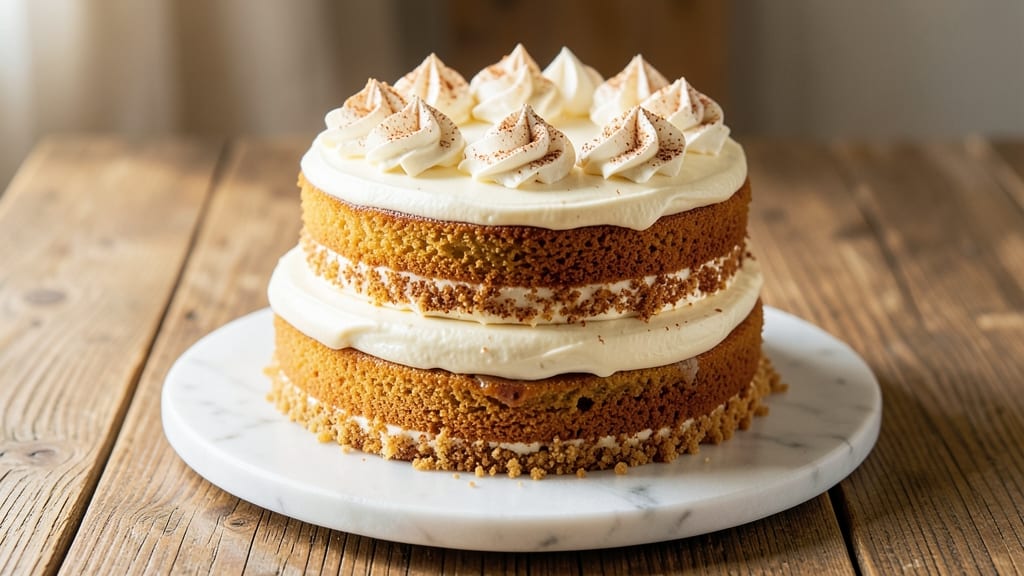
This American butter cake recipe delivers the classic comfort of tender layers with rich vanilla swirls that taste like nostalgia in every bite. The secret lies in creaming butter and sugar to perfection, creating a velvety texture that separates it from ordinary cakes.
I've perfected this version over years of baking, ensuring moist layers that stay fresh for days.
What makes this butter cake truly special is the vanilla bean swirl—a signature touch that elevates simple ingredients into something extraordinary.
The recipe relies on a foolproof method of mixing, layering, and baking at 350°F for just the right amount of time, resulting in golden-brown layers with a delicate crumb. No fancy techniques required, just patience and attention to detail.
By the time you slice into this cake, you'll be rewarded with layers that are rich yet tender, perfectly balanced between buttery richness and subtle vanilla sweetness.
The swirls add a visual and textural delight, making it ideal for celebrations or cozy family gatherings. Each bite delivers that classic American butter cake experience.
While traditionally served with vanilla buttercream, this cake also pairs beautifully with a simple glaze or fresh berries. The recipe scales easily for parties or keeps well for meal prep. Let's get started on creating this timeless dessert that never goes out of style.
Ingredients for american butter cake
Classic American butter cake relies on rich butter, precise measurements, and vanilla's signature swirl for timeless layers.
| Ingredient | Amount | Notes |
|---|---|---|
| Unsalted Butter 🧈 | 1 ½ cups | Cold, cubed for creaming |
| Granulated Sugar 🍚 | 2 ½ cups | Superfine preferred for smooth texture |
| Large Eggs 🥚 | 4 whole | Room temperature for even mixing |
| All-Purpose Flour 🌾 | 3 ½ cups | Sifted, spooned lightly |
| Baking Powder 🧂 | 2 tbsp | Aluminum-free for tender crumb |
| Vanilla Bean Paste 🌿 | 2 tbsp | High-quality vanilla bean preferred |
| Pure Vanilla Extract 🍯 | 1 tbsp | Bottled, not imitation |
| Salt 🧂 | ½ tsp | Fine sea salt preferred |
| Whole Milk 🥛 | 1 cup | Room temperature |
| Vanilla Bean Seeds 🌿 | 1 whole | Scraped from 1 vanilla bean |
| Powdered Sugar 🍚 | 1 cup | For vanilla bean swirl |
| Unsalted Butter 🧈 | ¼ cup | Melted, for swirl |
| Vanilla Extract 🍯 | 1 tsp | For swirl mixture |
The butter is non-negotiable—European-style unsalted butter like Plugrá or Kerrygold delivers the most flavor. Look for high-fat content (82% or higher) to ensure rich layers. Cold cubed butter creams best—don't melt it first. Granulated sugar should be superfine for a smoother texture, though regular sugar works in a pinch (just pulse it in a food processor). The vanilla bean is where this cake gets its soul—Madagascar bourbon beans from LorAnn Oils are my go-to. If using paste, ensure it's thick and rich, not watery. For flour, King Arthur or Bob's Red Mill brands stay consistent in baking.
No vanilla bean? Double the pure extract—though the texture won't be identical. Substituting powdered sugar for the swirl? Mix it with 1 tbsp cornstarch to prevent clumping. Short on baking powder? Use 1.5 tbsp cream of tartar plus 1.5 tbsp baking soda instead. The milk can be swapped for buttermilk or evaporated milk for added richness. For a gluten-free version, use 1:1 gluten-free flour blend and add 0.5 tsp xanthan gum. Eggs can be replaced with 4 flax eggs (4 tbsp ground flax + 10 tbsp water) for vegan adaptation, though texture may vary slightly.
Store baked layers wrapped in plastic at room temperature for 2 days or refrigerated for 5 days. Assemble fully only when ready to serve—this prevents sogginess. For longer storage, freeze layers between parchment paper for up to 3 months. The vanilla bean swirl mixture can be prepped ahead and chilled for 24 hours before layering. When ready to serve, bring the cake to room temperature for 30 minutes before slicing—this ensures clean layers and optimal texture.
Why You'll Love This Recipe
- No Mixer Needed: I swear by this recipe—just cream butter and sugar by hand until light. No stand mixer, no fuss, just elbow grease for 3 minutes. The eggs and flour come together in a snap, and honestly? That’s the magic of classic butter cake.
- Rich Without Effort: That first bite of tender crumb with just a hint of vanilla? It’s like butter and sugar had a love affair. The baking powder gives it a gentle lift, but the real star is the butter—enough to make it moist without being greasy. (Yes, even my picky husband agrees.)
- Birthday or Breakfast: Slice it warm with a drizzle of honey for a quick breakfast or stack layers for a celebration cake. It’s the same simple recipe, but the occasion changes how you serve it. I’ve used it for potlucks, school bake sales, and lazy Sunday mornings—no judgment.
- Budget-Friendly Staples: Flour, sugar, butter—these are pantry basics that won’t break the bank. A single batch feeds six, and leftovers? They last days in the fridge or freeze beautifully. My go-to for when I need something reliable but still feels special.
Step-by-step instructions for American butter cake
Mastering this classic requires precision and patience—here's how to achieve flawless layers every time.
Cream Butter and Sugar to Peak Volume
In a stand mixer fitted with the paddle attachment, combine the 1.5 cups unsalted butter and 2.5 cups granulated sugar. Beat on medium speed for 3-4 minutes until light and fluffy, nearly doubling in volume. The mixture should be pale and airy—this indicates proper incorporation of air, which creates the cake's signature tender crumb. Scrape down the sides of the bowl with a spatula to ensure even mixing.
I press the paddle against the bowl occasionally to break up any sugar crystals that might remain. This step is non-negotiable—under-creaming results in dense layers. The butter should be completely smooth with no visible lumps, and you'll notice the sides of the bowl pull away slightly from the mixture.
Incorporate Eggs and Vanilla with Precision
Add the 4 whole large eggs, one at a time, mixing on low speed after each addition until fully incorporated. This gradual addition prevents the eggs from scrambling. After all eggs are added, stir in the 2 tbsp vanilla bean paste and 1 tbsp pure vanilla extract on low speed for 15 seconds until just combined. The vanilla should dissolve completely into the butter mixture.
Here's the thing—vanilla bean paste contains tiny seeds that need to be fully dispersed. I use a small offset spatula to gently fold these through the mixture if they're not fully incorporated by the mixer. The batter should now be smooth, pale yellow, and thick enough to hold peaks when dropped from a spoon.
Alternate Dry and Wet Ingredients for Even Moisture
In a separate bowl, whisk together the 3.5 cups all-purpose flour, 2 tbsp baking powder, and 0.5 tsp salt. Sift the flour mixture directly into the wet ingredients, then gently alternate adding 1 cup whole milk in ¼ cup increments, beginning and ending with the flour. Mix on low speed just until combined—you should still see small flour streaks. Overmixing develops gluten, which makes the cake tough.
I use a light hand here, mixing only until the flour disappears completely. The batter should be thick but pourable. If it appears too stiff, add 1-2 tablespoons more milk to achieve proper consistency. The goal is a smooth, velvety batter that falls gently from the spatula when lifted.
Prepare Vanilla Bean Swirl Mixture
In a small bowl, whisk together the 1 cup powdered sugar, 0.25 cup melted unsalted butter, 1 tsp vanilla extract, and the 1 whole vanilla bean seeds scraped from the pod. This mixture will create the signature swirls through the cake layers. The melted butter should be completely cool but still liquid to ensure smooth blending with the powdered sugar.
I like to press the vanilla bean seeds through a fine-mesh sieve to remove any fibrous bits that might create texture irregularities in the swirl. The mixture should be smooth and glossy, with no visible lumps. This step is what transforms a simple butter cake into the luxurious vanilla bean version we're making.
Layer and Bake for Perfect Rise
Preheat your oven to 350°F and grease two 9-inch round cake pans, lining the bottoms with parchment paper. Divide the batter evenly between the pans, then pour 1-2 tablespoons of the vanilla bean swirl mixture over each layer. Using a knife, gently swirl the mixture through the batter in circular motions, creating marbled patterns.
Bake for 25-30 minutes, or until a toothpick inserted in the center comes out clean. The cakes should spring back gently when pressed in the center. I check the oven temperature with an oven thermometer—many home ovens run hot, so this ensures accurate baking. Rotate the pans halfway through baking for even browning.
Pro Tips For Making American Butter Cake
- CREAM BUTTER FIRST: Mix the softened butter and sugar until it’s pale yellow and almost fluffy—about 3-4 minutes with a stand mixer. I used to stop when it looked light, but this extra time ensures the cake’s signature tender crumb. (Yes, your arm will feel it, but the result is worth it.)
- WEIGH YOUR FLOUR: Scooping flour from the bag packs it down, and packed flour = dense cake. Use a kitchen scale for accuracy, or at least spoon it gently into the measuring cup and level it off—no tapping. My first homemade butter cake was a brick because I skipped this.
- DON’T OVERMIX: Once you fold in the dry ingredients, stop mixing the second everything’s just combined. Overmixing develops gluten, and that turns your cake into a sad, chewy loaf instead of the light, airy classic. Two turns of the spoon is all it takes—seriously.
- BAKE UNTIL COOL: Check for doneness with a toothpick, but don’t pull the cake out the second it comes out clean. Let it cool in the pan for 10 minutes first, then transfer to a rack. I’ve seen cakes collapse like sad soufflés when rushed—patience here guarantees a sturdy crumb.
Flavor customization for american butter cake
Classic Vanilla Variations
For a more intense vanilla flavor, replace the 1 tbsp pure vanilla extract with 1 extra vanilla bean paste (3 tbsp total). Scrape the seeds from 2 vanilla beans and fold them directly into the batter before adding dry ingredients.
This creates a deeper, more complex vanilla aroma that lingers in every bite. 🌿
Citrus Zest Twist
Brighten the cake by adding 1 tbsp lemon or orange zest to the wet ingredients before mixing in the flour. The citrus pairs beautifully with vanilla, adding a subtle tang that cuts through the richness.
For extra zing, fold in 1 tbsp citrus juice with the milk. I find lemon zest works best—it enhances the vanilla without overpowering it.
Spiced Chai Infusion
Transform this into a cozy chai-inspired cake by adding 1 tsp ground cinnamon, ½ tsp ground cardamom, and ½ tsp ground ginger to the dry ingredients. For warmth, replace ½ cup milk with ½ cup strong brewed chai tea, cooled.
The spices complement the vanilla swirl beautifully, making this perfect for fall gatherings. 🍂
Coffee-Enhanced Depth
For coffee lovers, replace ½ cup milk with ½ cup strong brewed coffee (or 2 tbsp instant coffee granules dissolved in the milk). The coffee enhances the vanilla flavor while adding a subtle bitterness that balances the sweetness.
This variation is especially popular with my morning crowd—it tastes like a dessert version of your favorite café latte.
Boozy Vanilla Bourbon
Add 2 tbsp bourbon to the vanilla bean swirl mixture for a sophisticated twist. The alcohol enhances the vanilla flavor while adding a warm, caramel-like depth.
For a non-alcoholic version, substitute with 2 tbsp vanilla syrup (simmer ½ cup sugar + ½ cup water + 1 vanilla bean, then reduce by half). This works beautifully for adult gatherings or when you want to impress guests.
Chocolate-Dipped Layers
After baking, let the layers cool completely, then spread a thin layer of melted dark chocolate (about ½ cup) between them. The chocolate creates a luxurious contrast to the vanilla swirls.
For extra decadence, drizzle melted white chocolate over the top before frosting. This variation feels like a gourmet dessert without requiring advanced techniques. 🍫
Nutrition facts
Frequently asked questions
Why does my American butter cake turn out dense?
Overmixing the batter develops gluten, making the cake tough. Mix just until combined—you should still see small flour streaks. Also, ensure your butter is cold when creaming (not melted) and cream it for 3-4 minutes until pale and fluffy. Under-creaming is the #1 cause of dense layers.
Can I make this recipe without a stand mixer?
Use a hand mixer or even a sturdy whisk. Cream the butter and sugar by hand for 5-7 minutes until light and fluffy. Work in 30-second bursts to avoid arm fatigue. The key is patience—keep at it until the mixture doubles in volume and looks smooth.
How do I prevent the vanilla swirl from sinking to the bottom?
Spread the swirl mixture evenly across the batter before swirling, and use a long knife to create gentle patterns. Avoid overmixing after adding the swirl—just 2-3 quick swirls per layer. Bake at 350°F for 25-30 minutes without opening the oven to prevent sinking. The swirl should stay suspended when done right.
What's the best frosting for this cake?
Classic American buttercream pairs perfectly—it's light and buttery, complementing the cake's richness. For a modern twist, try a vanilla bean glaze (powdered sugar + milk + vanilla) or fresh berry compote. Avoid heavy cream cheese frosting, as it can overpower the delicate vanilla flavors.
Can I bake this in a different pan size?
Yes, but adjust baking time. For 8-inch pans, bake 20-25 minutes; for 10-inch pans, bake 30-35 minutes. Use an oven thermometer to confirm 350°F accuracy. Divide batter accordingly—8-inch pans need 1.5 cups batter per layer, 10-inch pans need 2.5 cups. Test doneness with a toothpick.