
Desserts
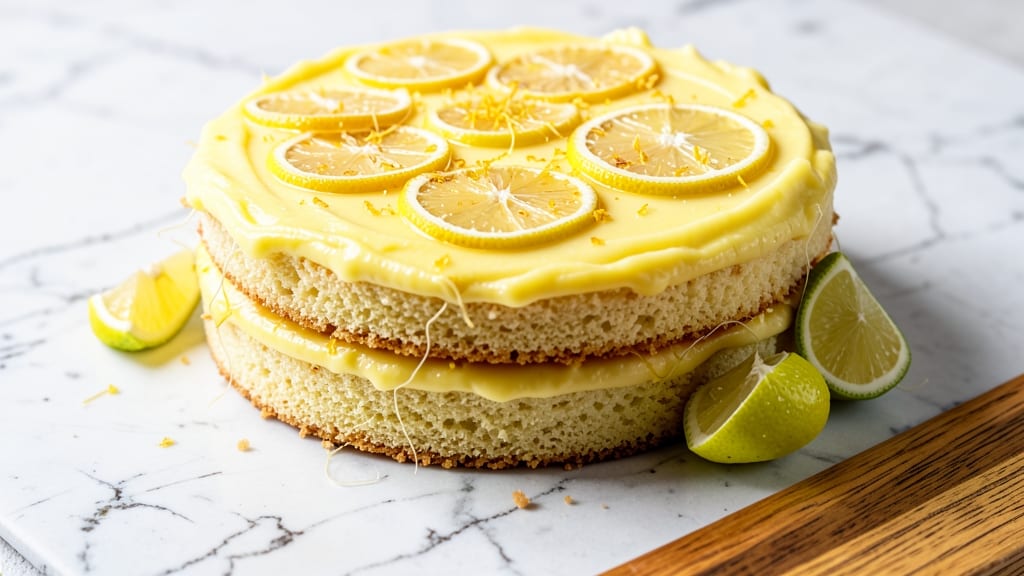
This amazing lemon cake recipe delivers the perfect balance of bright citrus and buttery vanilla swirls—so moist and tender it disappears in seconds. 💛 I've been perfecting this recipe for years, and the secret lies in the zesty lemon curd filling that cuts through the rich vanilla cake layers.
The result is a dessert that's light yet indulgent, with just the right amount of tang to keep your taste buds dancing.
The magic happens with a few simple techniques: folding the lemon zest and juice into the batter for maximum flavor, and swirling in a rich vanilla buttercream that keeps the cake layers luscious.
This isn't your basic lemon cake—it's a showstopper that's easy to make but feels like a bakery masterpiece. The crust stays perfectly tender, and the lemon curd filling adds a burst of sunshine with every bite.
What makes this recipe truly special is how well it balances the flavors—no one flavor overpowers the other. The vanilla swirls add a creamy contrast to the zesty lemon, while the cake itself stays moist without being dense.
It's the kind of dessert that's perfect for birthdays, brunch, or just because you deserve something sweet. The best part? It's foolproof, so even if you're not a baker, you'll get amazing results.
Once you try this recipe, you'll never go back to store-bought lemon cake again. The aroma alone will have everyone gathering around, and the first bite will have them asking for seconds. Let's get baking!
Ingredients for amazing lemon cake
Bright citrus and buttery swirls—just eight simple ingredients transform into bakery-worthy lemon cake magic.
| Ingredient | Amount | Notes |
|---|---|---|
| All-Purpose Flour 🌾 | 2 ½ cups | Sifted for light texture |
| Granulated Sugar 🍚 | 2 cups | White sugar preferred |
| Unsalted Butter 🧈 | 1 ½ cups | Room temperature, full-fat |
| Large Eggs 🥚 | 4 whole | Room temperature, fresh |
| Fresh Lemon Zest 🍋 | 2 tbsp | Bright yellow lemons only |
| Fresh Lemon Juice 🍋 | ¾ cup | From 4-6 fresh lemons |
| Baking Powder 🧂 | 2 tsp | Aluminum-free preferred |
| Salt 🧂 | ½ tsp | Fine sea salt |
| Pure Vanilla Extract 🌸 | 2 tsp | High-quality, not imitation |
| Heavy Whipping Cream 🥛 | 1 ½ cups | Full-fat for best whipping |
| Powdered Sugar 🍚 | 3 cups | For buttercream |
| Lemon Curd Ingredients 🍋 | 1 cup | For filling (see recipe) |
| Lemon Curd Ingredients - Egg Yolks 🥚 | 4 whole | Separated from whites |
| Lemon Curd Ingredients - Granulated Sugar 🍚 | 1 cup | For sweetness balance |
| Lemon Curd Ingredients - Unsalted Butter 🧈 | ½ cup | Room temperature |
| Lemon Curd Ingredients - Fresh Lemon Juice 🍋 | ½ cup | From 2-3 fresh lemons |
The lemons are non-negotiable here. Use Meyer lemons if you can find them—they're sweeter with less tartness, and the zest is more fragrant. Whole Foods or local farmers markets usually carry them in season. If you're stuck with regular lemons, roll them under your palm first to soften the skin before zesting. That bright yellow zest is where the magic happens—don't skip it! The butter should be room temperature but not melted—press a finger in, and it should leave a slight indent. I always buy the Land O'Lakes unsalted from the store brand section—it's reliable and affordable.
No Meyer lemons? Double the regular lemon zest and add 1 tsp of honey to the lemon curd to balance the tartness. The baking powder is crucial—Diamond Crystal is my go-to because it's double-acting, but check the label to make sure. For the lemon curd, if you're short on yolks, use 2 whole eggs instead—just be ready for a slightly richer filling. The vanilla extract matters too—look for pure vanilla bean extract in the baking aisle, not the imitation stuff. And if you're making this ahead, prep the lemon curd first—it needs to chill before assembling the cake.
The cake layers keep beautifully wrapped in plastic for 3 days at room temperature, but honestly, they're best the day you bake them. The lemon curd filling will firm up in the fridge—let it sit at room temp for 10 minutes before spreading between layers. For a showstopper presentation, dust the top with powdered sugar and add fresh berries or lemon slices. The buttercream? Make it a day ahead—it actually tastes better after the flavors meld. Store leftovers in the fridge for up to 5 days, though I doubt you'll have any.
Why You'll Love This Recipe
- No Mixer Needed: I swear by this recipe when I’m in a hurry—just cream the butter and sugar by hand (it’s more satisfying than you’d think), then fold in the eggs and flour. The lemon zest does all the brightening work, so no extra steps for juice or complicated syrups.
- Zesty Magic: That first bite of tender crumb with citrus popping on your tongue? It’s the fresh zest (not dried) cutting through the richness of the butter. Honestly, the sugar and eggs make it moist, but the zest turns it from good to oh my god.
- Weeknight Hero: Slice it warm for breakfast, pack it for lunch, or serve it at 3 PM when the kids are starving. It’s my go-to for birthdays, potlucks, or just because—no one ever says no, and it’s always a hit. (Yes, even on a Tuesday night.)
- Budget Bright Spot: Uses pantry staples you already own, plus a lemon from your grocery bag. The butter and sugar stretch far, and leftovers stay fresh for days (if they last that long). Between us, this is the cake that doesn’t break the bank.
Step-by-step instructions for bright citrus layers with buttery vanilla swirls
Here's how to create a showstopping lemon cake with perfect layers and creamy swirls!
👨🍳 Step 1: Prepare the Lemon Cake Batter
Preheat your oven to 350°F and grease two 9-inch round cake pans, lining the bottoms with parchment paper. In a large bowl, whisk together the 2.5 cups all-purpose flour, 2 tsp baking powder, and 0.5 tsp salt. Sift the mixture to remove any lumps and set aside.
In a separate large bowl, cream together the 1.5 cups unsalted butter and 2 cups granulated sugar on medium speed until light and fluffy—about 3-4 minutes. Add the 4 whole large eggs one at a time, mixing well after each addition. Stir in the 2 tbsp fresh lemon zest, 0.75 cup fresh lemon juice, and 2 tsp pure vanilla extract until fully combined.
Gradually add the dry ingredients to the wet mixture, mixing on low speed just until combined. The batter should be smooth and thick, but don't overmix—just until no dry spots remain. This is where the magic happens: the citrusy brightness meets the buttery richness for that perfect balance.
🍳 Step 2: Bake the Layers and Prepare the Lemon Curd
Divide the batter evenly between the prepared cake pans. Bake for 25-30 minutes or until a toothpick inserted into the center comes out clean. Let the cakes cool in the pans for 10 minutes before transferring them to a wire rack to cool completely. This cooling step is crucial—it prevents the layers from getting soggy when you assemble the cake.
While the cakes bake, prepare the lemon curd by melting the 0.5 cup unsalted butter in a saucepan over medium heat. Remove from heat and whisk in the 4 whole egg yolks, 1 cup granulated sugar, and 0.5 cup fresh lemon juice. Return the pan to low heat and cook, stirring constantly, until the mixture thickens enough to coat the back of a spoon—about 5-7 minutes. Strain the curd through a fine-mesh sieve into a bowl and let it cool to room temperature. This silky filling will tie the whole cake together!
🥘 Step 3: Make the Vanilla Buttercream and Assemble
In a large bowl, beat the 1.5 cups heavy whipping cream with an electric mixer until soft peaks form. Gradually add the 3 cups powdered sugar, mixing on low speed until combined. Increase the speed to medium-high and beat until the buttercream is light, fluffy, and holds stiff peaks—about 3-4 minutes. This is where you'll get that gorgeous, airy texture that makes every bite feel special.
Once the cakes and lemon curd are completely cool, level the tops if needed. Place one cake layer on a serving plate and spread a generous layer of the cooled lemon curd over the top. Add the second cake layer and press gently to create a smooth surface. Now for the fun part—spread half of the vanilla buttercream over the top of the cake, then use an offset spatula to create swirls and peaks. Top with the remaining buttercream and smooth the surface with your spatula for a professional finish.
⏰ Step 4: Chill and Decorate for Maximum Impact
Refrigerate the cake for at least 1 hour to allow the layers to set and the flavors to meld together. This chilling step is non-negotiable—it ensures clean slices and prevents the buttercream from melting. Once chilled, you can decorate the cake with fresh lemon slices, a dusting of powdered sugar, or even a few edible flowers for that extra wow factor.
Slice and serve immediately for the best texture—each bite should deliver that perfect balance of tender lemon cake, tangy lemon curd, and rich vanilla buttercream. Trust me, this cake will disappear faster than you can say "lemon meringue pie"!
Pro Tips For Making Amazing Lemon Cake
- Whisk Eggs Until Ribbon Stage: Stop when the egg mixture stretches into a slow-moving ribbon—about 30 seconds past when you think it’s done. Over-whisking adds air but can also make the cake dense, and under-whisked eggs won’t give that light, tender crumb you’re after. (Yes, I’ve made both mistakes.)
- Sift That Flour Twice: Don’t skip the second sift—especially if your flour’s been sitting in the pantry. The first sift removes lumps, but the second ensures even distribution of the lemon zest and prevents a gritty texture. I learned this the hard way when my cake tasted like sandpaper.
- Don’t Overmix the Batter: Fold in the dry ingredients just until combined—no more. Overmixing develops gluten, which turns your cake into a chewy brick instead of a tender, moist slice. Think "marry, don’t murder" the batter.
- Use Room-Temp Butter: Cut the butter into the sugar when it’s soft but not greasy—about 60°F. Cold butter creates pockets that don’t emulsify, while melted butter can make the cake greasy. My grandmother’s trick: Take it out 30 minutes before mixing, then microwave for 10 seconds if it’s stubborn. (It works.)
Regional styles of this dish
Southern U.S. Twist
In the South, lemon cake often gets a bourbon-infused upgrade—swap 1 tbsp of the vanilla extract with 1 tbsp bourbon (like Maker's Mark) for a warm, caramel note that pairs beautifully with the citrus. Add ½ tsp ground nutmeg to the dry ingredients for a spiced depth.
Southern bakers also love finishing the cake with a whiskey glaze—mix ½ cup powdered sugar with 2 tbsp bourbon and 1 tsp lemon juice, then drizzle over the chilled cake. 🥃
British Lemon Drizzle
British versions of lemon cake often feature a sugar syrup drizzle for extra moisture. After baking, poke holes in the warm cake layers with a skewer and pour ½ cup simple syrup (equal parts sugar and water, heated until dissolved) over them.
Let it soak in completely before assembling. Top with a buttercream swirl and finish with candied lemon peel—thin strips of lemon zest cooked in sugar until translucent. This technique keeps the cake ultra-moist and adds a professional touch. 🍋
French Lemon Meringue
For a French-inspired take, replace the vanilla buttercream with a lemon meringue topping. Whip 4 egg whites to stiff peaks, then gently fold in 1 cup powdered sugar until glossy. Spread over the cake and bake at 375°F for 5-7 minutes until golden.
This creates a crisp, toasted meringue shell that contrasts perfectly with the tender cake layers. Serve with a raspberry coulis on the side for a classic French bistro vibe. 🍰
Swedish Cardamom Lemon
Scandinavian bakers often add cardamom to lemon desserts for a warm, floral note. Mix 1 tsp ground cardamom into the dry ingredients alongside the flour and baking powder. The cardamom enhances the lemon's brightness while adding a subtle complexity.
Serve with lingonberry jam on the side or sprinkle crushed Swedish cardamom pods on top for an aromatic finish. This variation is especially popular during Swedish Midsummer celebrations. 🌸
Italian Lemon Ricotta
In Italy, lemon cake often incorporates ricotta cheese for a lighter texture. Fold ½ cup ricotta into the cake batter after mixing the wet and dry ingredients.
For the filling, replace the lemon curd with a ricotta-lemon cream—whisk 1 cup ricotta, ¼ cup powdered sugar, and 1 tbsp lemon zest until smooth. This version is lighter, airier, and pairs beautifully with espresso for a coffee-and-lemon dessert experience. ☕
Australian Lemon Curd Cake
Down Under, lemon curd cake is a staple, and Aussies take it seriously! They often bake the cake in a springform pan for easier slicing and add a ginger snap crumble to the base.
Mix ½ cup crushed ginger snaps with 2 tbsp melted butter and press into the pan before adding the batter. Top with extra lemon curd and a white chocolate ganache drizzle for a decadent twist. This version is perfect for Aussie barbecues** or summer gatherings. 🌞
Nutrition facts
Frequently asked questions
Can I use bottled lemon juice instead of fresh?
Fresh lemon juice is ideal for that bright, vibrant flavor, but you can substitute bottled if needed. Use 1.5 cups bottled lemon juice (about twice the amount called for) and add 1 tbsp honey to balance the tartness. The zest is still critical—always use fresh for maximum aroma and flavor.
Why did my cake turn out dense instead of light and tender?
Overmixing the batter is the most common culprit. Mix just until combined—stop as soon as you see no dry flour spots. Also, make sure your butter is room temperature but not melted and your eggs are room temperature. Overbaking can dry out the cake too, so check for doneness with a toothpick at 25 minutes.
How do I store leftovers without drying out the cake?
Wrap each layer tightly in plastic wrap, then place in an airtight container with a slice of bread to absorb moisture. Store at room temperature for 2 days or refrigerate for up to 5 days. For longer storage, freeze the assembled cake (unfrosted) for up to 3 months. Thaw overnight in the fridge before serving.
Can I make this cake gluten-free?
Yes! Replace the all-purpose flour with a 1:1 gluten-free baking flour blend (like Bob's Red Mill) and add ½ tsp xanthan gum to improve texture. You may need to reduce the lemon juice slightly (½ cup) since gluten-free batters can be drier. Test with a small batch first to adjust consistency.
What's the secret to perfect lemon curd?
The key is low-and-slow cooking—heat on medium-low while stirring constantly to prevent scrambling the eggs. Remove from heat just when it coats the back of a spoon (about 5-7 minutes). Straining through a fine-mesh sieve removes any cooked egg bits for that silky texture. Let it cool completely before assembling.