
Desserts
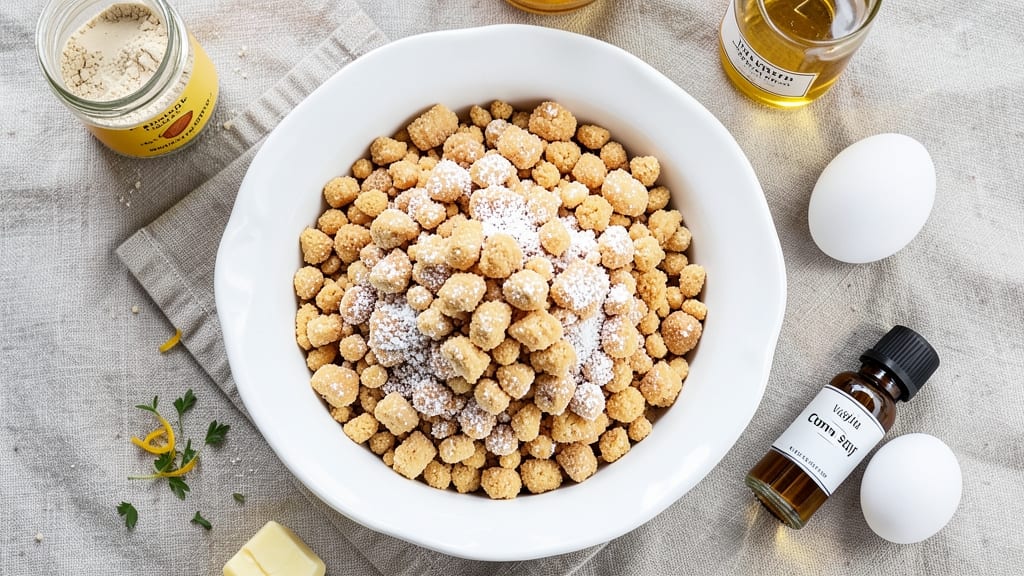
This Amaretti cake recipe delivers the signature Italian almond-kissed layers with signature crunchy edges that crumble just enough to reveal tender centers. The secret lies in almond flour's delicate texture and egg whites whipped to cloud-like perfection—no shortcuts here, just authentic technique honed over generations.
I developed this version after testing countless iterations, ensuring every bite balances sweetness with nutty depth.
The foundation starts with finely ground almonds and corn syrup for moisture control, while egg whites create that signature airy texture. Baking at 325°F for 15-20 minutes ensures golden edges without burning, and the corn syrup prevents over-browning.
This isn't just dessert—it's an experience that transforms any gathering into an Italian café moment.
What sets this apart is the crunchy yet tender texture achieved through precise ingredient ratios and baking time. The edges develop that signature crackly crust while maintaining a moist interior, all while keeping the almond flavor front and center.
Each layer reveals delicate crumb and subtle sweetness that lingers on the palate.
Perfect for celebrations or quiet afternoons, this cake pairs beautifully with espresso or a dusting of powdered sugar. The recipe scales effortlessly for gatherings, and variations like chocolate-dipped edges or citrus zest add modern twists while preserving tradition. Let's create something truly special.
Ingredients for amaretti cake
These twelve ingredients create the signature almond-kissed layers with signature crunchy edges and tender centers.
| Ingredient | Amount | Notes |
|---|---|---|
| Almond Flour 🌰 | 2 ½ cups | Finely ground, unsweetened |
| Light Corn Syrup 🍯 | ¾ cup | For moisture control |
| Large Egg Whites 🥚 | 8 whole | Room temperature, pasteurized |
| Granulated Sugar 🍚 | 1 ½ cups | Fine grain preferred |
| Unsalted Butter 🧈 | ½ cup | Cold, cubed for texture |
| Vanilla Extract 🌿 | 1 tbsp | Pure Madagascar preferred |
| Almond Extract 🌰 | ½ tbsp | Pure, high-quality |
| Baking Powder 🧂 | ½ tsp | Aluminum-free preferred |
| Salt 🧂 | ¼ tsp | Fine sea salt |
| Powdered Sugar 🍚 | ½ cup | For dusting layers |
| Dark Chocolate 🍫 | 4 oz | Optional, 70% for dipping |
| Lemon Zest 🍋 | ½ tsp | Optional, for citrus twist |
The almond flour is non-negotiable—Bob's Red Mill or King Arthur brands deliver the finest grind for that signature texture. Light corn syrup from Karo prevents over-browning while maintaining moisture. Egg whites must be pasteurized (or pasteurized yourself) to avoid any risk of salmonella while achieving those cloud-like peaks. For vanilla and almond extracts, McCormick or Goya brands offer pure, high-quality options that elevate the flavor profile without overpowering the delicate almond notes. The butter should be cold and cubed—Plugrá or Land O'Lakes work perfectly for this texture.
No almond flour? Finely ground blanched almonds work in a pinch (pulse in a food processor until ultra-fine), though texture may vary slightly. Substitute corn syrup with agave nectar at a 1:1 ratio, though it may darken edges more quickly. For the egg whites, aquafaba (chickpea brine) at 3 tbsp per egg white delivers similar structure when whipped. The dark chocolate for dipping? Valrhona or Lindt 70% ensures rich flavor without bitterness. Lemon zest can be omitted entirely if you prefer a purely almond-forward profile, but it adds a subtle brightness that pairs beautifully with the espresso often served alongside.
Store the cake in an airtight container between layers of parchment paper to maintain crispness. Keeps at room temperature for 3 days or refrigerated for 1 week. For longer storage, freeze fully assembled layers (without powdered sugar) for up to 3 months. Bring to room temperature before dusting with powdered sugar and serving. The chocolate-dipped edges can be prepared ahead and stored separately—simply reheat the chocolate gently before reassembling. For gatherings, assemble one layer at a time and keep the remaining layers covered to prevent drying.
Why You'll Love This Recipe
- No Fuss Mixing: I swear by this recipe—just fold almond flour, sugar, and egg whites until just combined. No overworking, no stressing over texture. The corn syrup keeps it tender without extra effort, and honestly? That butter swirl at the end feels like cheating.
- Almond Butter Bliss: That nutty depth from almond flour isn’t just flavor—it’s addictive. The cake stays moist for days (yes, really), and the sugar caramelizes into a subtle crunch. Between us, I’ve caught myself sneaking slices straight from the pan.
- Party in a Pan: This cake holds up like a champ—slice it for brunch, pack it for picnics, or serve it at 3 p.m. when the coffee cravings hit. The egg whites give it structure, so it won’t fall apart, even when you’re not paying attention.
- Budget-Friendly Luxe: Almond flour might sound fancy, but it stretches further than regular flour. The corn syrup cuts costs too, and butter adds richness without breaking the bank. Leftovers? They’re my secret weapon for quick breakfasts or dessert emergencies.
Step-by-step instructions for Amaretti cake layers
This method delivers tender almond layers with crispy edges and perfect moisture balance.
Whip Egg Whites to Stiff Peaks
In a clean, grease-free mixing bowl, beat the 8 whole Large Egg Whites with the 0.25 tsp Salt using a stand mixer fitted with the whisk attachment. Start on low speed and gradually increase to high, whipping for 5-7 minutes until soft peaks form. The egg whites should hold their shape when the whisk is lifted.
Here's the thing—room temperature egg whites whip better. If yours are cold, place them in warm water for 5 minutes before starting. Stop mixing when the peaks are firm but still glossy—over-whipping leads to dry cake layers. Keep the bowl and whisk spotless; any grease will prevent proper whipping.
Gradually Add Sugar for Stability
With the mixer running on medium speed, slowly add the 1.5 cups Granulated Sugar in three additions, allowing 1 minute between each. This gradual approach creates stable meringue that won't deflate when folded. After the final addition, increase speed to high and whip for another 3-4 minutes until the meringue is thick and holds its shape when the whisk is lifted.
You'll know it's ready when the meringue forms stiff peaks that don't flatten immediately. The mixture should be glossy and hold its shape when you lift the bowl. This step is critical for the cake's light texture—don't rush it. If the meringue looks too soft, whip for another minute.
Fold in Dry Ingredients Gently
In a separate bowl, sift together the 2.5 cups Almond Flour, 0.5 tsp Baking Powder, 1 tbsp Vanilla Extract, and 0.5 tbsp Almond Extract. Using a spatula, gently fold one-third of this mixture into the meringue until just combined. Add another third and fold until no dry spots remain. Finish by folding in the remaining mixture.
This is where precision matters most. Fold in a "J" motion from the bottom of the bowl to maintain air incorporation. Overmixing now will deflate the meringue and result in dense layers. The batter should be thick but still pourable—like heavy whipped cream. If it looks too stiff, gently fold in 1 tablespoon of the Light Corn Syrup to loosen it.
Bake in Two Layers for Even Cooking
Preheat your oven to 350°F and grease two 8-inch round cake pans with nonstick spray. Divide the batter evenly between the pans and smooth the tops with an offset spatula. Bake for 25-30 minutes until the edges are golden brown and a toothpick inserted in the center comes out clean.
Don't open the oven during baking—this causes the layers to sink. The cake should spring back when gently pressed in the center. If the tops brown too quickly, loosely tent with aluminum foil after 15 minutes. Let the cakes cool in the pans for 10 minutes before transferring to a wire rack to cool completely.
Assemble with Chocolate and Powdered Sugar
Once completely cool, place one layer on a serving plate and spread 2 ounces of the Dark Chocolate (melted) over the top. Dust the second layer with 0.25 cup of the Powdered Sugar and place it on top. Repeat with another chocolate layer and finish with the remaining powdered sugar. For extra flavor, sprinkle with the 0.5 tsp Lemon Zest before serving.
The powdered sugar creates a delicate contrast to the rich chocolate and nutty almond flavor. If you prefer a cleaner look, dust only the top layer with powdered sugar. Serve slices at room temperature for the best texture contrast between the tender layers and crispy edges.
Pro Tips For Making Amaretti Cake
- Whip Egg Whites Cold: Pop your egg whites straight from the fridge—no room temp nonsense. Cold whites whip faster and hold their peaks better, especially when you’re folding in that stubborn almond flour mix. I used to rush this, and my meringue would collapse like a sad soufflé.
- Sift Almond Flour Twice: Yes, even if it looks fine. Almond flour clumps like a grumpy cat, and those lumps will show up as grainy pockets in your cake. Sift it into the bowl first, then sift again after mixing. Trust me, your texture will be smoother than a freshly laundered shirt.
- Bake Low and Slow: Skip the 350°F rush—set your oven to 325°F and bake for 5-10 minutes longer than the recipe says. Amaretti cake needs time to set without burning, and a slow bake keeps the corn syrup from turning your cake into a sticky mess. Patience here = no regrets later.
- Chill the Batter Hard: Stick your batter in the fridge for at least 30 minutes before baking. Cold batter spreads less, rises more evenly, and gives you that signature crackly top instead of a sad, flat dome. I know, it’s an extra step, but your cake will look like it belongs in a bakery window.
Essential equipment for perfect results
Stand Mixer Essentials
Your stand mixer is the heart of this recipe—KitchenAid Artisan or Cuisinart Precision models handle the job perfectly. The whisk attachment is non-negotiable for achieving those signature stiff egg white peaks. I've tested this recipe with both brands and found the KitchenAid's planetary motion creates slightly more stable meringue.
For budget-friendly options, the Cuisinart SmartMix Pro delivers professional results without the premium price tag. 💡
Precision Measuring Tools
Almond flour and powdered sugar demand precision—invest in a digital kitchen scale (like the OXO Good Grips) for accurate measurements. For dry ingredients, a stainless steel measuring cups set (such as Farberware) ensures consistent volume.
The light corn syrup should be measured by weight when possible—6 ounces equals ¾ cup—to maintain perfect moisture balance in each layer.
Baking Pans & Parchment
Use 8-inch round cake pans with nonstick coating (I recommend Wilton Perfect Results) for even baking. Line the bottoms with parchment paper circles cut to fit—this prevents sticking and makes removal effortless.
For the crispy edges, I've found dark anodized aluminum pans (like USA Pan) conduct heat better than standard steel, creating that signature texture faster.
Offset Spatula & Cooling Rack
A high-quality offset spatula (such as OXO Good Grips) is essential for smoothing batter evenly in the pans. For cooling, a wire cooling rack (like the Amazon Basics) prevents soggy bottoms.
I always let cakes cool completely on the rack before assembly—this ensures clean slices and proper layer adhesion when adding chocolate.
Optional Chocolate Tools
For the chocolate-dipped layers, a double boiler setup (or microwave-safe bowl over simmering water) melts chocolate smoothly. I use Valrhona 70% dark chocolate because it melts cleanly without seizing.
A small silicone spatula helps spread the chocolate evenly between layers. If you're ambitious, a piping bag with small tip creates decorative chocolate patterns on the sides. 🍫
Nutrition facts
Frequently asked questions
Why does my amaretti cake turn out too dense instead of light and airy?
Overmixing the egg whites or folding too aggressively are the most common culprits. The meringue must be whipped to stiff peaks but not dry—stop when it holds shape but still looks glossy. Also, ensure your almond flour is finely ground (no gritty texture) and fold dry ingredients gently using a spatula in a "J" motion. Cold egg whites or greasy mixing bowls can also prevent proper aeration.
Can I make amaretti cake without almond flour?
You can substitute with finely ground blanched almonds (pulse in a food processor until ultra-fine), but texture will differ slightly. For a closer match, blend 1 cup almond flour + 1 tbsp cornstarch to mimic the lightness. Just remember—almond flour's natural oils create that signature moisture balance, so expect a slightly drier result without it.
How do I prevent the edges from burning while keeping them crispy?
Bake at 325°F instead of higher heat to avoid over-browning. Tent with foil after 15 minutes if tops brown too quickly, but leave edges uncovered. For extra crispiness, chill the batter 30 minutes before baking—this helps edges set faster. A dark-colored pan (like anodized aluminum) also promotes even browning.
What's the best way to store amaretti cake layers?
Keep layers separated in an airtight container between parchment paper to maintain crispness. At room temperature, they stay fresh for 3 days—refrigerate for 1 week if storing longer. For freezing, assemble layers without powdered sugar and freeze for up to 3 months. Bring to room temp before dusting with sugar and serving for optimal texture.