
Desserts
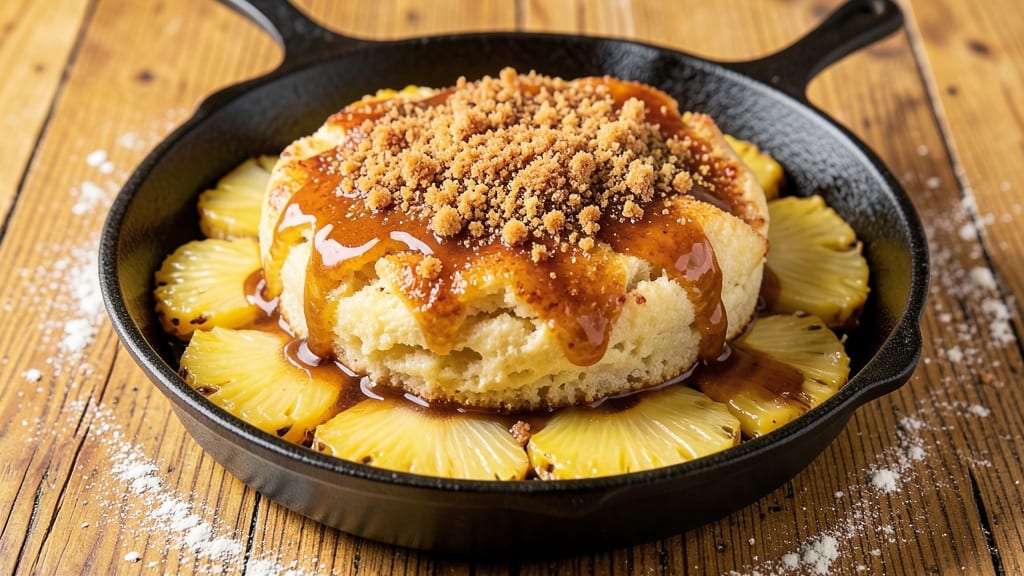
Alton Brown's pineapple upside down cake delivers that perfectly caramelized pineapple and buttery streusel that makes every slice unforgettable. This classic dessert relies on a simple yet foolproof technique: layering fruit in a hot pan to create natural caramelization before adding the cake batter.
The result is a tender, golden cake with juicy, sweet pineapple rings that stay perfectly moist.
The magic happens in the prep—browning the pineapple slices in butter and sugar before baking ensures deep, rich flavor in every bite. This recipe balances tradition with home-baker-friendly steps, so you get restaurant-quality results without the fuss.
The streusel topping adds a delightful crunch that contrasts beautifully with the soft cake and juicy fruit.
What you'll end up with is a showstopping dessert that's as impressive to serve as it is delicious to eat. The caramelized pineapple rings peek through the golden cake, offering a visual and flavorful treat in every slice.
Perfect for holidays, dinner parties, or a special weekend treat, this cake is a crowd-pleaser that never disappoints.
With just a few simple ingredients and a little patience, you'll master this timeless classic. The baking process is straightforward, and the payoff is a dessert that tastes like a warm hug—sweet, buttery, and utterly comforting. Let's get baking!
Ingredients for alton brown pineapple upside down cake
Juicy pineapple rings, tender cake, and buttery streusel—this is the perfect balance of sweet and caramelized magic.
| Ingredient | Amount | Notes |
|---|---|---|
| Fresh Pineapple 🍍 | 1 whole | Freshly sliced into rings, 1-inch thick |
| Unsalted Butter 🧈 | ½ cup | Cold, cut into 1-inch cubes |
| Granulated Sugar 🍚 | 1 cup | For caramelizing pineapple |
| All-Purpose Flour 🌾 | 2 cups | Sifted, plus extra for pan |
| Granulated Sugar (Cake) 🍚 | 1 ½ cups | For cake batter |
| Baking Powder 🍞 | 2 tsp | Aluminum-free preferred |
| Salt 🧂 | ½ tsp | Fine sea salt |
| Large Eggs 🥚 | 2 whole | Room temperature |
| Unsweetened Almond Milk 🥛 | ½ cup | Or any dairy milk |
| Pure Vanilla Extract 🌿 | 1 tbsp | High-quality preferred |
| Light Brown Sugar 🍚 | ½ cup | Packed, for streusel |
| Old-Fashioned Rolled Oats 🥣 | ½ cup | Blended into flour |
| Cold Unsalted Butter 🧈 | ½ cup | Cubed, for streusel |
| Ground Cinnamon 🍃 | 1 tsp | Freshly ground preferred |
The pineapple is non-negotiable here—Dole or Fresh Pineapple Company at the grocery store give you the sweetest, juiciest fruit. Look for pineapples that are heavy for their size, with vibrant green leaves still attached. The sugar matters too—Domino or C&H granulated sugar works perfectly for caramelizing. For the butter, Plugrá or Land O'Lakes unsalted sticks are my go-tos—they hold their shape when cold for that perfect streusel texture. If you're feeling fancy, grab a 12-inch cast-iron skillet for even browning, but a standard oven-safe pan works just fine.
No fresh pineapple? Canned pineapple rings in juice (drained) will work in a pinch—just pat them dry first. Running low on almond milk? Oat milk or whole milk keeps the cake tender. The oats for the streusel? Quick oats work too, but rolled oats give that classic crunch. Want to skip the streusel? A dusting of powdered sugar over the cake adds a simple sweetness. Pro tip: use light brown sugar for the cake batter—it keeps the texture moist without being overly sweet. And if you're out of vanilla, vanilla bean paste gives that extra depth.
The pineapple rings caramelize best when prepped ahead—store them in the fridge for up to 2 days before baking. The streusel topping stays fresh for 3 days at room temperature if stored in an airtight container, but it's best used the same day. The fully baked cake keeps for 4 days in the fridge, covered tightly. For leftovers, slice and reheat in the oven at 350°F for 10 minutes—the streusel gets crispy again, and the pineapple stays juicy. Freeze the cake (without the streusel) for up to 3 months—just thaw at room temperature before serving.
Why You'll Love This Recipe
- No-Fuss Baking: The cake batter goes together faster than you can sing "Happy Birthday"—just mix, pour, and bake. Honestly, I’ve made it while scrolling through my phone, and it still comes out golden and perfect.
- Pineapple Magic: That caramelized sugar crust from the fresh pineapple? It’s like a hug in dessert form. The buttery cake underneath soaks up just enough sweetness to make every bite feel indulgent without being heavy.
- Weekend or Weeknight: Slice it for brunch with coffee, serve it at a potluck, or pack it in lunchboxes—it’s equally at home anywhere. Between us, my kids ask for it after school snacks just as much as they do on Sundays.
- Budget-Friendly Luxury: Uses pantry staples (butter, sugar, flour) plus one fresh ingredient, so it’s cheap but feels special. The leftovers? They last days, and I’ve reheated slices in the microwave without anyone noticing the difference.
Step-by-step instructions for alton brown's pineapple upside down cake
Master this classic dessert with golden caramelized pineapple and a perfectly textured cake.
Prepare the Pineapple and Caramelize
Cut the whole fresh pineapple into 1-inch thick rings and remove the core. Arrange 5 rings in a 9-inch oven-safe skillet in a circular pattern, leaving space between each ring. In a small saucepan, melt the 0.5 cup unsalted butter over low heat until fully liquid, then remove from heat and whisk in the 1 cup granulated sugar. Pour this mixture evenly over the pineapple rings, coating them completely. Let the pineapple caramelize for 15 minutes at room temperature while you prepare the batter.
Here's the thing—this caramelization step is where the magic happens. You'll see the pineapple release its juices and develop a beautiful golden glaze. If you're impatient and rush this step, you'll miss that perfect balance of sweetness and tang that makes this cake legendary.
Make the Cake Batter
In a medium bowl, whisk together the 1.5 cups granulated sugar (cake), 2 whole large eggs, and 1 tbsp pure vanilla extract until fully combined. In a separate bowl, sift together the 2 cups all-purpose flour, 2 tsp baking powder, and 0.5 tsp salt. Gradually add the dry ingredients to the wet mixture, alternating with the 0.5 cup unsweetened almond milk, beginning and ending with the dry ingredients. Mix just until combined—don't overmix or your cake will turn out dense.
I always use room-temperature eggs for this recipe. They blend more smoothly and help create a lighter batter. If your eggs are straight from the fridge, give them a quick warm bath under hot running water for about 2 minutes before using. This small step makes a noticeable difference in texture.
Prepare the Streusel Topping
In a small bowl, combine the 0.5 cup light brown sugar, 0.5 cup old-fashioned rolled oats, 0.5 cup cold unsalted butter (cut into cubes), and 1 tsp ground cinnamon. Use your fingers or a pastry cutter to work the butter into the dry ingredients until you achieve a crumbly, pea-sized texture. The mixture should hold together when pressed but still be crumbly—this is crucial for that perfect streusel texture.
Don't be tempted to pulse this in a food processor. You want some larger pieces to create texture contrast. If your mixture feels too wet, add 1 tablespoon of the all-purpose flour from the cake batter to bind it together. The streusel should be moist enough to stick to the pineapple but not so wet it turns into a paste.
Assemble and Bake
Preheat your oven to 350°F. Carefully pour the cake batter over the pineapple rings in the skillet, spreading it evenly to the edges. Sprinkle the streusel topping evenly over the batter, pressing down gently with your fingers. Bake for 45-50 minutes, or until a toothpick inserted into the center comes out clean and the top is golden brown.
This is where patience pays off. The cake should be just set in the center but still slightly springy to the touch. If you open the oven door early and see the edges browning too quickly, tent the cake with aluminum foil to prevent over-browning. The pineapple should be tender but still holding its shape when done.
Invert and Serve
Remove the skillet from the oven and let the cake cool in the pan for 10 minutes. Then, place a large plate over the skillet and carefully invert the cake onto it. Run a thin knife around the edges to release any stuck cake, then gently lift the skillet away. Let the cake cool completely on the plate before slicing.
Here's a pro tip: If you're nervous about inverting, don't be. The cake will hold together beautifully if you've followed the baking time precisely. Serve warm with a scoop of vanilla ice cream or whipped cream to enhance that caramelized pineapple flavor. The contrast of warm cake with cold ice cream is what makes this dessert truly special.
Pro Tips For Making Alton Brown Pineapple Upside Down Cake
- Prep Pineapple Right: Core the pineapple lengthwise (not crosswise) for even slices—about ¼-inch thick—and pat them dry with paper towels. Moisture in the fruit makes the caramelized sugar layer watery instead of crisp, and thick slices caramelize faster than thin ones.
- Brown the Butter: Don’t skip browning that butter—it’s what gives the cake its nutty depth. Cook it over medium heat until it smells like toasted nuts (about 5-6 minutes), then cool it slightly before mixing into the dry ingredients. Cold butter = greasy cake.
- Skip the Overmixing: Once the flour hits the butter-sugar mix, stir just until combined—maybe 10-12 strokes max. Overmixing develops gluten, and this cake’s tender crumb turns tougher than a boot. Fold in the dry ingredients like you’re afraid of breaking them.
- Test Doneness Early: This cake’s center will look underdone but will set as it cools. Pull it when a toothpick comes out with moist crumbs (not wet batter) at the 30-minute mark. Overbaking = dry cake, and no one wants that with pineapple upside down.
Troubleshooting this dish
Pineapple Not Caramelizing
If your pineapple rings aren’t developing that golden caramelization, the butter-sugar mixture might not be hot enough. Always melt the 0.5 cup butter completely over low heat and ensure it’s fully liquid before mixing with 1 cup sugar.
Let the pineapple sit for the full 15 minutes at room temperature—this step is non-negotiable for flavor development. If your kitchen is humid, pat the pineapple slices dry before arranging them to prevent excess moisture from diluting the caramel. 🔥
Cake Too Dense
Overmixing the batter is the #1 culprit for a dense cake. Mix just until combined—lumps are fine! Also, make sure your eggs are room temperature (I’ve had cold eggs ruin a perfectly good batter).
For extra fluffiness, sift the 2 cups flour and 2 tsp baking powder together before adding to the wet ingredients. If your cake still feels dense, try replacing 0.5 cup almond milk with 0.5 cup buttermilk for added lift.
Streusel Too Crumbly
The streusel should hold together when pressed but still be crumbly. If it’s falling apart completely, your butter might be too warm. Use cold cubed butter and work it into the dry ingredients with your fingers (not a food processor) until it reaches pea-sized crumbs.
For extra binding, mix in 1 tbsp flour from the cake batter. If it’s too wet, chill the mixture for 10 minutes before baking to help it set properly.
Uneven Baking
Hot spots in your oven can cause uneven baking. Rotate the skillet halfway through baking (25-30 minutes) for even heat distribution. If the edges brown too quickly, tent the cake with aluminum foil.
For a foolproof approach, use an oven thermometer to confirm your oven is at 350°F—many home ovens run hot or cold. If the center stays underbaked, extend baking by 5 minutes and check again.
Cake Sticks to Pan
Greasing the pan isn’t enough—this cake needs extra insurance. Brush the skillet with 1 tbsp melted butter and dust with 1 tbsp flour before adding pineapple. For a non-stick alternative, use a 9-inch cast-iron skillet (preheated) or line the pan with parchment paper cut to fit.
If cake still sticks, invert it immediately after the 10-minute cooling period—don’t let it cool longer in the pan.
Pineapple Too Watery
Excess moisture from pineapple juice can make the cake soggy. Before arranging the rings, pat them dry with paper towels. For extra insurance, broil the pineapple rings for 1-2 minutes after caramelizing to evaporate some moisture (watch closely to avoid burning).
If using canned pineapple, drain thoroughly and pat completely dry. The cake batter should be poured over the pineapple immediately after caramelizing to lock in flavors.
Nutrition facts
Frequently asked questions
Can I use canned pineapple instead of fresh?
Yes, but with adjustments! Drain canned pineapple rings thoroughly and pat them completely dry with paper towels to prevent a soggy cake. For best results, use rings in juice (not syrup) and skip the 15-minute caramelization step—just arrange them in the pan and pour the batter over immediately. The texture won't be identical, but it'll still taste delicious.
Why does the cake need to rest before inverting?
The 10-minute rest in the pan is crucial—it lets the cake set enough to hold its shape when flipped. If you invert too soon, the cake may collapse or lose its structure. This waiting period also helps the pineapple juices absorb properly, keeping the fruit tender but not mushy.
Can I make this cake ahead of time?
Bake the cake up to 2 days ahead and store it at room temperature in an airtight container. For best texture, reheat slices in the oven at 350°F for 10 minutes before serving—this revives the streusel's crunch and warms the pineapple. The cake actually improves overnight as flavors meld!
What's the secret to perfect streusel texture?
Cold butter is key! Cut the 0.5 cup butter into cubes and work it into the dry ingredients with your fingers until you get pea-sized crumbs. The mixture should hold together when pressed but still crumble easily. If it feels too wet, chill for 10 minutes before baking—this helps it crisp up beautifully.
Can I substitute almond milk in the cake batter?
Yes, any milk works! Use 0.5 cup whole milk, oat milk, or even buttermilk for added richness. For dairy-free options, unsweetened coconut or soy milk maintain the cake's moisture. Just be sure to use room-temperature milk—cold liquid can make the batter curdle when mixed with eggs.