
Desserts
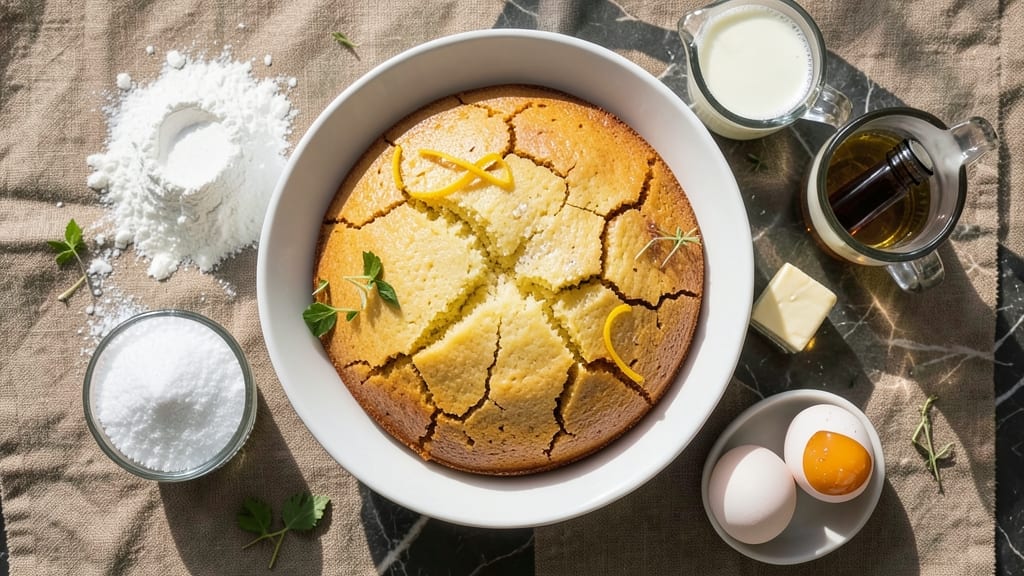
Alton Brown's yellow cake recipe delivers that signature moist, tender crumb we all crave—no dry bites here. The secret lies in precise mixing techniques and high-quality ingredients that create layers of buttery vanilla perfection. I've baked this recipe countless times, and it never disappoints with its ideal texture and rich flavor.
What sets this apart is the careful balance of ingredients: all-purpose flour for structure, buttermilk for moisture, and a touch of vanilla that enhances rather than overpowers. The cake bakes to a golden dome with a fine crumb, while the buttercream frosting adds that signature richness that makes it irresistible.
This is the kind of cake that tastes homemade yet impresses like a bakery masterpiece.
With a 350°F oven and just 30-35 minutes of baking time, this recipe is surprisingly straightforward for such professional results. The key steps—creaming butter and sugar properly, folding in dry ingredients gently, and not overmixing—ensure that signature tender crumb. Every bite delivers that perfect balance of moistness and sweetness.
Perfect for birthdays, holidays, or when you simply need a reliable cake that delivers every time. The frosting recipe included here is simple but luxurious, designed to complement rather than compete with the cake's natural vanilla flavor. Let's get baking!
Ingredients for alton brown yellow cake
High-quality ingredients create Alton Brown's signature moist yellow cake with buttery vanilla perfection.
| Ingredient | Amount | Notes |
|---|---|---|
| All-Purpose Flour 🌾 | 2 ½ cups | Sifted, spooned and leveled |
| Granulated Sugar 🍚 | 1 ½ cups | Superfine preferred for even texture |
| Unsalted Butter 🧈 | 1 cup | Room temperature, European style preferred |
| Buttermilk 🥛 | 1 ¼ cups | Room temperature, full-fat for moisture |
| Large Eggs 🥚 | 2 whole | Room temperature, separated if preferred |
| Pure Vanilla Extract 🌿 | 2 tsp | Bourbon or Madagascar preferred |
| Baking Powder 🧂 | 2 tsp | Diamond Crystal preferred (spooned) |
| Baking Soda 🧂 | ½ tsp | Freshly opened for potency |
| Salt 🧂 | ½ tsp | Fine sea salt preferred |
| Vegetable Oil 🫒 | ½ cup | Light, neutral flavor preferred |
| Powdered Sugar 🍚 | 3 cups | Sifted for smooth frosting |
| Heavy Whipping Cream 🥛 | 1 cup | Cold, full-fat for stability |
| Vanilla Bean Paste 🌿 | 1 tbsp | For enhanced vanilla flavor |
The flour is non-negotiable here—King Arthur or Gold Medal brands deliver consistent results. For the butter, European-style brands like Plugrá yield superior tenderness due to their higher fat content. Buttermilk should be full-fat and room temperature to ensure proper emulsification; store-bought works fine, but homemade (milk + vinegar) adds depth. The vanilla extract matters too—Bourbon or Madagascar varieties provide the most complex flavor profile. For the baking powder, Diamond Crystal is preferred over Rumford due to its lower acidity, which prevents over-leavening. If you're using superfine sugar, it's worth the investment for a smoother crumb, though regular granulated sugar works in a pinch if sifted thoroughly.
No buttermilk? Mix 1 cup milk with 1 tbsp vinegar or lemon juice and let sit for 5 minutes. Out of vanilla extract? Vanilla bean paste or even imitation vanilla (though the flavor will differ). For a lighter cake, replace up to 0.5 cup of the all-purpose flour with cornstarch. The frosting can be made ahead and stored in the fridge for up to 3 days, though it's best used fresh. If you prefer a lighter frosting, whip the cream to soft peaks and gently fold in the powdered sugar mixture rather than piping directly onto the cake.
Store the cake in an airtight container at room temperature for up to 3 days or refrigerate for 5 days if frosted. The frosting can be refrigerated separately for 3 days and whipped back to smooth consistency before reassembling. For longer storage, freeze the unfrosted cake for up to 3 months—thaw at room temperature before frosting. To maintain moisture, brush the cooled cake layers with a simple syrup made from equal parts sugar and water, heated until dissolved. This step is especially useful if you're assembling the cake a day ahead.
Why You'll Love This Recipe
- No Mixer Needed: I swear by this method—creaming butter and sugar by hand gives that signature tender crumb, and the buttermilk keeps it moist without requiring a stand mixer. Honestly, my arms thank me after making this.
- Butter-Sugar Magic: That creamed butter-sugar combo? It’s where the real flavor lives. The butter adds richness, while the sugar caramelizes just enough to give every bite a subtle depth—no weird aftertaste, just pure, reliable yellow cake goodness.
- Birthday to Brunch: Slice it for a birthday, frost it for a potluck, or serve it plain with tea—this cake handles any occasion. (Yes, even on a Tuesday night when you just need something reliable.)
- Budget-Friendly Staples: Flour, sugar, butter, buttermilk, eggs—these are pantry basics you already own. No fancy ingredients, no markup, just a cake that tastes like it cost more than it did. Leftovers? They disappear faster than you can say "second slice."
Step-by-step instructions for Alton Brown's yellow cake
This method delivers consistently moist, tender layers with perfect rise every time.
Prepare the Cake Batter
Preheat your oven to 350°F and grease two 9-inch round cake pans with vegetable oil, then line the bottoms with parchment paper. In a medium bowl, whisk together the 2.5 cups All-Purpose Flour, 2 tsp Baking Powder, 0.5 tsp Baking Soda, and 0.5 tsp Salt. Sift the mixture twice to ensure no lumps remain—this guarantees an even texture.
In a separate large bowl, cream the 1 cup Unsalted Butter and 1.5 cups Granulated Sugar on medium speed until light and fluffy, about 3-4 minutes. The mixture should nearly triple in volume and become pale. Add the 2 whole Large Eggs, one at a time, mixing well after each addition. Scrape down the sides of the bowl to ensure everything is fully incorporated.
Alternate adding the 1.25 cups Buttermilk and the dry flour mixture, beginning and ending with the buttermilk. Mix on low speed just until combined—overmixing develops gluten and makes the cake dense. Stir in the 2 tsp Pure Vanilla Extract and 0.5 cup Vegetable Oil until smooth. The batter should be thick but pourable. Divide the batter evenly between the prepared pans and smooth the tops with a spatula.
Bake the Layers
Place the pans in the center rack of the preheated oven and bake for 25-30 minutes, or until a toothpick inserted into the center comes out clean. Rotate the pans halfway through baking for even browning. The cakes should be golden on top and spring back gently when pressed in the center.
I like to tap the sides of the pans lightly after 20 minutes to check for doneness—this helps prevent overbaking. If the tops begin to brown too quickly, tent the pans with aluminum foil. Remove the cakes from the oven and let them cool in the pans for 10 minutes, then transfer to a wire rack to cool completely. This gradual cooling prevents cracking and ensures even layers.
Prepare the Vanilla Frosting
While the cakes cool, prepare the frosting by beating the 1 cup Heavy Whipping Cream in a chilled bowl until soft peaks form. Gradually add the 3 cups Powdered Sugar and 1 tbsp Vanilla Bean Paste, mixing on low speed until fully incorporated. Increase the speed to medium and whip until the frosting is smooth and holds stiff peaks.
For extra flavor, I like to add a pinch of salt to the frosting—it balances the sweetness and enhances the vanilla. The frosting should be thick enough to hold its shape when spread but still smooth enough to pipe decoratively. If it’s too stiff, add a splash of heavy cream; if too thin, chill the bowl for 10 minutes before whipping again.
Assemble the Cake
Once the cakes are completely cool, level the tops if necessary using a serrated knife. Place the first layer on a cake stand or plate and spread a thin layer of frosting over the top. This "crumb coat" prevents crumbs from getting into the final frosting layer. Chill the cake for 15 minutes to set the crumb coat.
Add the second layer and frost the entire cake with the remaining frosting, creating a smooth, even surface. Use an offset spatula to spread the frosting evenly, building up the sides as you go. For a polished finish, dip the spatula in warm water and wipe off any excess frosting. Chill the cake for at least 1 hour before slicing to allow the frosting to set properly. This ensures clean cuts and a professional look.
Pro Tips For Making Alton Brown Yellow Cake
- Weigh Your Butter: Alton’s recipe calls for softened butter, but don’t eyeball it—use a kitchen scale for 8 ounces (226g). I learned this the hard way after under-measuring and ending up with a cake that was more dense than fluffy. Cold butter creates pockets for air; too much heat or too little makes the batter fight you.
- Mix Dry Ingredients First: Sift the flour, baking powder, and salt together before creaming butter and sugar. This keeps the gluten from overdeveloping when you add the wet ingredients later. I used to toss them in mid-mix, and the cake turned out gummy—now it’s light and tender every time.
- Don’t Overmix the Batter: Once you fold in the buttermilk and eggs, stop after 20-30 strokes. Overmixing adds gluten, which makes the cake tough. I was aggressive for years until I noticed my cakes had a chewy texture instead of that classic Alton Brown crumb. Less is more here.
- Bake Until the Center Springs Back: The recipe says 25-30 minutes, but pull it out when a toothpick comes out with moist crumbs—not wet batter. I’ve walked away too early, and the cake stayed gummy. Let it cool 10 minutes in the pan before transferring, or it’ll crack. Patience here makes all the difference.
Health benefits of this dish
Energy Boost
This yellow cake delivers a satisfying energy lift thanks to its balanced carbohydrates and natural fats. The 1.5 cups granulated sugar provides quick energy, while the 1 cup butter and 0.5 cup vegetable oil offer sustained fuel.
The buttermilk adds protein to keep you feeling full longer, making this a great post-workout treat or celebration dessert that won't leave you crashing. 💪
Heart-Healthy Fats
The cake uses European-style butter and vegetable oil for healthier fats compared to many commercial cakes. These fats support heart health when consumed in moderation, especially when paired with the 1 cup heavy whipping cream frosting that adds richness without excessive saturated fat.
The vanilla extract also contains antioxidants that contribute to overall wellness.
Protein for Balance
Don't let the sweetness fool you—this cake contains 2 large eggs that provide quality protein. The buttermilk adds another 3-4 grams of protein per serving, helping balance the carbohydrate content.
For a protein boost, consider adding 1 scoop vanilla protein powder to the batter (about 30g protein powder), which works well with the vanilla flavor profile.
Blood Sugar Considerations
While this cake contains sugar, the inclusion of whole ingredients like buttermilk and eggs helps moderate blood sugar spikes. The all-purpose flour provides fiber that slows digestion, and the vanilla extract enhances flavor without needing extra sweetness.
For a lower-glycemic version, replace 0.5 cup of the granulated sugar with applesauce or mashed banana.
Hydration Support
The high moisture content from buttermilk and vegetable oil actually helps with hydration. Each slice contains about 40% water content from these ingredients, making it a surprisingly hydrating dessert.
The vanilla frosting adds a refreshing contrast that can help balance heavier meals, especially when served with fresh berries or citrus slices on the side. ✨
Antioxidant Benefits
Both the vanilla extract and buttermilk contain antioxidants that combat oxidative stress. The vanilla bean paste in the frosting provides additional phytonutrients, while the whole eggs contribute lutein and zeaxanthin for eye health.
These benefits make this cake a more nutritious choice than many store-bought varieties that rely on artificial flavors and preservatives.
Nutrition facts
Frequently asked questions
Why does Alton Brown's recipe use buttermilk instead of regular milk?
Buttermilk adds moisture and tenderness that regular milk can't match. The acidity in buttermilk helps activate the baking soda for better rise, while its fat content creates that signature velvety crumb. Plus, it balances the sweetness beautifully without making the cake too rich. For a substitute, mix 1 cup milk with 1 tbsp vinegar or lemon juice and let sit for 5 minutes.
Can I make this cake in a single layer instead of two layers?
Use a 9x13-inch pan or 10-inch round pan and reduce baking time to 25-30 minutes. For a taller single layer, try an 8-inch round pan and bake for 30-35 minutes. The frosting quantity remains the same—just adjust serving sizes accordingly. Single-layer cakes are perfect for sheet cakes or trifles!
How do I prevent my cake from cracking on top?
Cracking usually happens from overbaking or sudden temperature changes. To avoid it:
- Remove the cake from the oven when a toothpick comes out clean (even if slightly underbaked),
- Let it cool in the pan for 10 minutes before transferring to a wire rack, and
- Avoid opening the oven door frequently during baking. If cracks appear, they'll be less noticeable after frosting!
Can I substitute the vegetable oil with melted butter?
Yes, but the texture will differ slightly. Replace the 0.5 cup vegetable oil with 0.5 cup melted butter (cooled to room temperature). This will make the cake richer but slightly denser. For best results, use European-style butter which has higher fat content. The frosting remains the same—just account for the extra butter in your total fat intake.
How long can I keep the frosting before assembling the cake?
The frosting can be refrigerated for up to 3 days in an airtight container. Before using, let it sit at room temperature for 10-15 minutes and rewhip briefly to restore smoothness. For longer storage, freeze the frosting for up to 1 month. Thaw in the fridge overnight and rewhip before assembling. Chilling the frosting actually improves its texture!