
Desserts
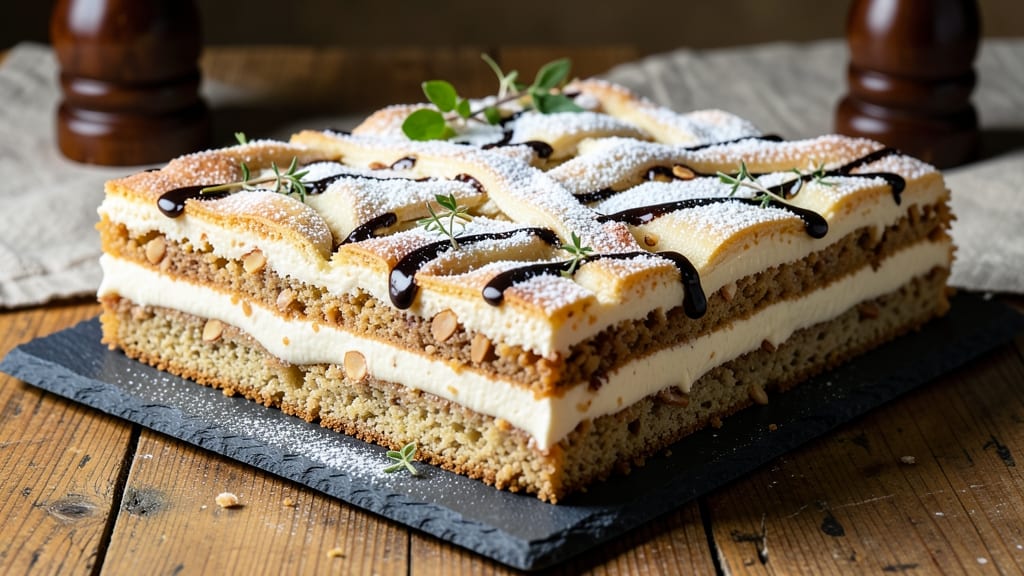
Marion's Kitchen-style almond sheet cake delivers layers of delicate almond flavor with a signature vanilla frosting that's light yet rich—perfect for special occasions or when you want to impress. This recipe transforms simple ingredients into an elegant dessert with a tender crumb and subtle nutty depth that sets it apart from standard sheet cakes. The secret lies in the almond flour base and precise layering technique that ensures every bite is moist and flavorful.
The cake's beauty comes from its simplicity: a single thin layer baked to golden perfection, then generously frosted with a smooth vanilla buttercream that complements rather than overpowers the almond notes. Chilling between layers is crucial for clean cuts and a professional finish, while the frosting's texture stays creamy even in warm rooms.
This is the kind of dessert that looks impressive but comes together with straightforward steps—ideal for home bakers who want restaurant-quality results.
What makes this recipe special is how the almond flavor shines through without being overpowering, thanks to a balanced approach in both the batter and frosting.
The cake itself has a delicate crumb that holds up beautifully when sliced, while the frosting adds just the right amount of sweetness to enhance the nutty undertones. Each element works together to create a dessert that's as satisfying to make as it is to serve.
Whether you're celebrating a birthday, hosting a dinner party, or simply craving something elegant, this almond sheet cake delivers. The recipe includes tips for achieving perfectly even layers and a frosting that stays smooth, ensuring your dessert looks and tastes like it came from a professional kitchen.
Let's get started on creating this timeless classic.
Ingredients for almond sheet cake recipe marion's kitchen
Elegant layers of almond flavor begin with these quality ingredients—each playing a precise role.
| Ingredient | Amount | Notes |
|---|---|---|
| Almond Flour 🌰 | 2 cups | Blanched almond flour preferred |
| All-Purpose Flour 🌾 | ½ cup | For structure and lift |
| Granulated Sugar 🍚 | 1 ½ cups | Superfine preferred for smoothness |
| Unsalted Butter 🧈 | 1 cup | Cold, cubed for even mixing |
| Large Eggs 🥚 | 3 whole | Room temperature for best blend |
| Vanilla Extract 🌸 | 1 tbsp | Pure Madagascar vanilla preferred |
| Baking Powder 🍞 | 1 ½ tsp | Aluminum-free for tender crumb |
| Salt 🧂 | ½ tsp | Fine sea salt preferred |
| Almond Extract 🌰 | ½ tsp | Pure almond extract for depth |
| Heavy Cream 🥛 | 1 cup | Cold for stable buttercream |
| Powdered Sugar 🍚 | 3 cups | Sifted for smooth frosting |
| Vanilla Bean Paste 🌸 | 1 tsp | Or 0.5 tsp pure extract |
| Unsweetened Almond Milk 🥛 | ¼ cup | For frosting consistency |
| Flaky Sea Salt 🧂 | ½ tsp | For garnish (optional) |
The almond flour is non-negotiable here—Bob's Red Mill or King Arthur brands deliver the most consistent texture. For the frosting, Domino powdered sugar is my go-to because it's sifted and dissolves smoothly. If you're using vanilla bean paste, Madagascar Bourbon adds the richest depth. The butter should be cold when you start mixing to prevent over-creaming, which can make the cake dense. For the almond extract, McCormick or Goya are reliable brands that won't overpower the delicate almond flavor.
No almond flour? Blanch and grind your own almonds—it's worth the effort for that authentic texture. Running short on powdered sugar? Sift granulated sugar finely and use it instead, but expect slightly less smoothness. The heavy cream in the frosting can be swapped for whipped coconut cream for a dairy-free option, though it will have a different mouthfeel. If you're avoiding dairy entirely, vegan butter works in the cake batter, but the frosting will need extra stability from a bit of cornstarch. The flaky sea salt is optional but adds a sophisticated contrast to the sweet frosting—Maldon is my favorite for this purpose.
Store the cake layers wrapped in parchment at room temperature for up to 2 days, or freeze for 1 month. The frosting keeps in the fridge for 5 days and can be whipped back up with a splash of almond milk if it stiffens. For make-ahead convenience, assemble the cake completely (including frosting) and refrigerate for 24 hours—the flavors meld beautifully. When ready to serve, let it sit at room temperature for 30 minutes so the frosting softens slightly for cleaner slices.
Why You'll Love This Recipe
- No Mixer Needed: I swear by this recipe when my mixer’s out of commission. The almond flour and butter come together in seconds with a fork—no electric help required—and the batter’s so smooth you’d never guess it’s that unfussy.
- Buttery Almond Magic: That first bite? Rich, nutty, and just sweet enough—thanks to the almond flour’s natural depth and the butter’s melt-in-your-mouth magic. Honestly, the sugar barely needs a whisper here; the almonds do the heavy lifting.
- Sheet Pan Simplicity: One pan, one bake, zero fuss. Perfect for when you’re feeding a crowd but don’t want to slave over layers or frosting. Slice it warm, and it’s already restaurant-worthy—no plating skills needed.
- Leftovers That Last: This cake stays moist for days (yes, even after three), so I always double the batch. Stash slices in the fridge for quick breakfasts or pack them for work—no sad, dry crumbs here. Budget-friendly too, since almond flour goes a long way.
Step-by-step instructions for marion's Kitchen-style almond sheet cake
Here's how to create layers of tender almond cake with a velvety vanilla frosting.
Prepare the Cake Batter for Light, Airy Layers
Preheat your oven to 350°F and line a 12x17-inch half-sheet pan with parchment paper, leaving an overhang for easy removal. In a stand mixer fitted with the paddle attachment, cream together the 1 cup unsalted butter and 1.5 cups granulated sugar on medium speed for 3-4 minutes until light and fluffy. You're looking for a color change from pale yellow to an almost white hue—this incorporates air that will make your cake tender.
Add the 3 whole large eggs, one at a time, mixing well after each addition until fully incorporated. Then stir in the 1 tablespoon vanilla extract and 0.5 teaspoon almond extract. The almond extract might seem like too much, but trust me—it enhances the natural almond flavor without overpowering. In a separate bowl, whisk together the 2 cups almond flour, 0.5 cup all-purpose flour, 1.5 teaspoons baking powder, and 0.5 teaspoon salt.
Combine Wet and Dry Ingredients for Perfect Texture
With the mixer on low speed, gradually add the dry ingredients to the wet mixture, mixing just until combined. The batter will be thick but smooth—don't overmix or you'll develop gluten and end up with a tough cake. Pour the batter evenly into the prepared pan, spreading it into an even layer with a spatula. Tap the pan gently on the counter a few times to remove any air bubbles that might have formed during pouring.
Bake for 25-30 minutes until the edges are light golden brown and a toothpick inserted in the center comes out clean. I know it seems like too long, but almond flour cakes need that extra time to fully set. Let the cake cool completely in the pan on a wire rack before removing the parchment paper—this prevents cracking when you transfer it.
Make the Vanilla Buttercream Frosting
While the cake cools, prepare the frosting by beating the 1 cup cold heavy cream and 1 cup unsalted butter (softened but still cool) in a stand mixer fitted with the whisk attachment until smooth and fluffy. Gradually add the 3 cups powdered sugar (sifted for a smooth finish), mixing on medium speed until fully incorporated. Stir in the 1 teaspoon vanilla bean paste and 0.25 cup unsweetened almond milk until the frosting reaches a spreadable consistency.
Here's the thing—if the frosting seems too thick after adding the almond milk, add 1 tablespoon at a time until it's smooth and pipeable. The frosting should hold its shape when piped but still be light enough to spread easily between layers. Taste and adjust sweetness if needed, though the recipe is balanced for most preferences.
Assemble and Frost the Cake Layers
Once the cake is completely cool, use a long serrated knife to trim any uneven edges and cut the cake into two equal rectangles. Place the first layer on your serving board or cake stand and spread a thin layer of frosting over the top to prevent dry spots. Add the second layer and gently press down to create an even surface.
Spread the remaining frosting evenly over the top and sides of the cake, using a spatula to create smooth, clean edges. For that classic Marion's Kitchen touch, sprinkle the 0.5 teaspoon flaky sea salt over the top just before serving. The salt enhances the sweetness and adds a sophisticated finish. Chill the cake for 30 minutes before slicing to let the frosting set slightly—this makes for cleaner, more professional-looking slices.
Pro Tips For Making Almond Sheet Cake Recipe Marion'S Kitchen
- Whip Butter First: Beat the unsalted butter and sugar together until light and fluffy—about 3-4 minutes—before adding eggs. I used to rush this step, and the cake always turned out dense. That extra time creates air pockets that make the texture tender and moist, especially with almond flour’s heaviness.
- Sift the Almond Flour: Sift the almond flour with the all-purpose flour before mixing it into the wet ingredients. This breaks up clumps and ensures even distribution, so you don’t end up with pockets of dry flour in your batter. (Yes, even if you’re impatient—trust me on this.)
- Avoid Overmixing: Stop folding in the dry ingredients as soon as they’re just combined—no streaks left. Overmixing develops gluten, which makes the cake tough. Marion’s recipe relies on a delicate balance between structure and lightness, so keep it gentle.
- Test for Doneness Early: Check the cake at 25 minutes, not the full 30-35 minutes. The edges should be golden, but the center should still jiggle slightly—it’ll set as it cools. I learned this the hard way when my first batch came out like a brick. Pull it out when it’s almost done.
Perfect pairings for almond sheet cake recipe marion's kitchen
Fruit Complements
Fresh berries add a vibrant contrast to the cake's nutty richness. I recommend raspberries or blackberries arranged in a circular pattern on top—toss them in 1 tablespoon powdered sugar to prevent bleeding.
For a tropical twist, use sliced mango or pineapple lightly brushed with 1 teaspoon lime juice to maintain freshness. 🍓
Tea Pairings
Earl Grey tea is my go-to pairing—its bergamot notes complement the almond flavor beautifully. Brew a strong cup and serve it chilled with lemon slices for a refreshing contrast.
For a dessert-focused option, try jasmine green tea, which enhances the cake's delicate floral undertones. Keep the tea lightly sweetened to avoid overpowering the cake's natural flavors.
Wine Recommendations
A crisp Sauvignon Blanc from New Zealand pairs wonderfully with this cake. Look for notes of citrus and herbal undertones that cut through the richness. For red wine lovers, a Pinot Noir with bright acidity works surprisingly well. Avoid heavy, oaky wines—they'll clash with the almond's subtle sweetness. 🍷
Coffee Pairings
For coffee lovers, a light roast Arabica with nutty undertones enhances the almond flavor profile. Brew it as a cortado (equal parts espresso and steamed milk) to balance the cake's sweetness.
If you prefer dark roast, opt for a flat white to avoid overpowering the delicate frosting. Serve coffee at room temperature for the best flavor harmony.
Seasonal Garnishes
In summer, add edible flowers like violets or pansies for a delicate touch. For fall, sprinkle toasted almond slivers with a pinch of cinnamon for warmth. Winter calls for candied citrus peel or a dusting of powdered sugar to create a snowy effect.
These garnishes elevate the presentation while complementing the cake's flavors. ✨
Nutrition facts
Frequently asked questions
Can I substitute almond flour with regular flour in this recipe?
The almond flour is essential for that signature nutty flavor and tender crumb. However, you can blend 1.5 cups all-purpose flour with 0.5 cup cornstarch for a similar texture, though the almond flavor will be much milder. For best results, stick with almond flour—it's what makes this cake special!
Why does the cake need to chill between layers?
Chilling for 30 minutes before slicing and frosting prevents the layers from becoming soggy and helps the frosting set properly. This creates clean, professional slices and ensures the cake holds its shape beautifully. Patience here makes all the difference!
Can I make this cake ahead of time?
Assemble the cake completely (including frosting) and refrigerate for 24 hours—the flavors meld beautifully. Store baked layers wrapped in parchment at room temperature for 2 days or freeze for 1 month. Let it sit at room temperature for 30 minutes before serving for perfect slices.
What's the secret to a smooth frosting?
Sift the powdered sugar before mixing and use cold heavy cream—this prevents lumps and creates a silky texture. If the frosting seems too thick, add almond milk 1 tablespoon at a time until it reaches a spreadable consistency. The key is patience and proper mixing!
Can I use this recipe for a gluten-free version?
Yes! Replace the 0.5 cup all-purpose flour with 0.5 cup gluten-free 1:1 baking flour (like Bob's Red Mill). For best results, also use a gluten-free almond flour blend. Test the frosting separately to ensure it holds its shape without dairy substitutes.