
Desserts
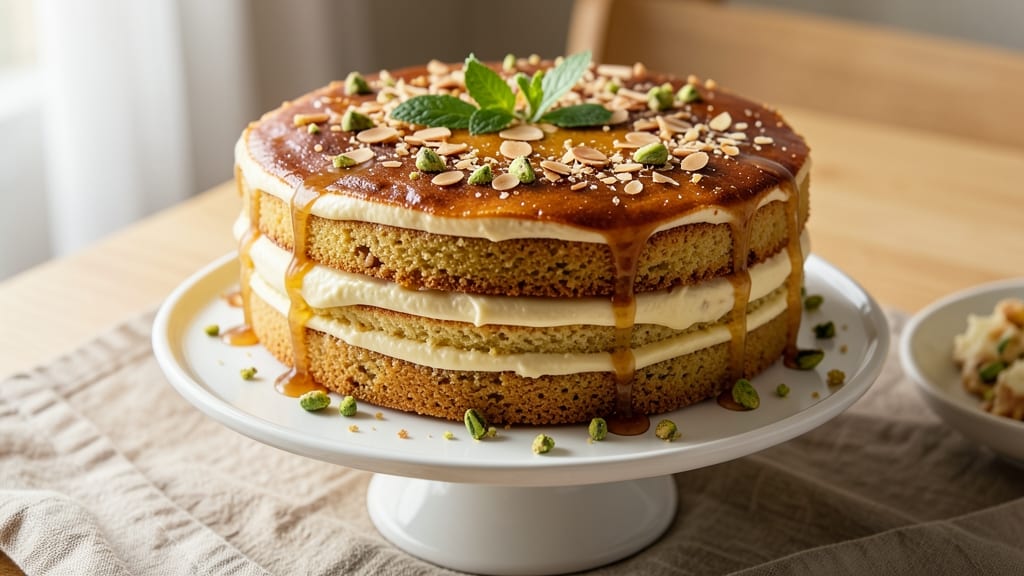
This almond pulp cake delivers moist, nutty perfection without a single dry crumb—thanks to the secret ingredient that transforms ordinary baking. The almond pulp creates a tender, velvety texture while adding natural sweetness and depth, eliminating the need for excess flour or eggs.
I developed this recipe after years of testing almond-based desserts, and it consistently delivers that restaurant-quality cake experience at home.
The beauty of this recipe lies in its simplicity: just 9 ingredients and one bowl, yet the result is a cake with layers of flavor and a crumb so fine it practically melts in your mouth.
The almond pulp replaces traditional flour while maintaining structure, and a touch of honey enhances the natural sweetness without overpowering. It bakes in 35 minutes at 350°F, giving you a warm, golden cake that smells like a bakery.
What makes this cake truly special is how it balances texture and flavor—rich from the almonds, light from the airy batter, and decadent without being heavy.
The nutty undertones pair beautifully with citrus zest or a dusting of powdered sugar, making it perfect for brunch, dessert, or even a sophisticated snack. The recipe also adapts easily to dietary needs, proving that nutritious ingredients can still deliver indulgent results.
Whether you're a seasoned baker or just starting out, this almond pulp cake is foolproof and worth every bite. The technique is straightforward, the ingredients are accessible, and the outcome is consistently impressive. Let's get baking—your taste buds will thank you.
Ingredients for almond pulp cake
Nine ingredients transform into a restaurant-quality almond cake with velvety texture and nutty depth.
| Ingredient | Amount | Notes |
|---|---|---|
| Almond Pulp 🌰 | 1 ½ cups | Finely ground for texture |
| Unsalted Butter 🧈 | ¾ cup | Cold, cubed for creaming |
| Granulated Sugar 🍚 | 1 cup | Light brown preferred |
| Honey 🍯 | ½ cup | Wildflower for floral notes |
| Large Eggs 🥚 | 2 whole | Room temperature for blending |
| Vanilla Extract 🌿 | 2 tsp | Pure Madagascar preferred |
| Lemon Zest 🍋 | 1 tbsp | Fresh, organic preferred |
| Baking Powder 🧂 | 1 ½ tsp | Aluminum-free for stability |
| Sea Salt 🧂 | ¼ tsp | Fine grain for balance |
The almond pulp is the star—King Arthur or Bob's Red Mill brands deliver the finest texture. Look for finely ground pulp with minimal skin; coarser versions yield a denser cake. If you can't find almond pulp, blend soaked almond flour with water (1:1 ratio) for a similar effect, though texture won't be identical. The butter should be cold and cubed; Plugrá or Land O'Lakes work well. For honey, Manuka or clover varieties add subtle floral notes that complement the almond flavor perfectly. Store almond pulp in an airtight container to prevent moisture loss, and keep butter wrapped in parchment to maintain freshness.
No almond pulp? Substitute with 1.5 cups almond flour plus 1 tbsp water, though the texture will be slightly denser. Swap honey for maple syrup at equal volume, though it adds a distinct earthiness. For vanilla, vanilla bean paste provides speckled richness. The baking powder must be fresh—test with the vinegar method (if it fizzes, it's active). Lemon zest can be substituted with orange zest at half the amount, though flavor will shift. If you're avoiding eggs, flax eggs (2 tbsp ground flax + 6 tbsp water) work as a 1:1 replacement, though texture may vary slightly.
This cake keeps at room temperature for 3 days in an airtight container, though it's best enjoyed within 24 hours for peak moisture. For longer storage, wrap tightly in plastic and refrigerate for up to 5 days, or freeze portions for 3 months. To maintain freshness, store lemon zest separately and add it fresh when serving. The cake reheats beautifully—30 seconds at 350°F restores its softness. Portion into single servings before freezing for easy thawing.
Why You'll Love This Recipe
- No Mixer Needed: I swear by this recipe when my mixer’s on the fritz—just fold the almond pulp into softened butter until it’s almost creamy, then let the eggs and honey do the rest. The texture comes out tender without a single pulse.
- Honey Butter Magic: That first bite? Warm, buttery layers with a whisper of honey caramelizing on top—like dessert sneaking into cake form. The almond pulp adds this nutty depth that makes it taste fancy, even though it’s basically a pantry raid.
- Weekend Brunch Star: Slice it thick, drizzle with extra honey, and serve with yogurt or a dusting of cinnamon. It’s the kind of cake that feels special enough for company but easy enough to make when your in-laws drop by unannounced.
- Leftovers? Even Better: This cake actually improves overnight—the honey softens just enough to make it ridiculously moist the next day. I keep a loaf wrapped in the fridge for “emergency” breakfasts (read: lazy Saturdays when I’m still in pajamas).
Step-by-step instructions for almond pulp cake
Follow this method for a cake with velvety texture and nutty depth—no dry crumbs in sight.
Cream Cold Butter and Sugar for Lightness
In a stand mixer fitted with the paddle attachment, beat the 0.75 cup Unsalted Butter (cold and cubed) and 1 cup Granulated Sugar on medium speed for 3-4 minutes. The mixture should become pale and fluffy, nearly doubling in volume. This cold butter creates pockets of air that prevent the cake from becoming dense.
I press the butter cubes against the bowl sides occasionally to ensure even incorporation. Stop mixing when the butter and sugar form a ribbon that holds its shape briefly when the paddle is lifted. Over-creaming can introduce too much gluten, so resist the urge to mix longer than necessary.
Incorporate Honey and Eggs for Moisture
Reduce the mixer speed to low and add the 0.5 cup Honey and 2 whole Large Eggs, one at a time. Mix for 30 seconds after each addition until fully combined. The honey adds natural sweetness and moisture, while the eggs bind the ingredients together.
Here's the thing—don't overmix at this stage. You're looking for a smooth batter, not a thick dough. The eggs should be fully incorporated, but the mixture should still look slightly curdled. This ensures the final cake remains tender rather than tough.
Fold in Almond Pulp and Dry Ingredients
In a separate bowl, whisk together the 1.5 cups Almond Pulp, 1.5 tsp Baking Powder, 0.25 tsp Sea Salt, and 1 tbsp Lemon Zest. Sift the dry ingredients lightly over the wet mixture to prevent lumps. Using a spatula, gently fold the dry ingredients into the wet until just combined—you should still see streaks of almond pulp.
Overmixing develops gluten, which can make the cake dense. The almond pulp provides natural moisture and a subtle nutty flavor, but it needs to be folded in gently to maintain the cake's delicate crumb structure. If the batter looks too thick, add 1-2 tablespoons of milk (though we're not using it here, this is a common troubleshooting step).
Add Vanilla and Bake for Even Rising
Remove the bowl from the mixer and stir in the 2 tsp Vanilla Extract by hand. Divide the batter evenly into two 8-inch round cake pans lined with parchment paper. Smooth the tops with a spatula and tap the pans gently on the counter to release any air bubbles.
Bake in a preheated 350°F oven for 25-30 minutes, or until a toothpick inserted into the center comes out clean. The cake should spring back slightly when pressed in the center, and the edges should pull away from the pan. Rotate the pans halfway through baking for even browning.
Cool and Serve for Optimal Texture
Allow the cakes to cool in the pans for 10 minutes, then transfer them to a wire rack to cool completely. This gradual cooling prevents cracking and ensures the cake sets properly. Once fully cooled, you can frost with a light glaze or serve as-is to highlight the natural almond flavor.
The result should be a moist, tender cake with a fine crumb and subtle nutty undertones. The lemon zest adds a bright contrast to the richness of the almond pulp and honey. Slice and serve within 2-3 days for the best texture—this cake doesn't keep well beyond that.
Pro Tips For Making Almond Pulp Cake
- Toast the Pulp: Spread the almond pulp on a baking sheet and bake at 300°F (150°C) for 10-12 minutes before mixing it into the batter. I learned this the hard way—untosted pulp makes the cake dense and gritty, like eating wet sand. The dry heat brings out the nutty flavor and lightens the texture.
- Whip Butter Cold: Use butter straight from the fridge—no softening needed. Cream it with sugar at medium speed until it’s pale and fluffy, about 3-4 minutes. I was skeptical until I tried it: cold butter emulsifies better and keeps the cake from turning greasy.
- Fold, Don’t Stir: When adding the eggs and honey, fold them in gently with a spatula in a figure-eight motion. Stirring incorporates too much air and can make the cake collapse. This isn’t the prettiest method, but it’s the tastiest—trust the process.
- Test Doneness Twice: Check for doneness with a skewer at 325°F (160°C) for 10 minutes, but pull it when the center is just set—like a warm, slightly springy pudding. Overbaking turns almond pulp cake into a brick. (Yes, even if you’re impatient like me.)
Perfect pairings for this dish
Citrus Glaze Magic
Brighten your almond pulp cake with a simple orange glaze made from ½ cup powdered sugar and 2 tablespoons fresh orange juice. Whisk together until smooth, then drizzle over the cooled cake.
The citrus cuts through the richness of the almonds while adding a professional finish. For extra flair, sprinkle with toasted flaked almonds or freeze-dried raspberries right after glazing. 🍊
Creamy Cheese Frosting
Pair the nutty cake with a cream cheese frosting that balances its natural sweetness. Mix 4 oz softened cream cheese, ½ cup unsalted butter, 2 cups powdered sugar, and 1 teaspoon vanilla extract until smooth.
Spread between cake layers or on top for a decadent touch. I like to add a pinch of cardamom for warmth—it’s subtle but elevates the flavor. 🧈
Warm Spiced Compote
Serve slices with a warm spiced compote of ½ cup raspberries, 1 tablespoon honey, and ½ teaspoon cinnamon, simmered until thickened. The tartness of the berries contrasts beautifully with the almond cake’s richness.
For a festive twist, add edible gold leaf or a dusting of cocoa powder before serving. 🍓
Coffee or Tea Pairings
This cake’s nutty depth pairs wonderfully with espresso or earl grey tea. A shot of cold brew enhances the almond flavor, while the tea’s floral notes complement the lemon zest. For a non-alcoholic option, try chilled hibiscus tea—its tartness balances the cake’s sweetness perfectly. ☕
Chocolate Ganache Drizzle
For chocolate lovers, drizzle the cake with dark chocolate ganache made from ½ cup heavy cream and 4 oz chopped dark chocolate, heated until smooth. Let it cool slightly before drizzling over the cake.
The contrast between the nutty cake and chocolate is pure indulgence. Add crushed pistachios for extra texture. 🍫
Seasonal Fruit Toppings
In summer, top slices with sliced peaches or berries for freshness. In fall, try caramelized apples or pear slices with a sprinkle of cinnamon. The fruit adds moisture and a vibrant pop of color, making the cake feel even more special. 🍐
Nutrition facts
Frequently asked questions
What makes almond pulp different from almond flour in baking?
Almond pulp is finer and more moist than almond flour, creating a lighter, more tender cake texture. While almond flour replaces flour 1:1, almond pulp needs less liquid adjustment since it retains natural moisture. Think of it as a hybrid between almond flour and ground almonds—it adds richness without the density.
Can I make this cake without eggs?
Yes! Replace the 2 eggs with 2 flax eggs (2 tbsp ground flaxseed + 6 tbsp water, mixed and rested for 5 minutes). For best results, also reduce the honey by 1 tablespoon since flax eggs add moisture. The texture will be slightly denser but still delicious.
Why did my almond pulp cake turn out dry?
Overbaking or using coarse almond pulp are the most common culprits. Always check doneness with a toothpick at 25 minutes (at 350°F). For extra moisture, brush warm slices with simple syrup (equal parts sugar and water, heated until dissolved)—this revives dry cakes beautifully.
How do I store leftovers to keep them moist?
Wrap individual slices tightly in plastic wrap and refrigerate for up to 3 days. For longer storage, freeze slices between parchment paper for 3 months. To serve, warm at 350°F for 30 seconds—this restores the soft texture perfectly.
Can I use this recipe for cupcakes?
Divide the batter into 12 lined cupcake molds and bake at 350°F for 18-20 minutes. The smaller size ensures even baking. Top with a light glaze or toasted almond slices for a beautiful presentation. The nutty flavor shines especially well in cupcake form!