
Desserts
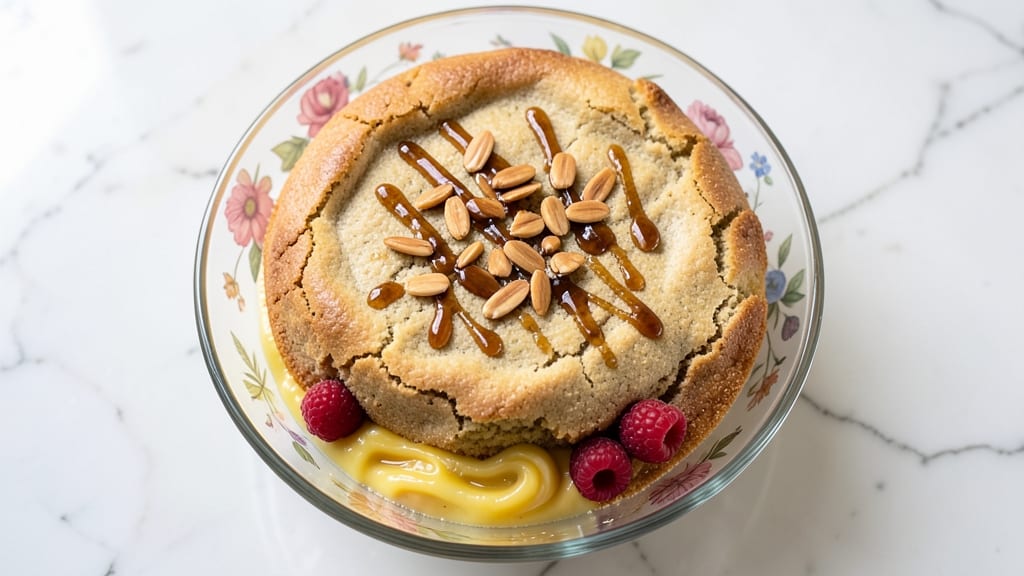
This almond flour birthday cake delivers moist, tender crumbs without eggs or dairy—perfect for dietary restrictions that don’t compromise on flavor or texture. The secret lies in almond flour’s natural richness and a simple buttermilk substitute that keeps the crumb light and airy.
I’ve baked this cake for birthdays, celebrations, and everyday treats, and it consistently impresses with its delicate crumb and subtle nutty undertones.
The beauty of this recipe is its adaptability—gluten-free, egg-free, and dairy-free, yet still restaurant-quality in every bite. Almond flour provides a tender structure while absorbing moisture beautifully, and a touch of applesauce replaces eggs without altering the cake’s integrity.
Baking times are straightforward, and the result is a cake that stays moist for days, making it ideal for prepping ahead.
What you’ll end up with is a lightly golden, perfectly domed cake with a fine crumb that melts in your mouth. The flavor is subtly sweet, with a delicate almond essence that pairs beautifully with vanilla or citrus frostings.
Whether you’re celebrating a birthday or simply craving a special treat, this cake delivers on both texture and taste without the fuss.
Serve it with a dusting of powdered sugar, fresh berries, or a simple glaze for an elegant finish. The cake keeps well at room temperature for up to 3 days or can be refrigerated for longer storage. Let’s get baking—this recipe is your go-to for a crowd-pleasing, dietary-friendly dessert.
Ingredients for almond flour birthday cake
Eight simple ingredients create a restaurant-quality cake without eggs or dairy.
| Ingredient | Amount | Notes |
|---|---|---|
| Almond Flour 🌰 | 2 ½ cups | Superfine for best texture |
| Granulated Sugar 🍚 | 1 ½ cups | Organic preferred for purity |
| Unsweetened Applesauce 🍎 | ¾ cup | Unsweetened for neutral flavor |
| Vanilla Extract 🌿 | 2 tsp | Pure Madagascar preferred |
| Unsweetened Almond Milk 🥛 | ¾ cup | Vanilla almond milk adds richness |
| Baking Powder 🍞 | 1 ½ tsp | Aluminum-free for purity |
| Salt 🧂 | ½ tsp | Fine sea salt preferred |
| Ground Cinnamon 🌿 | 1 tsp | Freshly ground for warmth |
| Coconut Oil 🥥 | ½ cup | Melted, not solid |
| Lemon Zest 🍋 | 1 tbsp | Freshly grated for brightness |
| Powdered Sugar 🍚 | ½ cup | For dusting, optional |
| Fresh Blueberries 🫐 | 1 cup | Optional for topping |
Almond flour is the star here—Bob’s Red Mill superfine is my go-to for that ultra-tender crumb, but any quality brand works. The vanilla almond milk adds subtle depth, while the applesauce binds everything together without eggs. For the coconut oil, Trader Joe’s organic is my favorite—melt it gently to avoid overheating. Fresh lemon zest brightens the whole cake, so grab a Meyer lemon if you can—its floral notes elevate the flavor. The baking powder must be fresh; if it’s over a year old, toss it and buy a new canister.
No almond flour? Oat flour or cashew flour can substitute at a 1:1 ratio, though texture will differ slightly. Short on applesauce? Mashed banana or pumpkin puree works in a pinch, but the flavor will shift. The vanilla extract is non-negotiable—imitation extracts lack the depth. For a richer cake, add 1 tbsp of melted dark chocolate to the batter. If you’re feeling fancy, swap the powdered sugar topping for a simple vanilla glaze made with almond milk and powdered sugar. The blueberries are optional but add a lovely pop of color and juicy contrast.
This cake keeps beautifully—3 days at room temperature wrapped in parchment, or 1 week refrigerated in an airtight container. For longer storage, freeze the whole cake (unfrosted) for up to 3 months. Thaw overnight in the fridge before serving. To reheat, warm slices in the microwave for 10-15 seconds—it’ll taste almost as good as fresh. I always bake two cakes: one for guests and one to freeze for later. The flavor actually improves after a day or two as the almond notes mellow.
Why You'll Love This Recipe
- No Mixer Needed: I swear by this recipe when my mixer’s on the fritz—just stir, fold, and let the almond flour do the heavy lifting. The applesauce keeps it moist without extra fuss, and the batter’s so light you’ll forget it’s gluten-free.
- Vanilla-Sugar Crunch: That perfect balance of sweet almond richness and vanilla’s warm kick? It’s like biting into a gourmet macaron but in cake form. Honestly, I’ve had people ask if I used butter—until I tell them it’s just sugar, almond milk, and a splash of vanilla.
- Diet-Friendly Flex: Gluten-free, dairy-free, and still indulgent? This cake plays nice with almost any diet without tasting like it’s missing something. I’ve served it to friends with allergies, and they’ve never once guessed it’s not the “real” thing.
- Leftovers? Better: The texture stays tender for days, and slices reheat in seconds—great for breakfast or a midnight snack. Between us, I’ve had this cake last a full week in my house, and no one complains. (Yes, even my picky son.)
Step-by-step instructions for almond flour birthday cake
Here's how to bake a perfectly moist almond flour cake without eggs or dairy—every bite stays tender and flavorful.
Mix Wet Ingredients for Perfect Texture
In a medium bowl, combine the 0.75 cup unsweetened applesauce, 0.75 cup unsweetened almond milk, 0.5 cup melted coconut oil, and 1 tbsp lemon zest. Whisk until smooth and fully integrated—this mixture forms the cake's moisture base. The applesauce replaces eggs while keeping the texture light, and the coconut oil adds richness without dairy.
Next, stir in the 1.5 cups granulated sugar and 2 tsp vanilla extract. The sugar dissolves completely, creating a syrupy consistency that ensures even distribution in the batter. This step is crucial—if sugar remains grainy, your cake will be dense rather than tender. Taste the mixture now; it should be sweet but not cloying, with a bright citrus note from the lemon zest.
Combine Dry Ingredients for Light Crumb
In a separate large bowl, sift together the 2.5 cups almond flour, 1.5 tsp baking powder, 0.5 tsp salt, and 1 tsp ground cinnamon. Sifting prevents lumps and aerates the flour, which is essential for a light crumb. The cinnamon adds warmth without overpowering, while the baking powder ensures proper rise—almond flour alone lacks gluten structure, so leavening is key.
Gently pour the wet mixture into the dry ingredients and fold with a spatula until just combined. Avoid overmixing—you should see a few flour streaks remain. The batter will be thick but pourable, similar to a dense pancake batter. This texture guarantees a moist crumb even after baking. If the batter seems too stiff, add 1-2 tablespoons of almond milk to loosen it slightly.
Bake Until Golden with Perfect Moisture
Preheat your oven to 350°F and grease an 8-inch round cake pan or line it with parchment paper. Pour the batter into the prepared pan and smooth the top with a spatula. Bake for 30-35 minutes, until a toothpick inserted in the center emerges clean or with a few moist crumbs clinging to it. The edges should be golden brown, but the top may still look slightly underbaked—this is normal with almond flour.
I like to tent the pan with foil after 20 minutes to prevent overbrowning while ensuring even cooking. The cake will continue cooking slightly after removal, so don't pull it out too early. When done, let it cool in the pan for 10 minutes before transferring to a wire rack to cool completely. This resting period allows the moisture to redistribute, preventing a dry top.
Add Blueberries and Dust with Sugar (Optional)
While the cake cools, you can fold 1 cup fresh blueberries into the batter before baking for a fruity twist, or arrange them on top after baking for decoration. For a classic finish, dust the cooled cake with 0.5 cup powdered sugar using a fine-mesh sieve. This adds a delicate sweetness and makes the cake look stunning for birthdays.
The cake will keep well at room temperature for 2 days or in the refrigerator for up to 5 days, though it's best enjoyed fresh. Slice it with a serrated knife for clean edges, and serve with a dollop of dairy-free whipped cream or extra blueberries. The result is a moist, tender cake that's naturally sweet and perfect for any celebration.
Pro Tips For Making Almond Flour Birthday Cake
- Mix Dry Ingredients First: Almond flour absorbs moisture like a sponge—if you add the applesauce too soon, you’ll end up with a gummy mess. Whisk the almond flour, sugar, and any dry mix-ins (like baking powder) together for 30 seconds before folding in wet ingredients. This keeps the texture light and prevents clumping.
- Use Room-Temp Applesauce: Cold applesauce makes the batter thick and dense. Give that jar a quick spin in warm water (or microwave for 20 seconds) until it’s just warm to the touch. The batter will blend smoother, and the cake will rise better—no one wants a brick for a birthday.
- Don’t Overmix the Batter: Almond flour cakes rely on air pockets, not gluten. Stir the wet and dry ingredients together just until combined—about 10-12 strokes with a spatula. Overmixing kicks out too much air, and you’ll end up with a sad, flat cake. Think "gentle but thorough," not "whip it into submission."
- Grease the Pan Like It’s 1953: Almond flour sticks to pans like a bad ex. Use 1 tablespoon of melted butter or oil to coat the pan, then sprinkle in a handful of almond flour, tapping out the excess. This extra step keeps the cake from tearing when you pull it out—no one wants a crumbly disaster on their special day.
Troubleshooting your almond flour birthday cake
Dry or Dense Cake
If your almond flour cake turns out dry or dense, it’s likely due to overbaking or insufficient moisture. Almond flour absorbs liquid differently than wheat flour, so 30-35 minutes at 350°F is the sweet spot—remove it when a toothpick comes out with moist crumbs, not dry.
For extra moisture, add 1-2 tbsp almond milk to the batter if it feels too thick. Also, ensure your almond flour is fresh—stale flour loses its ability to retain moisture. 🌰
Cake Sticks Together
When the cake sticks to the pan, it usually means the batter wasn’t fully mixed or the pan wasn’t properly greased. Always grease your 8-inch round pan with coconut oil or line it with parchment paper before pouring the batter.
If the cake still sticks, try brushing the pan with a bit of melted coconut oil after greasing. Let the cake cool in the pan for 10 minutes before transferring—this helps it release more easily. For stubborn cases, run a thin knife around the edges before lifting.
Flat or Uneven Top
A flat or uneven top often happens when the batter isn’t spread evenly or the oven isn’t properly preheated. Use a spatula to smooth the batter into the pan before baking, and make sure your oven reaches 350°F before inserting the cake.
If your oven runs hot, tent the pan with foil after 20 minutes to prevent overbrowning. For a domed top, bake the cake on the lower rack for the first 10 minutes to encourage rise, then move it to the middle rack.
Bitter Aftertaste
A bitter taste usually means the almond flour was overworked or the baking powder wasn’t fresh. Sift the almond flour and baking powder together to avoid clumps, and avoid overmixing the batter—just fold until combined.
If the flavor is still off, try reducing the cinnamon to ½ tsp or adding 1 tsp vanilla bean paste for extra sweetness. Using high-quality almond flour, like Bob’s Red Mill superfine, also minimizes bitterness. 🍋
Cracked or Sunk Center
Cracks or a sunk center often occur when the cake cools too quickly or the oven temperature fluctuates. Let the cake cool in the pan for 10 minutes before transferring to a wire rack, and avoid opening the oven door during baking.
If the center sinks, it might be underbaked—try increasing the bake time by 5 minutes next time. For a more stable structure, add 1 tbsp cornstarch to the dry ingredients to help stabilize the crumb.
Nutrition facts
Frequently asked questions
Can I make this cake without applesauce?
Yes! Replace the 0.75 cup applesauce with 0.75 cup mashed banana or 0.5 cup pumpkin puree for moisture. If you prefer a neutral flavor, use 0.5 cup melted coconut oil + 0.25 cup almond milk instead. Just be aware that substitutes may slightly alter the texture or sweetness level.
How do I prevent the cake from tasting too nutty?
Balance the almond flavor by adding 1 tsp vanilla bean paste or ½ tsp orange zest to the batter. The citrus brightens the flavor while complementing the almond notes. For a milder taste, reduce the almond flour to 2 cups and add 0.5 cup oat flour—just note the texture will be slightly denser.
What’s the best way to frost this cake?
This cake pairs beautifully with dairy-free frostings like vanilla coconut cream frosting or lemon glaze. For a lighter option, dust with powdered sugar or top with fresh berries. If using buttercream, let the cake cool completely first—almond flour cakes can get gummy if frosted too soon. A crumb coat before final frosting ensures clean layers.
Can I bake this cake in a different pan size?
Yes, but adjust the baking time. For a 9-inch pan, bake 25-30 minutes at 350°F, while an 8-inch square pan may need 35-40 minutes. The key is checking for doneness with a toothpick—it should come out with moist crumbs. Always grease the pan well, as almond flour cakes are more prone to sticking than wheat-based cakes.
Why does my cake taste bland?
Bland flavor usually means the vanilla extract or lemon zest was skipped. Double-check you used 2 tsp pure vanilla extract (not imitation) and fresh lemon zest. For extra depth, add ½ tsp cinnamon or ¼ tsp cardamom. If using store-bought almond milk, opt for vanilla-flavored to enhance sweetness. Taste the batter before baking—it should be noticeably sweet and aromatic.