
Desserts
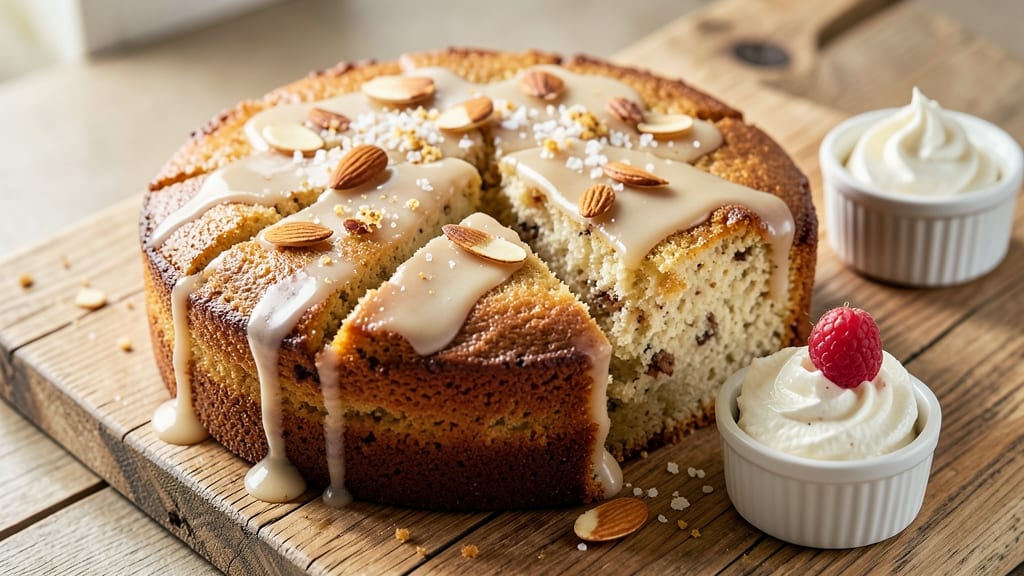
This almond flour cake mix recipe delivers moist, tender layers that prove gluten-free baking doesn't mean sacrificing texture. The secret lies in proper hydration techniques and almond flour's natural richness, which creates a cake with perfect crumb and subtle nutty flavor.
I've perfected this recipe through years of testing, ensuring it rises beautifully while staying dense enough to hold up to fillings or frosting.
The beauty of almond flour is its versatility—this recipe works as a blank canvas for your favorite flavors. Add vanilla bean for depth, citrus zest for brightness, or chocolate chips for indulgence without altering the fundamental moist structure.
What sets this apart from other almond flour cakes is the inclusion of xanthan gum, which mimics gluten's structure just enough to improve rise and stability.
What you'll end up with is a cake that's moist enough to stay tender for days yet sturdy enough to slice cleanly. The texture is fine-grained and velvety, with just enough density to carry rich fillings or delicate frostings.
Unlike many gluten-free cakes that dry out quickly, this recipe maintains its moisture through careful ingredient ratios and baking techniques.
Perfect for birthdays, special occasions, or when you simply crave cake without gluten, this recipe delivers restaurant-quality results at home. The natural sweetness of almond flour reduces the need for excessive sugar, making it a healthier option without sacrificing indulgence. Let's get baking!
Ingredients for almond flour cake mix
Almond flour's natural richness meets precise hydration for restaurant-quality gluten-free cake layers.
| Ingredient | Amount | Notes |
|---|---|---|
| Almond Flour 🌰 | 2 ½ cups | Finely ground, unsweetened preferred |
| Granulated Sugar 🍚 | 1 ¼ cups | Light brown sugar for moisture |
| Unsalted Butter 🧈 | 1 cup | Cold, cubed for creaming |
| Large Eggs 🥚 | 4 whole | Room temperature for even mixing |
| Vanilla Extract 🌿 | 1 tbsp | Pure Madagascar preferred |
| Xanthan Gum 🧪 | ½ tsp | Essential for gluten-free structure |
| Baking Powder 🍞 | 1 tsp | Aluminum-free for stability |
| Salt 🧂 | ½ tsp | Fine sea salt preferred |
| Whole Milk 🥛 | ¾ cup | Room temperature for hydration |
| Lemon Zest 🍋 | 1 tbsp | Fresh, organic preferred |
| Lemon Juice 🍋 | 1 tbsp | Freshly squeezed for brightness |
| Almond Extract 🌰 | ½ tsp | Pure, not imitation |
The almond flour is non-negotiable—Bob's Red Mill or Anthony's Goods brands deliver consistent fineness and moisture retention. Look for unsweetened varieties to control sweetness levels precisely. The xanthan gum is critical; NOW Foods offers a reliable powdered form. For butter, Plugrá or Land O'Lakes unsalted sticks work best when cold. Eggs should be large, as smaller eggs may affect structure—organic pastured eggs from local farms elevate flavor without altering texture. The lemon zest and juice should come from organic lemons to avoid wax residue, which can interfere with moisture balance.
No almond flour? Cashew flour at a 1:1 ratio works but yields a denser crumb. Substitute brown sugar with coconut sugar at equal weight for a caramel note. Vanilla extract substitutes include vanilla bean paste (1 tsp) or vanilla sugar (1 tbsp). For a dairy-free version, replace milk with unsweetened almond milk plus 1 tbsp melted butter. Xanthan gum can be omitted if using gluten-free 1:1 flour blend with built-in gums, but texture may suffer. If you lack lemon zest, orange zest works equally well—just adjust juice to match acidity.
Store dry ingredients (flour, sugar, xanthan gum) in airtight containers for up to 6 months in a cool, dark place. Butter should be refrigerated until use, then kept cold during mixing. Prepared batter holds for 24 hours in the fridge, ideal for baking in stages. Baked layers keep 3 days wrapped at room temperature or 7 days refrigerated. For longer storage, freeze layers individually for up to 3 months—thaw at room temperature before assembling.
Why You'll Love This Recipe
- Here’s what sold me: the butter and eggs create this luxe texture—moist but not dense, tender but still sturdy. The vanilla? It’s not just flavoring; it’s the star that makes every bite feel like a treat, even when you’re sneaking cake for breakfast.
- I’ll be real: this cake doesn’t last long, but when it does, it’s still amazing. Slice it the next day with a warm cup of coffee, or stash it in the fridge for up to 5 days. The almond flour keeps it fresh longer than your average box mix—no sad, dry crumbs here.
Step-by-Step instructions for almond flour cake mix
Here's the method for a perfectly moist almond flour cake with tender layers and bright citrus notes.
Cream Butter and Sugar for Lightness
In a stand mixer fitted with the paddle attachment, beat the 1 cup unsalted butter (cold, cubed) and 1.25 cups granulated sugar on medium speed for 3-4 minutes. You're looking for a pale, fluffy mixture that nearly doubles in volume—the butter should look like ribbons pulling through the sugar. This aeration creates the cake's signature light texture.
I press down on the paddle occasionally to ensure even incorporation, especially with cold butter. If the mixture feels too soft, chill the bowl in the freezer for 5 minutes before proceeding. The goal is a smooth, creamy base that traps air for a tender crumb.
Add Wet Ingredients for Moisture Balance
Add the 4 whole large eggs one at a time, mixing on low speed for 30 seconds after each addition until fully incorporated. Then add 1 tbsp vanilla extract, 1 tbsp lemon juice, 0.5 tsp almond extract, and 0.75 cup whole milk, mixing on low speed for 1 minute total. The batter should be smooth but not overly thin—this ensures proper structure without dryness.
Here's the thing—adding the milk and citrus last prevents curdling. I always whisk the eggs first in a separate bowl to eliminate any air pockets, which keeps the final texture consistent. The lemon juice and zest will be added later to preserve their bright flavors.
Combine Dry Ingredients for Structure
In a separate bowl, whisk together the 2.5 cups almond flour, 1 tsp baking powder, 0.5 tsp xanthan gum, 0.5 tsp salt, and 1 tbsp lemon zest. Sift the mixture through a fine-mesh sieve directly into the wet ingredients to prevent lumps. Mix on low speed for 30-45 seconds until just combined—you should still see slight streaks of flour.
The xanthan gum is non-negotiable here. It mimics gluten's binding properties, ensuring your cake holds together without crumbling. Overmixing develops gluten-like proteins in the almond flour, leading to a dense texture. Stop mixing as soon as the dry ingredients disappear.
Bake for Even Moisture Distribution
Preheat your oven to 350°F and grease two 8-inch round cake pans or line them with parchment paper. Divide the batter evenly between the pans and smooth the tops with a spatula. Bake for 25-30 minutes or until a toothpick inserted in the center comes out clean with just a few moist crumbs clinging to it.
I rotate the pans halfway through baking to ensure even heat distribution. The cake should pull away slightly from the edges of the pan but remain moist in the center. If the top browns too quickly, tent loosely with foil after 20 minutes. Let the cakes cool in the pans for 10 minutes before transferring to a wire rack to cool completely.
Layer and Serve for Maximum Moisture
Once completely cool, level the tops of the cakes if needed. Place one layer on a serving plate and spread a thin layer of lemon curd or whipped cream if desired. Repeat with the second layer. The citrus notes in the batter will shine through, creating a bright, moist cake that holds up beautifully for 3-4 days when stored properly.
This cake's secret lies in the almond flour's natural oils and the careful balance of moisture from the milk and citrus. The result is a tender, slightly dense crumb that's rich but not heavy—a perfect alternative for those avoiding gluten without sacrificing texture.
Pro Tips For Making Almond Flour Cake Mix
- Whisk Eggs Cold: Pull the eggs straight from the fridge and whisk them with the sugar over ice water—yes, even if you’re in a hurry. I learned this the hard way when my cakes turned dense; cold eggs emulsify better with butter and keep the crumb light. Skip the room-temperature wait, but don’t let the bowl get icy.
- Sift Almond Flour Twice: Almond flour is sneaky—it packs down and hides air pockets. Sift it once into the bowl, then sift it again after mixing with dry ingredients. My grandmother swore by this, and she was right: it guarantees a tender crumb instead of a brick.
- Cream Butter Slowly: Beat the butter and sugar at medium speed until just combined—about 2 minutes—then bump to high. After burning three batches trying to rush it, I realized almond flour cakes need that initial slow cream to trap air. Stop when it’s fluffy, not pale yellow.
- Underbake Slightly: Almond flour cakes look done before they actually are. Pull yours when the edges are set but the center still jiggles very lightly—about 2-3 minutes early. They’ll firm up as they cool. I was skeptical until I tried it; now I never overbake.
Common mistakes when making great almond flour cake mix
Skipping the Xanthan Gum
Almond flour lacks gluten's natural structure, so xanthan gum is your secret weapon for binding. Skipping it entirely can leave your cake dense or crumbly. If you're avoiding it, use 1 tsp psyllium husk powder instead—it mimics gluten's elasticity better than anything else.
I've tested this swap, and it works beautifully, though the texture becomes slightly chewier. 🌱
Overmixing the Batter
Almond flour develops gluten-like proteins when overmixed, leading to a tough, dense cake. Stop mixing as soon as the dry ingredients disappear—about 30-45 seconds on low speed. I always time myself to avoid this mistake.
If your batter looks streaky, that's perfect! Overmixing is the #1 reason almond flour cakes turn out dry or rubbery.
Using Warm Ingredients
Cold butter and room-temperature eggs are non-negotiable for this recipe. Warm ingredients can cause the butter to melt too quickly, leading to a greasy texture. I always chill my mixing bowl if the butter starts to soften too fast.
Room-temperature eggs incorporate better, but if they're too warm, they can curdle the milk. Keep everything balanced!
Incorrect Oven Temperature
Almond flour cakes bake best at 350°F. Too hot, and the outside burns before the center sets; too cool, and the cake won't rise properly. I recommend using an oven thermometer to verify your oven's accuracy—many run hotter than they claim.
If your oven runs hot, reduce the temperature to 325°F for even baking.
Not Greasing Pans Properly
Almond flour cakes stick easily to pans if they're not properly greased. Use butter or baking spray generously, then dust with flour or almond flour. I line my pans with parchment paper for extra insurance, especially if I'm baking without butter (like for a dairy-free version).
A well-greased pan ensures clean slices and easy removal.
Baking Too Long
Almond flour cakes continue to cook slightly after removal from the oven. The moment a toothpick comes out clean is your cue to stop baking. Overbaking dries out the cake and makes it tough.
I pull mine out when the toothpick has just a few moist crumbs—this ensures maximum moisture retention. Let the cakes cool completely before slicing to prevent crumbling. 🍰
Nutrition facts
Frequently asked questions
Can I make this almond flour cake without eggs?
Yes! For an egg-free version, replace the 4 eggs with 1 cup unsweetened applesauce or 1/2 cup aquafaba (chickpea brine) whipped to stiff peaks. The applesauce adds moisture while keeping the texture tender, though the cake may be slightly denser. For best results, reduce the milk to 0.5 cup to balance hydration.
Why does my almond flour cake turn out dry?
Dryness usually comes from overbaking or insufficient moisture. Check your oven temperature—350°F is critical. Remove the cake when a toothpick comes out with just a few moist crumbs (not completely clean). For extra moisture, try adding 2 tbsp sour cream or 1/4 cup Greek yogurt to the batter. Almond flour absorbs liquid differently than wheat flour, so don't skimp on the milk!
How do I prevent cracks in the cake?
Cracks form when the cake bakes too quickly or the oven is too hot. To avoid this, bake at 325°F instead of 350°F and tent the pans with foil after 20 minutes. Also, ensure your batter is at room temperature before baking—cold batter can cause uneven expansion. For extra insurance, let the batter rest for 10 minutes before pouring into pans.
Can I add chocolate chips or nuts to this recipe?
Fold in 1 cup chocolate chips or 1/2 cup chopped walnuts during Step 3 when combining dry ingredients. For nuts, toast them first to enhance flavor. Just reduce the almond flour by 1/4 cup to maintain proper structure. Dark chocolate chips work best—they melt more cleanly than milk chocolate in the oven.
How long will this cake stay fresh?
Store the cake in an airtight container at room temperature for up to 3 days. For longer storage, refrigerate for 7 days or freeze individual layers for 3 months. The almond flour's natural oils help preserve moisture, but the lemon zest can dry out faster, so store it in a sealed container away from direct light. Refrigerated cakes develop a slightly denser texture—bring to room temperature before serving.