
Desserts
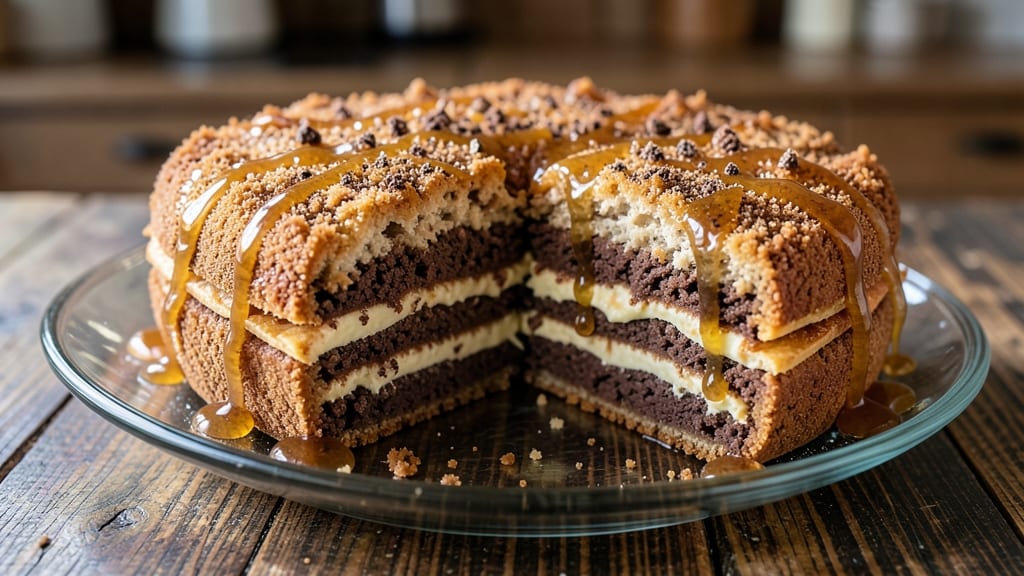
This Australian rock cake recipe delivers layers of boozy caramelized richness with a signature buttery crunch that makes it impossible to resist. 🔥 The secret lies in its dense, moist texture—achieved through precise baking techniques and a touch of alcohol that enhances the caramelization without overpowering the flavor.
What sets this apart is the balance: tender yet slightly crumbly layers that hold up perfectly when sliced, making it ideal for sharing (or not). The recipe starts with a simple yet foolproof batter that relies on brown sugar for deep caramel notes and butter for that iconic crunch.
A splash of rum or whiskey (don’t skip this!) infuses warmth and depth, while baking at 350°F ensures even caramelization without burning. The result? A cake that’s rich, moist, and just sweet enough—with a texture that’s neither too heavy nor too delicate.
What makes this recipe truly special is its versatility. Serve it warm with a dusting of powdered sugar and a cup of Earl Grey tea for the full Australian experience, or enjoy it cold with a scoop of vanilla ice cream.
The layers hold together beautifully, so you can slice it thick or thin—no crumbling here. For an extra touch, fold in dried apricots or orange zest into the batter for a fruity twist. Mastering this cake is about patience and precision, but the payoff is worth it.
Whether you’re baking for a gathering or treating yourself, this rock cake delivers the perfect blend of indulgence and comfort. Let’s get started on creating something truly memorable.
Ingredients for australian rock cake
Precision-crafted ingredients for a rock cake with signature caramelized layers and buttery crunch.
| Ingredient | Amount | Notes |
|---|---|---|
| Unsalted Butter 🧈 | 1 ½ cups | Cold, cubed for even distribution |
| Light Brown Sugar 🍚 | 2 cups | Packed firmly for accurate measure |
| All-Purpose Flour 🌾 | 2 ½ cups | Sifted for optimal texture |
| Dark Brown Sugar 🍚 | 1 ½ cups | Packed firmly for caramel depth |
| Large Eggs 🥚 | 4 whole | Room temperature for even mixing |
| Dark Rum or Whiskey 🍹 | ½ cup | Aged 3+ years for depth |
| Baking Powder 🍞 | 2 tsp | Aluminum-free for stability |
| Salt 🧂 | 1 tsp | Fine sea salt preferred |
| Vanilla Extract 🌿 | 1 tbsp | Pure Madagascar preferred |
| Powdered Sugar 🍚 | 1 cup | For dusting finished cake |
| Dried Apricots (optional) 🍑 | ½ cup | Chopped fine for texture |
| Orange Zest (optional) 🍊 | 1 tbsp | Freshly grated for brightness |
The butter and sugars form the cake's signature texture—European-style unsalted butter (like Plugrá or Kerrygold) adds richness, while the light and dark brown sugars create that perfect caramelized crunch. For the best results, use superfine sugar if available, but regular brown sugar works too. The rum or whiskey should be aged at least 3 years—avoid cooking liquor, as it lacks depth. If you can't find dark rum, bourbon works equally well. Flour matters here too: King Arthur or Gold Medal brands yield the best texture. Keep all dry ingredients in airtight containers to maintain freshness.
No rum? Substitute with apple cider or extra vanilla extract for a non-alcoholic version, though the boozy depth will be lost. For a fruitier twist, swap the optional apricots for dried figs or cranberries. The orange zest can be omitted if you prefer a purer caramel flavor, but it adds a lovely brightness that complements the boozy notes. If your recipe calls for sifting the flour, do it—this prevents dense layers. For an extra touch, fold in 1/4 cup toasted pecans for crunch. The vanilla extract should be pure Madagascar bourbon for the best flavor, but imitation works in a pinch.
Store the cake in an airtight container at room temperature for up to 5 days, though it's best enjoyed within 2-3 days for optimal texture. If you need to store longer, wrap tightly in plastic and refrigerate for up to 1 week. The cake freezes beautifully for up to 3 months—slice before freezing for easy serving. To revive, let it sit at room temperature for 10 minutes before serving. For serving, dust generously with powdered sugar and pair with Earl Grey tea or a scoop of vanilla ice cream for the full Australian experience.
Why You'll Love This Recipe
- You’re already using staples: butter, sugar, flour, eggs. No specialty ingredients, no last-minute grocery runs. And leftovers? They last forever—if they survive that long. (Between us, they rarely do.)
- No Mixer Needed: I swear by this—just cream butter and sugars with a wooden spoon until it’s almost fluffy, then fold in dry ingredients. That’s it. No stand mixer, no fuss, and honestly? The texture comes out richer for it.
- Buttery Caramel Crunch: The double brown sugar combo gives it this insane contrast—crispy edges that shatter like a rock, but a moist, almost fudgy center. (Yes, even my kids fight over the last slice.)
- Party in a Tin: Bake it once, serve it all week. It’s the ultimate dessert for birthdays, BBQs, or just because—cut into squares, cubes, or even a whole slab with ice cream. My husband’s favorite? The "rock cake s’mores" he makes in the oven.
Step-by-step instructions for Australian rock cake
Master this classic with precise technique—rich layers, caramelized edges, and boozy depth await.
👨🍳 Step 1: Cream Butter and Sugars for Maximum Flavor
In a stand mixer fitted with the paddle attachment, combine the 1.5 cups unsalted butter (cold, cubed) with the 2 cups light brown sugar and 1.5 cups dark brown sugar. Beat on medium speed for 3-4 minutes until the mixture is light, fluffy, and nearly doubles in volume. You're looking for a ribbon stage where the batter holds soft peaks when the paddle is lifted.
This step is non-negotiable for texture—properly creamed butter incorporates air, creating that signature tender crumb. I press down on the paddle occasionally to ensure even distribution of the cold butter cubes. If the mixture feels grainy, it's okay—just keep beating until smooth. The dark rum or whiskey (0.5 cup) goes in next, mixed on low speed for 30 seconds to distribute its warmth evenly without overworking the batter.
👨🍳 Step 2: Incorporate Eggs and Aromatics
Add the 4 whole large eggs one at a time, mixing on low speed for 15 seconds after each addition until fully incorporated. The batter will appear slightly curdled at first, but don't panic—this resolves when you add the dry ingredients. Stir in the 1 tbsp vanilla extract and, if using, the 1 tbsp orange zest and 0.5 cup chopped dried apricots by hand with a silicone spatula.
Here's the thing—room-temperature eggs are crucial. Cold eggs can cause the butter to seize up. If your eggs aren't at room temperature, let them sit in warm water for 5 minutes before adding. The orange zest adds a subtle citrus brightness that cuts through the richness, while the apricots provide a chewy contrast. Fold gently to avoid deflating the air you've just incorporated.
🍳 Step 3: Combine Dry Ingredients for Perfect Texture
In a separate bowl, whisk together the 2.5 cups all-purpose flour, 2 tsp baking powder, and 1 tsp salt. Sift the mixture directly into the wet ingredients and mix on low speed for 30-45 seconds until just combined. Overmixing develops gluten, resulting in a tough cake. You should still see small flour streaks when you lift the paddle.
The key here is patience. Stop mixing as soon as the flour disappears—this ensures a tender, moist crumb. If you're using the optional dried apricots, make sure they're finely chopped so they distribute evenly throughout the batter. The batter will be thick but pourable, with a consistency similar to heavy pudding.
🥘 Step 4: Layer and Bake for Caramelized Perfection
Preheat your oven to 350°F and grease two 9-inch round cake pans generously with butter. Divide the batter evenly between the pans. Bake for 25-30 minutes until a toothpick inserted in the center comes out with a few moist crumbs (not wet batter). The edges should be deep golden brown with a caramelized crust—this is what gives rock cake its signature texture.
Don't overbake. The cake continues cooking as it cools, and you want that center to remain tender. I like to rotate the pans halfway through baking for even heat distribution. If the tops brown too quickly, tent loosely with foil. The cake should spring back slowly when pressed gently in the center.
🔪 Step 5: Layer, Dust, and Serve
Allow the cakes to cool in their pans for 10 minutes, then invert onto wire racks to cool completely. Once fully cooled, level the tops if needed with a serrated knife. Place one cake layer on a serving plate and spread a thin layer of 1 cup powdered sugar mixed with 1-2 tablespoons of the reserved rum or whiskey (about 1 tbsp) to create a light glaze.
Layer the second cake on top and dust the entire surface generously with the remaining powdered sugar. The sugar dusting creates that iconic "rock" texture while adding sweetness. Serve slices immediately for the best texture—this cake is best enjoyed fresh from the oven when the layers are at their most tender. For extra drama, garnish with additional orange zest or a drizzle of caramel.
Pro Tips For Making Australian Rock Cake
- Cream Butter Slowly: Beat the butter and sugars together at medium speed for at least 3-4 minutes—until the mixture is pale and fluffy, not just combined. I used to rush this, and the cake turned out dense. Take the extra time; the texture makes all the difference.
- Sift That Flour: Sift the flour (and baking powder, if using) directly into the butter mixture in thirds, starting and ending with flour. This keeps the batter light and prevents lumps. I learned this after a batch turned out gummy—don’t skip it.
- Don’t Overmix the Batter: Mix just until the flour disappears—about 10-12 strokes with a spatula. Overmixing gluten develops, and the cake gets tough. I’ve ruined batches by going overboard; trust your eyes, not your arm.
- Bake Until Cool: Let the cake cool in the pan for 10 minutes, then transfer to a wire rack to finish cooling completely. Cutting it too soon makes it crumbly. Patience here saves you from a sad, messy slice.
Flavor customization for this dish
Boozy Depth Variations
Swap the dark rum for bourbon to add a vanilla-forward warmth that pairs beautifully with the caramel notes. For a non-alcoholic twist, replace the 0.5 cup rum with 1/2 cup apple cider or 1/4 cup orange juice—though the boozy depth will be lost, the citrus brightness remains.
I’ve also experimented with espresso powder (1 tsp) mixed into the dry ingredients for a mocha-inspired rock cake that’s perfect with a dollop of whipped cream. 🍹
Fruit and Nut Add-Ins
Fold in 1/2 cup chopped dried figs or 1/4 cup toasted pecans for texture contrast. The figs add a jammy sweetness that complements the caramel, while pecans bring a buttery crunch.
For a tropical vibe, use 1/2 cup chopped dried pineapple and 1 tbsp lime zest—the acidity cuts through the richness. Always chop dried fruit finely to avoid dense pockets in the cake.
Spiced Twists
Infuse warmth with 1 tsp cinnamon or 1/2 tsp nutmeg in the dry ingredients for a spiced rock cake. A pinch of cardamom (1/4 tsp) adds an exotic note that pairs surprisingly well with the rum.
For a chai-inspired version, mix 1/2 tsp ginger and 1/4 tsp cloves into the batter. These spices deepen the flavor without overpowering the caramelized edges.
Citrus Zest Boosts
Brighten the cake with 1 tbsp lemon zest or 1 tbsp lime zest alongside the orange zest. The combination creates a zesty contrast that balances the richness. For a bold twist, use 1 tbsp grapefruit zest—its bitterness adds complexity.
Always use fresh zest for maximum flavor, and avoid the pith to prevent bitterness. 🍊
Coffee or Tea Infusions
Enhance the cake with 1 tbsp instant espresso powder (mixed into the dry ingredients) for a mocha rock cake. For a tea-inspired version, steep 2 Earl Grey tea bags in 1/4 cup hot water, let cool, and add to the wet ingredients.
The floral notes of Earl Grey elevate the rum’s warmth. Both infusions work best when added after creaming the butter and sugars.
Nutrition facts
Frequently asked questions
Why is this cake called a "rock cake"?
The name comes from its dense, almost rocky texture when sliced—like a solid block of caramelized goodness. The high butter and brown sugar content creates that signature crunchy exterior while keeping the inside moist. Traditional Australian rock cakes were often made with minimal ingredients during wartime, giving them this distinctive, sturdy texture.
Can I make this in a single layer instead of two?
Use a 9x13-inch pan and bake for 35-40 minutes at 350°F. The baking time will be slightly longer, but the texture remains the same. For a single layer, reduce the powdered sugar to 3/4 cup and dust the top generously after baking. This works great for smaller gatherings or when you prefer larger slices.
What's the secret to getting the caramelized edges?
Bake at 350°F with the oven rack positioned in the middle. The brown sugar's moisture helps create caramelization, but don't overbake—edges should be golden brown with just a hint of crispness (25-30 minutes total). For extra caramelization, brush the edges with melted butter halfway through baking. Avoid opening the oven door too early, as this disrupts heat circulation.
How do I store leftovers without drying them out?
Wrap tightly in plastic wrap, then place in an airtight container. Store at room temperature for 3-4 days or refrigerate for up to 7 days. For longer storage, slice the cake and freeze individual portions for up to 3 months. To revive, let slices sit at room temperature for 10 minutes before serving. The powdered sugar dusting helps preserve moisture.
Can I substitute the rum with something else?
Yes! Use bourbon for vanilla notes or apple cider for a non-alcoholic version. For depth without alcohol, try 1 tbsp molasses or 1/4 cup orange juice. Just remember that alcohol enhances the caramelization process—substitutes may slightly alter the texture. If using citrus juice, reduce other liquids slightly to maintain the batter's consistency.