
Desserts
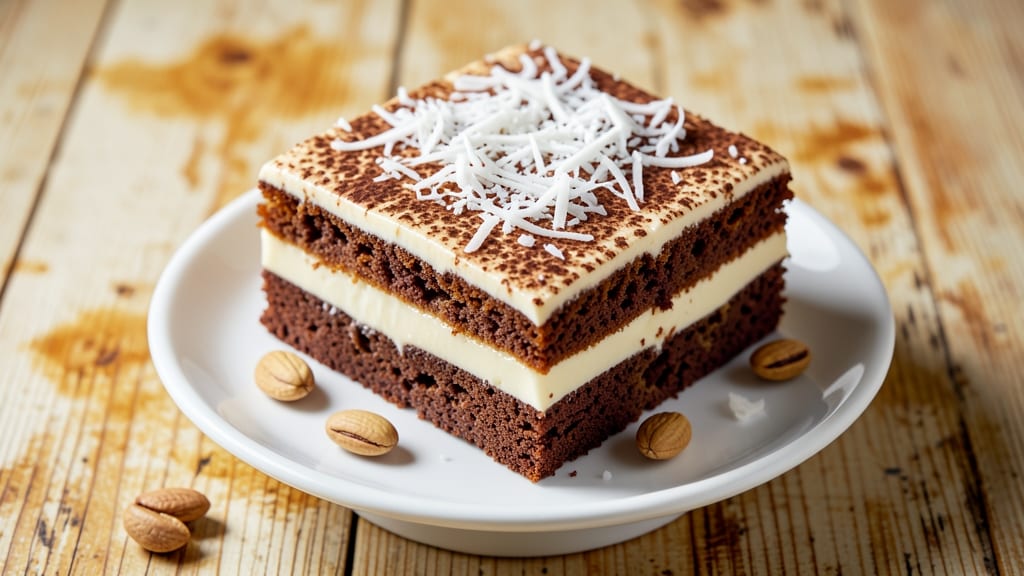
This Australian lamington cake recipe delivers the iconic combination of tender vanilla sponge and rich chocolate-coconut coating that's been beloved for generations. The secret lies in a perfectly balanced sponge—light enough to soak up the syrup yet sturdy enough to hold its shape when coated.
I've perfected this recipe over years of baking, ensuring every bite delivers that signature crunch from the coconut followed by moist, flavorful cake beneath.
The process begins with baking a simple vanilla sponge cake, then slicing it into squares for easy handling. What sets this recipe apart is the homemade chocolate-coconut coating—melted chocolate and desiccated coconut create a glossy, crackly exterior that clings perfectly to each piece.
The cake absorbs the syrup during chilling, resulting in that signature moist texture Australians know and love.
What makes these lamingtons truly special is their versatility—serve them as elegant finger food for parties, pack them for lunches, or enjoy them as a nostalgic treat. The combination of vanilla, chocolate, and coconut creates a flavor profile that's both comforting and sophisticated.
With just a few simple ingredients and careful technique, you'll achieve professional-quality results that taste like a trip to an Australian bakery.
For best results, allow the coated lamingtons to chill for at least 2 hours before serving, which ensures the coating sets properly and creates that perfect crackly texture.
The recipe scales beautifully, making it ideal for gatherings or meal prep. Let's create these classic Australian treats that bring a taste of Down Under to your kitchen.
Ingredients for australian lamington cake
Twelve essential ingredients transform into iconic Australian lamingtons with signature coconut-chocolate crunch.
| Ingredient | Amount | Notes |
|---|---|---|
| All-Purpose Flour 🌾 | 2 ½ cups | Sifted for light texture |
| Unsalted Butter 🧈 | 1 cup | Cold, cubed for creaming |
| Granulated Sugar 🍚 | 2 cups | Superfine preferred for smoothness |
| Large Eggs 🥚 | 4 whole | Room temperature for even mixing |
| Vanilla Extract 🌿 | 2 tsp | Pure Madagascar preferred |
| Baking Powder 🧂 | 2 tsp | Diamond Crystal preferred |
| Salt 🧂 | ½ tsp | Fine sea salt preferred |
| Milk 🥛 | ½ cup | Whole milk for richness |
| Dark Chocolate Bars 🍫 | 12 oz | 70% cocoa, chopped fine |
| Desiccated Coconut 🥥 | 3 cups | Toasted lightly for enhanced flavor |
| Powdered Sugar 🍚 | 1 cup | For dusting finished lamingtons |
| Coconut Oil 🫒 | 2 tbsp | For coating consistency |
| White Chocolate Chips 🍫 | ½ cup | Optional for decorative accents |
The foundation begins with all-purpose flour—King Arthur or Gold Medal brands yield the best texture for this delicate sponge. For the butter, Plugrá or Land O'Lakes work exceptionally well when cold, ensuring proper creaming. Superfine sugar (like Domino brand) dissolves more smoothly, preventing graininess in the final cake. The vanilla extract should be pure Madagascar—McCormick or Nielsen-Massey brands deliver authentic flavor. Diamond Crystal baking powder is preferred here as it's double-acting, ensuring proper rise. For the milk, whole milk provides richness, though half-and-half can be substituted for extra decadence. Wilton or Guittard chocolate bars at 70% cocoa offer the perfect balance of bitterness and sweetness for the coating.
No desiccated coconut on hand? Shredded coconut toasted in a dry pan works beautifully—just pulse it finely in a food processor. The powdered sugar coating can be replaced with confectioners' sugar if unavailable, though it may not adhere as perfectly. For a vegan adaptation, substitute coconut oil for butter and use flax eggs (1 tbsp ground flaxseed + 3 tbsp water per egg). The white chocolate chips are optional but add a sophisticated touch—Guittard or Ghirardelli brands melt smoothly. If you prefer a darker coating, increase the dark chocolate to 14 oz and reduce coconut to 2.5 cups. The coconut oil ensures the coating sets with a glossy finish, so don't skip it if you want that signature crackly texture.
Store the uncoated cake in an airtight container for up to 3 days at room temperature, though it's best enjoyed fresh. The coated lamingtons keep for 5 days in the fridge but develop their best texture after 24 hours of chilling. For longer storage, freeze the uncoated cake slices for up to 3 months—thaw at room temperature before coating. The chocolate-coconut mixture can be prepped 2 days ahead and stored in the fridge, reheating gently before use. Portion the coated lamingtons into single servings for easy transport, making them perfect for parties or lunches.
Why You'll Love This Recipe
- No-Fuss Foundation: I swear by this sponge—just butter, sugar, and eggs whipped into clouds of flour. No fancy techniques, no stress, and the result? A cake so light it practically melts in your mouth.
- Coconut Magic: That first dip in coconut? Chef’s kiss. The buttery vanilla sponge soaks up the sweetness like a dream, and the chocolate coating ties it all together. It’s the kind of dessert that makes you close your eyes mid-bite.
- Party-Proof Perfection: Birthdays, picnics, or just because—this cake handles any occasion. Cut into squares, stack them high, or serve as finger food. My kids beg for it at school events, and honestly? So do I.
- Leftovers? Best Part: The sponge stays moist for days, and the coconut-chocolate combo only gets better after sitting. I often bake two and freeze one—because nothing beats pulling a cold lamington from the fridge when cravings hit.
Step-by-step instructions for Australian lamington cake
Master the classic technique for a perfectly moist vanilla sponge and flawless coconut coating.
Cream Butter and Sugar to Light and Fluffy
In a stand mixer fitted with the paddle attachment, beat the 1 cup unsalted butter and 2 cups granulated sugar on medium speed for 5-7 minutes until the mixture is pale, thick, and nearly doubles in volume. You'll see ribbons form when you lift the paddle—they should hold their shape for a moment before melting back into the mixture.
This creaming process incorporates air, which creates the signature light texture of Australian lamingtons. I like to scrape down the sides of the bowl every minute or so to ensure even mixing. If using superfine sugar, the process will be slightly quicker—just watch for that pale color and ribbon stage. The butter should be completely smooth with no graininess remaining.
Incorporate Eggs and Wet Ingredients
Add the 4 whole large eggs, 1 at a time, mixing on low speed for 30 seconds after each addition until fully incorporated. Then add the 2 teaspoons vanilla extract and mix for another 15 seconds. The mixture will look slightly curdled at first, but don't worry—this will resolve when we add the dry ingredients.
Next, add the 0.5 cup milk and mix on low speed for 30 seconds until smooth. Here's where it gets important: the batter should be thick but pourable—like heavy pudding. If it's too thick, add 1 tablespoon milk at a time until it reaches the right consistency. If too thin, add 1 tablespoon all-purpose flour until it thickens slightly. This balance is crucial for that perfect rise and tender crumb.
Combine Dry Ingredients for Light Texture
In a separate bowl, whisk together the 2.5 cups all-purpose flour, 2 teaspoons baking powder, and 0.5 teaspoon salt. Sift this mixture directly into the wet ingredients while mixing on low speed. Mix just until combined—you should still see small flour streaks. Overmixing develops gluten and makes the cake dense.
Stop mixing immediately when the dry ingredients disappear. The batter should be smooth and slightly thick. Fold in the 12 ounces finely chopped dark chocolate bars by hand using a silicone spatula, ensuring even distribution throughout. The chocolate should be melted and incorporated completely—this prevents dry spots in your cake. If the batter feels too warm, chill it for 15 minutes before proceeding to prevent overmixing when you add it to the pan.
Bake the Sponge to Golden Perfection
Preheat your oven to 350°F. Grease a 9x13-inch baking pan with 2 tablespoons coconut oil (or line with parchment paper for easy removal). Pour the batter into the prepared pan and smooth the top with a spatula. Bake for 30-35 minutes until a toothpick inserted into the center comes out clean and the edges are golden brown.
Here's the thing about lamingtons—they're best when baked just until set. If you overbake, the sponge becomes dry and crumbly, making it impossible to coat properly. I like to check at the 25-minute mark—if the top springs back slowly when touched, it's ready. Remove from the oven and let cool in the pan for 10 minutes, then transfer to a wire rack to cool completely before cutting.
Prepare the Coconut Coating Mixture
In a large bowl, mix together the 3 cups desiccated coconut, 1 cup powdered sugar, and 0.5 cup white chocolate chips (if using). Melt the 2 tablespoons coconut oil in a small microwave-safe bowl in 30-second intervals, stirring between each, until completely liquid. Pour the melted coconut oil over the coconut mixture and toss gently with your hands until the coconut is evenly coated and the mixture resembles wet sand.
The texture is crucial here—it should hold together when pressed but still be loose enough to coat the cake pieces evenly. If it's too dry, add 1 teaspoon milk at a time until it reaches the right consistency. This mixture is what gives lamingtons their signature texture and flavor. Spread the coated coconut onto a parchment-lined baking sheet for easy cleanup.
Cut, Coat, and Dust for Final Presentation
Once the cake is completely cool, cut it into 12 equal squares (about 2x2 inches each). Working quickly, dip each piece into the coconut mixture, pressing gently to ensure full coverage. Place the coated lamingtons on the prepared baking sheet and let them sit for 5 minutes to set.
Finally, dust each lamington generously with powdered sugar using a fine-mesh sieve. This step adds that classic finishing touch and prevents the coconut from sticking together. Serve immediately or store in an airtight container for up to 3 days. The contrast of the warm vanilla sponge and the cool, sweet coconut coating is what makes these lamingtons truly special.
Pro Tips For Making Australian Lamington Cake
- Cream Butter Properly: Beat the butter and sugar until it’s pale and fluffy—about 3-5 minutes. I learned this the hard way: skipping this step means your cake will taste flat and dense, no matter how much vanilla you add. Use a stand mixer on medium-high for even air incorporation.
- Sift Flour Twice: Sift the flour before measuring, then sift it again into the bowl. This prevents lumps and ensures even distribution, which keeps the crumb light. (Yes, it’s extra work, but your cake will thank you—especially when rolling the lamington later.)
- Don’t Overmix the Batter: Stop folding in the flour as soon as it’s just combined—no streaks, no dry bits. Overmixing develops gluten, and your cake will turn out tough instead of tender. Think "damp crumbs" over "dough."
- Cool Completely Before Rolling: Let the cake sit in the pan for 10 minutes after baking, then transfer to a wire rack to cool fully before cutting. Icing cold cake is a recipe for messy, uneven layers—trust me, I’ve cried over this before. Patience here = professional results.
Wine and beer pairings for this dish
Sweet Wine Pairings
A Moscato d'Asti from Italy is my go-to pairing for lamingtons—its light, effervescent sweetness mirrors the coconut's tropical notes while balancing the richness of the chocolate. Look for Saracco or Mionetto brands, which offer just the right level of floral and citrus undertones that complement the vanilla sponge.
Serve slightly chilled (45-50°F) to enhance the dessert's creamy texture. 🍷
For a more robust option, try a Riesling from the Clare Valley in Australia—its honeyed sweetness and subtle acidity cut through the coconut's fat while enhancing the cake's vanilla flavors. I recommend Pewsey Vale or Grosset Polish Hill vintages, which provide excellent balance without overpowering the delicate dessert.
Creamy Dessert Wines
If you prefer a richer wine, Sauternes from Bordeaux offers a luxurious pairing with its caramel and apricot notes that harmonize beautifully with the chocolate coating. The wine's natural sweetness mirrors the lamingtons' own sweetness, creating a delightful symphony of flavors. Serve at 50-55°F to preserve its vibrant fruit characteristics.
For a local Australian option, try a Muscat from Victoria—its luscious grape flavors and slight tartness provide a refreshing contrast to the coconut's sweetness. Brands like Yalumba or Campbells offer excellent quality at reasonable prices, making them perfect for special occasions.
Beer Pairings
A Belgian witbier like Hoegaarden or Stella Artois works surprisingly well with lamingtons, thanks to its citrusy coriander notes and subtle sweetness. The effervescence cleanses the palate between bites, allowing you to fully appreciate each flavor component. Serve at 45-50°F for the best experience.
For a darker option, try a honey ale—brands like Allagash Honey Farmer or Dogfish Head Honey Brown Ale offer a malty sweetness that complements the coconut and chocolate beautifully. The beer's caramel notes enhance the vanilla in the sponge, creating a harmonious flavor profile.
Non-Alcoholic Options
For those who prefer non-alcoholic pairings, a sparkling elderflower lemonade made with Fever-Tree or B Bols syrups provides a refreshing contrast. The floral notes complement the vanilla, while the effervescence enhances the coconut's crunch. Serve over ice with a slice of lemon for garnish.
A coconut milk chai latte made with Davidson's Tea and Starbucks chai concentrate offers a warm, comforting pairing that mirrors the dessert's tropical flavors. The spices in the chai enhance the chocolate and coconut, creating a cohesive flavor experience that's perfect for cozy gatherings.
Nutrition facts
Frequently asked questions
Why does the recipe call for both dark and white chocolate?
The dark chocolate is folded into the sponge base for subtle richness and depth, while the white chocolate chips in the coconut coating add a delicate sweetness and creamy texture contrast. This combination creates the signature layered flavor Australians love—deep chocolate in the cake and smooth white chocolate in the coating.
Can I make lamingtons without desiccated coconut?
Yes! Toast shredded coconut in a dry pan until golden, then pulse it finely in a food processor to mimic desiccated coconut. For extra flavor, add 1 teaspoon coconut extract to the coconut mixture. The texture will be slightly chunkier but still delicious. Just ensure the coconut is completely dry before mixing.
How do I prevent the coconut coating from falling off?
First, ensure your cake is completely cool before cutting and coating. The key is working quickly—dip each piece into the coconut mixture and press gently to adhere. Chill the coated lamingtons for 2 hours before serving to let the coating set properly. For extra hold, lightly brush the cake pieces with melted coconut oil before dipping.
Can I make lamingtons ahead of time?
The uncoated cake can be baked and stored in an airtight container for 3 days at room temperature. The coated lamingtons keep for 5 days in the fridge, though they're best after 24 hours of chilling. For longer storage, freeze the uncoated cake slices for up to 3 months—thaw at room temperature before coating.
What's the best way to cut the cake into perfect squares?
Use a sharp chef's knife and dip it in hot water between cuts to prevent crumbling. For even squares, lightly score the cake with a toothpick at 2-inch intervals before cutting. Press firmly but steadily through the scored lines. A lamington cutter (a round cutter with a handle) can also create perfectly round pieces for a more traditional look.