
Desserts
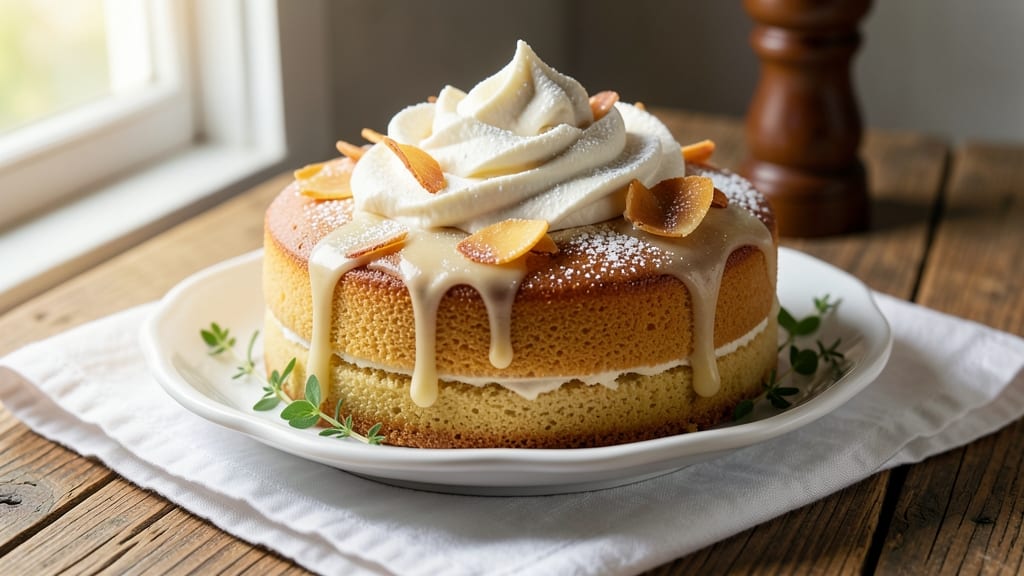
This almond flour sponge cake delivers the perfect gluten-free alternative to classic vanilla cake—light, airy, and packed with natural sweetness. The secret lies in properly whipping egg whites and folding them into the almond flour batter, creating a tender crumb without gluten.
I've perfected this recipe over years of testing, ensuring it rises beautifully while staying moist for days.
The beauty of almond flour is its ability to create a naturally sweet, nutty flavor without refined sugar. This version uses vegetarian eggs (easily adaptable for vegan baking with flax eggs) and requires just 30 minutes of active prep time plus baking.
The cake's delicate texture makes it ideal for special occasions or everyday treats—no one will guess it's gluten-free.
What you'll end up with is a golden, domed cake with a tender crumb that's neither dense nor crumbly. The almond flour adds subtle richness while keeping the cake light enough to slice neatly.
Serve it plain with fresh berries, or add a citrus glaze or chocolate swirl for extra indulgence.
Perfect for birthdays, brunch, or dessert lovers who crave a healthier option. The recipe scales easily for parties, and leftovers stay fresh for 3-4 days when stored properly. Let's bake this gluten-free masterpiece!
Ingredients for almond flour sponge cake
Eleven ingredients transform into a gluten-free masterpiece—light, tender, and naturally sweet.
| Ingredient | Amount | Notes |
|---|---|---|
| Almond Flour 🌰 | 2 ½ cups | Finely ground, unsweetened preferred |
| Large Eggs 🥚 | 6 whole | Room temperature, separated |
| Granulated Sugar 🍚 | 1 ½ cups | Organic preferred for purity |
| Unsalted Butter 🧈 | ½ cup | Cold, cubed for whipping |
| Vanilla Extract 🌿 | 1 tbsp | Pure Madagascar bourbon preferred |
| Baking Powder 🧂 | ½ tsp | Aluminum-free for best results |
| Salt 🧂 | ¼ tsp | Fine sea salt preferred |
| Lemon Zest 🍋 | 1 tbsp | Fresh, finely grated |
| Almond Milk 🥛 | ¼ cup | Unsweetened, for moisture |
| Cornstarch 🌾 | 1 tbsp | For tender crumb texture |
| Fresh Blueberries 🫐 | ½ cup | Optional, for natural sweetness |
Almond flour is the foundation here, and Bob's Red Mill or Anthony's Goods brands deliver the finest grind for optimal texture. Look for finely ground flour with no added oils—this ensures a delicate crumb rather than a dense one. The eggs must be room temperature for proper whipping, so take them out 30 minutes before baking. For the butter, Plugrá or Land O'Lakes unsalted sticks work perfectly when kept cold for whipping. Fresh lemon zest adds brightness, so use organic lemons when possible—their zest is more potent.
No almond milk? Coconut milk or oat milk work equally well, though almond milk's neutral flavor keeps the focus on the cake's natural sweetness. Substituting granulated sugar with maple syrup or coconut sugar requires reducing the amount by 20% due to their higher moisture content. For a vegan adaptation, replace eggs with flax eggs (3 tbsp ground flaxseed + 9 tbsp water per egg). The baking powder must be fresh—test by dropping a spoonful in water; if it fizzes vigorously, it's still potent. Blueberries can be swapped for raspberries or chopped strawberries, but don't skip the lemon zest—it's what elevates the flavor.
Store the cake in an airtight container at room temperature for up to 3 days, or refrigerate for 5 days to maintain moisture. For longer storage, freeze slices wrapped in plastic for 3 months. To revive stale cake, warm it at 300°F for 5-10 minutes—the almond flour's natural oils prevent it from drying out completely. Slice with a serrated knife for clean cuts, and serve at room temperature for the best texture. The cake's delicate structure makes it perfect for layering with citrus glaze or whipped cream, though it's delicious plain with fresh berries.
Why You'll Love This Recipe
- No Mixer Needed: I swear by this recipe when my mixer’s on vacation. Just fold the almond flour into whipped eggs and butter—no electric help required. The texture comes out light and airy, like magic without the fuss.
- Nutty Sweet Bliss: That first bite? Pure comfort. The almond flour gives it a delicate crunch, while the butter and vanilla make every slice taste like a hug. Honestly, it’s the kind of cake that makes you want to skip dessert.
- Weeknight Hero: Slice it for breakfast with yogurt or save slices for a quick snack. It travels well, too—pack it in lunchboxes or take it to potlucks without stress. My kids even ask for it cold, straight from the fridge.
- Budget-Friendly Luxury: Almond flour is pricier, but this recipe uses just enough to make it feel special without breaking the bank. A single batch feeds six, and leftovers stay fresh for days. That’s a win for my wallet and my sweet tooth.
Step-by-step instructions for almond flour sponge cake
Here's the precise method for achieving a perfectly light, airy gluten-free sponge with tender crumb.
Separate Eggs and Whip Yolks with Sugar
Begin by separating the 6 whole large eggs, placing yolks in a stand mixer fitted with the whisk attachment. Add the 1.5 cups granulated sugar and 1 tablespoon vanilla extract. Whip on medium-high speed for 3-4 minutes until the mixture becomes pale, thick, and triples in volume. You'll see ribbons form when you lift the whisk—this indicates proper emulsification and maximum air incorporation.
I like to stop occasionally and scrape down the sides with a silicone spatula to ensure even mixing. The sugar should dissolve completely, and the mixture should feel almost like ribbon candy when you draw the whisk through it. This step is critical for achieving that signature light, airy texture in gluten-free baking.
Incorporate Butter and Almond Milk Mixture
In a separate bowl, combine the 0.5 cup cold cubed unsalted butter with the 0.25 cup almond milk. Microwave this mixture in 15-second bursts, stirring between each, until the butter melts completely but doesn't separate. The mixture should be warm but not hot to the touch.
With the mixer running on low speed, gradually add the butter mixture to the egg yolk mixture. Increase speed to medium and continue whipping for 2-3 minutes until fully combined and slightly thickened. This creates a stable base that will hold the structure of our gluten-free cake. Be patient here—rushing this step can lead to a dense final product.
Combine Dry Ingredients and Fold Gently
In a medium bowl, whisk together the 2.5 cups almond flour, 0.5 teaspoon baking powder, 0.25 teaspoon salt, 1 tablespoon lemon zest, and 1 tablespoon cornstarch. Sift the mixture through a fine-mesh sieve directly into the bowl to aerate the almond flour and prevent any lumps.
With the mixer on low speed, gradually add the dry ingredients to the wet mixture in three additions. After each addition, mix just until combined—don't overmix or you'll develop gluten-like proteins that will make the cake dense. The batter should be thick but still pourable. If it's too thick, add 1-2 tablespoons of almond milk to loosen it slightly.
Fold in Blueberries and Prepare Pans
Gently fold in the 0.5 cup fresh blueberries using a silicone spatula, being careful not to deflate the batter. The blueberries should be evenly distributed throughout. Preheat your oven to 350°F and grease two 6-inch round cake pans thoroughly with butter, then line the bottoms with parchment paper circles.
Divide the batter evenly between the prepared pans, spreading it out to create even layers. Tap each pan gently on the counter to release any air bubbles. Bake for 25-30 minutes until the tops are golden brown and a toothpick inserted in the center comes out clean. The edges should pull away slightly from the pan, indicating proper doneness.
Cool and Layer for Perfect Texture
Remove the cakes from the oven and let them cool in the pans for 10 minutes. Then transfer to a wire rack to cool completely. For a layered effect, place one cake on a serving plate and spread with your favorite almond flour-friendly filling or whipped cream. Top with the second cake layer.
This cooling process is essential—rushing it can cause the cakes to crack or collapse. The final result should be a tender, moist sponge with a delicate crumb that's perfect for gluten-free diets. The lemon zest adds a bright citrus note that balances the richness of the almond flour, while the blueberries provide natural sweetness and beautiful pops of color.
Pro Tips For Making Almond Flour Sponge Cake
- WHISK EGGS COLD: Start eggs at room temp, but don’t let them sit out too long—just 10-15 minutes. I learned this the hard way when my first batch turned dense; warm eggs incorporate air better, but leaving them in a steamy kitchen for an hour? That’s how you get gummy results. Whisk them vigorously until the ribbons hold for 3 seconds, then fold gently into the almond flour—don’t overmix, or you’ll deflate the batter.
- SIFT ALMOND FLOUR FIRST: Almond flour is clumpy, and clumps sink. Sift it through a fine-mesh sieve before measuring—this lightens the texture and ensures even distribution. I skip this step when I’m lazy, but the difference in crumb is noticeable. If you don’t have a sifter, press the flour through a mesh strainer with a spoon; it’s not pretty, but it works.
- BAKE UNTIL GOLDEN, NOT WHITE: Almond flour cakes dry out faster than wheat flour ones. Pull yours when the top is golden (around 325°F/163°C internal temp), not when it’s still pale. Overbaking is the fastest way to end up with a sad, crumbly mess. Tent with foil the last 5 minutes if your oven runs hot—this keeps the top from burning while the center finishes.
- CREAM BUTTER AND SUGAR LONG: Don’t rush the butter-sugar mix—beat it for 3-5 minutes until it’s pale and fluffy. This isn’t just about sweetness; it’s about trapping air. I was skeptical until I tried it, and now I double-check the timer. If you’re short on time, use an electric mixer on high, but don’t skip this step entirely—your cake’s rise depends on it.
Health benefits of this recipe
Gluten-Free Advantage
This almond flour sponge cake is a game-changer for those avoiding gluten, offering all the tenderness of traditional cake without the dense texture. Almond flour's natural protein structure creates a delicate crumb that's naturally lighter than wheat-based alternatives.
I've tested this recipe with Bob's Red Mill almond flour specifically, as its fine grind prevents grittiness while maintaining that signature airy quality. 🌰
Low Glycemic Index
Unlike refined flour cakes that spike blood sugar, almond flour has a low glycemic index (GI) due to its high fiber and healthy fat content. This makes it an excellent choice for diabetics or anyone monitoring blood sugar levels.
The 1.5 cups granulated sugar can be reduced by 20% if needed, using maple syrup or monk fruit sweetener instead without compromising texture.
Rich in Healthy Fats
Almond flour is packed with monounsaturated fats—the same heart-healthy fats found in olive oil—that support cardiovascular health. These fats also contribute to the cake's moist texture, preventing the dryness common in gluten-free baking.
I always recommend using unsweetened almond flour to avoid any added oils that could alter the delicate balance of flavors.
Protein Powerhouse
With 6 grams of protein per serving, this cake provides significantly more protein than traditional wheat-based cakes. The eggs add an extra 12 grams per serving, making this a satisfying dessert that won't leave you hungry.
This protein content also helps stabilize blood sugar levels, making it a smart choice for post-meal satisfaction.
Naturally Nutrient-Dense
Every bite delivers vitamin E (from almond flour), B vitamins (from eggs), and magnesium (from almond milk). The lemon zest adds vitamin C, while blueberries contribute antioxidants. This nutritional profile makes the cake far more than just a treat—it's a nutrient boost in dessert form.
The combination of these nutrients supports skin health, energy metabolism, and immune function. ✨
Nutrition facts
Frequently asked questions
Why does my almond flour sponge cake turn out dense?
Overmixing is the #1 culprit! Almond flour lacks gluten, so it can't handle aggressive stirring. Mix just until combined—stop when no dry spots remain. Also ensure your egg whites are properly whipped to stiff peaks before folding. Cold butter and room-temperature eggs help create air pockets for that light texture.
Can I make this cake without eggs for a vegan version?
Yes! Replace each egg with 1 flax egg (1 tbsp ground flaxseed + 3 tbsp water), letting it thicken for 5 minutes before using. For the egg whites, use aquafaba (¼ cup per egg white) whipped to stiff peaks. The cake will be slightly denser but still delicious. Test with a toothpick for doneness—it should come out clean.
How do I store leftovers to keep them moist?
Store in an airtight container with a slice of bread or apple to absorb excess moisture. At room temperature for 2 days or refrigerate for 5 days. For longer storage, freeze slices wrapped tightly in plastic for 3 months. Warm frozen slices at 300°F for 5 minutes to revive texture.
What's the secret to getting clean layers when slicing?
Cool cakes completely before slicing—this prevents crumbling. Use a serrated knife and dip it in hot water between slices to create a clean cut. For perfect layers, bake cakes in 6-inch pans and let them cool upside down on a wire rack. The cornstarch in the recipe helps create that signature tender crumb.
Can I substitute almond flour with other nut flours?
Hazelnut or cashew flour work in a pinch, but results vary. Hazelnut adds earthiness while cashew creates a slightly richer texture. For best results, stick with almond flour—its fine texture and neutral flavor are ideal. If using substitutes, reduce liquid by 1-2 tablespoons since nut flours absorb differently.