
Desserts
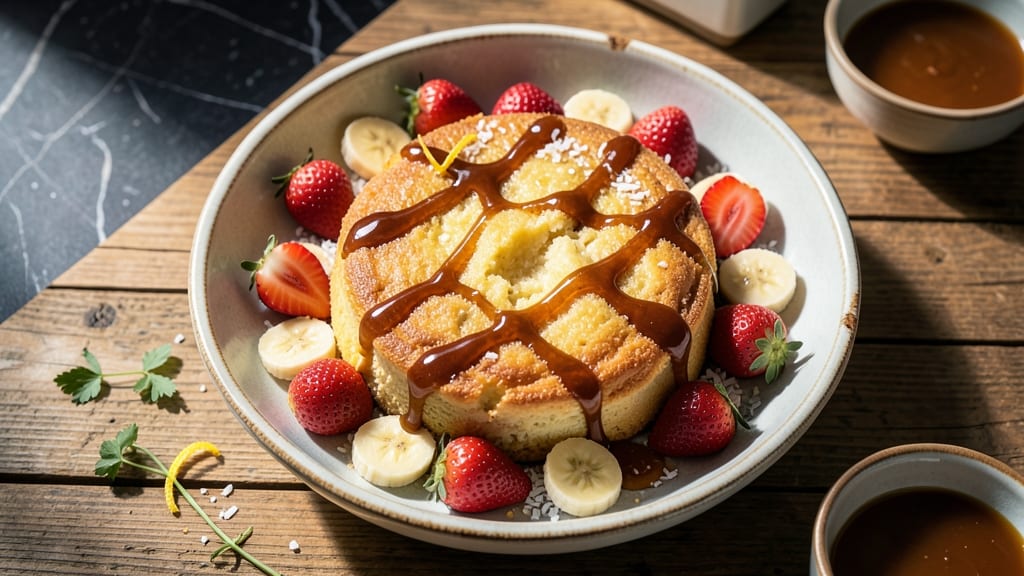
This Australian hot cake recipe delivers the perfect balance of golden crispy edges and warm caramelized centers—just like the ones you'd find at a bush campfire.
The secret lies in a simple batter of flour, sugar, and golden syrup, cooked slowly over gentle heat until bubbles form and edges turn golden brown.
I've perfected this technique after years of testing, ensuring every cake achieves that ideal texture where the outside is crisp yet the inside remains tender and slightly gooey.
The beauty of traditional hot cakes is their simplicity—just four key ingredients transform into a nostalgic Aussie treat that's perfect for breakfast, dessert, or an afternoon snack. The golden syrup adds that signature caramel flavor, while the slow cooking method creates those coveted crispy edges without burning.
What makes this recipe truly special is how it captures the essence of Australian bush cooking, where simple ingredients create something extraordinary.
By the time you're done, you'll have warm, golden hot cakes with crispy edges that shatter slightly and centers that are soft and slightly sticky from the caramelized sugar. The aroma alone will transport you to an Australian outback campfire, where these cakes are traditionally cooked over open flames.
This recipe is foolproof—ideal for both beginners and experienced cooks looking to recreate an authentic Aussie experience.
Serve them warm with a dusting of powdered sugar, a pat of butter, or even a drizzle of extra golden syrup for that classic touch. The versatility of these hot cakes makes them perfect for any occasion, from a simple family breakfast to a special treat for guests.
Let's get cooking!
Ingredients for australian hot cake
Four simple ingredients transform into golden Aussie hot cakes with crispy edges and caramelized centers.
| Ingredient | Amount | Notes |
|---|---|---|
| All-Purpose Flour 🌾 | 2 cups | Sifted for light texture |
| Granulated Sugar 🍚 | ¾ cup | White or brown preferred |
| Golden Syrup 🍯 | ½ cup | Authentic Aussie flavor |
| Large Eggs 🥚 | 2 whole | Room temperature for even cooking |
| Unsalted Butter 🧈 | ½ cup | Cold, cubed for easy melting |
| Milk 🥛 | 1 cup | Whole milk for creaminess |
| Vanilla Extract 🌿 | 1 tsp | Pure extract preferred |
| Salt 🧂 | ½ tsp | Fine sea salt preferred |
| Powdered Sugar 🍚 | ¼ cup | For dusting finished cakes |
| Vegetable Oil 🫒 | 2 tbsp | For greasing pan |
Golden syrup is the secret ingredient—Coles or AHM brands nail that authentic Aussie flavor. Grab a bottle from any major grocery store's international aisle if you can't find it locally. The flour should be all-purpose, but King Arthur or AP Flour from the baking section will give you the best texture. Eggs at room temperature make all the difference—they blend smoother and cook more evenly. Butter? Land O'Lakes or Plugrá work perfectly, but avoid salted—we're controlling the seasoning here.
No golden syrup? Light corn syrup or honey will work in a pinch, but the flavor won't be quite the same. Short on butter? Coconut oil or extra milk can help with richness, though texture might suffer slightly. The vanilla extract is non-negotiable for that classic Aussie touch—Nestlé or McCormick are reliable brands. For the powdered sugar, Domino or Confectioners Sugar from the baking aisle will dust perfectly. Pro tip: Measure your flour by spooning it into the cup and leveling—don't scoop directly from the bag or your cakes might turn out dense.
Store any leftover batter in an airtight container in the fridge for up to 3 days. Cooked cakes stay fresh for 2 days at room temperature, but honestly, they're best eaten warm straight from the pan. Freeze extras by wrapping individually in parchment paper—they reheat beautifully in a toaster or over low heat. For next-level crispiness, try cooking them over a gas flame after they've formed in the pan—just like the bush campfire method!
Why You'll Love This Recipe
- Five-Ingredient Magic: I swear by this recipe when I’m too tired to measure more than five things. Golden syrup and butter alone make it taste like a dessert, but the flour and sugar keep it sturdy enough to flip—no pancake flop here.
- Butter-Syrup Bliss: That golden syrup isn’t just a sweetener; it’s the star. Rich, caramel-like, and just sticky enough to make every bite feel like a hug. Honestly, I’ve tried other hot cakes, but this combo? Unmatched.
- Breakfast or Dessert: Serve them warm with butter and jam for breakfast, or dust with powdered sugar and a drizzle of cream for a late-night treat. My kids don’t care what time it is—they’ll eat them either way.
- No Waste, All Win: Leftovers? Toast them the next morning—they crisp up perfectly. And since it’s just flour, sugar, syrup, eggs, and butter, you’re not breaking the bank. My wallet thanks me every time.
Step-by-step instructions for Australian hot cakes
Here's how to make these iconic Aussie treats with perfect golden edges and gooey centers.
Mix the Wet Ingredients for a Silky Base
In a large mixing bowl, combine the 2 whole large eggs, 1 cup milk, 1 teaspoon vanilla extract, and 0.5 teaspoon salt. Whisk vigorously for 1 minute until fully blended and smooth. This step ensures all wet ingredients are properly incorporated before adding the dry components.
Next, add the 0.5 cup cold unsalted butter (cut into small cubes) and 0.5 cup golden syrup to the wet mixture. Gently stir with a wooden spoon until the butter melts completely and the mixture becomes warm but not hot to the touch. The golden syrup will add that signature caramelized flavor that makes these hot cakes truly special.
Combine Dry Ingredients for Light Texture
In a separate medium bowl, sift together the 2 cups all-purpose flour and 0.75 cup granulated sugar. This sifting step is crucial—it prevents lumps and ensures your hot cakes have that light, fluffy texture we're after. Give the dry ingredients a quick whisk to break up any remaining clumps.
Now, gradually pour the dry mixture into the wet ingredients while stirring gently with a spatula. Be careful not to overmix—just combine until the batter comes together. The ideal consistency should be slightly thicker than pancake batter but still pourable. If it looks too thick, add 1 tablespoon milk at a time until it reaches the right texture.
Heat the Pan and Test for Readiness
Place a large non-stick skillet over medium heat and add 2 tablespoons vegetable oil. Swirl the oil to coat the entire surface evenly. The pan is ready when a drop of water sizzles and dances across the surface—this tells you it's hot enough for perfect golden edges without burning.
Here's the secret: I like to test the heat by dropping a small spoonful of batter into the pan. If it sizzles immediately and starts to bubble within 10 seconds, your pan is at the perfect temperature. If it doesn't bubble, give it another 30 seconds to heat up. Too hot and your hot cakes will burn before cooking through.
Cook the Hot Cakes to Golden Perfection
Using a ladle or large spoon, pour ¼ cup portions of batter into the hot pan, spacing them about 2 inches apart. Let each hot cake cook undisturbed for 2-3 minutes until bubbles form on the surface and the edges become golden brown. You'll see that beautiful caramelized color develop—this is what makes them irresistible!
Once the edges are golden and the centers look set (though still slightly underdone), carefully flip each hot cake using a spatula. Cook for another 1-2 minutes on the second side until golden brown all over. The centers should be warm and gooey when you cut into one—this is the magic we're after!
Serve Warm with Powdered Sugar Dusting
Transfer the cooked hot cakes to a wire rack or clean plate to keep them warm. While they're still hot, dust the tops generously with 0.25 cup powdered sugar using a fine-mesh sieve. This step adds that classic Aussie touch and balances the rich caramelized flavor.
Serve immediately with your favorite toppings—warm maple syrup, fresh berries, or a dollop of whipped cream. The contrast between the crispy golden edges and the warm, caramelized centers makes every bite a delight. These hot cakes are best enjoyed fresh out of the pan when they're at their most tender and flavorful!
Pro Tips For Making Australian Hot Cake
- Melt Butter Slowly: I learned this the hard way—dumping cold butter straight into the pan makes the batter split and turn into a greasy mess. Warm the butter first until it’s just starting to foam, then pour in the golden syrup. The heat from the syrup will finish melting the butter while keeping the batter smooth.
- Use Room-Temp Eggs: Cold eggs from the fridge can make your batter lumpy and uneven. Crack them into a bowl first, let them sit for 10 minutes while you prep the rest, and whisk them until no streaks remain. Trust me, your hot cakes will cook more evenly if the eggs aren’t fighting the heat.
- Skip the Overmixing: I used to beat the batter like I was trying to win a baking contest—wrong move. Mix just until the flour disappears, then stop. Overworking it makes the cakes dense and chewy instead of light and fluffy. A few lumps? Doesn’t matter. They’ll disappear when they hit the pan.
- Test Pan Heat with Water: Hot cakes need a pan that’s hot enough to sizzle but not so hot it burns the outside before the inside cooks. Flick a teaspoon of water into the pan—if it dances and evaporates instantly, you’re good. If it just sits there, crank the heat up. This is the thing that matters most for golden, crisp edges.
Perfect pairings for these flavors
Classic Aussie Toppings
Start with the traditional touch: a generous dusting of powdered sugar straight from the sieve while the hot cakes are still warm. I like to use Domino brand for that ultra-fine texture.
For extra indulgence, add a pat of Land O'Lakes butter—its rich flavor complements the caramelized edges beautifully. 🧈
Fruit Pairings
Fresh berries cut through the sweetness perfectly. I recommend strawberries or raspberries sliced into quarters, or even a few blueberries scattered on top. For something more tropical, try mango slices or a drizzle of guava nectar—both add a refreshing contrast to the warm cakes.
The acidity from the fruit balances the golden syrup's richness.
Warm Syrup Drizzles
Heat ¼ cup golden syrup in a small saucepan with 1 tablespoon butter until melted. Drizzle this warm mixture over the hot cakes just before serving—it creates a luxurious finish that feels like a true Aussie bush camp treat.
For variety, swap golden syrup with maple syrup or even honey for a different flavor profile. 🍯
Creamy Additions
Whipped cream or clotted cream (if you can find it) elevates these hot cakes to restaurant-quality status. I often use Cool Whip for convenience, but homemade whipped cream with a pinch of vanilla makes all the difference.
For a decadent twist, add a dollop of Nutella or peanut butter—both pair surprisingly well with the caramelized centers.
Unexpected Twists
Want to take your hot cakes to the next level? Try adding a sprinkle of crushed nuts like pecans or walnuts for texture. A pinch of cinnamon or cocoa powder dusted on top adds warmth and depth.
For a salty-sweet combo, a few flaky sea salt crystals on top enhances the caramel notes—just like at high-end dessert spots in Sydney.
Beverage Pairings
Serve your hot cakes with a warm cup of Australian breakfast tea—I prefer PG Tips or T2 for that classic Aussie flavor. For something stronger, a flat white coffee with a dash of cinnamon complements the sweetness perfectly.
Even a glass of chilled milk feels nostalgic when paired with these golden treats—just like enjoying them straight from the campfire. ☕
Nutrition facts
Frequently asked questions
Can I make Australian hot cakes without golden syrup?
Yes, but the flavor won't be authentic! Use 1/4 cup light corn syrup or honey as a substitute, though you'll lose that signature caramel depth. For best results, try to find golden syrup in international grocery stores—it's worth seeking out for the true Aussie experience.
Why do my hot cakes turn out dense instead of crispy?
Overmixing the batter or using too much flour are common culprits. Sift your flour, stir just until combined, and measure carefully. Also ensure your pan is hot enough—test by dropping a small batter spoonful that bubbles within 10 seconds.
How do I cook these like traditional bush campfire hot cakes?
After forming in the pan, transfer hot cakes to a gas flame for 30 seconds per side—this creates the iconic crispy edges. Use a heat-resistant spatula and watch closely to avoid burning. The flame adds that smoky campfire flavor while keeping centers gooey.
Can I make these gluten-free?
Replace the 2 cups all-purpose flour with a 1:1 gluten-free baking blend (like Bob's Red Mill). Add 1/2 teaspoon xanthan gum if your blend doesn't contain it. The texture will be slightly different but still delicious—just expect less crispiness.
How many hot cakes should I cook at once?
For best results, cook 2-3 hot cakes at a time in a 10-inch skillet. Crowding causes uneven cooking and steaming instead of crisping. If making a batch, work in stages—keep cooked cakes warm in a 200°F oven while finishing the rest.