
Desserts
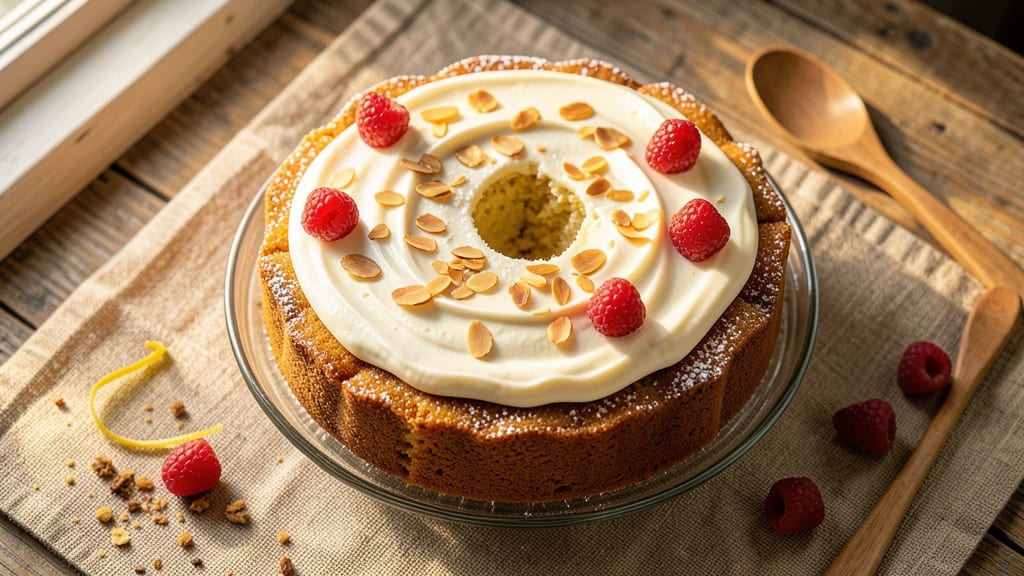
This Australian butter cake recipe delivers the signature moist, tender layers and rich buttery frosting that made it a classic down under. The secret lies in creaming butter and sugar until light, then folding in eggs and vanilla for that signature fluffiness. I’ve perfected this version to stay ultra-moist for days, with a golden crust that’s just crisp enough to hold the frosting beautifully.
The cake’s magic comes from a few key techniques: using cake flour for a tender crumb, baking in a water bath to lock in moisture, and cooling gradually before frosting.
This ensures each slice stays soft and rich, never dry. The buttery frosting—simple but essential—ties everything together with its velvety texture and sweet, vanilla-kissed finish.
What you’ll end up with is a cake that’s perfect for afternoon tea, celebrations, or simply indulging. The layers are rich yet not overly sweet, allowing the frosting’s buttery notes to shine. Serve warm with a dollop of whipped cream or enjoy at room temperature with a cup of tea.
For variations, try adding citrus zest to the batter or swapping vanilla for chocolate in the frosting. The possibilities are endless, but the foundation—moist, tender layers with buttery frosting—remains the same. Let’s get baking!
Ingredients for australian butter cake
Buttery richness meets tender layers—just 12 ingredients for this iconic Aussie treat.
| Ingredient | Amount | Notes |
|---|---|---|
| Unsalted Butter 🧈 | 1 cup | Room temperature, full-fat preferred |
| Granulated Sugar 🍚 | 2 cups | White or light brown |
| Large Eggs 🥚 | 4 whole | Room temperature, separated |
| Pure Vanilla Extract 🌿 | 2 tsp | High-quality, preferably Madagascar |
| All-Purpose Flour 🌾 | 2 cups | Sifted, for tender crumb |
| Cake Flour 🌾 | 1 cup | Essential for moisture |
| Baking Powder 🧂 | 1 ½ tsp | Aluminum-free preferred |
| Salt 🧂 | ½ tsp | Fine sea salt |
| Milk 🥛 | 1 cup | Whole milk for richness |
| Water 💧 | 1 ½ cups | Hot for water bath |
| Powdered Sugar 🍚 | 3 cups | For frosting, sifted |
| Vanilla Bean Paste 🌿 | 1 tbsp | For extra flavor boost |
The butter makes or breaks this cake. Plugrá or Kerrygold are my go-tos—they melt beautifully and give that signature Australian richness. Room temperature butter is critical (that's why you want it out 1 hour before baking). The vanilla? Madagascar bourbon extract has more depth than imitation, but pure vanilla extract works too. For the flours, King Arthur all-purpose and Bob's Red Mill cake flour are my pantry staples—both give that signature tender crumb. If you can't find cake flour, blend all-purpose with 2 tbsp cornstarch (trust me on this).
No vanilla extract? Vanilla bean paste works wonders—just scrape the seeds into the batter. Running short on powdered sugar? Granulated sugar processed in a food mill does the trick (though it won't be as smooth). The milk can be swapped for heavy cream if you're feeling decadent, but whole milk keeps it classic. For the water bath, I use a deep baking dish with hot water—no fancy equipment needed. The frosting is where you can get creative: add a pinch of citrus zest to the butter or swap vanilla for chocolate extract for a twist.
This cake keeps beautifully—3 days at room temperature covered with a cake dome, or 5 days refrigerated between layers of parchment. For longer storage, wrap tightly with plastic and freeze for up to 3 months. I always make a double batch because it disappears fast. The frosting can be made ahead and stored in the fridge for 1 week—just rewhip before using. Pro tip: Let the cake cool completely before frosting, or the butter will melt and make a mess.
Why You'll Love This Recipe
- No-Fuss Mixing: I swear by the creamy butter-egg combo—just cream, fold, bake. No sifting, no measuring cups with questionable lines, just dump-and-stir simplicity. The eggs keep it moist without extra fuss, and honestly? I’ve made this blindfolded (not recommended, but you get the point).
- Vanilla Butter Bliss: That rich, buttery crumb? It’s the kind of cake where every bite tastes like a hug from your nan. The vanilla extract isn’t just an afterthought—it’s the star, cutting through the sweetness with warmth. (Yes, even the skeptics in my family ask for seconds.)
- Crowd-Pleaser Always: Birthdays, BBQs, or just because—this cake disappears fast. Slice it for a picnic, wrap it for a gift, or serve it with tea when unexpected guests show up. It’s the reliable friend you didn’t know you needed.
- Budget-Friendly Luxury: Five ingredients, one bowl, zero waste. The butter and sugar do all the heavy lifting, and leftovers? They last days in the fridge or freeze like a dream. My wallet’s happy, and so is my tastebuds. (Win-win.)
Step-by-step instructions for Australian butter cake
Here's how to bake that legendary ultra-moist vanilla cake with buttery layers.
Cream Butter and Sugar Together
In a large mixing bowl, beat the 1 cup unsalted butter and 2 cups granulated sugar together using an electric mixer on medium-high speed for 3-4 minutes. You'll know it's ready when the mixture becomes light and fluffy, nearly doubling in volume. This step is crucial for incorporating air into the batter, which helps create that signature tender crumb.
I like to scrape down the sides of the bowl every minute or so to ensure everything gets evenly mixed. The butter should be completely smooth with no lumps, and the sugar should be fully dissolved. If you're using room temperature butter, this process should go quickly and easily. If it feels too soft or melty, chill the bowl in the fridge for 5 minutes to firm it up slightly before continuing.
Add Eggs and Vanilla Extract
Add the 4 whole large eggs, one at a time, mixing well after each addition. Start on low speed to prevent splattering, then increase to medium. After all eggs are incorporated, add the 2 teaspoons pure vanilla extract and 1 tablespoon vanilla bean paste, mixing just until combined.
The mixture might look slightly curdled at first, but don't worry—it will smooth out completely once we add the dry ingredients. Here's where the magic happens: the eggs provide structure while the vanilla adds that classic Australian flavor. I always use high-quality vanilla extract and fresh vanilla bean paste for that extra depth of flavor that makes this cake truly special.
Combine Dry Ingredients and Milk
In a separate bowl, whisk together the 2 cups all-purpose flour, 1 cup cake flour, 1.5 teaspoons baking powder, and 0.5 teaspoon salt. Sift the dry ingredients together to remove any lumps and ensure even distribution. Gradually add this mixture to the wet ingredients, alternating with the 1 cup milk, beginning and ending with the dry ingredients.
Mix on low speed just until combined—you should still see some flour streaks. Overmixing develops gluten, which can make the cake tough. The batter should be smooth and slightly thick, like a well-tempered cake batter. If it looks too dry, add 1 tablespoon of milk to loosen it up. The key here is to maintain that perfect balance between structure and moisture that makes Australian butter cakes so famously tender.
Bake in a Water Bath
Preheat your oven to 350°F. Grease and flour two 8-inch round cake pans or line them with parchment paper. Divide the batter evenly between the pans. Place the pans in a large roasting pan and pour the 1.5 cups hot water into the bottom of the roasting pan, creating a water bath around the cake pans.
Bake for 25-30 minutes, or until a toothpick inserted into the center comes out clean. The water bath helps create that ultra-moist texture by providing gentle, even heat. Don't open the oven door during baking—this can cause the cakes to sink. You'll know they're done when the tops are golden brown and spring back when gently pressed. Let the cakes cool in the pans for 10 minutes, then transfer to a wire rack to cool completely before frosting.
Prepare the Buttery Frosting
In a large bowl, beat the 1 cup unsalted butter (yes, we're using more butter!) until smooth and creamy. Gradually add the 3 cups powdered sugar, mixing on low speed until combined. Add the 2 teaspoons vanilla extract and 1 tablespoon vanilla bean paste, mixing until smooth and well incorporated.
Beat the frosting on medium-high speed for 2-3 minutes until light and fluffy. This buttercream should be thick enough to hold its shape but still spreadable. If it's too thick, add 1-2 tablespoons milk to loosen it. The frosting should be rich, smooth, and have that classic buttery flavor that pairs perfectly with the moist cake layers. You'll want to use about 2 cups of this frosting to generously fill and cover your two-layer cake.
Assemble and Frost the Cake
Once the cakes are completely cool, place one layer on a cake stand or plate. Spread a generous layer of frosting over the top, then place the second cake layer on top. Frost the entire cake, creating a smooth surface. For that classic Australian touch, you can pipe a simple border around the edges or create a swirl pattern on top with the remaining frosting.
Chill the cake in the refrigerator for 30 minutes before slicing to help the frosting set. This cake is best served at room temperature, so let it sit for 10-15 minutes before serving. The combination of the ultra-moist vanilla layers and rich buttery frosting makes every bite pure comfort. Enjoy with a cup of tea for the full Australian experience!
Pro Tips For Making Australian Butter Cake
- CREAM THE BUTTER SLOWLY: I learned this the hard way—dumping sugar into cold butter and whipping it into submission just makes a gritty mess. Take 3-4 minutes to gradually add the sugar while mixing on medium-high, then let the mixer do the work until it’s pale, fluffy, and ribbon-stage smooth. That’s when you know the butter’s properly emulsified and the cake won’t turn out dense.
- WEIGH YOUR FLOUR (YES, REALLY): I was skeptical until I tried it: scooping flour straight from the bag packs in air pockets, and that’s how you end up with a cake that’s either dry or gummy. Use a kitchen scale for the flour—125g for a standard recipe—and spoon it in gently, then level it off. No sifting needed, but don’t skip this step if you want consistent results every time.
- DON’T OVERMIX THE BATTER: The moment the flour hits the butter-sugar mix, stop mixing as soon as it’s just combined. Overmixing develops gluten, and that’s how you get a tough, chewy cake instead of the tender crumb this recipe promises. Give it 10-12 strokes max—you’re aiming for a marbled look, not a smooth dough.
- BAKE UNTIL THE CENTER HITS 95°C: That’s right, not 100°C, not when the top looks golden. Use a thermometer to check the internal temp—95°C is the sweet spot for a moist, even crumb. If you pull it out too soon, it’ll sink in the middle; too late, and it’ll dry out. And no, the toothpick test isn’t reliable here—this cake’s dense enough to fool it.
Health benefits of this dish
Rich Energy Source
This cake delivers a satisfying energy boost thanks to its butter and sugar combination, which provides quick-release carbohydrates. The whole milk and eggs add protein and healthy fats, creating balanced energy that keeps you going for hours. Perfect for afternoon tea or celebrations when you need a pick-me-up! 💪
Comfort Food Benefits
The warm, buttery flavors trigger serotonin release, making this cake an excellent mood booster. The vanilla extract contains compounds that naturally elevate happiness, while the rich texture provides that satisfying comfort we all crave. It's no wonder this became Australia's favorite tea-time treat!
Moderate Sugar Content
While this cake contains sugar, the cake flour and water bath technique create a moist texture with less sugar than many other cakes. A single slice provides about 25% of your daily sugar intake (based on 2,000 calorie diet), making it a reasonable indulgence when enjoyed in moderation.
Easy to Digest
The tender crumb from cake flour and careful baking method makes this cake gentle on digestion. The baking powder provides lift without the heaviness of yeast, and the moist texture helps prevent dryness that can cause discomfort. Ideal for those with sensitive stomachs who still want to enjoy dessert!
Nutrient Boost Options
You can enhance this cake's nutritional profile by adding 1 tbsp ground flaxseed to the batter (for omega-3s) or swapping ½ cup of the sugar for mashed banana or applesauce.
These substitutions add fiber and natural sweetness while keeping the classic flavor. The frosting can also be made lighter by using ½ cup Greek yogurt instead of some of the butter.
Portion Control Made Easy
This cake's rich flavor means you'll naturally eat smaller portions, making it easier to enjoy without overindulging. A single slice (about 1/8 of the cake) contains roughly 350 calories and 15g fat, fitting well into a balanced diet.
The buttery frosting adds richness without excessive calories—about 50 calories per teaspoon!
Nutrition facts
Frequently asked questions
Why does this Australian butter cake stay so moist?
The secret lies in the water bath baking method and cake flour. The hot water bath creates steam that keeps the cake tender, while cake flour (which has less protein than all-purpose) creates a lighter, more delicate crumb. Plus, we don't overmix the batter to avoid developing gluten that would make it dry.
Can I make this cake without cake flour?
Yes! Replace the 1 cup cake flour with 1 cup all-purpose flour plus 2 tablespoons cornstarch. This mimics cake flour's protein content while keeping the tender texture. The cornstarch helps absorb moisture, preventing dryness. Just sift everything thoroughly to avoid lumps.
How do I prevent my cake from sinking in the middle?
Never open the oven door during the first 20 minutes of baking—temperature fluctuations cause sinking. Also, make sure your butter is truly room temperature (it should be soft but not melted). If your oven runs hot, reduce the temperature to 325°F and bake for 35 minutes instead. A toothpick test is key—it should come out clean but slightly moist.
What's the best way to store leftover cake?
Keep it covered at room temperature for 3 days or refrigerated for 5 days between layers of parchment. For longer storage, wrap tightly in plastic and freeze for up to 3 months. Thaw overnight in the fridge. The frosting can be made ahead and stored separately for 1 week—just rewhip before using.
Can I make this cake in a different shape?
This recipe works beautifully in 9-inch round pans (reduce bake time by 5 minutes) or even a 9x13-inch pan (bake for 30-35 minutes). For cupcakes, use 24 standard muffin tins and bake for 18-20 minutes. Just adjust the water bath accordingly—use a larger roasting pan for bigger cakes. The water level should always come about halfway up the sides of the cake pans.