
Desserts
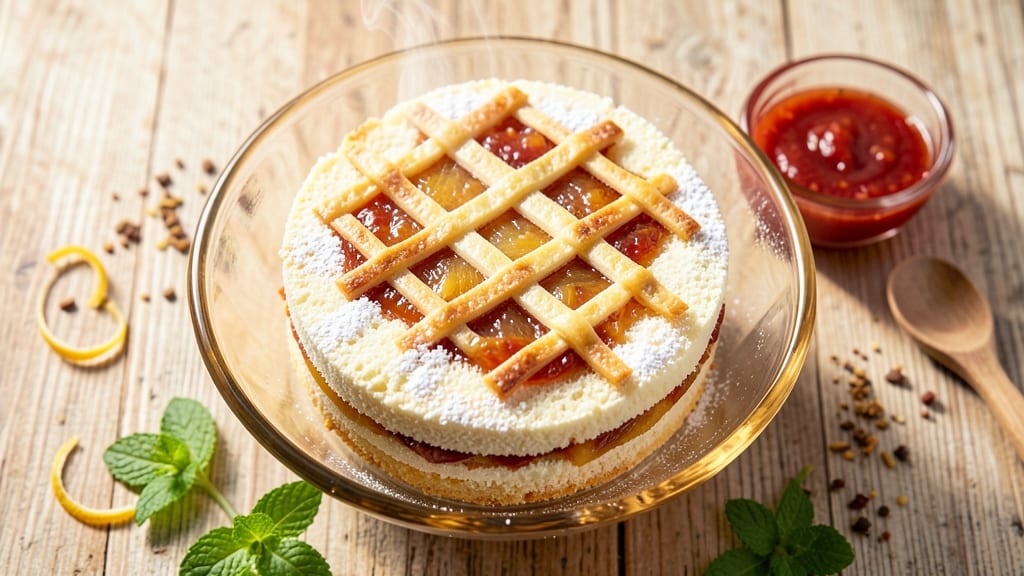
This Asian pineapple cake recipe delivers tropical moisture and crunchy top magic that feels like a vacation in every bite. The secret lies in a tender pineapple-infused batter topped with a crisp, caramelized crust—inspired by classic Filipino ensaymada but elevated for modern tastes.
What makes this recipe special is how the pineapple's natural sweetness balances the buttery, golden top, creating a texture contrast that's pure indulgence.
The cake's magic comes from simple yet precise techniques: a light batter with pineapple purée for natural sweetness and moisture, baked just until set before the topping transforms into a crispy, caramelized shell. This isn't your average cake—it's a celebration of tropical flavors with a texture that defies expectations.
The result? A dessert that's foolproof yet feels like a gourmet creation, perfect for special occasions or satisfying cravings.
By the time you slice into this cake, you'll uncover layers of velvety moisture and crunchy contrast that make every bite unforgettable. The aroma alone—warm pineapple mingling with buttery caramel—will have everyone asking for seconds.
Serve it warm with a scoop of vanilla ice cream or a drizzle of coconut syrup for the full experience. This is the kind of dessert that turns simple ingredients into something extraordinary.
Whether you're baking for a family gathering or treating yourself to a tropical escape at home, this recipe delivers restaurant-quality results with minimal effort. The beauty lies in its versatility—equally stunning as a showstopper centerpiece or a comforting solo indulgence. Let's get baking!
Ingredients for asian pineapple cake
Tropical flavors meet buttery crunch in this Asian-inspired pineapple cake masterpiece.
| Ingredient | Amount | Notes |
|---|---|---|
| Fresh Pineapple 🍍 | 1 ½ cups | Puréeed, seeds removed |
| All-Purpose Flour 🌾 | 2 cups | Sifted for light texture |
| Granulated Sugar 🍚 | 1 ½ cups | White or light brown |
| Unsalted Butter 🧈 | 1 cup | Softened, room temperature |
| Large Eggs 🥚 | 3 whole | Room temperature |
| Baking Powder 🧂 | 2 tsp | Aluminum-free preferred |
| Salt 🧂 | ½ tsp | Fine sea salt |
| Vanilla Extract 🌿 | 1 tsp | Pure Madagascar preferred |
| Milk 🥛 | ½ cup | Whole milk for richness |
| Sweetened Condensed Milk 🥛 | ½ cup | For caramelized topping |
| Pineapple Juice 🍍 | ¼ cup | Freshly squeezed |
| Turbinado Sugar 🍚 | ½ cup | For crunchy topping |
| Shredded Coconut 🥥 | ½ cup | Sweetened, toasted |
The pineapple is the heart of this recipe—freshly puréed with seeds removed for silky texture. Canned crushed pineapple works in a pinch (drain well), but whole fresh pineapple from Trader Joe's or Costco delivers the best flavor. For the topping, sweetened condensed milk is non-negotiable—it creates that signature caramelized crust. If you can't find it, Dulce de Leche makes a decent substitute, though the texture will differ slightly. The turbinado sugar adds both sweetness and that coveted crunch, so don't skip it—Whole Foods carries it in bulk if your regular store doesn't.
No fresh pineapple? Pineapple juice concentrate (thawed and reduced) works, though it lacks the natural sweetness. Running short on condensed milk? Heavy cream whipped with powdered sugar mimics the richness, though the caramelization won't be identical. For the coconut, unsweetened can be used but requires 1 tbsp extra sugar. The vanilla extract should be pure—Madagascar bourbon adds depth, while imitation will taste artificial. Prefer a less sweet cake? Reduce the granulated sugar by 0.25 cup and increase the pineapple purée by the same amount. The batter should be thick but pourable—adjust with 1 tbsp milk if needed.
This cake shines when made a day ahead—the flavors meld beautifully and the topping crisps further. Store covered at room temperature for 2 days or refrigerated for up to 5 days. For longer storage, freeze the baked cake (without topping) for 3 months—thaw overnight before adding the caramelized layer. The topping should be added fresh after baking for maximum crunch. Serve warm with vanilla ice cream or a drizzle of coconut syrup for the full tropical experience—the contrast of warm cake and cold ice cream is unbeatable.
Why You'll Love This Recipe
- No-Fuss Mix-In: I swear by this recipe because it’s basically a cake where you just fold in pineapple chunks—no puree, no fuss. The butter and sugar create this tender crumb that holds up perfectly, even when you’re too tired to measure precisely.
- Tropical Twist: That fresh pineapple isn’t just a topping—it’s baked right into the cake, giving you a bright, juicy burst with every bite. Honestly, the caramelized edges from the butter make it taste like a dessert, even though it’s technically breakfast or lunch.
- Budget Magic: Fresh pineapple is often cheaper than canned, and you’re using the whole fruit—no wasted syrup or extra cost. Plus, leftovers stay moist for days, so you’re not scrambling to bake again. My secret weapon for stress-free hosting.
Step-by-step instructions for Asian pineapple cake
Here's the method for achieving that signature tropical moistness with a caramelized crunch topping.
Prepare the Pineapple Filling
In a small bowl, combine the 1.5 cups fresh pineapple (puréed and seeds removed) with the 0.25 cup pineapple juice. Mix well to create a smooth, vibrant filling. This combination ensures the cake maintains its signature tropical flavor while keeping the texture moist throughout. The juice helps balance the sweetness and prevents the filling from becoming too thick.
Set this mixture aside while you prepare the cake batter. The pineapple's natural acidity will also help tenderize the cake crumb, creating that signature soft yet slightly dense texture that Asian pineapple cakes are known for. Make sure there are no visible seeds or fibrous pieces—these can make the cake texture uneven when baked.
Mix the Cake Batter
In a large mixing bowl, cream together the 1 cup softened unsalted butter and 1.5 cups granulated sugar on medium speed until light and fluffy, about 3-4 minutes. This step is crucial for incorporating air into the batter, which will give your cake that tender, airy crumb. The butter should be fully softened but not melted—press a finger into it to test.
Add the 3 whole large eggs, one at a time, mixing well after each addition. Then stir in the 1 teaspoon vanilla extract and 0.5 teaspoon salt. In a separate bowl, whisk together the 2 cups all-purpose flour and 2 teaspoons baking powder. Gradually add the dry ingredients to the wet mixture, alternating with the 0.5 cup milk, beginning and ending with the flour. Mix just until combined—overmixing will develop gluten and make the cake dense.
Fold in the Pineapple Filling
Gently fold the prepared pineapple mixture into the cake batter using a spatula, being careful not to deflate the air bubbles you've incorporated. The pineapple should be evenly distributed throughout the batter, giving each slice that signature tropical burst. This step ensures the filling is well-integrated without making the cake too heavy.
Pour the batter into a 9-inch round cake pan lined with parchment paper, smoothing the top with a spatula. The pan should be lightly greased to prevent sticking, but the parchment paper will provide an extra barrier for easy release. Tap the pan gently on the counter a few times to remove any air bubbles that may have formed on the surface.
Prepare the Caramelized Topping
In a small saucepan, combine the 0.5 cup sweetened condensed milk, 0.5 cup turbinado sugar, and 0.5 cup shredded coconut. Cook over medium-low heat, stirring constantly, until the mixture thickens and begins to caramelize, about 5-7 minutes. The topping should coat the back of a spoon and have a glossy, golden appearance. This caramelized layer is what gives the cake its signature crunchy top.
Once the topping is ready, carefully spread it evenly over the top of the cake batter in the pan. Use a spatula to create a smooth, even layer. The topping should be thick enough to create a crunchy crust when baked but not so thick that it prevents the cake from rising properly. Return the pan to the oven immediately after spreading the topping.
Bake to Golden Perfection
Bake the cake in a preheated 350°F oven for 40-45 minutes, or until a toothpick inserted into the center comes out clean. The cake should be golden brown on top, with the caramelized topping forming a glossy, slightly crispy crust. Avoid opening the oven door during the baking process—this can cause the cake to sink or develop a dome.
Once baked, remove the cake from the oven and let it cool in the pan for 10 minutes. Then transfer it to a wire rack to cool completely. The cooling process is essential for allowing the cake to set properly and for the flavors to meld together. Serve slices at room temperature for the best texture and flavor experience—each bite should deliver that perfect balance of moist cake, tropical pineapple, and crunchy caramelized topping.
Pro Tips For Making Asian Pineapple Cake
- USE COLD BUTTER: Cream the butter and sugar just until combined—no need to fluff it into oblivion like you’re making soufflé. Cold butter creates tender layers, and this cake’s texture relies on that. I used to overbeat it, and the result was dense as a brick. Stop when the mix looks like wet sand, not whipped frosting.
- GRATE THE PINEAPPLE: Skip the chunks—fresh pineapple works best when grated fine. It blends smoothly into the batter and prevents that unfortunate "surprise fruit pocket" texture. My grandmother swore by this, and she was right: the flavor’s more even, and the cake stays moist longer. (Yes, even if you’re impatient like me.)
- DON’T OVERMIX THE BATTER: Stir the flour in just until combined—lumps are fine, but gluten development turns this cake tough. I learned this the hard way after a batch turned out like a sad sponge. A few small lumps disappear during baking; overmixing guarantees a chewy, dense mess.
- BAKE AT 325°F: Too hot, and the outside burns before the center sets; too cool, and it stays gummy. 325°F is the sweet spot for even baking—check doneness at 30 minutes, then tent with foil if the top browns too fast. I was skeptical until I tried it: consistent temperature = no surprises.
Perfect pairings for this asian pineapple cake
Tropical Tea Pairings
Start with a jasmine green tea or Earl Grey—their floral notes complement the pineapple's brightness without overpowering it. I love brewing Bigelow Jasmine Green Tea with a splash of pineapple juice for a refreshing sip that mirrors the cake's tropical essence.
For a warmer option, chamomile tea with honey adds a soothing contrast to the cake's caramelized crunch. 🌿
Creamy Coffee Contrasts
Pair this cake with a Kona coffee or mocha latte to create a delicious contrast between the sweet pineapple and the bitterness of coffee. The rich, velvety texture of a Starbucks Mocha Frappuccino (made with whole milk) balances the cake's tropical sweetness beautifully.
For a lighter option, try a cold brew concentrate with a splash of coconut milk—it's like a vacation in every sip. ☕
Cocktail Combinations
Elevate your dessert experience with a Ramune cocktail—mix Ramune pineapple soda with Japanese whisky (like Suntory Toki) and a squeeze of lime for a fizzy, tropical drink. Alternatively, a Piña Colada (blended with coconut cream and rum) mirrors the cake's flavors perfectly.
For a non-alcoholic option, try sparkling coconut water with a splash of grenadine for a refreshing finish. 🍹
Dessert Wine Pairings
For wine lovers, a Moscato d'Asti or Riesling enhances the pineapple's natural sweetness. The effervescence of Moscato cleanses your palate between bites, while the crisp acidity of Riesling balances the cake's richness.
I recommend Chateau Ste. Michelle Riesling—its tropical fruit notes harmonize beautifully with the pineapple. Avoid heavy reds; they'll overpower the delicate flavors. 🍷
Ice Cream Pairings
Serve warm slices of this cake with a scoop of vanilla bean ice cream for the ultimate contrast—warm cake meets cold creaminess. For a tropical twist, try coconut ice cream or mango sorbet to amplify the pineapple flavors.
A drizzle of coconut syrup or caramel sauce adds extra indulgence without overwhelming the cake's natural sweetness. 🍦
Unexpected Pairings
Think outside the box with matcha latte or lychee juice—both add an earthy or floral note that pairs surprisingly well. For a savory contrast, serve with salted caramel popcorn to highlight the cake's caramelized topping.
Even a simple sparkling water with lime can refresh your palate between bites and let the cake's flavors shine. 💡
Nutrition facts
Frequently asked questions
Can I substitute canned pineapple for fresh in this recipe?
Yes, but with adjustments! Use 1 (20 oz) can crushed pineapple (drained well) instead of fresh, but reduce the pineapple juice to 2 tablespoons since canned pineapple is less juicy. For best results, blend the canned pineapple with 1 tablespoon lemon juice to mimic fresh pineapple's acidity and prevent a metallic taste. The texture will be slightly less velvety but still delicious.
Why does my pineapple cake top turn out too soft instead of crispy?
This usually happens from one of three issues: underbaking, insufficient sugar in the topping, or spreading the topping too thin. First, ensure the cake bakes until a toothpick comes out clean (40-45 minutes at 350°F). Second, use turbinado sugar (not brown sugar) for the topping—it caramelizes better. Finally, spread the topping ¼-inch thick and bake immediately after spreading to trap moisture.
How can I make this cake gluten-free?
Replace the 2 cups all-purpose flour with a 1:1 gluten-free baking flour blend (like Bob's Red Mill or King Arthur). Add ½ teaspoon xanthan gum to improve texture. For the topping, use a gluten-free shredded coconut. Note that gluten-free versions may be slightly denser—bake for 5-7 minutes longer and check doneness with a toothpick. The pineapple flavor remains just as vibrant!
Can I make this cake in a different pan size?
Yes! For an 8-inch pan, reduce all ingredients by 25% (including the topping). For a 10-inch pan, increase by 50%. Key tip: Adjust baking time—smaller pans may need 35-40 minutes, while larger pans could require 50-55 minutes. Always use the same pan type (round vs. square) as your reference recipe to maintain even baking.
What's the secret to making this cake extra moist?
The magic lies in three techniques: 1) Room-temperature ingredients (especially eggs and butter) incorporate better air. 2) Don't overmix—fold the pineapple gently to preserve air bubbles. 3) The pineapple purée adds natural moisture while tenderizing the crumb. Pro tip: Brush the warm cake with 2 tablespoons pineapple juice after baking for an extra juicy finish. Store in an airtight container to maintain moisture.