
Desserts
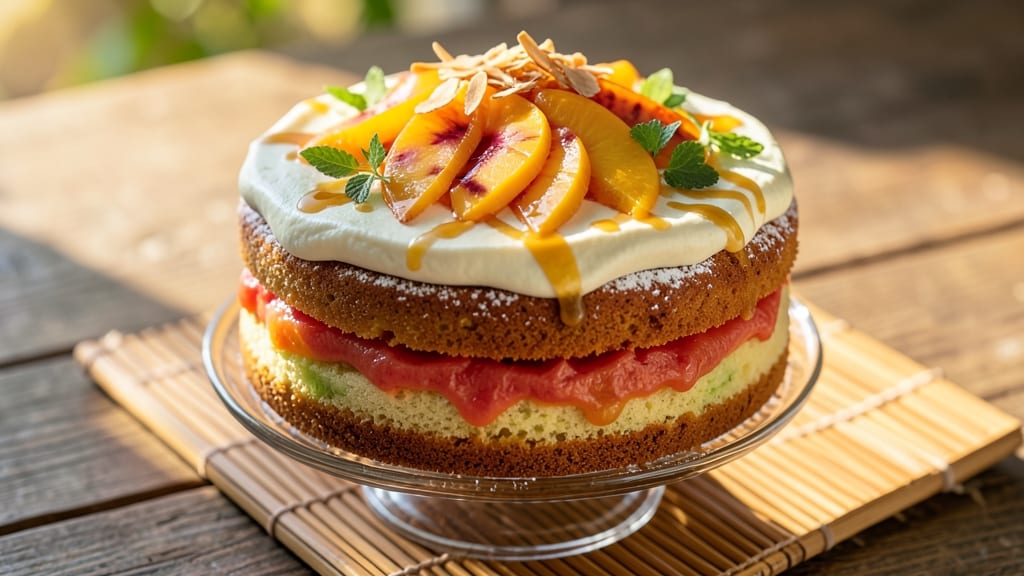
This Asian mango cake recipe delivers layers of tropical sweetness with a zesty lime glaze that cuts through the richness perfectly. 🌟 The secret lies in balancing ripe mango purée with tender cake layers, creating a dessert that's both elegant and approachable for home bakers.
What makes this version special is the subtle pandan extract that adds an authentic Southeast Asian flavor without overpowering the mango's natural sweetness.
The recipe combines a simple yet foolproof cake batter with a vibrant lime glaze that adds brightness and a professional finish. You'll work with standard kitchen tools—mixing bowls, whisk, and measuring cups—making it accessible whether you're a beginner or experienced baker.
The cake bakes in a single layer, then gets sliced and layered with mango filling before the glaze ties everything together.
By the time you're done, you'll have a cake that's moist, flavorful, and visually stunning—golden layers topped with a glossy lime glaze that's impossible to resist. Each bite delivers creamy cake, sweet mango, and a tangy finish that keeps your taste buds engaged.
The texture is light yet substantial, with just the right amount of moisture from the mango filling.
Serve this cake at room temperature with a dollop of whipped cream or a scoop of vanilla ice cream for extra indulgence. It's perfect for celebrations, potlucks, or simply treating yourself to something special.
The recipe also includes variations for gluten-free and vegan adaptations, so everyone can enjoy this tropical delight.
Ingredients for asian mango cake
Tropical flavors meet tender layers in this vibrant Asian-inspired cake.
| Ingredient | Amount | Notes |
|---|---|---|
| All-Purpose Flour 🌾 | 1 ½ cups | Sifted for light texture |
| Granulated Sugar 🍚 | 1 ¼ cups | White or light brown |
| Ripe Mangoes 🍈 | 1 ½ cups | Puréeed, seedless variety |
| Unsalted Butter 🧈 | ¾ cup | Room temperature, full-fat |
| Large Eggs 🥚 | 2 whole | Room temperature, beaten |
| Pandan Extract 🌿 | ½ tsp | For authentic Southeast flavor |
| Baking Powder 🍞 | 1 ½ tsp | Diamond Crystal preferred |
| Salt 🧂 | ½ tsp | Fine sea salt |
| Vanilla Extract 🌸 | 1 tsp | Pure vanilla preferred |
| Lime Zest 🍋 | 1 tbsp | Freshly grated |
| Lime Juice 🍋 | ½ cup | Freshly squeezed |
| Powdered Sugar 🍚 | 1 cup | For glaze |
| Heavy Cream 🥛 | ¼ cup | For glaze consistency |
The mango purée is non-negotiable—ripe, sweet varieties like Ataulfo or Keitt work best. Local Asian markets often carry perfect ones, or grab the pre-packaged kind at Trader Joe's. For the flour, King Arthur or Gold Medal brands bake consistently. The pandan extract? Penzeys sells it online if your grocery store doesn't carry it. Look for vibrant color in your mangoes—dull ones mean lackluster flavor. And don't skip the zest—it brightens the whole cake.
No ripe mangoes? Mango nectar from a can (like Del Monte) works in a pinch, but add 1 tbsp extra sugar to balance. Substitute pandan with vanilla + 1/4 tsp almond extract if needed. For the glaze, if you're avoiding dairy, coconut cream replaces the heavy cream beautifully. The lime juice can be bottled, but fresh is always better—Mexican limes have more punch. And if you're gluten-free, swap the flour for a 1:1 blend like Bob's Red Mill.
Mango purée keeps 3 days in the fridge—make extra for smoothies. The cake layers stay fresh 2 days covered at room temp, or 5 days refrigerated. For make-ahead, assemble the cake (without glaze) up to 1 day ahead—it tastes even better after flavors meld. The glaze sets quickly, so have everything prepped before pouring. Store leftovers covered in the fridge, but let it sit at room temp before serving.
Why You'll Love This Recipe
- No Mango Waste: I swear by this recipe when my fruit bowl overflows with ripe mangoes—no more sad, squished fruit in the back of the fridge. The sweet-tart purée folds right into the batter, so you’re not just hiding bruises; you’re making them delicious.
- Butter-Soft Layers: That creamed butter and sugar combo? It’s what makes this cake melt-in-your-mouth tender. No dense crumb here—just pillowy layers that practically dissolve on your tongue, especially when you let it cool just enough to slice.
- Weeknight Crowd-Pleaser: Honestly, this is my go-to for book clubs or last-minute gatherings. The mango flavor feels fancy, but it’s basically a vanilla cake with a tropical twist—no one will guess it took me 20 minutes to mix. (Yes, even on a Tuesday night.)
- Budget-Friendly Luxury: Between us, this cake costs less than half of those pre-packaged dessert boxes, but it feels like a bakery treat. Flour, sugar, butter, and eggs? That’s it. And the leftovers? They disappear faster than my willpower on a bad day.
Step-by-step instructions for Asian mango cake
Here's how to create layers of tropical mango cake with that signature Southeast Asian aroma.
👨🍳 Step 1: Prep the Mango Purée and Sift Dry Ingredients
Start by puréeing the 1.5 cups ripe mangoes until completely smooth—no chunks should remain. I like to strain it through a fine-mesh sieve to remove any excess fiber, which can make the cake texture gummy. Set the purée aside in a bowl.
In a separate bowl, sift together the 1.5 cups all-purpose flour, 1.5 teaspoons baking powder, and 0.5 teaspoon salt. Sifting ensures a light, airy texture and prevents lumps in the batter. Add the 0.5 teaspoon pandan extract to the dry ingredients and whisk to distribute that signature floral aroma evenly.
🍳 Step 2: Cream Butter and Sugars
In a stand mixer fitted with the paddle attachment, beat the 0.75 cup unsalted butter (room temperature) and 1.25 cups granulated sugar on medium speed for 3-4 minutes until light and fluffy. You'll see the mixture nearly double in volume and become pale in color—this incorporates air for a tender crumb.
Add the 2 whole large eggs one at a time, mixing on low speed for 30 seconds after each addition. Then stir in the 1 teaspoon vanilla extract and 1 tablespoon lime zest. The zest adds a bright citrus pop that complements the mango beautifully. Scrape down the sides of the bowl to ensure everything's well incorporated.
🥘 Step 3: Combine Wet and Dry Ingredients
Gradually add the sifted dry ingredients to the butter mixture in 3 additions, mixing on low speed just until combined after each addition. Don't overmix—you should still see a few flour streaks. Then gently fold in the mango purée using a spatula until just combined. The batter will be thick but pourable.
Stir in the 0.5 cup lime juice last. This adds moisture and acidity that balances the sweetness. The batter should be vibrant yellow-orange from the mango and lime. If it looks too thick, add 1-2 tablespoons milk (though we're not using milk in this recipe, it's a common fix if needed).
🔥 Step 4: Bake the Cake Layers
Preheat your oven to 350°F and grease two 6-inch round cake pans (or line them with parchment circles). Divide the batter evenly between the pans. Tap each pan gently on the counter to remove any air bubbles, then smooth the tops with a spatula.
Bake for 25-30 minutes or until a toothpick inserted in the center comes out clean. The edges should be golden brown while the tops remain slightly springy to the touch. Rotate the pans halfway through baking for even cooking. Let the cakes cool in the pans for 10 minutes, then transfer to a wire rack to cool completely.
🍰 Step 5: Make the Lime Glaze and Assemble
While the cakes cool, combine the 1 cup powdered sugar, 0.25 cup heavy cream, and remaining 1 tablespoon lime zest in a bowl. Whisk until smooth and glossy—it should coat the back of a spoon. If it's too thick, add 1 teaspoon lime juice to reach a drizzling consistency.
Once the cakes are completely cool, place one layer on a serving plate. Spread a thin layer of mango purée (about 2 tablespoons) over the top, then drizzle half the glaze. Repeat with the second layer, then top with the remaining glaze. For extra presentation, pipe decorative swirls with the leftover mango purée around the edges. Serve at room temperature for the best texture contrast.
Pro Tips For Making Asian Mango Cake
- Bake at 325°F—not 350°F: I learned this the hard way—when I cranked the oven to 350°F, the cake rose too fast and collapsed in the center. Asian mango cakes need a gentle bake to let the mango flavor infuse without overcooking. Use an oven thermometer to confirm the temp, and resist the urge to peek.
- Purée mangoes with skin on: Peeling mangoes takes forever, and honestly, you don’t need to. The skin adds a subtle bitterness that balances the sweetness—just wash, halve, and scoop out the flesh with a spoon. Skip the peeler unless you’re in a rush (and even then, weigh the trade-off).
- Don’t overmix the batter: I used to beat the egg-butter mixture until it looked like mayonna. Wrong move. Overmixing develops gluten, making the cake dense instead of light and tender. Mix just until the flour disappears—about 20 seconds—then stop. Your future self will thank you.
- Use room-temperature butter: Cold butter creates pockets in the cake that don’t dissolve, leading to a grainy texture. Take the butter out of the fridge 1–2 hours before baking, or microwave it in 10-second bursts until soft but not melted. Trust me, this makes a real difference in the crumb.
Creative variations of this dish
Thai-Inspired Coconut Twist
Swap out half the mango purée for coconut milk (about ½ cup) and add 1 tsp coconut extract to the dry ingredients. This creates a fragrant, floral note that pairs beautifully with mango.
For extra authenticity, top with toasted coconut flakes and a drizzle of coconut cream before serving. The coconut adds a creamy richness that balances the tropical sweetness. 🥥
Japanese Matcha Layer
Replace ½ cup of the flour with 2 tbsp matcha powder (sifted) and reduce the sugar to 1 cup to account for matcha's bitterness. The result is a vibrant green layer with earthy notes that contrast beautifully with the mango's sweetness.
Use white chocolate shavings for garnish to add a sophisticated touch. This fusion highlights the harmony between Japanese and Southeast Asian flavors.
Vietnamese Coffee Infusion
Add 1 tbsp instant Vietnamese coffee powder (like Trung Nguyen) to the mango purée filling. The coffee adds a deep, aromatic complexity that pairs surprisingly well with the bright lime glaze.
For presentation, dust the top with cocoa powder and serve with a scoop of Vietnamese-style egg coffee for dipping. This variation is perfect for coffee lovers who want a dessert with a caffeine kick. ☕
Spiced Chai Version
Infuse the butter mixture with ½ tsp ground cardamom and ¼ tsp cinnamon while creaming. Add 1 tsp chai masala spice blend (like Badia) to the dry ingredients. The warm spices complement the tropical flavors beautifully.
Top with a sprinkle of crushed pistachios for crunch and texture contrast. This variation is ideal for fall or winter celebrations. 🌶️
Gluten-Free Adaptation
Replace the all-purpose flour with a 1:1 gluten-free baking flour blend (like Bob's Red Mill) and add 1 tbsp xanthan gum to the dry ingredients. The texture remains tender, though slightly denser.
For extra moisture, increase the mango purée by 2 tbsp. This adaptation ensures everyone at the table can enjoy the cake without compromising on flavor or texture. 🌾
Vegan Makeover
Use coconut oil instead of butter (melted) and substitute eggs with 2 flax eggs (2 tbsp ground flaxseed + 6 tbsp water, mixed and rested for 5 minutes). Replace heavy cream in the glaze with coconut cream for a dairy-free option.
The cake holds together beautifully and maintains its moist texture. This version proves the cake's versatility for plant-based diets. 🌱
Nutrition facts
Frequently asked questions
Can I use canned mango purée instead of fresh?
Yes, but choose a high-quality, chunk-free purée with no added sugar or thickeners. For best results, strain it through a fine-mesh sieve to remove any excess fiber that could make the cake dense. If the purée is too thick, thin it with 1-2 tablespoons water before using.
Why does my cake look dense instead of light?
Overmixing the batter or using cold butter are the most common causes. Always cream the butter and sugar until light and fluffy (3-4 minutes), and mix the dry ingredients just until combined. Also ensure your mango purée is smooth—any lumps can weigh down the texture.
How do I store leftovers without drying out?
Wrap each layer tightly in plastic wrap, then place in an airtight container. Store at room temperature for up to 2 days, or refrigerate for 5 days. For longer storage, freeze the assembled cake (without glaze) for up to 3 months. Thaw overnight in the fridge before serving.
Can I make this cake in a different shape?
This recipe works perfectly for 8-inch round pans (reduce bake time to 20-25 minutes) or even a 9x13-inch pan (bake 30-35 minutes). For cupcakes, divide batter into 24 lined cups and bake for 18-20 minutes. The glaze can be drizzled or piped for individual servings.
What's the best way to add extra mango flavor?
Try folding in 2 tablespoons mango jam (strained) with the purée, or layer with thin mango slices between cake layers. For a tropical twist, add ½ teaspoon grated ginger to the batter—it enhances the mango's natural sweetness while adding warmth.