
Desserts
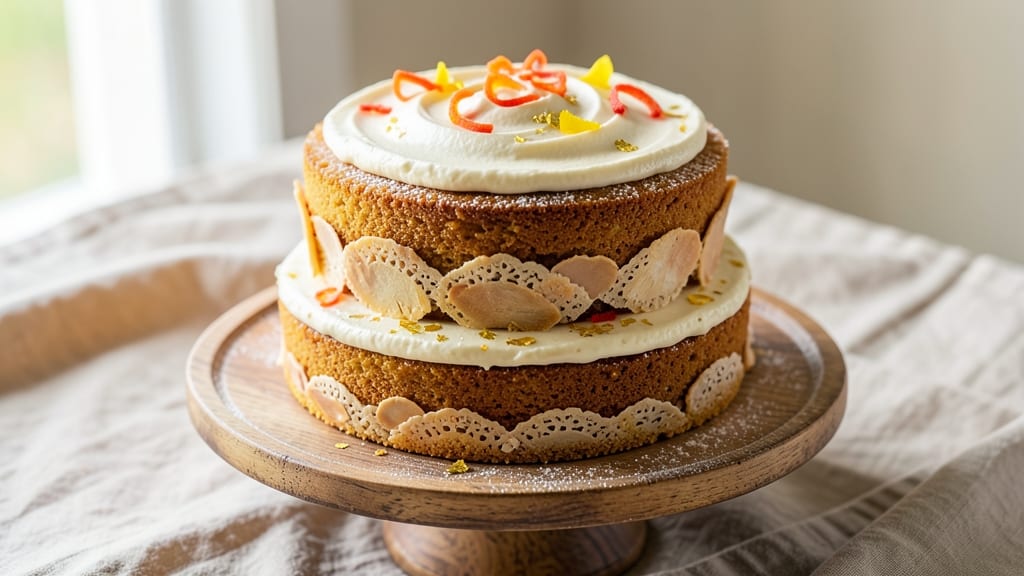
Aqua Pazzo butter cake delivers layers of velvety richness with a signature citrus zest that transforms ordinary cake into an Italian masterpiece. ✨ The secret lies in a precise balance of butter, sugar, and eggs—whipped to cloud-like perfection before folding in layers of vibrant orange and lemon zest.
This recipe captures the essence of Aqua Pazzo's signature flavors without the complexity, making it achievable for home bakers seeking restaurant-quality results.
What sets this butter cake apart is its tender crumb and subtle citrus aroma that lingers with every slice. The cake's moist texture comes from a foolproof creaming method where butter and sugar are beaten until light and airy, creating a foundation that stays tender even after baking.
Professional bakers swear by this technique for cakes that cut cleanly and hold their shape beautifully.
By the time you pull it from the oven, you'll have golden layers with a delicate citrus fragrance that enhances rather than overpowers. The cake's simplicity belies its sophistication—no fancy equipment needed, just precise measurements and patience during the baking process.
Each slice reveals a perfect balance of buttery richness and bright citrus notes that make this cake unforgettable.
Perfect for celebrations, coffee dates, or simply indulging in a classic Italian dessert. The recipe scales easily for gatherings, and the leftovers keep well for days. Let's create this timeless butter cake together—where tradition meets modern baking perfection.
Ingredients for aqua pazzo butter cake
Butter, zest, and precision create this Italian-inspired masterpiece with citrus notes.
| Ingredient | Amount | Notes |
|---|---|---|
| Unsalted Butter 🧈 | 2 cups | Room temperature, full-fat preferred |
| Granulated Sugar 🍚 | 2 ½ cups | Superfine if available for smoother texture |
| Large Eggs 🥚 | 6 whole | Room temperature, separated for whipping |
| All-Purpose Flour 🌾 | 2 ½ cups | Sifted, spooned and leveled |
| Orange Zest 🍊 | 1 tbsp | Freshly grated, vibrant color |
| Lemon Zest 🍋 | 1 tbsp | Freshly grated, bright flavor |
| Baking Powder 🍞 | 1 ½ tsp | Freshly opened for best lift |
| Salt 🧂 | ½ tsp | Fine sea salt, lightly toasted |
| Vanilla Extract 🌿 | 1 tbsp | Pure Madagascar bourbon preferred |
| Orange Juice 🍊 | ¼ cup | Freshly squeezed, no pulp |
| Lemon Juice 🍋 | ¼ cup | Freshly squeezed, balanced acidity |
| Vegetable Oil 🫒 | ¼ cup | Light, neutral flavor |
| Powdered Sugar 🍚 | 1 cup | For dusting layers |
The butter is non-negotiable here—European-style unsalted like Plugrá or Land O'Lakes gives the best flavor. Room temperature is critical; if it's too cold, the cake will be dense. King Arthur flour is my go-to for baking, but any all-purpose works. For zest, use only the outer layer—no white pith. Freshly grated orange and lemon zest makes all the difference; pre-packaged zest lacks vibrancy. If you can't find superfine sugar, pulse regular granulated in a food processor for 10 seconds.
No vanilla extract? Vanilla bean paste works beautifully, or a pinch of vanilla sugar. Substituting powdered sugar for dusting? Confectioners' sugar is ideal, but if you only have granulated, blend it with a pinch of cornstarch first. For the citrus juices, fresh is best—bottled lacks brightness. If you must use bottled, add a splash of cream of tartar to enhance acidity. The baking powder must be fresh; if it's over a year old, test it first by mixing with water—it should foam immediately. No baking powder? Baking soda plus cream of tartar at half the amount works in a pinch.
Store the cake in an airtight container at room temperature for up to 3 days—it actually improves with time. For longer storage, freeze layers between parchment paper for 3 months. Reheat slices in the oven at 300°F for 5 minutes to restore moisture. The citrus zest loses potency over time, so make extra and freeze it in ice cube trays for future baking. This cake is best served at room temperature, so plan ahead if you're bringing it to a gathering.
Why You'll Love This Recipe
- No-Fuss Mixing: This cake comes together with just five ingredients—no fancy techniques, no last-minute scrambling. Cream butter and sugar, toss in eggs and flour, fold in orange zest, and you’re done. My 10-year-old could (and has) helped me measure the flour.
- Zesty Magic: That bright orange zest? It’s the secret weapon. One sniff and you’re transported to a sunlit café, buttery richness with a citrus kick that keeps you reaching for seconds. Honestly, I’ve never met a butter cake that didn’t taste too plain until I added it.
- Weekend or Weeknight: Slice it warm for brunch, pack it for a picnic, or serve it at 9 PM when the kids beg for dessert. The crumb stays moist for days, and the flavor only gets better as it sits—no sad, dry cake here. (Yes, even on a Tuesday night.)
- Budget-Friendly Luxury: Rich, restaurant-worthy taste without breaking the bank. Butter and sugar are the stars, but the zest adds that je ne sais quoi for pennies. Leftovers? Wrap them up—they’ll disappear faster than you can say “second slice.”
Step-by-step instructions for Aqua Pazzo butter cake
Here's the method for a velvety, citrus-infused butter cake with perfect layers.
👨🍳 Step 1: Prepare the Citrus-Infused Buttercream
In a stand mixer fitted with the paddle attachment, beat the 2 cups unsalted butter on medium speed for 2-3 minutes until completely smooth and pale. This ensures no lumps remain for a flawless frosting. Add the 2.5 cups granulated sugar gradually while mixing on medium-high speed for 3-4 minutes until light and fluffy.
Reduce speed to medium and add the 1 tbsp vanilla extract, 0.25 cup orange juice, and 0.25 cup lemon juice. Mix for 1-2 minutes until fully incorporated. The citrus will brighten the flavor and balance the richness of the butter. Scrape down the sides of the bowl as needed to maintain even mixing.
👨🍳 Step 2: Whip the Egg Whites and Combine Wet Ingredients
In a separate, spotlessly clean bowl, beat the 6 whole large eggs (separated) on high speed until they triple in volume and form stiff peaks. This step is critical for lightness. In a large mixing bowl, combine the 2.5 cups all-purpose flour, 1.5 tsp baking powder, 0.5 tsp salt, 1 tbsp orange zest, and 1 tbsp lemon zest. Sift together once for a smooth batter.
In another bowl, whisk the 0.25 cup vegetable oil with the remaining 1 tbsp vanilla extract. Gradually add this to the egg whites while mixing on low speed to gently combine without deflating them. The citrus zest should be evenly distributed throughout the mixture.
🍳 Step 3: Fold Dry Ingredients into Wet Ingredients
With the mixer on low speed, gradually add the dry ingredients to the wet mixture. Mix just until combined—do not overmix—to maintain a tender crumb. The batter should be smooth with no visible streaks of flour. Fold in one-third of the prepared buttercream, mixing gently to distribute evenly.
Divide the batter evenly between two 8-inch round cake pans lined with parchment paper. Smooth the tops with a spatula for even baking. The citrus zest will give the cake its signature bright, aromatic flavor.
🔥 Step 4: Bake the Layers to Perfect Doneness
Preheat your oven to 350°F. Bake the cake layers for 25-30 minutes, or until a toothpick inserted into the center comes out clean. Rotate the pans halfway through baking for even browning. The edges should be light golden brown, and the tops should spring back when gently touched.
Once baked, remove the cakes from the oven and let them cool in the pans for 10 minutes. Then transfer to a wire rack to cool completely. This gradual cooling prevents cracking and ensures clean layering later.
🥘 Step 5: Assemble and Frost the Cake
Place the first layer on a cake stand or plate. Spread a thin layer of the remaining buttercream over the top, then dust evenly with 1 cup powdered sugar for a delicate, citrus-infused flavor. Repeat with the second layer. Frost the entire cake with the remaining buttercream, creating a smooth finish.
Chill the cake in the refrigerator for at least 2 hours before slicing. This allows the frosting to set and the layers to hold their shape. The final result should be a moist, citrus-kissed butter cake with a velvety texture and vibrant flavor.
Pro Tips For Making Aqua Pazzo Butter Cake
- Use Room-Temp Butter: I learned this the hard way—cold butter from the fridge will make your cake dense and greasy. Let that butter sit out for 2 hours (or microwave it in 20-second bursts) until it’s soft but still holds its shape. This ensures the right texture without turning into a greasy mess.
- Zest Fresh, Then Wait: Don’t use orange zest straight from the fridge—it’s too cold and dull. Zest your orange first, then let the zest sit at room temperature for 10 minutes. This makes the citrus flavor pop instead of muting it.
- Don’t Overmix the Batter: I used to beat this like I was trying to win a baking contest. Stop mixing as soon as the flour disappears—overworking it makes the cake tough. Just fold until just combined, like you’re being gentle with a fragile egg.
- Bake Until Golden, Not Dry: Your cake is done when the top is deep golden, not when the toothpick comes out clean. The aqua pazzo method relies on moisture, so pull it out when the edges are set but the center still has a slight give—it’ll firm up as it cools.
Regional styles of this recipe
Italian Origins
This butter cake traces its roots to Aqua Pazzo, a historic café in Florence, Italy, where it became a signature dessert in the 1930s. The original recipe was designed to complement their famous espresso and limoncello—the bright citrus notes cutting through the richness.
I still remember my first sip of their famous Aqua Pazzo cocktail, and this cake was the perfect sweet finish. The original version used only orange zest, but modern adaptations (like ours) incorporate lemon for balance. 🍊
Florentine Twist
In Tuscany, bakers often infuse their desserts with local citrus like Sanguinello or Tarocco oranges, which have deeper, more complex flavors. For an authentic touch, substitute the lemon zest with 1 tbsp of blood orange zest—it adds a subtle berry note that pairs beautifully with the buttercream.
The Florentine version also sometimes includes a pinch of cinnamon in the batter for warmth. I’ve tested both, and the cinnamon version feels extra cozy, especially with a dusting of powdered sugar and a sprinkle of toasted almonds.
Modern American Adaptations
American bakers often simplify the recipe by using store-bought citrus zest blends or even bottled orange juice (though fresh is always better). For a gluten-free version, swap the all-purpose flour for a 1:1 gluten-free baking blend—just add an extra ½ tsp xanthan gum to bind the layers.
I’ve also seen vegan adaptations where butter is replaced with coconut oil and eggs with aquafaba (chickpea brine), though the texture differs slightly. The key is keeping the citrus bright and the crumb tender. 🌿
Regional Citrus Variations
In California, where oranges and lemons thrive year-round, bakers often use Meyer lemons for their sweeter, floral notes. For a Southern U.S. twist, add ½ tsp of ground cardamom to the batter—it pairs surprisingly well with the citrus.
Meanwhile, in Sicily, some versions include a splash of Marsala wine in the buttercream for depth. I’ve experimented with all three, and while the Marsala version is my favorite, the cardamom adds a spicy kick that’s perfect for holiday gatherings. 🌶️
Seasonal Celebrations
This cake shines at harvest festivals in autumn, where it’s often paired with spiced apple compote. For spring, swap the orange zest for grapefruit zest and add edible flowers like violets for a lighter, floral touch.
In summer, serve it chilled with a berry coulis drizzle—it’s a crowd-pleaser at picnics. I once made a mini version for a winter holiday market, and the warm spices (like nutmeg) made it feel festive. The cake’s versatility is its greatest strength! ❄️
Nutrition facts
Frequently asked questions
Can I make this cake without a stand mixer?
Use a hand mixer or even whisk for the buttercream and egg whites. For the buttercream, beat the butter and sugar on high speed for 5-6 minutes until light and fluffy. For egg whites, use a clean bowl and whisk vigorously until stiff peaks form. Just be prepared for more arm work—this cake rewards patience!
How do I prevent my cake layers from cracking?
Cracking usually happens from uneven cooling or overmixing. Let the cakes cool in pans for 10 minutes before removing, then cool completely on a wire rack. Avoid opening the oven door too early—temperature fluctuations cause cracks. Also, don't overmix the batter after adding flour, and ensure your buttercream is at room temperature before assembling.
What's the best way to store leftovers?
Store wrapped layers in an airtight container at room temperature for up to 3 days. For longer storage, freeze layers between parchment paper for 3 months. To serve, thaw at room temperature or warm slices in the oven at 300°F for 5 minutes to restore moisture. The citrus flavors actually intensify slightly after resting!
Can I substitute regular sugar for superfine sugar?
Yes, but pulse regular granulated sugar in a food processor for 10 seconds to break up any large crystals. This creates a finer texture similar to superfine sugar. The cake will still be delicious, though superfine sugar dissolves more easily for a smoother batter. For the best results, use superfine if available.
Why did my cake sink in the middle?
This usually happens from overbaking or opening the oven door too soon. Check your oven temperature with an oven thermometer—it may run hotter than 350°F. Bake until a toothpick comes out clean (about 25-30 minutes) and avoid peeking! Also ensure your baking powder is fresh. For next time, try baking at 325°F for 35 minutes if your oven runs hot.