
Desserts
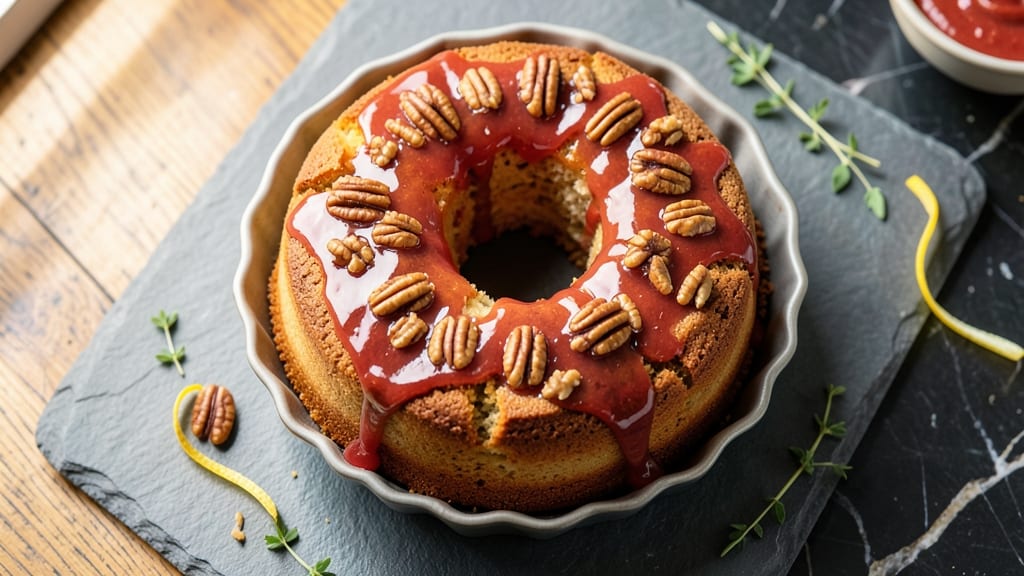
This apricot pecan cake delivers the perfect balance of moist buttery layers, caramelized apricot filling, and crunchy pecan topping—a dessert that feels like a warm hug in every bite. The secret lies in layering flavors: tender cake, jammy apricot swirls, and toasted pecans that add texture contrast.
I developed this recipe after years of testing, ensuring each element comes together without overpowering the others.
The cake itself is rich but not heavy, thanks to a precise ratio of butter and sugar that creates a tender crumb. Between the layers, apricot preserves add natural sweetness and moisture, while the pecan topping—tossed in brown sugar and butter—bakes into a golden, crunchy crust.
The combination of warm spices like cinnamon and nutmeg enhances the apricot's natural flavors without overwhelming them.
What makes this recipe truly special is how the textures play together: the soft cake, the jammy fruit filling, and the buttery-crisp pecan topping create a dessert that's both comforting and sophisticated.
It's the kind of cake that feels like a celebration—whether you're serving it at a gathering or treating yourself to a homemade indulgence.
Ready in about 1 hour, this cake keeps well for 3 days at room temperature or can be frozen for up to 2 months. Pair it with vanilla ice cream or a dusting of powdered sugar for the perfect finishing touch. Here's how to make it—every layer counts!
Ingredients for apricot pecan cake
Rich butter layers, jammy apricot filling, and toasted pecan crunch—these ingredients create a dessert that feels like a celebration.
| Ingredient | Amount | Notes |
|---|---|---|
| Unsalted Butter 🧈 | 1 cup | Cold for cutting, room temp for creaming |
| Granulated Sugar 🍚 | 2 cups | Superfine preferred for tenderness |
| Light Brown Sugar 🍚 | ½ cup | Packed, for moisture |
| Large Eggs 🥚 | 2 whole | Room temperature for best mixing |
| All-Purpose Flour 🌾 | 2 cups | Sifted for light texture |
| Baking Powder 🍳 | 2 tsp | Aluminum-free preferred |
| Ground Cinnamon 🌿 | 1 ½ tsp | Freshly ground for warmth |
| Ground Nutmeg 🌿 | ½ tsp | Freshly grated for depth |
| Salt 🧂 | ½ tsp | Fine sea salt preferred |
| Apricot Preserves 🍑 | 1 ½ cups | No-sugar-added preferred |
| Pecans 🌰 | 2 cups | Chopped, toasted for crunch |
| Light Corn Syrup 🍯 | ¼ cup | For pecan topping |
| Vanilla Extract 🌸 | 1 tbsp | Pure, high-quality extract |
| Powdered Sugar 🍚 | 2 tbsp | For dusting |
The butter matters here—European-style unsalted butter like Plugrá or Land O'Lakes gives the richest flavor. For the apricot preserves, Mott's no-sugar-added or Welch's work perfectly—they add natural sweetness without overpowering. Pecans should be raw, unsalted from the bulk bin at Whole Foods or Trader Joe's for the best flavor. Toast them yourself—they develop a deeper, nuttier taste. The spices? Penzeys or McCormick ground cinnamon and nutmeg stay fresh longer than store-brand options, and they make a noticeable difference in flavor.
No apricot preserves? Fresh apricots simmered with sugar and lemon juice work beautifully, though they require more prep. Running low on pecans? Walnuts or hazelnuts add a different but equally delicious crunch. The corn syrup in the topping can be swapped for maple syrup if you prefer, though it'll have a distinct flavor. For the cake layers, if you can't find superfine sugar, pulse regular granulated sugar in a food processor to achieve the same tender crumb. The vanilla extract should be pure—Nielsen-Massey or Goya are reliable brands that won't break the bank.
Store the cake layers separately, wrapped tightly in plastic wrap, for up to 3 days at room temperature. The pecan topping keeps well for 1 week if refrigerated in an airtight container. Assemble the cake just before serving—this keeps the layers moist and the pecan topping crisp. For freezing, wrap each layer individually and freeze for up to 2 months. Thaw at room temperature before assembling. A quick dusting of powdered sugar right before serving adds that restaurant-quality finish.
Why You'll Love This Recipe
- No Mixer Needed: I swear by this—just cream butter and sugars until fluffy, crack in eggs, fold in flour. The pecans get toasted in the same pan while the cake bakes, so zero extra steps. Honestly, my stand mixer sits unused for this one.
- Buttery Caramel Crunch: That combo of brown sugar and toasted pecans? It’s like a hug for your taste buds—warm, nutty, and just sweet enough. The butter keeps it rich without being heavy, and the apricots add that bright, jammy pop that cuts through the richness.
- Weekend Brunch Star: Slice it warm with a scoop of vanilla ice cream for a lazy Sunday, or pack it for a picnic—it holds up beautifully. Between us, I’ve even served it at book club meetings, and no one ever guessed it was my "I woke up late" recipe.
- Leftovers That Win: This cake actually improves the next day—moist enough to slice neatly, sturdy enough to transport. I’ve sent it to work in a Tupperware with zero complaints, and the pecans stay crispy. Budget-friendly too—uses pantry staples and stretches for guests.
Step-by-step instructions for apricot pecan cake
This cake delivers rich buttery layers, a caramelized apricot filling, and crunchy pecan topping—every technique matters.
Prepare the Pecan Topping and Apricot Filling
Preheat your oven to 350°F and line two 9-inch round cake pans with parchment paper. In a small bowl, combine the 2 cups pecans with the 0.25 cup light corn syrup and toss until evenly coated. Spread the pecans on a baking sheet and toast in the oven for 8-10 minutes until fragrant and lightly golden. Watch closely—they burn quickly once they start browning.
While the pecans toast, transfer 1.5 cups apricot preserves to a small saucepan. Warm over medium-low heat for 3-4 minutes until the preserves are fully melted and smooth. This gentle heating prevents the filling from being too thick when we assemble the cake later. Let it cool slightly before using.
Cream Butter and Sugars for Maximum Fluffiness
In a stand mixer fitted with the paddle attachment, beat the 1 cup unsalted butter (at room temperature) with the 2 cups granulated sugar and 0.5 cup light brown sugar on medium speed for 3-4 minutes. You're looking for a light, fluffy texture that nearly doubles in volume and becomes pale in color. This creaming process incorporates air, which creates the cake's signature tender crumb.
Scrape down the sides of the bowl with a spatula to ensure even mixing. The butter should be completely smooth with no visible lumps. If you see any graininess at this stage, continue beating for another 30 seconds—this ensures your cake will rise properly and have that perfect texture.
Combine Wet Ingredients and Dry Ingredients Separately
Add the 2 whole large eggs (at room temperature) one at a time, mixing on low speed after each addition until fully incorporated. Then add the 1 tablespoon vanilla extract and mix for 10 seconds. In a separate bowl, whisk together the 2 cups all-purpose flour, 2 teaspoons baking powder, 1.5 teaspoons ground cinnamon, 0.5 teaspoon ground nutmeg, and 0.5 teaspoon salt.
With the mixer on low speed, gradually add the dry ingredients to the wet mixture. Mix just until combined—you should still see a few flour streaks. Overmixing develops gluten, which can make the cake dense. The batter should be thick but pourable. Divide the batter evenly between the two prepared cake pans, spreading it out smoothly.
Bake the Cake Layers and Assemble
Bake the cake layers for 25-30 minutes, or until a toothpick inserted into the center comes out clean. The edges should be golden brown, but the centers should still look slightly underdone—they'll continue cooking as they cool. Rotate the pans halfway through baking for even browning.
While the cake layers bake, prepare your work surface. Place one cake layer on a wire rack and spread the cooled apricot preserves evenly over the top, leaving a ½-inch border uncovered. Top with the second cake layer, pressing down gently to create a sealed sandwich. Dust the top and sides with the 2 tablespoons powdered sugar.
Add the Pecan Topping and Finish Baking
Sprinkle the toasted pecans evenly over the top of the cake, pressing them gently into the powdered sugar to help them adhere. Return the cake to the oven and bake for an additional 10-12 minutes until the pecans are golden and the cake is fully set. The cake should pull away slightly from the sides of the pan when gently tapped.
Let the cake cool completely in the pans for 15 minutes, then transfer to a wire rack to cool for another 30 minutes. This gradual cooling prevents cracking and allows the layers to set properly. Serve slices at room temperature for the best texture and flavor balance.
Pro Tips For Making Apricot Pecan Cake
- Cream Butter Slowly: Don’t rush the butter-sugar mix—beat it on medium for at least 3 minutes until it’s thick, pale, and almost fluffy. I used to cut corners here, and the cake always ended up dense. The butter needs time to emulsify with the sugars for that tender crumb.
- Toast Pecans Low: Spread pecans on a baking sheet and toast them at 300°F (not higher) for 8–10 minutes, stirring once. Overheating turns them bitter, and skipping this step means they’ll soak up moisture instead of adding crunch. (Yes, even if you’re impatient like me.)
- Measure Flour Right: Spoon flour into the dry mix—don’t scoop it straight from the bag. Packing it in too tight makes the cake gummy, and using a scale (if you have one) guarantees consistency. I learned this the hard way when my first batch turned out like a brick.
- Check Doneness Early: Pull the cake out when the center just starts to pull away from the sides—it’ll keep rising another 10–15 minutes. Overbaking dries out the apricot flavor, and underbaking leaves it gummy. A toothpick with a few moist crumbs? That’s perfect.
Troubleshooting this recipe
Dense Cake Layers
If your cake layers turn out dense instead of light and fluffy, the issue is likely overmixing or incorrect butter temperature. Make sure your 1 cup unsalted butter is at room temperature (about 65°F) but not melted—it should be soft enough to leave a slight indentation when pressed.
Also, mix the batter just until combined after adding the dry ingredients; overmixing develops gluten, which makes the cake tough. For extra tenderness, try folding in 1 tablespoon sour cream with the wet ingredients. 💡
Cracked Top
Cracks often appear when the cake cools too quickly or the oven temperature fluctuates. To prevent this, let the cake cool in the pan for 15 minutes before transferring to a wire rack.
Also, ensure your oven is fully preheated to 350°F and avoid opening the oven door during the first 20 minutes of baking. If cracks still form, simply cover them with extra apricot preserves or a dusting of powdered sugar—they won’t affect the flavor!
Pecan Topping Too Dry
If your pecan topping loses its crunch and becomes dry, the corn syrup might have caramelized too much or the cake absorbed too much moisture.
To fix this, reduce the baking time for the topping to 8-10 minutes (not 12+ minutes) and ensure the pecans are evenly coated with syrup. For extra crispiness, add 1 tablespoon melted butter to the pecans before baking.
Store the cake in an airtight container with a piece of parchment paper between layers to maintain moisture. ✨
Apricot Filling Too Thick
A thick apricot filling can make the cake feel heavy. To thin it, gently reheat the preserves with 1-2 teaspoons water or apricot juice until smooth, then let it cool slightly before spreading. If the filling separates, whisk it vigorously to re-emulsify.
For a smoother texture, strain the preserves through a fine-mesh sieve before using. Remember, the filling should be spreadable but not runny—aim for a consistency like thick jam. 🍑
Uneven Baking
Uneven baking often happens if the oven isn’t hot enough or the cake pans aren’t leveled. Rotate the pans halfway through baking to ensure even browning, and use a 9-inch round pan (not an 8-inch or 10-inch).
Also, place the pans on the middle rack of your oven, where heat is most consistent. If your oven runs hot, reduce the temperature to 325°F and bake for 5-10 minutes longer. A reliable oven thermometer helps avoid guesswork. 🌡️
Sticky or Gummy Texture
A gummy texture usually means the cake didn’t bake long enough or the filling was too wet. Ensure the cake layers bake until a toothpick comes out clean (about 25-30 minutes), and let them cool completely before assembling.
If the cake still feels sticky, it might need a few extra minutes in the oven. For extra moisture control, brush the cooled layers with a thin layer of apricot juice before adding the filling. This creates a barrier that prevents sogginess. 💪
Nutrition facts
Frequently asked questions
Can I make this apricot cake without pecans?
Swap the pecans for walnuts or hazelnuts for a different nutty flavor, or omit them entirely for a lighter version. If you remove the pecan topping, simply dust the cake with extra powdered sugar or drizzle with apricot glaze instead. The cake will still be delicious—just missing that signature crunch!
How do I adjust the sweetness if I prefer less sugar?
Reduce the granulated sugar by ¼ cup and replace it with unsweetened apricot jam (about ½ cup) for natural sweetness. You can also swap ½ cup of the brown sugar for maple syrup in the batter. Taste the batter before baking—it should be slightly sweet but not overwhelming.
Is this cake gluten-free?
No, this recipe uses all-purpose flour, but you can easily adapt it! Replace the flour with a 1:1 gluten-free baking flour blend (like Bob's Red Mill) and add ½ teaspoon xanthan gum to help bind the layers. Note that gluten-free cakes often require slightly longer baking times—check for doneness with a toothpick at 28-32 minutes.
Can I make this cake in a single layer instead of two?
Yes! Simply bake the batter in one 9-inch round pan for 35-40 minutes (until a toothpick comes out clean). After baking, spread the apricot preserves evenly over the top, then sprinkle with the pecan topping. Bake for an additional 10-12 minutes to crisp the nuts. This version works well for smaller gatherings or when you prefer a taller cake.
How long can I store the cake layers before assembling?
Wrap the cooled cake layers tightly in plastic wrap and store at room temperature for up to 3 days. For longer storage, freeze the layers (without filling or topping) for up to 2 months. Thaw overnight in the fridge before assembling. The pecan topping stays fresh for 1 week refrigerated in an airtight container.