
Desserts
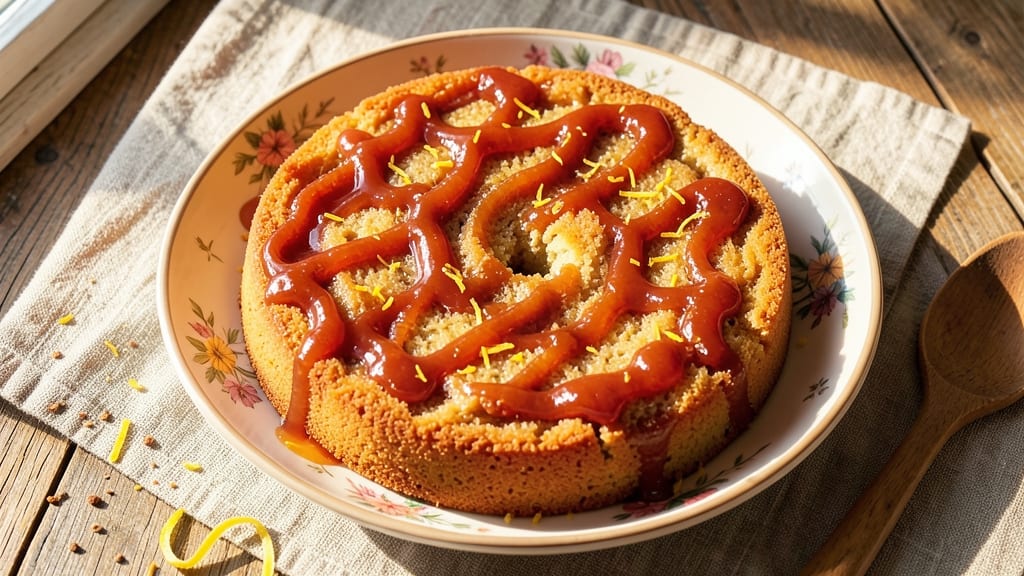
This apricot nectar cake recipe from scratch transforms simple pantry ingredients into layers of tender crumb and citrus-kissed moisture that defy boxed mixes. The secret lies in blending apricot nectar's natural sweetness with a touch of lemon zest, creating a cake that's bright without being overpowering.
I developed this recipe after years of baking, perfecting the balance between rich fruit flavor and delicate texture—no artificial extracts or heavy syrups required.
The beauty of this recipe is its foolproof technique that yields consistently moist layers without dense crumb or dry edges. You'll work with standard cake ingredients—flour, sugar, eggs, butter—but the apricot nectar and citrus zest elevate them into something extraordinary.
The cake bakes up with a golden dome and tender crumb that holds together beautifully, making it perfect for special occasions or an indulgent afternoon treat.
What makes this apricot nectar cake truly special is how the flavors develop as it cools. The citrus zest infuses subtle brightness that cuts through the fruit's natural sweetness, while the nectar keeps each layer impossibly tender.
It's the kind of cake that tastes even better the next day, when the flavors have fully melded together. The texture remains soft and moist for days when stored properly.
Whether you're a seasoned baker or new to cake-making, this recipe delivers restaurant-quality results with minimal effort. The step-by-step instructions guide you through every phase, from mixing to baking to testing for doneness.
You'll end up with a cake that's elegant enough for a dinner party but simple enough for a weeknight dessert. Let's get started on creating this apricot nectar masterpiece.
Ingredients for apricot nectar cake recipe from scratch
Pantry staples meet apricot nectar's magic for layers of citrus-kissed tenderness.
| Ingredient | Amount | Notes |
|---|---|---|
| All-Purpose Flour 🌾 | 2 ½ cups | Sifted for even texture |
| Granulated Sugar 🍚 | 1 ½ cups | White or light brown |
| Apricot Nectar 🍑 | 1 cup | Unsweetened for natural flavor |
| Unsalted Butter 🧈 | 1 cup | Room temperature, softened |
| Large Eggs 🥚 | 3 whole | Room temperature |
| Lemon Zest 🍋 | 1 tbsp | Freshly grated |
| Vanilla Extract 🌸 | 1 tbsp | Pure vanilla preferred |
| Baking Powder 🍞 | 2 tsp | Aluminum-free for best rise |
| Salt 🧂 | ½ tsp | Fine sea salt |
| Milk 🥛 | ½ cup | Any variety, room temp |
| Vegetable Oil 🫒 | ¼ cup | Light, neutral flavor |
| Lemon Juice 🍋 | 1 tbsp | Freshly squeezed |
The apricot nectar is non-negotiable here—Mott's or Del Monte unsweetened works best, but check labels for added sugar. For the butter, Plugrá or Land O'Lakes unsalted gives the best flavor consistency. If your local grocery doesn't carry apricot nectar, Trader Joe's or Whole Foods bulk sections usually have it. The lemon zest should be vibrant yellow—organic Meyer lemons from the produce section give the brightest flavor. For the flour, King Arthur or Gold Medal brands are reliable for consistent texture.
No apricot nectar? Mango nectar or peach nectar works in a pinch, though the flavor will shift slightly. Short on lemon zest? Orange zest at half the amount adds sweetness instead of tartness. The baking powder must be fresh—test by mixing with water to see if it bubbles. If it doesn't, toss it. For the milk, almond milk or oat milk works 1:1, but the cake will be slightly lighter. The vegetable oil can be swapped for melted butter if you prefer, but the texture may be marginally denser.
Store the cake in an airtight container between layers of parchment paper for up to 5 days at room temperature. For longer storage, wrap tightly in plastic and refrigerate for up to 2 weeks. The cake freezes beautifully—slice before freezing and thaw at room temperature. To revive stale cake, warm slices for 10 seconds in the microwave with a damp paper towel. The lemon zest flavor intensifies slightly as the cake sits, so make it a day ahead if possible.
Why You'll Love This Recipe
- No Pantry Fuss: I swear by this one—just flour, sugar, butter, eggs, and that one can of apricot nectar you already have lurking in the back. No weird substitutions, no last-minute grocery runs. The nectar does all the work, turning a basic cake into something special without extra effort.
- Sunshine in a Box: That apricot nectar? It’s like liquid sunshine—sweet but not cloying, with just enough tang to keep things interesting. The butter and eggs make it rich but not heavy, and the sugar caramelizes into this perfect golden crust that cracks just enough when you slice it.
- Weeknight or Wows: Serve it warm with ice cream for a lazy Sunday dessert, or slice it for a breakfast cake with coffee—it’s that versatile. Honestly, I’ve even packed it in lunchboxes (yes, really) because it stays moist for days. No one ever guesses it’s from scratch.
- Budget Magic: A single can of nectar stretches this recipe far, and the rest are pantry staples. I’ve made this for potlucks, birthdays, and "I just need cake" moments—always a hit, always affordable. Plus, leftovers? They disappear faster than you can say "second slice."
Step-by-step instructions for apricot nectar cake
Here's how to create a tender, citrus-kissed cake with perfect moisture every time.
Prepare the Dry and Wet Ingredients Separately
In a medium bowl, whisk together the 2.5 cups all-purpose flour, 2 teaspoons baking powder, and ½ teaspoon salt. Sift the mixture through a fine-mesh sieve directly into the bowl to eliminate any lumps and aerate the flour. This ensures even distribution and a lighter texture in your cake.
In a separate large bowl, combine the 1 cup apricot nectar, 1 cup softened unsalted butter, 1.5 cups granulated sugar, 3 whole large eggs, 1 tablespoon lemon zest, 1 tablespoon vanilla extract, ½ cup milk, and ¼ cup vegetable oil. Mix on medium speed until fully incorporated and the mixture is smooth. The apricot nectar adds natural sweetness while keeping the cake moist, so don't substitute with other fruit purees.
Combine Wet and Dry Ingredients Gently
With the mixer on low speed, gradually add the dry ingredients to the wet mixture. Scrape down the sides of the bowl as needed to ensure everything is evenly combined. Mix just until the batter is smooth and no flour streaks remain—overmixing develops gluten, which can make the cake dense. The batter should be thick but pourable.
Add the 1 tablespoon freshly squeezed lemon juice and mix briefly to incorporate. The acidity from the lemon juice brightens the apricot flavor and helps balance the sweetness. The batter should have a vibrant orange hue from the lemon zest, indicating proper integration of all ingredients.
Prepare the Pans and Bake the Cake
Preheat your oven to 350°F and grease two 9-inch round cake pans with vegetable oil or butter, then line the bottoms with parchment paper. Divide the batter evenly between the two pans. Tap the pans gently on the counter to remove any air bubbles and ensure the batter settles evenly.
Bake for 25-30 minutes, or until a toothpick inserted into the center comes out clean and the edges are lightly golden. The cake should spring back slightly when touched. Rotate the pans halfway through baking for even heat distribution. Overbaking can dry out the cake, so keep a close eye on it after the 25-minute mark.
Cool and Layer the Cake
Remove the cakes from the oven and let them cool in the pans for 10 minutes. Then transfer them to a wire rack to cool completely. The cake will continue to set as it cools, which helps maintain its moisture. Once fully cooled, you can frost with your preferred glaze or cream cheese frosting, if desired.
This cake's secret lies in the apricot nectar and vegetable oil, which work together to create a tender crumb. The lemon zest and juice add a refreshing citrus note that complements the apricot flavor beautifully. Serve slices at room temperature for the best texture and flavor balance.
Pro Tips For Making Apricot Nectar Cake Recipe From Scratch
- Whisk Butter and Sugar: DESCRIPTION:
- Strain the Nectar: DESCRIPTION:
- Room-Temp Eggs Matter: DESCRIPTION:
- Bake Until Springy: DESCRIPTION:
Flavor customization for this dish
Citrus Variations
Swap the lemon zest for orange zest (use 1 tbsp) for a sweeter, more floral flavor profile. The orange pairs beautifully with apricots, creating a marmalade-like brightness.
For a tropical twist, add ½ tsp grated lime zest along with the lemon zest—it adds a tangy complexity that enhances the nectar’s sweetness. 🍊
Spiced Apricot Twist
Infuse the apricot nectar with warmth by adding ½ tsp ground cinnamon or ¼ tsp cardamom while mixing the wet ingredients. The spices deepen the fruit’s flavor without overpowering it.
For a Middle Eastern-inspired cake, stir in ¼ tsp rose water (found in specialty stores) with the vanilla extract—it adds a delicate floral note that complements the apricot beautifully.
Nutty Enhancements
Fold ½ cup finely chopped toasted almonds or walnuts into the batter for added texture and crunch. The nuts contrast the cake’s tender crumb and add a satisfying bite. For a more decadent version, sprinkle ¼ cup chopped pistachios on top before baking—their buttery flavor pairs exceptionally well with apricot.
Toast the nuts in a dry pan over medium heat for 3-4 minutes until fragrant.
Chocolate Infusion
For chocolate lovers, replace ½ cup of the granulated sugar with ½ cup unsweetened cocoa powder and add ¼ cup melted dark chocolate to the wet ingredients. This creates a rich, fudgy apricot-chocolate hybrid that’s irresistible.
Pair it with a cream cheese frosting> for the ultimate indulgence. Use 60% dark chocolate for balance—any darker and the apricot flavor gets lost.
Seasonal Fruit Swaps
In summer, replace apricot nectar with peach nectar or mango nectar for a fruity, tropical vibe. For fall, try plum nectar—it adds a deeper, jam-like richness. In winter, a splash of ½ cup cranberry sauce> (reduced by half) adds tartness that cuts through the sweetness.
Always adjust the lemon juice to 1.5 tbsp when using tart fruits to maintain balance.
Boozy Elevations
Add 2 tbsp apricot brandy or orange liqueur> (like Cointreau) to the wet ingredients for a sophisticated twist. The alcohol enhances the fruit flavors and adds a subtle warmth.
For a non-alcoholic version, use 2 tbsp apricot jam> (reduced by half) mixed with 1 tbsp water—it thickens the batter slightly but adds depth. Proof the cake for 1 hour before baking to let the flavors meld.
Nutrition facts
Frequently asked questions
Can I use apricot jam instead of apricot nectar?
Apricot jam works in a pinch, but the texture and flavor will differ. For best results, reduce ½ cup apricot jam (with seeds removed) until it reaches nectar consistency, then strain out any thickened bits. Add 1 extra tablespoon lemon juice to compensate for the jam's natural tartness. The cake will still be delicious but may be slightly denser.
How do I prevent my cake from drying out?
Keep the cake moist by storing it in an airtight container with a slice of bread or apple between layers. For extra protection, brush the cooled layers with a simple syrup made from ¼ cup sugar + ¼ cup water (simmered for 2 minutes) before frosting. Serve within 3 days for peak tenderness.
What's the best frosting for this cake?
A light apricot glaze (powdered sugar + apricot nectar) enhances the fruit flavor beautifully. For contrast, try cream cheese frosting or lemon buttercream. Avoid heavy chocolate frostings—they can overpower the delicate citrus-apricot balance. A simple dusting of powdered sugar works too for a minimalist look.
Can I make this cake in a single 9x13-inch pan?
Yes, but adjust baking time to 35-40 minutes. Reduce the flour by ½ cup and apricot nectar by 2 tbsp to prevent overflow. The cake will be thicker but still tender. For even baking, tent loosely with foil after 25 minutes if the edges brown too quickly.
Why did my cake sink in the middle?
This usually happens from overmixing the batter or opening the oven door too early. Next time, mix just until combined (no flour streaks) and avoid peeking at the cake until 25 minutes have passed. Let it cool completely before frosting—rushing can cause collapse.