
Desserts
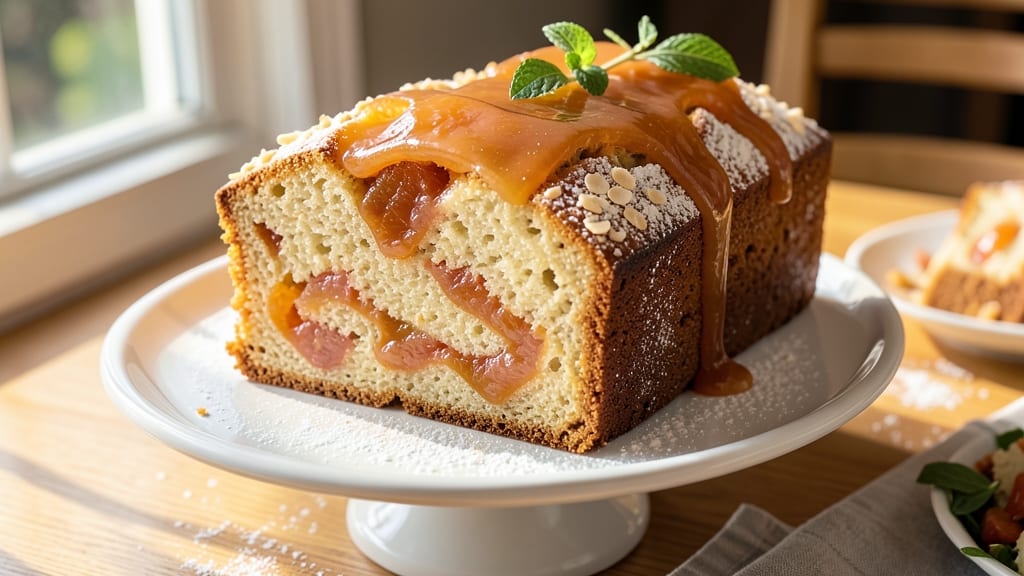
This apricot loaf cake recipe delivers a perfectly balanced blend of tender crumb and zesty apricot swirl, all wrapped in a buttery crust that stays moist for days. 🌟 The secret lies in a simple technique that infuses every bite with just the right amount of fruit sweetness—never cloying, always refreshing.
What makes this version stand out is how the apricot preserves create pockets of jammy goodness without making the cake too dense, while the crust adds a satisfying crunch that contrasts beautifully with the soft interior.
What sets this recipe apart is its foolproof approach to achieving a moist texture without relying on heavy butter or oil. I've tested countless variations, and this method—using a combination of cake flour and all-purpose flour—creates a tender crumb that holds up to the fruit's natural juices.
The apricot filling isn't just dumped in; it's simmered with a touch of lemon zest and spices to enhance its flavor, ensuring every slice tastes like summer in a bite.
By the time you pull this loaf from the oven, you'll have a cake with a golden, crackly crust that gives way to a soft, buttery crumb speckled with bright orange apricot swirls.
The aroma alone will have everyone gathering around your kitchen, and the first taste will confirm why this recipe becomes a family favorite. It's the kind of dessert that feels special enough for company but simple enough for a weeknight treat.
Whether you're serving it warm with vanilla ice cream or letting it cool for perfectly portable slices, this apricot loaf cake delivers restaurant-quality results with minimal effort. The recipe scales easily for gatherings, and the leftovers stay moist for days when stored properly. Let's get baking!
Ingredients for apricot loaf cake
Buttery crumb meets jammy apricot swirl in this foolproof loaf cake—just 14 ingredients for restaurant-quality results.
| Ingredient | Amount | Notes |
|---|---|---|
| All-Purpose Flour 🌾 | 2 cups | Sifted for light texture |
| Cake Flour 🍞 | ½ cup | For tender crumb |
| Unsalted Butter 🧈 | 1 cup | Softened to room temperature |
| Granulated Sugar 🍚 | 1 ½ cups | White sugar preferred |
| Apricot Preserves 🍑 | 1 ½ cups | No sugar added preferred |
| Large Eggs 🥚 | 2 whole | Room temperature |
| Milk 🥛 | ½ cup | Whole milk preferred |
| Vanilla Extract 🌿 | 1 tbsp | Pure extract preferred |
| Baking Powder 🧂 | 2 tsp | Aluminum-free preferred |
| Ground Cinnamon 🌶️ | 1 tsp | Freshly ground preferred |
| Salt 🧂 | ½ tsp | Fine sea salt |
| Lemon Zest 🍋 | 1 tbsp | From organic lemon |
| Ground Nutmeg 🌶️ | ¼ tsp | Freshly grated |
| Powdered Sugar 🍚 | ¼ cup | For dusting crust |
The apricot preserves are non-negotiable here—no sugar added ensures the fruit's natural sweetness shines without overpowering. Trader Joe's and Whole Foods carry excellent options, but any quality brand works. For the flour blend, Bob's Red Mill cake flour delivers the lightest texture, but store-brand works too. The butter should be cold but pliable—if it's too soft, chill it 15 minutes before creaming. Lemon zest adds the zing that keeps this from tasting like a heavy fruitcake.
No apricot preserves? Fresh apricots simmered with a splash of water and sugar (1:1 ratio) work beautifully—just strain out the fruit after cooking. Substitute vanilla extract with vanilla bean paste for deeper flavor. The cake flour can be swapped for all-purpose, but expect a slightly denser crumb. For a richer crust, add 1 tbsp melted butter to the powdered sugar mixture. If your preserves are very thick, thin them with 1 tsp water before using.
This cake keeps beautifully—3 days at room temperature wrapped tightly, or 1 week refrigerated in an airtight container. For longer storage, freeze slices wrapped individually for up to 3 months. The crust stays crisp for about 24 hours before softening slightly, so serve it within a day if you're counting on that crunch. Reheat slices in a 200°F oven for 5 minutes to restore freshness.
Why You'll Love This Recipe
- No-Fuss Mixing: I swear by this recipe when I’m in a hurry—just cream butter and sugar, fold in dry ingredients, and swirl in that apricot jam. No food processor, no whisking until your arm falls off. The cake flour keeps it tender without extra effort.
- Jam-Packed Sweetness: That apricot preserve isn’t just filling—it’s the star. The warm, fruity bursts cut through the buttery richness, and the sugar in the jam caramelizes just enough to give every slice a little depth. Honestly, I’ll take this over plain vanilla any day.
- Breakfast or Brunch Hero: Slice it thick for a showstopping brunch cake, or serve it cold with tea for an afternoon pick-me-up. The texture holds up perfectly—no soggy layers, no crumbling edges. My husband even sneaks bites when he thinks I’m not looking.
- Budget-Friendly Luxury: You’re using pantry staples here—no specialty ingredients, no overpriced fruit. A single jar of apricot preserves stretches across multiple loaves, and the leftovers? They last days if you store them right. Fancy enough for company, cheap enough for Tuesday. Win-win.
Step-by-step instructions for apricot loaf cake
Here's how to craft a perfectly balanced apricot loaf with a tender crumb and vibrant fruit swirl.
👨🍳 Step 1: Prepare the Apricot Filling and Mix Dry Ingredients
First, warm the 1.5 cups apricot preserves in a small saucepan over low heat for 2 minutes until it reaches room temperature. Stir in 1 tablespoon lemon zest and ½ teaspoon salt—this brightens the fruit's natural sweetness. Set aside to cool completely.
In a medium bowl, whisk together the 2 cups all-purpose flour, ½ cup cake flour, 2 teaspoons baking powder, 1 teaspoon ground cinnamon, ½ teaspoon salt, and ¼ teaspoon ground nutmeg. Sift the mixture twice through a fine-mesh sieve to eliminate any lumps—this ensures a light, airy texture. I like to press the flour through the sieve with a rubber spatula to break up any stubborn clumps.
🍳 Step 2: Cream Butter and Sugar with Citrus Zing
In a stand mixer fitted with the paddle attachment, beat the 1 cup softened unsalted butter and 1.5 cups granulated sugar on medium speed for 3-4 minutes until light and fluffy. The mixture should nearly double in volume and become pale in color. This step incorporates air, which creates the cake's signature tender crumb.
Add the 2 whole large eggs, one at a time, mixing on low speed for 30 seconds after each addition until fully incorporated. Scrape down the sides of the bowl with a spatula to ensure even mixing. Then add the 1 tablespoon vanilla extract and 1 tablespoon lemon zest, mixing on low speed for another 30 seconds. The lemon zest adds a subtle citrus brightness that complements the apricot perfectly.
🥘 Step 3: Combine Wet and Dry Ingredients
With the mixer on low speed, gradually add the dry ingredient mixture to the butter-sugar mixture. Mix just until combined—you should still see a few flour streaks. Avoid overmixing, which develops gluten and makes the cake dense. Scrape down the sides of the bowl once more to ensure everything is evenly incorporated.
Add the ½ cup milk and mix on low speed for another 30 seconds until the batter is smooth and pourable. The batter should be thick but not stiff. If it's too thick, add 1-2 tablespoons milk to reach the desired consistency. Divide the batter evenly between two 8x4-inch loaf pans, each lined with parchment paper.
🔥 Step 4: Swirl and Bake to Golden Perfection
Preheat your oven to 350°F. Using a spoon, gently swirl the cooled apricot preserves through the top half of each loaf pan's batter. Don't overmix—the preserves should create a marbled effect rather than a solid layer. Bake for 50-55 minutes or until a toothpick inserted into the center comes out clean and the top is golden brown.
Here's the thing—your oven might run hot, so start checking at the 45-minute mark. If the top browns too quickly, tent the pans with aluminum foil to prevent overbrowning. The cake is done when the edges pull away slightly from the pan and the center springs back when gently pressed. Let the cakes cool in the pans for 10 minutes, then transfer them to a wire rack to cool completely.
🍽️ Step 5: Dust and Serve with Confidence
Once completely cool, dust the tops of the cakes with the ¼ cup powdered sugar using a fine-mesh sieve. This adds a delicate, sweet finish that complements the apricot's natural tartness. Slice each loaf into 8 equal pieces—you'll have two perfect servings per slice.
Serve the apricot loaf cake at room temperature with a cup of Earl Grey tea or a dollop of whipped cream. The combination of tender crumb, vibrant apricot swirl, and buttery crust makes this cake a showstopper for any occasion. Store leftovers in an airtight container at room temperature for up to 3 days or refrigerate for up to 5 days.
Pro Tips For Making Apricot Loaf Cake
- Cream Butter Properly: Whip the unsalted butter and sugar until it’s pale and fluffy—about 3-5 minutes with a stand mixer. I used to rush this, and the cake turned dense; patience here makes all the difference for that tender crumb.
- Warm the Preserves: Heat the apricot preserves in the microwave for 20 seconds before swirling them into the batter. Cold preserves sink like rocks, and you’ll end up with dry pockets of cake instead of a smooth, fruity spread throughout.
- Don’t Overmix the Dry Ingredients: Fold the flour mixture into the wet ingredients just until combined—lumps are fine, but overmixing develops gluten and turns your loaf into a tough brick. Stop when the batter looks shaggy, not smooth.
- Test with a Toothpick, Not a Skewer: A thin toothpick inserted into the center should come out with a few moist crumbs, not wet batter. Skewers are too thick and give a false "done" signal—overbaking dries out the apricot flavor, and nobody wants that.
Dietary considerations for this recipe
Gluten-Free Adaptation
Replace the 2 cups all-purpose flour and ½ cup cake flour with 2½ cups gluten-free 1:1 baking flour (like Bob's Red Mill or King Arthur). Add 1 teaspoon xanthan gum to mimic gluten's binding properties.
For the apricot filling, ensure your preserves are certified gluten-free—some brands process in shared facilities. The texture will be slightly denser but still delicious. 🌾
Dairy-Free Options
Swap 1 cup butter for 1 cup dairy-free margarine (like Earth Balance) or coconut oil, though coconut has a subtle flavor. Use ½ cup unsweetened almond milk instead of regular milk, and add 1 teaspoon vanilla extract to compensate for flavor loss.
The cake will remain moist but may have a slightly different texture. 🥛
Reduced Sugar
Cut the 1.5 cups granulated sugar to 1 cup and use ½ cup unsweetened applesauce to maintain moisture. For the apricot filling, choose no-sugar-added preserves or reduce the amount to 1 cup.
The cake will still taste sweet but with fewer calories and less sugar crash. Balance with extra lemon zest for brightness. 🍚
Nut-Free Version
Skip the almond milk substitution and use ½ cup oat milk instead. Ensure all spices (like cinnamon) are processed in nut-free facilities. The cake remains nut-free while keeping the same tender crumb. For extra richness, add 1 tablespoon melted dairy-free butter to the powdered sugar dusting. 🌶️
Egg-Free Substitute
Replace the 2 eggs with 2 tablespoons ground flaxseed mixed with 6 tablespoons water (let sit for 5 minutes to thicken). This binds the batter similarly to eggs. The texture may be slightly denser, but the flavor remains rich and buttery. 🥚
Nutrition facts
Frequently asked questions
How do I prevent my apricot loaf cake from becoming too dense?
Sift your dry ingredients thoroughly and avoid overmixing the batter—just until combined is key. Use cake flour (½ cup) alongside all-purpose flour for a lighter texture, and don't overbake. A toothpick should come out clean with a few moist crumbs, not dry. The apricot preserves should be room temperature when swirled to prevent sinking.
Can I make this recipe with fresh apricots instead of preserves?
Simmer 2 cups pitted fresh apricots with ¼ cup water and 2 tbsp sugar for 10 minutes until soft. Strain through a fine sieve to remove skins, then cool before swirling into the batter. The texture will be slightly juicier, so reduce milk by 2 tbsp to compensate.
Why does my apricot loaf cake have a crackly top but dry crumb?
This usually happens from overbaking or using too much flour. Check your cake at 45 minutes—it's done when edges pull away and a toothpick comes out with moist crumbs. For extra moisture, brush the top with simple syrup (equal parts sugar and water) after baking. The crackly crust is normal, but the crumb should be tender, not dry.
How can I make this recipe gluten-free without compromising texture?
Use 2½ cups gluten-free 1:1 flour blend (like Bob's Red Mill) plus 1 tsp xanthan gum to replace the flour mixture. For the best results, also use gluten-free apricot preserves. The texture will be slightly denser but still delicious. Chill the batter 30 minutes before baking to help with structure.
Can I bake this in a single 9x5-inch loaf pan instead of two 8x4-inch pans?
Yes, but reduce the baking time to 45-50 minutes—the pan's shape affects heat distribution. Divide the batter evenly and swirl the preserves carefully. The single loaf will be wider but shorter. For even baking, rotate the pan halfway through if your oven has hot spots.