
Desserts
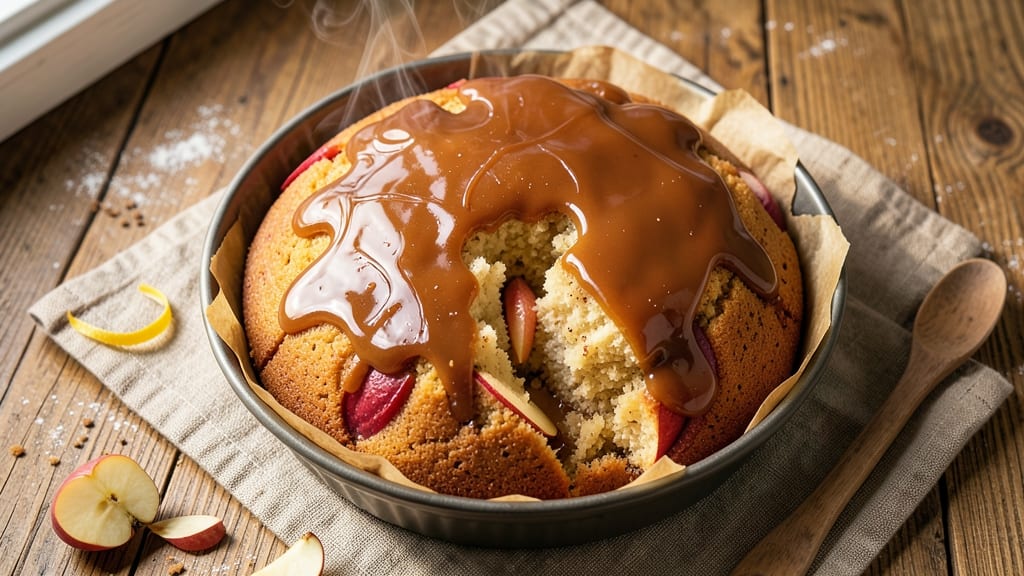
This apple cake recipe with caramel icing delivers the perfect balance of spiced apple layers and rich, buttery drizzle that makes every bite feel like dessert. The secret lies in tender cake infused with cinnamon and nutmeg, topped with a glossy caramel icing that adds a luxurious finish.
I've perfected this recipe over years of baking, ensuring the cake stays moist while the icing remains silky smooth.
The cake itself is a foolproof combination of flour, sugar, and apples—tossed in spices for warmth—while the caramel icing is made with just butter, brown sugar, and cream, creating a velvety contrast to the cake's texture.
Baking at the right temperature ensures a golden crust without drying out the layers, and the icing sets just enough to hold its shape while still being spreadable.
What you’ll end up with is a restaurant-quality dessert that’s perfect for celebrations or cozy weeknight treats. The apples add natural sweetness, while the caramel icing ties everything together with its rich, caramelized flavor. Serve warm with vanilla ice cream or enjoy it at room temperature for a satisfying bite.
This recipe is designed to be beginner-friendly yet impressive enough for special occasions. The steps are straightforward, and the ingredients are easy to find, making it a go-to for anyone who loves the classic combo of apple cake and caramel. Let’s get baking!
Ingredients for apple cake recipe with caramel icing
Spiced apples, tender cake layers, and velvety caramel drizzle—here's what you need for restaurant-quality dessert.
| Ingredient | Amount | Notes |
|---|---|---|
| All-Purpose Flour 🌾 | 2 ½ cups | Sifted for even texture |
| Granulated Sugar 🍚 | 1 ½ cups | White or light brown |
| Light Brown Sugar 🍚 | ½ cup | Packed for moisture |
| Baking Powder 🧂 | 2 tsp | Aluminum-free preferred |
| Ground Cinnamon 🌿 | 2 tsp | Freshly ground preferred |
| Ground Nutmeg 🌿 | ½ tsp | Freshly grated for warmth |
| Salt 🧂 | ½ tsp | Fine sea salt preferred |
| Large Eggs 🥚 | 2 whole | Room temperature for blending |
| Unsalted Butter 🧈 | 1 cup | Cold, cubed for creaming |
| Vanilla Extract 🍯 | 1 tbsp | Pure vanilla preferred |
| Apples 🍎 | 4 medium | Peeled, cored, sliced thin |
| Heavy Cream 🥛 | 1 cup | Cold for caramel icing |
| Light Brown Sugar 🍚 | 1 cup | Packed for caramel depth |
| Unsalted Butter 🧈 | ½ cup | Cold, cubed for caramel |
| Salted Butter 🧈 | 2 tbsp | For brushing cake layers |
The apples are non-negotiable—Honeycrisp or Granny Smith hold their shape best when baked. Local farmers markets often have the freshest, but grocery store produce works fine if it's firm and free of bruises. I always peel and slice them just before baking to keep them from browning. The flour should be sifted to avoid dense cake, and the butter? Cold and cubed for that perfect flaky texture. Grab European-style butter if you can—it's richer and gives better flavor.
No vanilla extract? Vanilla bean paste or even vanilla sugar works in a pinch, though pure extract is ideal. The brown sugar in the cake and icing can be swapped for white if you're watching sugar content, but I find it adds that caramelized depth that makes this recipe special. For the caramel icing, heavy cream must be cold—if it's warm, the icing will curdle. The butter in the icing can be swapped for coconut oil if you're avoiding dairy, though it'll have a slightly different texture. And if you're short on apples, pears or even rhubarb work beautifully—just adjust the baking time.
The cake layers keep well for 3 days in the fridge, covered tightly, and the icing can be made a day ahead—it actually tastes better after the flavors meld. For serving, I like to brush warm layers with extra butter right before adding the icing. The whole cake freezes beautifully—wrap each layer in plastic and store for up to 3 months. Just let it thaw completely before adding the icing. And trust me, leftovers are even better the next day—the caramel soaks in perfectly.
Why You'll Love This Recipe
- Same dough, different vibes: slice it thin for breakfast pastries, serve it whole for a picnic, or stack it with vanilla ice cream for date night. Between us, I’ve even used leftover cake to top yogurt when I forgot to buy granola. Works every time.
- No Mixer Needed: I swear by this recipe when I’m too tired to pull out the stand mixer—just whisk the flour, sugars, and cinnamon in a bowl until it’s just combined. The brown sugar keeps things moist without extra fuss, and the caramel icing? You can slather it on with a spoon if you’re in a hurry.
- Caramel-Cinnamon Magic: That first bite of warm cake—tender from the brown sugar, spiced just right with cinnamon—followed by the gooey caramel? It’s like dessert and comfort food had a baby. Honestly, the caramel icing turns this from "nice cake" to "I’ll drive 20 minutes for this cake."
- Weeknight or Showstopper: Same dough, different vibes: slice it thin for breakfast pastries, serve it whole for a picnic, or stack it with vanilla ice cream for date night. Between us, I’ve even used leftover cake to top yogurt when I forgot to buy granola. Works every time.
Step-by-step instructions for apple cake with caramel icing
Here's how to bake a moist spiced cake with tender apple layers and rich caramel drizzle.
Prepare the Cake Batter
Preheat your oven to 350°F and grease two 9-inch round cake pans with 2 tablespoons salted butter, then line the bottoms with parchment paper. In a large mixing bowl, combine the 2.5 cups all-purpose flour, 2 teaspoons baking powder, 2 teaspoons ground cinnamon, ½ teaspoon ground nutmeg, and ½ teaspoon salt. Whisk until evenly distributed—this ensures your cake rises properly and has consistent flavor throughout.
In a separate large bowl, cream together the 1 cup unsalted butter and 1.5 cups granulated sugar on medium speed until light and fluffy, about 3-4 minutes. Add the 2 whole large eggs, one at a time, mixing well after each addition. Stir in the ½ cup light brown sugar and 1 tablespoon vanilla extract until fully combined. Gradually add the dry ingredients to the wet mixture, mixing on low speed just until incorporated—overmixing develops gluten and can make your cake dense.
Fold in Apples and Bake
Peel, core, and slice the 4 medium apples into ¼-inch thick slices. Gently fold the sliced apples into the cake batter using a silicone spatula, being careful not to break them apart. Divide the batter evenly between the prepared cake pans, spreading it out smoothly. Bake for 30-35 minutes or until a toothpick inserted into the center comes out clean. The tops should be golden brown, and the edges should pull away slightly from the pan.
Real talk: If the tops brown too quickly, tent the pans with aluminum foil after 20 minutes to prevent overbrowning. Let the cakes cool in the pans for 10 minutes before transferring them to a wire rack to cool completely. This gradual cooling prevents cracking and helps the layers set properly for assembly.
Prepare the Caramel Icing
While the cakes cool, make the caramel icing. In a medium saucepan, combine the 1 cup heavy cream, 1 cup light brown sugar, and ½ cup unsalted butter. Bring the mixture to a gentle boil over medium heat, stirring occasionally to dissolve the sugar completely. Once boiling, reduce the heat to low and simmer for 5-7 minutes, stirring frequently, until the mixture thickens slightly and coats the back of a spoon. Remove from heat and let it cool for 10 minutes—this prevents the butter from separating when you assemble the cake.
The icing should be smooth and pourable but still thick enough to cling to the cake layers. If it's too thin, return it to low heat for another 1-2 minutes to reduce further. This step is crucial for achieving that signature buttery drizzle that ties the whole cake together.
Assemble and Drizzle
Once the cakes are completely cool, place one cake layer on a serving plate. Spoon about ⅓ of the caramel icing over the top layer, spreading it evenly with an offset spatula. Place the second cake layer on top and drizzle the remaining icing over the entire cake, allowing it to cascade down the sides. For extra decadence, brush the top and sides of the cake with any remaining icing using a pastry brush, creating a glossy finish.
Let the cake sit at room temperature for at least 30 minutes before slicing—this allows the caramel to fully set and the layers to meld together. The final result should be tender, spiced cake layers with a rich, buttery caramel drizzle that complements every bite. Serve with a dollop of whipped cream or a scoop of vanilla ice cream for the ultimate dessert experience.
Pro Tips For Making Apple Cake Recipe With Caramel Icing
- Preheat to 350°F: DESCRIPTION: I learned this the hard way—skipping the oven’s warm-up means the cake starts cooking unevenly, especially with the dense apple filling. A properly preheated oven guarantees even baking from the first minute, so don’t rush it. The caramel icing will thank you later by setting smoothly over a uniformly baked cake.
- Slice Apples Thin: DESCRIPTION: If your apples are chunky, the cake will feel dry and uneven. Aim for ⅛-inch slices—thin enough to soften completely but thick enough to hold their shape. Toss them in lemon juice right after slicing to keep them from browning while you prep the rest.
- Don’t Overmix the Batter: DESCRIPTION: The second I started folding in the flour instead of stirring, the cake turned out lighter and fluffier. Overmixing develops gluten, which makes the texture dense. Mix just until the dry ingredients disappear—your cake will rise better and stay tender.
- Chill the Icing: DESCRIPTION: Sounds weird, but it works: let the caramel icing sit at room temp for 10 minutes before spreading. Warm icing pools on the cake, making a messy glaze. A slightly thickened icing spreads evenly and sets faster—no sticky fingers or sagging drips.
Troubleshooting this dish
Cake Too Dense
If your cake turns out dense instead of tender, you likely overmixed the batter or used too much flour. I’ve found that gently folding the apples into the batter—rather than stirring vigorously—helps maintain an airy texture.
Also, make sure your butter is cold and cubed when creaming with sugar, and don’t overbake. A toothpick should come out with moist crumbs, not dry ones. 🌾
Apples Too Watery
Excess moisture from apples can make your cake gummy. To fix this, pat the sliced apples dry with a paper towel before folding them into the batter.
If you’re using very juicy varieties like Gala, you might even want to par-bake them for 5 minutes at 350°F before adding them to the batter. This step removes excess liquid without cooking them through.
Caramel Icing Too Thin
A runny caramel icing usually means the cream didn’t reduce enough. Simmer the mixture for an extra 2-3 minutes until it thickens to a coat-the-back-of-a-spoon consistency. If it’s still too thin, whisk in 1-2 teaspoons cornstarch dissolved in 1 tablespoon cold water—just enough to thicken without making it gluey.
Let it cool completely before drizzling to avoid a messy cake.
Cake Cracking on Top
Cracks often form when the cake cools too quickly. To prevent this, let the cakes cool in their pans for the full 10 minutes before transferring to a wire rack. If cracks already appear, don’t stress—simply cover them with extra caramel icing when assembling.
For a smoother finish, brush the cooled cake layers with a thin layer of apricot jam warmed with 1 tablespoon water before adding the caramel topping.
Icing Separating
If your caramel icing looks curdled or separated, the butter likely melted too quickly. Always use cold heavy cream and butter, and avoid overheating the mixture. To fix separated icing, whisk it vigorously over a double boiler (or very low heat) until smooth.
If it’s still grainy, strain it through a fine-mesh sieve before drizzling. A splash of vanilla extract can also help mask any off-flavors from overheating.
Dry Cake Layers
Dryness usually means the cake was overbaked or the butter wasn’t creamed properly. Next time, pull the cake out when the edges are set but the center still jiggles slightly. For extra moisture, brush the cooled layers with simple syrup (equal parts sugar and water, heated until dissolved) before assembling.
This step adds back the moisture lost during baking and keeps the cake tender. 💧
Nutrition facts
Frequently asked questions
Can I use canned apples instead of fresh?
Fresh apples are ideal for this recipe since they hold their texture better when baked. However, if you must use canned apples, drain them well and pat dry with paper towels to remove excess moisture. For the best results, opt for unsweetened applesauce mixed with a pinch of cinnamon—just reduce the sugar in the batter by 2 tablespoons to balance the sweetness.
How do I store leftovers?
Cover the cake tightly with plastic wrap and store at room temperature for up to 2 days. For longer storage, wrap each layer individually in plastic and refrigerate for 5 days. If freezing, wrap layers separately and freeze for up to 3 months. Thaw overnight in the fridge before adding fresh caramel icing. The flavors actually improve after the first day!
Can I make this cake gluten-free?
Yes! Replace the all-purpose flour with a 1:1 gluten-free baking flour blend (like Bob's Red Mill) and add ½ teaspoon xanthan gum to improve texture. You may need to reduce the baking powder by ¼ teaspoon since many blends contain extra leavening. The caramel icing remains the same—just ensure your butter and cream are dairy-free if needed.
What's the best way to serve this cake?
Warm slices pair perfectly with vanilla ice cream or whipped cream, but it's equally delicious at room temperature. For presentation, dust with powdered sugar or add a sprinkle of toasted pecans or walnuts for crunch. Serve with a cup of chai tea or hot coffee to complement the spiced flavors. The caramel drizzle makes it feel extra special!
Why does my caramel icing turn grainy?
Graininess usually happens when the butter melts too quickly or the cream overheats. Always use cold ingredients and simmer on low heat. If it happens, whisk the icing vigorously over a double boiler until smooth, then strain through a fine-mesh sieve. A splash of vanilla extract can also help mask any off-flavors.