
Desserts
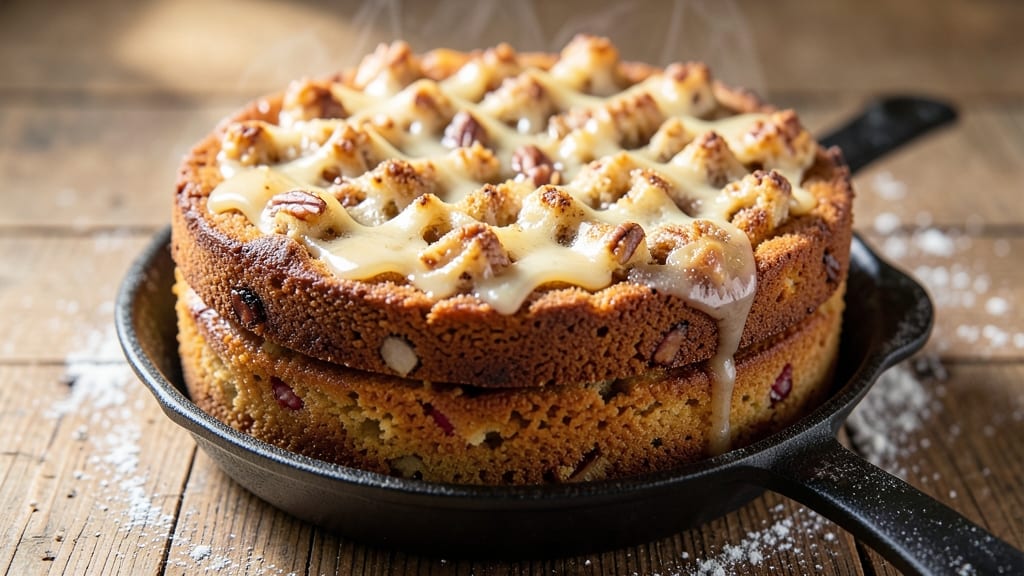
This apple buttermilk coffee cake delivers the perfect balance of tender crumb, caramelized apples, and a warm spiced streusel topping that makes every slice irresistible. The secret lies in the buttermilk batter, which creates a moist, cake-like texture while tenderizing the apples as they bake.
I've perfected this recipe over years of testing, ensuring the apples stay juicy and the streusel stays crispy—not crumbly—until the very last bite.
What sets this coffee cake apart is the combination of tart apples and buttermilk's tangy richness, creating a flavor profile that's both comforting and sophisticated. The recipe calls for simple ingredients—flour, sugar, butter, and fresh apples—but the technique makes all the difference.
You'll start with a quick apple filling that caramelizes beautifully, then layer it between a tender buttermilk batter and a buttery, cinnamon-spiced streusel that browns to golden perfection.
The result is a coffee cake with a moist interior that's almost custard-like, tenderized apples that burst with flavor, and a streusel topping that stays crisp enough to cut through the soft layers.
It's the kind of dessert that disappears quickly at breakfast tables, holiday gatherings, or even as a special treat for yourself. The aroma alone—warm spices mingling with caramelizing apples—will have everyone anticipating the first slice.
Ready in about 50 minutes with minimal effort, this recipe is perfect for both beginners and experienced bakers. The buttermilk batter is easy to mix, the apple filling comes together in just a few minutes, and the streusel requires no special skills—just tossing ingredients until combined.
Whether you're serving it fresh from the oven or saving slices for later, this coffee cake is a sure crowd-pleaser that feels like a homemade hug.
Ingredients for apple buttermilk coffee cake
Simple ingredients that transform into layers of moist buttermilk cake and caramelized apple filling.
| Ingredient | Amount | Notes |
|---|---|---|
| All-Purpose Flour 🌾 | 3 cups | Sifted for light texture |
| Granulated Sugar 🍚 | 1 ½ cups | White or light brown |
| Unsalted Butter 🧈 | 1 cup | Cold, cubed for streusel |
| Buttermilk 🥛 | 1 ½ cups | Room temperature preferred |
| Large Eggs 🥚 | 2 whole | Room temperature for mixing |
| Baking Powder 🧂 | 2 tsp | Diamond Crystal preferred |
| Salt 🧂 | ½ tsp | Fine sea salt |
| Ground Cinnamon 🌿 | 1 ½ tsp | Freshly ground preferred |
| Red Apples 🍎 | 4 medium | Tart variety like Granny Smith |
| Lemon Juice 🍋 | 1 tbsp | Freshly squeezed |
| Brown Sugar 🍚 | ½ cup | Packed for streusel |
| Old-Fashioned Oats 🥣 | ½ cup | Quick or rolled oats |
| Chopped Walnuts 🌰 | ¼ cup | Optional for texture |
The apples are non-negotiable—Granny Smith or Honeycrisp deliver the perfect tartness. Local farmers markets often have the best selection, but any grocery store produce section will work. Avoid mealy varieties like Gala, which won't caramelize properly. For the flour, King Arthur or Gold Medal brands are my go-to—they bake up light and tender. The buttermilk should be at room temperature when mixed, which helps create that signature moist crumb. If you're short on time, substitute 1 cup milk + 1 tbsp vinegar and let it sit for 5 minutes.
No buttermilk? Plain yogurt or sour cream works in a pinch, though the flavor won't be identical. For the streusel, old-fashioned oats create a better texture than quick oats—they stay slightly chewy. Want extra crunch? Toast the oats and nuts for 3-4 minutes before mixing. The cinnamon should be freshly ground if possible—pre-ground loses its warmth quickly. If you're using a mix of apples, peel and dice them uniformly so they cook evenly. The lemon juice prevents browning and adds brightness to the filling, but skip it if you prefer deeper caramelization.
This coffee cake keeps beautifully—3 days at room temperature wrapped in foil, or 5 days refrigerated in an airtight container. For longer storage, freeze individual slices between parchment paper for up to 3 months. Reheat slices at 350°F for 5-7 minutes to restore crispness. The streusel topping loses its crunch when reheated, so enjoy it fresh from the oven whenever possible. Leftovers make excellent breakfast toast—just warm and top with cream cheese.
Why You'll Love This Recipe
- No-Fuss Mixing: I swear by this recipe because you don’t even need a stand mixer—just a bowl and a wooden spoon. The buttermilk and eggs come together so smoothly, and the butter gets cut in with barely any effort. Honestly, it’s the kind of dough that feels like a hug after a long day.
- Spiced Apple Magic: That warm cinnamon and nutmeg in the filling? It’s not just flavor—it’s comfort. The tender crumb soaks up the buttery apples while the streusel stays crunchy, and the buttermilk keeps it moist without being heavy. One bite and you’ll forget about sad desk lunches.
- Breakfast or Snack: Between us, this cake is my go-to for lazy mornings or when I need a pick-me-up at 3 PM. Toast a slice with peanut butter for a protein boost, or serve it warm with coffee—it works just as well for brunch as it does for a quick treat after school pickup.
- Budget-Friendly Stash: A single batch makes six servings, and the ingredients won’t break the bank. The butter and sugar stretch perfectly, and leftovers stay fresh for days (if they last that long). I’ve even frozen slices for impromptu breakfasts—no one will guess they’re from last week.
Step-by-step instructions for apple buttermilk coffee cake
Here's how to create layers of tender apple cake topped with a fragrant cinnamon streusel.
Prepare the Apple Filling and Mix Dry Ingredients
Peel, core, and finely dice the 4 medium red apples into small, even pieces—about ¼-inch cubes. Toss them immediately with 1 tablespoon lemon juice to prevent browning. This acidity also enhances the apples' natural tartness, balancing the sweetness of the cake.
In a medium bowl, whisk together the 3 cups all-purpose flour, 2 teaspoons baking powder, 0.5 teaspoon salt, and 1.5 teaspoons ground cinnamon. Sift the mixture once to aerate the flour and ensure even distribution of the leavening agents. This step prevents dense pockets in your cake layers.
Cream Butter and Sugars for Light Texture
In a stand mixer fitted with the paddle attachment, beat the 1 cup cold unsalted butter and 1.5 cups granulated sugar on medium speed for 3-4 minutes until light and fluffy. The mixture should nearly triple in volume and become pale, with ribbons forming when the paddle lifts. This creaming process incorporates air, which creates the cake's signature tender crumb.
Add the 2 whole large eggs, one at a time, mixing well after each addition. Scrape down the sides of the bowl to ensure all ingredients are fully incorporated. The eggs provide structure and moisture, while their room temperature ensures even distribution without curdling.
Combine Wet Ingredients and Fold in Apples
Gradually pour in the 1.5 cups buttermilk while mixing on low speed until just combined. Avoid overmixing—stop as soon as the flour is moistened. Add the prepared apple mixture and fold gently with a spatula to distribute evenly. The apples should be evenly dispersed throughout the batter without settling at the bottom.
Transfer half of the batter to a greased 9-inch round cake pan. Sprinkle half of the diced apples evenly over the batter, then top with the remaining batter and apples. This layering ensures each slice contains both cake and fruit.
Make the Streusel Topping
In a separate bowl, combine the 0.5 cup brown sugar, 0.5 cup old-fashioned oats, 0.25 cup chopped walnuts, and an additional 0.5 teaspoon ground cinnamon. Cut in the remaining ½ cup cold unsalted butter using a pastry cutter or your fingers until the mixture resembles coarse crumbs with pea-sized butter pieces. This texture creates a crisp, flavorful topping that contrasts beautifully with the moist cake layers.
Sprinkle the streusel evenly over the top of the cake, pressing down lightly to ensure it adheres. The streusel should cover the entire surface without clumping, creating a golden, textured finish when baked.
Bake to Golden Perfection
Preheat your oven to 350°F. Bake the coffee cake for 45-50 minutes, or until a toothpick inserted into the center comes out clean and the top is deep golden brown. The edges should pull away slightly from the pan, indicating proper doneness.
Let the cake cool in the pan for 10 minutes before transferring to a wire rack. Serve warm for the best texture—this allows the streusel to crisp slightly while the cake remains tender. Each slice should reveal moist layers of cake, juicy apple chunks, and a caramelized streusel topping.
Pro Tips For Making Apple Buttermilk Coffee Cake
- Chill the Dough: After mixing, let the batter sit in the fridge for at least 30 minutes—yes, even if you’re eager to bake. This keeps the apples from sinking to the bottom and gives the gluten time to relax, so your cake rises taller and stays tender. (I learned this the hard way when my first batch turned into a dense brick.)
- Cut Apples Last: Save the apples for right before folding them into the batter. Pre-cutting them releases juice, which makes the cake soggy. Use a sharp knife and keep them in cold water until you’re ready to mix—this keeps them crisp and prevents a gummy texture.
- Don’t Overmix: Once the flour is incorporated, stop stirring the moment you see no dry spots. Overmixing develops too much gluten, which turns your coffee cake into a tough, chewy mess. Two or three gentle folds with a spatula is all you need—no need to turn it into a science experiment.
- Use Room-Temp Butter: Take the butter out of the fridge 30 minutes before mixing—this ensures it’s soft but not melted. Cold butter creates pockets in the batter, but melted butter makes the cake dense. Soft butter blends smoothly and gives you that perfect crumb. (And yes, I’ve ruined batches with butter straight from the fridge.)
Troubleshooting perfect results
Dense Cake Texture
If your coffee cake turns out dense instead of tender, you likely overmixed the batter or didn't cream the butter and sugar properly. For the best results, mix the wet ingredients on low speed until just combined—stop as soon as the flour disappears.
Also, ensure your butter is cold but not frozen when creaming with sugar for 3-4 minutes until light and fluffy. A stand mixer with a paddle attachment works best for this step. 🔥
Soggy Streusel Topping
A soggy streusel topping usually means excess moisture from the cake batter or underbaked cake. To prevent this, press the streusel down lightly before baking to create a barrier. Bake the cake until a toothpick comes out clean (about 45-50 minutes at 350°F).
If your streusel still feels damp, try toasting the oats and nuts for 3-4 minutes before mixing with the other streusel ingredients to absorb extra moisture.
Apples Staying Crunchy
If your apple filling remains undercooked and crunchy, your baking time may be insufficient or the apples weren't cut small enough. Dice the apples into ¼-inch cubes for even cooking, and bake until the center reaches 200°F.
For extra tenderness, toss the diced apples with 1 tablespoon lemon juice before folding into the batter—this helps break down the apple fibers slightly. 🍎
Cake Sticking to Pan
To prevent your cake from sticking, grease your 9-inch round cake pan thoroughly with butter and dust with flour or use a nonstick baking spray. For extra insurance, line the bottom with parchment paper cut to fit.
I also recommend baking the cake in the center rack of your oven for even heat distribution. If it still sticks slightly, run a thin knife around the edges before transferring to a wire rack.
Uneven Baking
Uneven baking often occurs when the oven isn't properly preheated or the cake pan isn't placed correctly. Always preheat your oven for 15-20 minutes before baking, and place the cake in the center rack. Rotate the pan halfway through baking if your oven has hot spots.
For even more consistency, use an oven thermometer to confirm your oven is actually at 350°F—many home ovens run 25-50°F hotter than set.
Dry or Crumbly Cake
A dry or crumbly texture usually means the cake was overbaked or the buttermilk wasn't properly incorporated. Remove the cake from the oven as soon as a toothpick comes out clean to avoid overbaking. For extra moisture, ensure your buttermilk is at room temperature when mixing.
You can also brush the warm cake with a simple glaze made from ½ cup powdered sugar + 1-2 tablespoons milk after baking to add moisture back into the crumb.
Nutrition facts
Frequently asked questions
Can I use buttermilk powder instead of liquid buttermilk?
Yes, but with adjustments! Mix 2 tablespoons buttermilk powder with 1 cup milk to replace 1 cup liquid buttermilk. The texture will be slightly different since powdered buttermilk lacks the tang of fresh, but it works in a pinch. For best results, let the mixture sit for 5 minutes to thicken before using.
What's the best apple variety for this recipe?
Tart apples like Granny Smith or Honeycrisp work best—they hold their shape and add brightness. Avoid sweet varieties like Gala, which turn mushy. If you only have sweet apples, toss them with 1 extra teaspoon lemon juice to balance the flavor.
How do I store leftovers to keep the streusel crispy?
Cool completely, then wrap tightly in plastic wrap or foil. Store at room temperature for 2 days or refrigerate for up to 5 days. To revive crispness, reheat slices at 350°F for 5 minutes before serving. For longer storage, freeze slices individually for up to 3 months.
Can I make this coffee cake gluten-free?
Yes, but with modifications. Replace the all-purpose flour with a 1:1 gluten-free baking flour blend (like Bob's Red Mill) and add ½ teaspoon xanthan gum. The texture will be slightly denser, and you may need to reduce baking time by 5-10 minutes. Test with a toothpick for doneness.
Why does my cake sink in the middle?
This usually happens from overmixing the batter or opening the oven door too early. Mix wet ingredients just until combined, and avoid peeking! Also, ensure your oven is properly preheated to 350°F—many home ovens run hotter than set. For extra stability, bake on the middle rack where heat is most even.