
Desserts
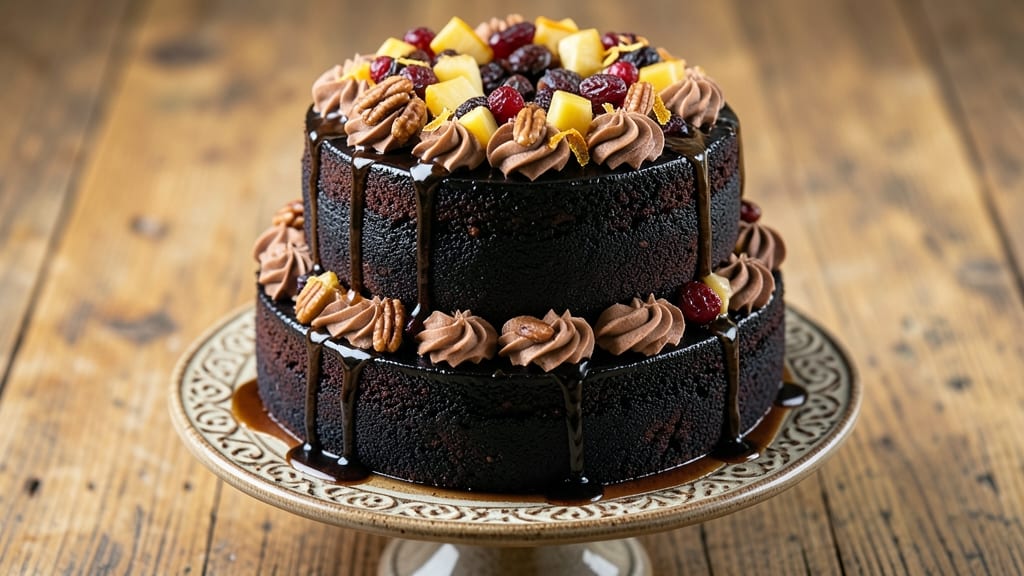
The Antiguan black cake delivers a rich, rum-soaked masterpiece with layers of candied fruit and warm spices that transport you to the Caribbean with every bite. This recipe balances tradition with foolproof technique—moist crumb, deep molasses flavor, and the signature soak that makes it irresistibly tender.
The secret lies in slow-baked layers infused with cinnamon, nutmeg, and dark rum, creating a dessert that's both impressive and deeply comforting.
What sets this cake apart is its moisture, achieved through a clever combination of baking soda, buttermilk, and a rum syrup that's brushed between layers. The candied fruit—typically pineapple, raisins, and cherries—adds bursts of sweet-tart contrast, while the spiced rum soak deepens the flavor with each passing hour.
Unlike traditional fruitcakes, this version stays tender rather than dry, thanks to careful baking times and a simple glaze that seals in all that deliciousness.
Baking this cake is simpler than it looks: mix the batter, layer it with fruit, and let the oven work its magic over 2 hours.
The slow bake ensures even cooking and maximum moisture, while the rum soak (which can be done the day before) intensifies the flavors into something extraordinary.
Whether you serve it at a holiday gathering or as a decadent weekend treat, this cake delivers restaurant-quality results with a fraction of the effort.
For those who prefer less alcohol, substitute the rum with apple juice or orange liqueur, but don’t skip the soak—it’s what transforms this cake from good to unforgettable. The glaze, made with powdered sugar and more rum, adds a glossy finish that makes it look as good as it tastes.
Ready to bake a dessert that’s as culturally rich as it is delicious?
Ingredients for antiguan black cake
These 17 ingredients transform into a Caribbean masterpiece—moist, spiced, and rum-soaked perfection.
| Ingredient | Amount | Notes |
|---|---|---|
| All-Purpose Flour 🌾 | 3 ½ cups | Sifted for light texture |
| Unsalted Butter 🧈 | 1 ½ cups | Room temperature, full-fat |
| Dark Brown Sugar 🍚 | 2 cups | Packed firmly |
| Molasses 🍯 | 1 cup | Unsulphured, dark variety |
| Large Eggs 🥚 | 4 whole | Room temperature |
| Buttermilk 🥛 | 1 ½ cups | Full-fat preferred |
| Baking Soda 🧂 | 2 tsp | Freshly measured |
| Ground Cinnamon 🌿 | 2 tsp | True Ceylon preferred |
| Ground Nutmeg 🌿 | 1 tsp | Freshly grated |
| Ground Allspice 🌶️ | 1 tsp | Warm, spicy notes |
| Salt 🧂 | 1 tsp | Fine sea salt |
| Dark Rum 🍹 | 1 cup | 180-proof preferred |
| Raisins 🍇 | 1 ½ cups | Plump, seedless |
| Dried Cherries 🍒 | 1 cup | Chopped, pitted |
| Pineapple 🍍 | 1 cup | Dried, chopped |
| Powdered Sugar 🍚 | 2 cups | For glaze |
| Orange Zest 🍊 | 1 tbsp | Freshly grated |
The rum is non-negotiable here—180-proof dark rum gives the deepest flavor, but Everclear or spiced rum work in a pinch. Trader Joe's or Total Wine usually have good options, but check the proof. The molasses? Unsulphured is key—it's sweeter and less bitter. For the candied fruit, Costco bulk bins are your friend; just soak them in rum overnight for extra flavor. The baking soda must be fresh—if it's old, it won't activate properly, and your cake will be dense instead of tender. I always double-check the expiration date on the can.
No dark rum? Apple cider or orange liqueur adds sweetness without the alcohol kick, though the flavor won't be identical. The candied fruit can be swapped—dried apricots or figs work beautifully, just adjust the rum soak time. For the spices, Penzeys or local Caribbean markets carry the best allspice and nutmeg, but the grocery store stuff is fine if you're in a hurry. The pineapple should be chopped into small pieces so it distributes evenly. And trust me on the buttermilk—full-fat gives the richest flavor, but low-fat works if that's all you've got.
This cake tastes even better the next day—2-3 days is ideal, actually. Store it in an airtight container at room temperature, wrapped in plastic wrap. The rum soak can be done the day before baking—just cover the cake and let it sit overnight in the fridge. For the glaze, mix the powdered sugar with 2-3 tbsp rum or orange juice until smooth. If the cake dries out, a quick brush with rum syrup brings it back to life. Freezes beautifully for up to 3 months, though it's best enjoyed fresh.
Why You'll Love This Recipe
- No-Fuss Mixing: I swear by this batter—just creaming butter, sugar, and molasses until it’s almost too sweet, then folding in eggs and flour like you’re making a cake, not a science experiment. No whisking, no sifting, just stir until it’s smooth. (Yes, even my toddler could help.)
- Molasses Magic: That dark brown sugar and molasses combo? It’s where the real charm lives. The cake starts rich and caramel-y, then deepens into a slow, smoky sweetness that lingers. Honestly, I’ve tried cutting back on the molasses—don’t. You’ll regret it.
- Party or Pantry: Slice it fresh for a Sunday brunch spread, or bake a batch ahead and keep it wrapped for weeks. It’s the kind of cake that doubles as a gift (just throw a bow on it) or disappears in one sitting when you bring it to potlucks. (Between us, I’ve been known to “forget” to share.)
- Budget-Friendly Luxury: Butter and eggs might sound fancy, but this cake costs next to nothing compared to store-bought desserts. A single batch feeds a crowd, and leftovers? They taste just as good reheated with a sprinkle of cinnamon. My secret weapon for “I have nothing” nights.
Step-by-step instructions for Antiguan black cake
Let's bake this rich, rum-soaked masterpiece with layers of spiced fruit and velvety moisture.
Prepare the Candied Fruit Mixture
In a medium saucepan, combine the 1 cup dark rum, 1 cup molasses, 1 tbsp orange zest, 1.5 cups raisins, 1 cup dried cherries, and 1 cup pineapple. Bring to a gentle simmer over medium heat and cook for 8-10 minutes, stirring occasionally, until the liquid reduces by about half and the fruit becomes plump and glossy.
Here's the thing—this step is where the magic happens. The rum infuses the fruit with deep, boozy flavor while the molasses caramelizes slightly, creating that signature Antiguan sweetness. Watch the mixture closely; you want it to coat the back of a spoon but not burn. Once done, remove from heat and let it cool completely before using.
Mix Dry and Wet Ingredients Separately
In a large mixing bowl, whisk together the 3.5 cups all-purpose flour, 2 tsp baking soda, 2 tsp ground cinnamon, 1 tsp ground nutmeg, 1 tsp ground allspice, and 1 tsp salt. Sift the flour mixture twice through a fine-mesh sieve to ensure a light, airy texture—this prevents dense cake. Set aside.
In a separate large bowl, cream together the 1.5 cups unsalted butter and 2 cups dark brown sugar using an electric mixer on medium speed for 3-4 minutes until light and fluffy. The butter should be completely incorporated, and the mixture should nearly double in volume. This step is crucial for creating that tender, moist crumb we're after.
Combine Wet Ingredients and Incorporate Fruit
Add the 4 whole large eggs, one at a time, mixing well after each addition. Then pour in the 1.5 cups buttermilk and mix until just combined. Gradually add the dry ingredients to the wet, mixing on low speed just until the flour is incorporated—do not overmix. Fold in the cooled candied fruit mixture using a spatula, ensuring even distribution throughout the batter.
I know it seems like too much wet ingredient, but trust me—the rum-soaked fruit will absorb into the cake beautifully. The batter will be thick but pourable. If it looks too stiff, add 1-2 tablespoons of buttermilk to loosen it slightly. This is where the cake gets its signature moisture and depth of flavor.
Bake in Layers for Even Cooking
Preheat your oven to 350°F and grease two 9-inch round cake pans generously with butter, then line the bottoms with parchment paper. Divide the batter evenly between the pans and smooth the tops. Bake for 30-35 minutes, or until a toothpick inserted into the center comes out clean. Rotate the pans halfway through baking for even cooking.
Don't open the oven during the first 20 minutes—this prevents the cake from sinking. You'll know it's done when the edges pull away slightly from the pan and the top springs back when pressed gently. Let the cakes cool in the pans for 10 minutes, then transfer to a wire rack to cool completely. This resting period is essential for preventing cracks and ensuring clean layers.
Assemble and Glaze for Showstopping Finish
Once completely cool, place one cake layer on a serving plate. Spread a thin layer of rum-soaked fruit mixture (about 2 tablespoons) over the top, then add the second layer. Brush the entire cake with a simple glaze made by whisking together the 2 cups powdered sugar with 2-3 tablespoons of the reserved rum-soaked fruit liquid until smooth. Drizzle any remaining fruit mixture over the top for extra decadence.
Here's the moment that matters: let the cake sit for at least 30 minutes before serving. This allows the glaze to set and the flavors to meld completely. The result should be a rich, moist cake with layers of spiced rum-soaked fruit peeking through every bite. Serve with a dollop of whipped cream or a scoop of vanilla ice cream for the ultimate Antiguan experience.
Pro Tips For Making Antiguan Black Cake
- Whisk Eggs Until Ribbon: After mixing your molasses and brown sugar, beat those eggs until they hold a ribbon shape when the whisk is lifted—about 3-4 minutes. I learned this the hard way when my cake turned dense; those air bubbles are what keep it light and moist, especially with all that molasses weighing it down.
- Sift the Flour Twice: Skip the sifting? Your cake will taste it. Sift the flour before adding it to the wet ingredients, then sift again with the baking powder and spices. This isn’t just about aeration—it’s about evenly distributing those spices (like cinnamon or nutmeg) so every bite has that warm, consistent flavor.
- Don’t Rush the Molasses: Let that molasses sit at room temperature for at least 30 minutes before measuring—thick, cold molasses will sink to the bottom of your measuring cup and give you less than you think. I was skeptical until I tried it; now I swear by it for that perfect balance of sweetness and depth.
- Test for Doneness Early: This cake won’t jiggle like a sponge, so resist the urge to pull it at the minimum bake time. Start checking with a skewer at 45 minutes—if it comes out clean but the edges are still slightly soft, that’s your cue. Overbaking turns it dry, and no one wants that with all the butter and sugar you’ve already put in.
Pro cooking tips for great antiguan black cake
Spice Infusion Secrets
Toast your spices before using them—1 tsp ground cinnamon, 1 tsp nutmeg, and 1 tsp allspice in a dry skillet over low heat for 30 seconds—to deepen their flavors.
This simple step intensifies the warm, aromatic notes that define Antiguan black cake. Let them cool completely before mixing into the dry ingredients to avoid cooking the flour. 🌶️
For extra depth, make a spice paste by combining the toasted spices with 1 tbsp molasses and 1 tsp orange zest. Mix this into the wet ingredients after creaming the butter and sugar. This creates a more cohesive flavor profile throughout each bite, rather than just sprinkled-on spices.
Rum Soak Mastery
Don’t skip the overnight soak! After baking, brush the cooled cake layers with ½ cup dark rum and let them sit in an airtight container in the fridge for 12-24 hours.
This step transforms the cake from good to extraordinary, infusing it with rich, boozy flavor. For a quicker version, do 2-3 quick brushes over 2 hours before glazing.
If you’re avoiding alcohol, substitute the rum soak with apple cider mixed with 1 tsp vanilla extract. The acidity helps mimic the rum’s depth, though the flavor will be subtly different. Always soak the cake before assembling layers—this ensures even flavor distribution.
Layering Like a Pro
Use a serrated knife to level the cake layers perfectly before assembling. This creates clean, even slices and prevents the cake from looking lopsided. Place the first layer on a cake stand or plate, then spread 2 tbsp of the rum-soaked fruit mixture evenly across the top.
This thin layer adds moisture and flavor between layers.
For a showstopping finish, dust the top with 1 tbsp powdered sugar through a fine-mesh sieve before drizzling the glaze. This adds a delicate, snowy contrast to the rich cake and makes it look like a bakery masterpiece.
Chill the assembled cake for 30 minutes before serving to let the glaze set properly.
Oven Temperature Control
Preheat your oven to 350°F and place a baking sheet on the middle rack to catch any potential drips. The cake should bake for 30-35 minutes, but insert a toothpick at the 25-minute mark to check for doneness.
If the toothpick comes out with a few moist crumbs but no wet batter, it’s ready. Overbaking dries out the cake, so err on the side of slightly underdone.
For even baking, rotate the pans halfway through (after 17-18 minutes). This ensures the edges and center cook uniformly, preventing a dense middle. If your oven runs hot, reduce the temperature to 325°F and bake for an additional 5-10 minutes.
A cake thermometer is your best friend here—aim for an internal temperature of 205-210°F.
Glaze Perfection
Whisk the glaze ingredients—2 cups powdered sugar and 2-3 tbsp reserved rum-soaked fruit liquid—until smooth and glossy. The glaze should coat the back of a spoon but remain pourable. If it’s too thick, add 1 tsp more liquid at a time until it reaches the right consistency.
A thin glaze will sink into the cake, while a thick one creates a glossy finish.
For a professional touch, strain the glaze through a fine-mesh sieve before applying. This removes any lumps and ensures a silky-smooth finish. Drizzle the glaze over the cake in a zigzag pattern, then use the back of a spoon to spread it evenly.
Let it set for 30 minutes before slicing—this gives the cake time to absorb the glaze and prevents crumbs.
Nutrition facts
Frequently asked questions
Why does this cake need to soak in rum overnight?
The rum soak is what makes this cake truly special! The alcohol evaporates slightly during baking, leaving behind deep, caramelized flavors that infuse every layer. Soaking the cooled cake in rum (or a substitute) for 12-24 hours before glazing ensures maximum moisture and rich taste. This step transforms a good cake into an extraordinary one—don't skip it!
Can I make this cake without alcohol?
Swap the rum for apple cider or orange liqueur in equal amounts. For the soak, mix 1 cup apple cider with 1 tsp vanilla extract to mimic the rum's depth. The acidity helps balance the sweetness, though the flavor will be subtly different. The cake will still be delicious—just slightly less boozy!
What if my cake turns out dry?
Don't worry—this happens when cakes cool too quickly or overbake. To fix it, brush the cooled layers with 2 tbsp rum-soaked fruit mixture or orange juice before assembling. For extra moisture, place the assembled cake in an airtight container with a damp towel for 1 hour before glazing. The rum soak will also help revive dryness!
How should I store leftover cake?
Wrap the cake tightly in plastic wrap, then place it in an airtight container. It keeps well at room temperature for 3-4 days, but tastes best within 2 days. For longer storage, freeze slices individually for up to 3 months. Thaw overnight in the fridge before serving—never at room temperature to prevent sogginess.
Can I use fresh fruit instead of dried?
Fresh fruit won't work the same way because it won't hold up during baking or soaking. The dried fruit absorbs the rum and molasses beautifully, creating that signature chewy texture. If you're set on fresh fruit, try candying it first by simmering in sugar syrup, then using it sparingly (about ½ cup total) mixed with the dried fruit.